


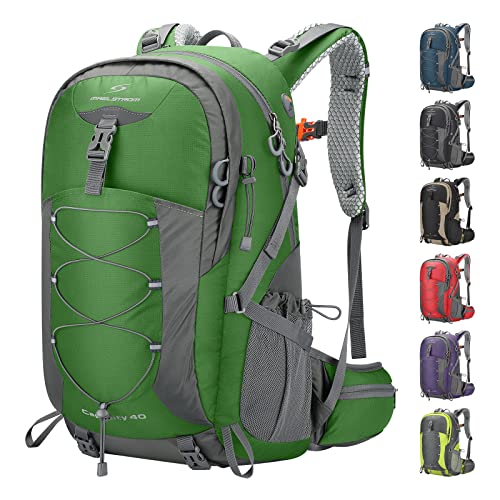
Heavy shoulder straps and unpadded hip belts quickly turn a relaxed afternoon into a grueling trek. Beginners often pack too much weight into unsupportive bags, leading to sore muscles and fatigue after only a mile or two. Selecting the right setup for best hiking for beginners requires evaluating pack volume, clear trail guidebooks, and lightweight emergency tools. If you need a secondary carry option for casual strolls, packable trail daypacks let you organize small items without excess bulk. A well-adjusted pack keeps heavier essentials close to your spine while leaving room for hydration and weather gear.
Careful preparation makes every trail mile significantly easier. Based on product specifications and user feedback, starting with trusted regional guidebooks and compact multi-use tools helps build outdoor confidence while keeping base weight low. Helpful manuals like How to Suffer Outside: A Beginner’s Guide and small repair kits fit easily into outer pockets without crowding main gear compartments. Knowing route distance, elevation, and terrain before heading out prevents unpleasant surprises on the trail. With a balanced setup, you can avoid common rookie mistakes and enjoy the outdoors comfortably.

Pros
- Approachable, beginner-friendly advice on hiking essentials and pack preparation
- Clear, humor-infused perspective that demystifies outdoor discomfort and trail challenges
- Convenient 6 x 0.5 x 8.5-inch paperback format is easy to store and reference at home
- Reputable publication from Mountaineers Books, a trusted outdoor recreation publisher
Cons
- Designed primarily for novices and may offer limited technical depth for advanced backpackers
- At an indicated weight of roughly 2.31 pounds, it is intended for home or base camp reading rather than carrying on trail
- Reading about wilderness safety and skills does not replace practical hands-on experience or navigation training
Mountaineers Books' How to Suffer Outside: A Beginner's Guide to Hiking and Backpacking is an instructional outdoor preparation book written specifically for novice day hikers, car campers wanting to try the backcountry, and first-time backpackers. Rather than presenting outdoor recreation as an intimidating pursuit reserved for elite athletes, this guide takes an honest, approachable stance on the realities of hiking. It helps new adventurers understand what gear they genuinely need, how to plan trips, and how to deal with the minor discomforts that accompany time on the trail.
In terms of practical utility, the guide focuses on pre-trip education, gear selection, and trail readiness. The product specifications list dimensions of 6 x 0.5 x 8.5 inches with a weight of approximately 2.31 pounds in a standard paperback format. Because proper backpack loading and weight management begin long before arriving at the trailhead, reading through foundational concepts like gear organization, layer systems, and hydration strategies allows beginners to make better gear choices and pack more efficiently.
The build of the book follows traditional trade paperback construction, offering a flexible cover and bound pages designed for frequent flipping and note-taking. Mountaineers Books has a long track record of producing durable outdoor literature, and this volume is well suited for resting on a coffee table, slipping into a trip-planning tote, or keeping in a vehicle glove box during road trips to state or national parks.
Using this guide effectively is simple: treat it as a foundational study tool before purchasing expensive backpacks, shelters, or sleep systems. Beginners can review key topics at their own pace, cross-reference advice with their local trail conditions, and practice packing their daypacks or backpacking packs at home. The layout makes it easy to browse specific sections on common trail pitfalls, personal care, and mindset adjustments before departing for a weekend trip.
As with any instructional book, there are realistic boundaries to keep in mind. This is a foundational guide focused on basic hiking and backpacking principles, meaning seasoned thru-hikers or technical mountaineers will likely find the content familiar. Additionally, carrying a two-pound paperback on a weight-conscious overnight hike is impractical for most backpackers, so the volume is best utilized as a pre-hike reference rather than an on-trail handbook. It also should not be used as a substitute for certified wilderness first-aid training or regional topographical maps.
For anyone who feels overwhelmed by complicated gear guides and wants a relatable, candid introduction to hiking and backpacking, How to Suffer Outside is a smart purchase. It offers dependable outdoor instruction from a respected outdoor publisher, making it a great starting point for beginners looking to build trail confidence and enjoy the outdoors without unnecessary stress.
Day hikers often face difficulty determining what essentials belong in a standard daypack without overloading their shoulders. This guide addresses foundational gear principles that help hikers assemble a sensible kit for half-day or full-day outings, including basic navigation, weather-appropriate clothing layers, and proper hydration planning.
By reading through the author's practical advice before purchasing gear, day hikers can avoid the common mistake of buying overly complex equipment for simple weekend trails. The book serves as a reassuring primer that teaches trail newcomers how to handle minor weather shifts, sore feet, and trail pacing with confidence.
Stepping up from day hikes to overnight backpacking trips is where many beginners encounter the steepest learning curve. This guide breaks down the transition into manageable steps, outlining how to evaluate pack loads, prioritize campsite comfort, and understand why certain discomforts are completely normal during multi-day trips.
The instruction helps aspiring weekend backpackers understand how their gear choices affect their overall experience on the trail. By learning the basics of camp setup, food planning, and personal care beforehand, new backpackers can focus on enjoying the wilderness rather than worrying about unexpected logistical hurdles.

Pros
- Compact folded dimensions fit neatly inside standard pack compartments or under exterior compression straps
- All-in-one integrated handle reel arrives pre-spooled, removing the need for separate reel mounting hardware
- Enclosed anti-tangle reel shields line from brush, dirt, and accidental snags during trail transport
- Lightweight carbon fiber rod with titanium guides delivers sensitive action for panfish, trout, and bass
Cons
- Integrated handle-and-reel design prevents swapping out the reel for specialized aftermarket gear
- Collapsed length of 22.44 inches requires sufficient pack depth or vertical side pocket clearance
- Manufacturer does not specify exact line pound-test or total spool capacity
The wloadry Foldable Telescopic Fishing Rod and Reel Combo is an all-in-one, pack-friendly angling system designed for day hikers, backpackers, campers, and travel anglers. Rather than requiring users to transport long, separate multi-piece rods and delicate reels in rigid tubes, this setup integrates the enclosed reel directly into the handle of a collapsible rod. It is well-suited for beginner anglers or outdoor adventurers who want the capability to fish mountain creeks, alpine lakes, and roadside ponds without dedicating massive pack volume to specialized tackle.
Trail portability is the central advantage of this setup. With listed folded dimensions of 22.44 inches by 2.95 inches, the rod can slip into the main compartment of a multi-day pack, slide down into a taller daypack side pocket secured by compression straps, or stash neatly in a vehicle trunk. Because the spincast reel is integrated into the handle housing, there are no protruding bail wires or oversized spool skirts to catch on pack fabric or trail brush during travel.
Construction centers around a lightweight carbon fiber rod blank paired with titanium alloy line guides. Carbon fiber provides the flex and responsiveness needed to detect light bites from panfish, brook trout, and small bass. The titanium alloy guide rings feature a smooth inner profile intended to facilitate steady line release while preventing tangles when using terminal tackle items such as space beans and cotton beans. The ambidextrous metal trigger and smooth star drag system offer straightforward mechanical tension control for both left- and right-handed users.
Operating the combo on the trail requires minimal preparation. The rod uses a one-touch press-to-fold mechanism with a secure folding lock, allowing hikers to extend the sections and begin casting immediately without threading line through separate pieces. Because the reel comes pre-spooled, setup at the water's edge takes only moments. After fishing, simple routine maintenance includes wiping away trail grime, allowing the blank to air-dry, and folding it back down before stowing it away inside your gear bag.
There are practical limitations to keep in mind before heading into the backcountry. The fully integrated reel structure means you cannot replace the reel with a higher-end spinning or baitcasting model if your preferences change. Additionally, the collapsed length of 22.44 inches is longer than ultra-short micro-rods, meaning it will not fit inside compact hydration waist packs or shallow daypack pockets without relying on exterior lash points. Anglers targeting larger game fish will also find the lighter power and pre-spooled configuration better aligned with light freshwater species rather than heavy-duty sport fishing.
For hikers, campers, and outdoor travelers seeking a budget-friendly, space-saving rod that eliminates setup headaches, the wloadry combo is a capable trail companion. It delivers functional line control, dependable compact storage, and quick deployment for spontaneous fishing opportunities in remote waters.
With a collapsed profile measuring 22.44 inches long and 2.95 inches wide, this combo is engineered to fit into outdoor gear systems where space is at a premium. Hikers using internal-frame backpacking packs can slide the folded rod vertically along the interior perimeter or behind a hydration bladder sleeve. Day hikers can seat the base in a deep side water bottle pocket and secure the upper blank beneath upper compression straps.
The fully enclosed spincast reel prevents loose line from snagging on backpack zippers, strap webbing, or brush when attached externally. To keep the rod secure and prevent rattling against other gear, packing it flat alongside soft apparel or securing it with external accessory bungee cords is recommended.

Pros
- Compact 6.5 x 8.3 inch size slides conveniently into daypack pockets, vehicle consoles, or travel totes
- Reliable printed reference that requires zero battery power, mobile data, or charging cables on the trail
- Curated day-hiking coverage provides focused trip ideas across diverse California landscapes
- Flexible paperback binding makes referencing trailheads and route layouts quick and straightforward
Cons
- Adds roughly 1.05 pounds to carried pack weight if brought along on extended foot travel
- Paperback paper lacks water-resistant coating and requires dedicated dry storage during wet weather
- Static printed trail data cannot reflect real-time trail closures, seasonal weather washouts, or permit updates
The Lonely Planet Best Day Hikes California guidebook functions as a dedicated trail-planning accessory designed for day hikers, road trippers, and outdoor enthusiasts exploring California routes. Unlike full backpacking packs or technical suspension systems, this item serves as an informational tool to plan day outings before heading out to the trailhead. It best suits beginners, traveling hikers, and weekend explorers who want curated route descriptions without draining their smartphone battery.
In terms of packability and trail storage, the book measures 6.5 inches wide by 0.625 inches thick by 8.3 inches tall, with a listed weight of approximately 1.05 pounds. These dimensions allow it to slip neatly into most daypack main compartments, exterior shove-it pockets, or organizer sleeves. While a 1-pound book may be left in the vehicle by ultralight hikers monitoring base weight, it remains compact enough for casual day hikers who appreciate having a printed reference guide on hand during breaks.
The build of the book relies on traditional paperback binding with printed paper pages. Because standard paper is naturally vulnerable to moisture and trail abrasion, carrying this guide directly in a backpack requires sensible weather precautions. Stashing the volume inside an interior zippered pocket, a lightweight pack liner, or a simple sealed plastic bag protects the pages from sweaty back panels, leaking water bottles, or coastal drizzle.
Using the guide effectively begins during pre-trip planning at home or at the trailhead. Hikers can browse regional sections to evaluate route types, trip logistics, and scenery highlights before packing their gear. For on-trail handling, keeping the book flat against a flat gear organizer or hydration sleeve helps prevent bent covers and creased corners throughout a day of movement.
The primary limitations of this trail resource stem from its physical format and fixed publication content. At roughly 1.05 pounds, it adds noticeable weight to minimalist daypacks where ounces matter. Furthermore, printed guidebooks cannot offer real-time updates regarding sudden wildfire damage, seasonal road closures, active trail washouts, or changing park permit regulations, making cross-referencing with official park websites a sensible step.
For day hikers and road-trip travelers seeking structured California hiking suggestions, the Lonely Planet Best Day Hikes California guide represents a helpful offline companion. It delivers tangible route inspiration and easy reading for anyone building a California hiking itinerary, provided it is properly shielded from rough weather inside your daypack.
The Lonely Planet Best Day Hikes California guide carries a listed weight of approximately 1.049 pounds and measures 6.5 x 0.625 x 8.3 inches. These dimensions align closely with standard small-format paperbacks, making it straightforward to tuck into daypack internal sleeves or travel carry-ons.
Hikers focused on keeping their carried daypack weight minimal should factor in this 1-pound footprint before packing it for long trail miles. In many cases, consulting the guide at the trailhead and carrying only essential trail notes or photos on trail may better serve weight-sensitive hikers.
Using a printed hiking guide streamlines route planning by grouping California day hikes into organized regional entries. This approach helps users visualize geographic clusters of trails when organizing weekend camping trips, coastal getaways, or national park visits.
To maintain page condition on the trail, store the book inside a water-resistant organizer pouch or ziplock bag. Paper guides lack inherent water protection, so keeping moisture away from the binding ensures long-term usability across multiple hiking seasons.

Pros
- Rounded blade tip and easy-close safety lock help young hikers learn safe cutting mechanics
- Multiple pack attachment options using the two included carabiners and waterproof carry pouch
- Comprehensive emergency tool collection covering fire starting, whistle signaling, and compass navigation
- Consolidates essential youth trail accessories into one visible, easily accessible pouch
Cons
- Rounded beginner blade is tailored for basic introductory tasks and cannot handle heavy-duty campsite chores
- Included carabiners are intended strictly for gear attachment and are not load-bearing climbing hardware
- Safe fire starter and knife handling requires responsible adult supervision on trail
The ZLemma Outdoor Exploration Set is an introductory camping survival kit designed for youth hikers ages 7 to 12 and families seeking a structured way to carry basic field tools on day hikes and camping trips. Packaged with a specialized beginner pocket knife, a loud emergency whistle, a fire starter with striker, a compass paracord keychain, a multi-tool card, and two attachment carabiners, this accessory kit offers young trail enthusiasts their own dedicated essentials without scattering loose items inside a larger family backpack.
For day hikers and family backpackers, carrying youth accessories requires accessible storage that does not interfere with pack balance or hydration access. The included waterproof pouch and dual carabiners allow young explorers or parents to secure the complete kit to external daisy chains, shoulder-strap D-rings, or hip-belt loops on a hiking daypack. Having signaling gear like the emergency whistle and directional compass immediately accessible from an exterior pack clip ensures that young hikers can reach safety tools quickly without digging into packed main compartments.
Build considerations center on early outdoor safety, featuring a puppy-shaped folding knife with a rounded blade tip, an ergonomic wooden handle, and a secure locking mechanism intended to prevent accidental closure during handling. The accompanying tools, including the metal multi-function card tool and fire starter striker, provide hands-on utility for learning fire preparation and basic camp skills, while the waterproof storage bag helps protect steel and fire-lighting items from unexpected rain or wet trail conditions.
Integrating the ZLemma survival kit into a hiking system is straightforward because all components nest neatly within the primary storage pouch. Users can either stow the compact pouch inside an external daypack mesh pocket or clip it onto pack compression straps using the carabiners. When maintaining the kit after a rainy or dusty hike, wiping down the wooden handle, drying the metal blades thoroughly, and storing the kit in a dry place helps preserve the components for subsequent trips.
While this kit serves as a practical educational outdoor set, prospective buyers should recognize its intentional design boundaries. The rounded blade and compact tools are built for introductory practice rather than demanding woodcraft or heavy-duty trail maintenance. Additionally, the included accessory carabiners are non-load-bearing clips designed only for gear attachment, and both the knife and fire starter should always be operated under attentive adult supervision rather than treated as toys.
For parents, scout leaders, and mentors preparing young adventurers for the outdoors, the ZLemma Outdoor Exploration Set delivers a balanced entry point into trail responsibility. It consolidates fundamental wilderness safety tools into an organized, pack-compatible format that encourages safe handling, emergency readiness, and navigation practice on day hikes and weekend camping outings.
The ZLemma kit includes a dedicated selection of introductory wilderness tools: one safety-locking pocket knife with a rounded blade and wooden handle, one fire starter rod with a metal striker, one loud emergency signaling whistle, one paracord keychain with an integrated compass, one multi-function card tool, two accessory carabiners, and one waterproof carry pouch.
Each tool serves an educational function, allowing beginner hikers to practice compass orientation, whistle signaling protocols, basic kindling scraping, and knot tying without needing to borrow heavier adult backcountry gear.
Organizing youth gear efficiently prevents critical items from being lost at the bottom of a backpack. The waterproof storage bag holds all seven included items in a consolidated footprint that fits easily into a daypack front pocket, side water bottle sleeve, or lid compartment.
By utilizing the dual carabiners, hikers can clip the entire kit or individual items, like the whistle and compass, directly to external backpack webbing loops or shoulder straps for immediate trail access during wilderness hikes.

Pros
- Ultra-compact 10.4-inch collapsed length fits neatly in standard backpack bottle pockets or main compartments
- Telescopes quickly to 51.6 inches with pre-threaded line for fast deployment along the trail
- Integrated handle compartment provides convenient storage for hooks, sinkers, and small baits
- Simple trigger-operated line release is easy to operate for beginners and casual trail anglers
Cons
- ABS and fiberglass composite construction lacks the backbone and sensitivity for landing larger fish
- Fixed pre-threaded reel setup offers limited mechanical adjustability compared to standalone reels
- Short 51.6-inch extended reach naturally limits casting distance across wider waters
The xieyaxie Collapsible Telescopic Mini Fishing Rod and Reel Combo is an ultra-portable backcountry fishing setup tailored for day hikers, weekend backpackers, and campers who spend time around alpine lakes, rivers, or trailside streams. For outdoor travelers carrying a loaded daypack or multi-day backpack, traditional multi-piece or full-length fishing rods are awkward to transport and prone to tip breakage along brushy trails. This all-in-one system addresses that packing challenge by integrating the rod and reel into a single self-contained unit that collapses down to an easily stowable profile.
Packability is the primary asset of this combo for wilderness travelers. Collapsing to just 10.4 inches in length and featuring a compact reel body measuring 3.15 by 2.76 by 2.36 inches, the unit slips effortlessly into side water bottle sleeves, hydration pack compartments, or pack brain pockets. When fully drawn out, the telescopic blank extends to 51.6 inches, providing enough leverage for casting light tackle into backcountry creeks or shoreline eddies without requiring separate rod tubes or bulky carry cases.
The construction relies on a combination of ABS plastic and a glass fiber composite blank. While fiberglass provides flexible give for handling smaller panfish or brook trout, the high-strength ABS frame protects the integrated baitcasting reel housing during rough trail transit. The rod is fitted with an extendable handle operated by an underside tension strap, which reveals an internal storage compartment suitable for tucking away hooks, swivels, or small soft baits directly within the grip.
Deploying the combo at a stream crossing takes only moments. Releasing the elastic strap allows the glass fiber sections to telescope forward, while the handle extends outward to establish a comfortable casting grip. The pre-threaded reel utilizes a simple index-finger trigger that frees the line spool for casting or hand-pulling line. Breaking down the system is equally straightforward: pressing the spring seat connecting column with your thumb unlocks the joint, allowing the rod to fold back down and latch securely with the integrated elastic ring before you stow it back in your backpack.
Hikers should maintain realistic expectations regarding fishing performance and mechanical refinement. The 51.6-inch total extended length naturally limits casting distance and leverage compared to standard six-foot or seven-foot rods. Furthermore, the ABS reel and pre-threaded line lack the drag precision and spool capacity needed for targeting trophy-sized fish or throwing heavy lures. It functions best as an opportunistic fishing tool for small mountain fish rather than a primary tournament or heavy-duty angling setup.
For backpackers, section hikers, and casual campers seeking a lightweight, self-contained angling option that will not clutter pack space or break the bank, this folding combo offers genuine utility. Stowing cleanly inside or strapped to the exterior of almost any trail pack, it lets you explore trailside waters without hauling dedicated fishing baggage into the backcountry.
At a retracted length of just 10.4 inches, this mini rod combo packs down short enough to ride vertically in an exterior pack bottle pocket or horizontally inside an overnight backpack gear compartment. Securing the folded rod with its built-in elastic strap prevents the fiberglass sections from sliding free and catching on trailside brush during bushwhacking or steep ascents.
Because the pre-threaded reel is integrated directly with the handle assembly, hikers do not need to pack separate tools, reel cases, or tackle satchels. The hollow handle compartment accommodates essential hooks and split-shot sinkers, keeping your trailside fishing gear consolidated in a single pocket of your daypack.
Setting up the rod requires pulling the lower strap to extend the handle, releasing the elastic band, and extending the telescopic blank to its 51.6-inch length. Line release is managed with a push of the trigger under the forefinger, allowing line to pay out freely during casts or manual stripping.
After fishing backcountry waters, wipe down the composite blank and ABS reel body before packing the rod away in a closed backpack to prevent trapped moisture. Checking that the spring seat column locks securely when folding will ensure the unit remains compact and ready for your next trail outing.

Pros
- Slim 4.25 x 7-inch footprint slides effortlessly into standard hiking daypack pockets
- Lightweight 0.27-pound construction does not burden minimal daypack loadouts
- Provides physical route guidance in areas where national park cellular reception is unreliable
- Direct focus on manageable day hikes suits beginner hikers and family trail outings
Cons
- Standard paperback construction is not waterproof and requires pack-liner protection in wet weather
- Content focuses strictly on shorter day hikes rather than full backcountry multi-day routes
- Limited geographical utility outside Great Smoky Mountains National Park
Best Easy Day Hikes Great Smoky Mountains National Park from Globe Pequot Press is a dedicated pocket trail guide designed for casual hikers, beginner day hikers, and families visiting America's most popular national park. Rather than carrying a bulky regional atlas or relying entirely on inconsistent mobile service, this guide serves as a practical, pack-ready reference for planning and navigating accessible routes throughout the park.
Measuring 4.25 x 0.3 x 7 inches and weighing 0.268 pounds (approximately 4.3 ounces), this guide is built with everyday packability in mind. Its slim profile fits neatly into a hiking daypack top lid, front stretch pocket, or zippered hip-belt pocket. For day hikers keeping their base load minimal, adding this booklet requires virtually no load-carrying compromise.
The guide features a flexible paperback binding that handles being repeatedly packed, referenced at trailheads, and reviewed at scenic overlooks. Cellular reception across Great Smoky Mountains National Park is notoriously unreliable in deep hollows and forested gaps. Carrying a physical reference offers dependable route outlines and basic trail details without draining mobile phone batteries.
Because this is a standard paperback book, the paper stock is not waterproof or weather-sealed. Hikers heading into the Smokies, where sudden rain showers and dense fog are frequent, should store the booklet inside a zip-top bag, waterproof dry sack, or internal pack liner. Protecting the paper from rain and sweat takes minimal effort but ensures the pages remain readable trip after trip.
This publication is deliberately tailored toward shorter, less strenuous day outings. Section hikers, multi-day backpackers, or hikers seeking technical backcountry routes with comprehensive topographical contours will find the curated selection too limited for wilderness navigation. It functions as a route selector and trail summary rather than a full-scale topographic map replacement.
For vacationers, beginner hikers, and weekend explorers wanting to maximize their time on day-use trails in the Great Smoky Mountains, this pocket guide is a straightforward, budget-friendly companion. Its compact dimensions and lightweight build make it a sensible addition to any hiking daypack.
With dimensions of 4.25 x 0.3 x 7 inches and an overall weight of roughly 4.3 ounces, this paperback guide is engineered for immediate packability. It takes up minimal volume inside a small 10 to 20-liter daypack, slipping easily into external stretch-mesh stash pockets or top zippered compartments.
Its slim 0.3-inch depth also allows it to fit into many jacket pockets or pack hip-belt pockets for quick access at junctions without taking off your pack. Day hikers looking to minimize clutter will appreciate its streamlined, travel-friendly footprint.
Paperback guidebooks require basic weather precautions when carried in unpredictable mountain environments. Because the pages are standard untreated paper, exposure to sudden mountain rain or pack condensation can cause wrinkling and damage.
Storing the guide inside an airtight plastic bag, pack liner, or water-resistant daypack pocket keeps the pages dry and legible. Keeping it flat inside your pack against a hydration sleeve or back-panel frame sheet will also prevent bending or creased corners during transit.

Pros
- Extremely lightweight and compact zippered pouch easily fits into backpack hip-belt pockets, brain lids, or ditty bags
- Tear-resistant and water-resistant nylon case protects sewing components from ambient trail moisture and abrasion
- Includes essential repair tools like strong needles, anti-tensile thread, scissors, buttons, and a seam ripper
- Inexpensive backup solution for emergency fixes on backpack seams, tents, and outdoor hiking clothes
Cons
- Manual hand-sewing kit requires basic stitching technique and patience for trailside repairs
- Not intended for structural, high-load suspension webbing or heavy pack-frame rebuilds that require industrial stitching
- Small internal tools can be difficult to manipulate with cold fingers or while wearing hiking gloves
The ULODJFN Military Sewing Kit is a compact, portable field repair accessory designed for hikers, backpackers, campers, and outdoor travelers who need a self-contained solution for unexpected gear failures. When trail abrasion, snagged branches, or sudden seam stress damages an outdoor outfit or a backpack pocket, having a dedicated mending setup can prevent a minor tear from spreading. This kit is tailored for adult hikers and backcountry travelers looking to maintain their gear integrity without adding noticeable bulk to their pack base weight.
Based on product specifications, this repair kit is configured to address common outdoor equipment failures such as split backpack pockets, separated tent seams, and torn hiking apparel. Carrying this kit allows backpackers to perform quick emergency stitches on non-load-bearing nylon fabric, repair popped pant buttons, or temporarily reinforce fraying edge bindings along trail routes. The ultra-light profile of approximately 0.00625 pounds makes it a practical component for a multi-day repair kit or a standard trail ditty bag.
The kit is housed in a durable army green nylon case characterized by tear-resistant and water-resistant properties. Inside the zippered enclosure, users receive essential mending supplies including robust hand-sewing needles, tactical-grade thread spools, military-style buttons, compact scissors, a needle threader, a seam ripper, and a protective thimble. The heavy-duty thread and sturdy needles provide sufficient tensile strength to penetrate denser outdoor fabrics, while the zippered case prevents sharp points from contacting delicate sleeping pads or waterproof pack liners.
Storing and managing this accessory is straightforward due to its compact dimensions and lightweight build. Hikers can easily slip the zippered nylon pouch into a backpack top lid, an internal security pocket, or an exterior hip-belt pouch for rapid trailside access. Keeping the components unified inside a dedicated case prevents lost sewing needles and unraveled thread spools inside larger pack compartments. Routine care for the kit involves keeping the case clean, dry, and securely zipped between outings to protect the steel tools from ambient humidity.
Potential buyers should recognize the realistic functional boundaries of a manual field sewing kit. While suitable for mending torn fabrics, securing buttons, and closing fabric splits, it cannot replace heavy industrial bar-tacking on critical load-bearing backpack points such as weight-stressed shoulder-strap anchor points or heavily loaded hip-belt webbing. Furthermore, working with compact needles and threaders on trail requires patience and fine motor skills, which can be challenging during cold weather or while wearing gloves.
For hikers, section backpackers, and wilderness campers seeking low-cost, lightweight emergency insurance against equipment tears, the ULODJFN Military Sewing Kit delivers solid practical value. It brings together all the fundamental tools required to perform functional field mends, making it a reliable addition to any backcountry repair pouch or travel packing list.
The ULODJFN Military Sewing Kit contains a full assortment of essential gear repair supplies packed into a zippered nylon case. Inside, users will find sturdy sewing needles, spools of tactical thread, replacement military buttons, compact cutting scissors, a needle threader, a seam ripper, and a thimble.
These tools provide the core utility needed to handle basic fabric fixes and trailside apparel repairs without requiring separate purchases of individual sewing accessories.
This emergency sewing kit is designed to mend common outdoor gear failures including ripped daypack pockets, torn tent rainfly fabric, fraying gaiters, and split apparel seams. The anti-tensile thread and robust needles allow users to push through durable outdoor nylon and canvas fabrics during field emergencies.
While ideal for surface patches and torn stitching on hiking pants, jackets, and pack shells, users should remember that critical load-bearing backpack harness connections require professional industrial repairs rather than manual hand-stitching.

Pros
- Collapses to an ultra-portable 9.05 inches for hassle-free packing in daypacks and multi-day hiking backpacks
- Complete starter bundle includes the rod, integrated reel, line, and 21 lures ready for immediate trailside use
- Glass fiber and ABS composite rod blank provides reliable flexibility for casual backcountry angling
- Spring-seat breakdown mechanism is straightforward to fold and secure with the included elastic belt
Cons
- Extended length of 51.57 inches provides limited leverage and casting range compared to full-length fishing rods
- Total weight of 1.19 pounds may be an extra consideration for strict ultralight backpackers counting base ounces
- Integrated reel housing cannot be swapped out or upgraded with third-party spinning reels
The zhydrl Telescopic Fishing Rod Kit is a self-contained, highly packable rod and reel combo built for day hikers, weekend backpackers, campers, and backcountry anglers who want to fish remote waters without hauling standard two-piece rods. Engineered specifically to fold into a tight footprint, this kit serves as a lightweight outdoor accessory that slides easily into a pack pocket or emergency kit.
Packability is the standout attribute of this kit on the trail. With a collapsed storage length of just 9.05 inches, the rod can slip vertically into a backpack side bottle sleeve, stow inside a pack top lid, or lay flat in the main gear compartment alongside your camp kitchen and shelter. When you arrive at a mountain lake or stream, the pole extends out to a functional 51.57 inches. At a listed weight of 1.19 pounds, it offers a manageable weight-to-utility ratio for general hikers, though ultralight thru-hikers will want to evaluate the extra pound against their carried base weight.
Construction materials balance impact resistance and trail durability. The reel body is molded from high-strength ABS plastic, while the telescopic rod sections blend ABS plastic with glass fiber. The glass fiber element provides necessary tip flexibility and resilience when fighting small to medium freshwater species, while the rigid reel housing keeps internal moving components protected against bumps inside your pack.
Trailside deployment is quick and intuitive thanks to the spring-seat folding design. Hikers simply release the retaining elastic belt, unfold the mechanism, and telescope each section out until snug. When packing up to hit the trail again, pressing the spring seat collapses the assembly back to its 9.05-inch profile, and the elastic belt locks the sections in place to keep the line from tangling against your other backpack gear.
There are practical limitations to keep in mind regarding casting performance. Because the rod measures 51.57 inches when fully extended, it does not produce the casting distance, line capacity, or backbone of a standard 6-foot or 7-foot rod. The integrated reel design also means you cannot swap reels for technical fly or heavy-lure setups, keeping this kit focused primarily on short-range bait casting, stream plunking, and shore fishing.
For hikers, campers, and travel anglers seeking an affordable, grab-and-go fishing kit that takes up minimal pack volume, the zhydrl Telescopic Fishing Rod Kit is a sensible addition to your trail kit. With the reel, line, and 21 baits all included, it lets you target backcountry waters whenever the opportunity arises.
The zhydrl Telescopic Fishing Rod Kit is built around maximum space efficiency for hikers and backpackers. Collapsing to a compact 9.05 inches, the entire unit fits into tight backpack compartments, daypack side pockets, lumbar waist packs, or vehicle glove boxes. Its spring-seat folding mechanism secures tightly with an elastic belt to prevent accidental extension or line snags while you hike.
Weighing 1.19 pounds, this combo adds minimal physical volume to your gear list, making it easy to slip alongside sleeping pads, dry sacks, and cookware. It offers an accessible way to keep a functional fishing setup on hand during day trips, multi-day routes, and family campouts without the awkward carry of traditional multi-piece rod cases.
This telescopic kit excels on trailside rivers, small backcountry streams, and alpine lakes where portability matters more than heavy casting distance. The 51.57-inch extended reach is well-suited for tight brush, overgrown stream banks, and quick casts from shoreline boulders where longer rods might snag on overhead branches.
Because it comes supplied with spooled line and 21 assorted baits, hikers do not need to pack separate tackle boxes or accessory pouches. Simply unfold the pole, tie on one of the included lures, and begin fishing during a trail break or evening camp setup.

Pros
- Slim, packable format (6 x 0.27 x 7.76 inches) easily fits in daypack lids or front stash pockets
- Curated collection of 41 beginner-focused routes takes the guesswork out of Virginia trail planning
- Functions completely offline without depending on spotty cellular service at remote trailheads
- Lightweight paperback binding makes it practical to carry along on day hikes
Cons
- Standard paper pages require a plastic bag or waterproof pack liner to protect against rain
- Focuses strictly on Virginia trails, offering no route coverage for neighboring regions
- Geared toward beginner outings, so experienced backpackers seeking rugged multi-day loops will need more advanced resources
The Ultimate Beginner's Guide to Virginia Hiking by Majosta is a dedicated paperback trail book created to help novice hikers, visiting travelers, and outdoor enthusiasts explore 41 accessible hiking destinations across Virginia. Rather than focusing on grueling multi-day traverses or technical backcountry climbs, this volume highlights approachable outings designed to help hikers build experience. For day hikers carrying standard hiking packs, hydration packs, or compact daypacks, having an accessible physical reference is a practical way to plan trips without relying solely on smartphone navigation apps.
Packability is an important factor when deciding what items earn a spot inside a hiking pack. With listed dimensions of 6 inches wide, 7.76 inches tall, and a slender 0.27-inch spine, this guide fits naturally into most everyday pack compartments. It slides smoothly into daypack front stretch pockets, zippered top lids, or internal sleeve organizers alongside trail snacks and hydration reservoirs. The slim format ensures it will not take up valuable interior space needed for extra clothing layers or rain gear on a typical day hike.
Constructed as a traditional paperback, the guide uses standard paper stock that is well suited for pre-hike reading and trailhead organization. Because the pages are not waterproof synthetic film, hikers heading out in wet weather should pack accordingly. Storing the book inside a sealed plastic pouch, pack liner, or water-resistant pocket will keep the pages dry from damp back panels or sudden rainfall. For vehicle-based trip planning or quick trailside checks at a scenic viewpoint, the physical format remains durable and easy to handle.
Using a printed Virginia trail guide provides useful practical advantages during day hikes. Hikers can reference the curated list of 41 hikes to determine route expectations, plan driving directions to trailheads, and decide how much water and food to pack before leaving home. While pausing at a summit overlook or rest bench, the compact layout lets users quickly flip through pages to review mileage markers without draining crucial phone battery needed for navigation or emergency calls.
Realistic limitations must be considered when evaluating this trail guide. Experienced backpackers, section hikers, and rugged terrain seekers will find the beginner-oriented trail selections too straightforward for advanced wilderness training. Additionally, because trail conditions, parking regulations, and state park access rules can change over time, hikers should verify local trail notices before leaving, especially during shoulder seasons or after significant storms.
The Ultimate Beginner's Guide to Virginia Hiking is a practical, low-bulk addition to any Virginia day hiker's pack. It works best for beginners, families, and casual weekend hikers who want a curated, easy-to-carry reference for local trails. When kept protected inside a daypack compartment, it serves as a dependable, battery-free resource that helps turn weekend hiking ideas into well-planned trail outings.
Measuring 6 inches wide by 7.76 inches long with a 0.27-inch thickness, this paperback guide is sized for easy packing inside daypacks and hydration packs. It slides into exterior stash pockets, zippered pack lids, or side organizers without crowding out essential hiking gear.
Because the book maintains a low-profile physical footprint, hikers can keep it stored in a daypack or vehicle glove box for spontaneous trail stops. To protect the paper pages from humidity or rain while on trail, keeping it stored inside a lightweight dry bag or plastic pouch is recommended.
This guidebook delivers a curated selection of 41 hikes across Virginia, making it an efficient pre-trip planning tool for beginners. It allows hikers to review trail ideas in advance, helping reduce route uncertainty before arriving at regional parks.
Unlike digital trail apps that require reliable cellular signals, this physical book provides battery-independent route reference at remote trailheads. Hikers should always pair the guide's route suggestions with adequate water, appropriate footwear, and current state park advisories.

Pros
- Lightweight 0.27-pound construction makes it easy to carry in any daypack or waist pack without adding bulk
- Slim 4.25 by 7-inch dimensions fit easily inside external backpack stash pockets and brain lids
- Provides dependable, battery-free route descriptions for backcountry areas with limited phone coverage
- Tailored specifically to easy and moderate day routes across the Adirondack region
Cons
- Standard paperback paper lacks water resistance and requires a protective dry bag or ziplock in wet weather
- Coverage is limited strictly to easy day hikes rather than rugged multi-day backpacking routes
- Geographic focus is restricted entirely to the Adirondack region of New York
Best Easy Day Hikes Adirondacks by Globe Pequot Press is a dedicated physical trail guidebook built for hikers who need concise, accessible route planning for New York's vast Adirondack Park. Sized specifically to fit into daypack pockets and organizers, this paperback reference suits beginner hikers, visiting vacationers, casual day-trippers, and families looking for manageable outings without committing to strenuous high-peak ascents.
When packing for a day on the trail, gear weight and space matter even on shorter outings. This guide measures 4.25 inches wide, 7 inches tall, and just 0.4 inches thick, with a total weight of approximately 0.27 pounds. Its slender proportions allow it to slide smoothly into a backpack lid pocket, front stretch stash pouch, or lumbar pack without adding significant bulk to your pack base weight. Because cellular service is notoriously spotty throughout deep Adirondack valleys and remote trailheads, having an off-grid paper reference provides dependable trail details when mobile apps cannot load.
Published in a standard paperback format by Globe Pequot Press, the book features a clean physical print layout structured for quick trail-side reference. The binding holds up well to careful handling inside a pack compartment, but because it uses traditional paper stock, it does not offer inherent water resistance. Hikers heading out in wet weather or humid summer conditions will want to store the book inside an interior zip compartment, a pack liner, or a sealable dry bag to prevent moisture damage from sudden mountain squalls or sweat.
Integrating this guidebook into your daily packing routine is straightforward. The slim profile fits beside standard hydration reservoirs, snacks, and first aid kits without competing for main-compartment room. It can be pulled out quickly at trail junctions, parking turnouts, or rest stops to check mileage and route descriptions. Maintaining the book simply requires keeping it flat, storing it in a dry environment between hikes, and avoiding folding the spine back aggressively during trailside reading.
While highly practical for casual outings, the guide has natural operational limits. It focuses strictly on easy day hikes, meaning experienced backpackers seeking multi-day wilderness traverses or steep High Peak summit pushes will need more comprehensive topographic maps and technical guides. Additionally, because it is geographically confined to the Adirondacks, its utility is limited to trail systems within that specific park boundary.
For day hikers, campers, and road-trippers heading to upstate New York with a light daypack or hydration pack, Best Easy Day Hikes Adirondacks offers reliable, screen-free route guidance. As long as you pair it with a water-resistant sleeve for wet days and recognize its focus on shorter routes, it serves as a valuable and packable addition to your trail kit.
Measuring 4.25 inches wide, 7 inches long, and 0.4 inches thick, this paperback guide is sized to fit standard exterior backpack compartments. It slides easily into top zippered lids, front stash pockets, and internal organizer sleeves without consuming valuable volume meant for extra clothing or food.
Weighing approximately 0.27 pounds (under 4.5 ounces), the book adds negligible weight to your load. Day hikers carrying small hydration packs or minimalist lumbar bags can transport it comfortably without disrupting gear balance or overburdening light suspension systems.
Trail Gear and Planning FAQs
What backpack capacity is best for beginner day hikes?
A capacity between 15 and 25 liters works best for beginner day hikes. This volume comfortably accommodates food, layers, and hydration without encouraging overpacking. Excess capacity often tempts new hikers to carry unnecessary gear that strains the shoulders. Keeping your pack light supports endurance on longer trail loops.
Should beginners carry physical guidebooks or rely on phone apps?
Physical guidebooks provide a dependable navigation backup when exploring unfamiliar trails. Handbooks like Best Easy Day Hikes Great Smoky Mountains National do not lose battery power or drop cellular signals in deep valleys. Many hikers tuck a compact guide into a mesh side pocket for quick route checks. Paper maps ensure safe orientation even if phone screens fail.
How do compact emergency kits fit into a beginner hiking pack?
Compact emergency kits belong in an easily accessible top pocket or exterior pouch. Small items like the Army Sewing Kit for Adult Men Military Survival take up minimal space while offering immediate fixes for torn seams or pack straps. Pairing basic repair tools with quick-drying moisture-resistant packs helps safeguard gear in damp weather. Stashing repair items in an exterior zipper prevents tedious digging during emergencies.
Can travel fishing rods be securely attached to a hiking backpack?
Yes, compact telescopic rods fold down small enough to secure inside side bottle pockets or external gear loops. Models like the Portable Foldable Telescopic Fishing Rod Reel collapse to pocket dimensions, resting securely under compression straps without shifting your center of gravity. Fastening the folded pole tightly keeps it protected from trail brush. This allows casual fishing without hauling heavy dedicated tackle boxes.
Why is pack weight distribution crucial for beginner trail comfort?
Proper weight distribution shifts pack heft onto your hips rather than pulling down on your collarbones. Placing dense gear close to your back prevents backward sway and supports stable footing on steep climbs. Light emergency tools and extra layers fit well in outer pockets to balance the load. Balanced packing reduces fatigue and protects lower back comfort.


Write Your Review
No reviews yet. Be the first to share your experience!