


Daily transit and heavy commutes quickly expose structural weaknesses in poorly constructed bags. Blown zipper coils, frayed shoulder straps, and thin fabric bottoms leave expensive electronics vulnerable to sudden impacts against hard pavement. Determining what are good quality backpacks requires examining how materials, stitching tension, and weight distribution interact during daily use. Rather than relying on superficial styling, smart buyers evaluate reinforced stress points, water-resistant exterior coatings, and dedicated device compartments that isolate valuable gear from rough handling.
Whether carrying tech between office desks or packing spare layers for casual campus walks, an effective bag balances ergonomic suspension with practical volume. While specialized outdoor activities might call for purpose-built gear like budget-friendly trail packs, daily urban utility prioritizes balanced weight transfer and accessible organization. Looking closely at structural density, zipper track construction, and harness padding reveals which models maintain structural integrity over months of continuous wear.



Defining What Makes a Backpack Truly High Quality
A dependable backpack serves as an essential mobile workstation, gear locker, and travel companion that protects valuable cargo from the elements. Identifying true build quality requires looking past superficial marketing tags to evaluate base textiles, seam reinforcements, and ergonomic suspension systems. Low-grade bags often look appealing on store shelves but rapidly fail at zipper tracks and strap anchors under moderate tension. Understanding structural benchmarks ensures you select a bag capable of enduring rigorous daily routines without unexpected blowouts.
Exterior Shell Fabrics and Weather Protection
Durable packs rely on robust synthetic textiles engineered to resist surface abrasion and unpredictable weather conditions. High-density polyester and tightly woven Oxford fabrics provide reliable friction resistance against coarse concrete floors and crowded commuter train seats. Many contemporary bags incorporate water-resistant exterior treatments to shed light rain showers before moisture penetrates interior storage pockets. Lighter commuter daypacks often favor smooth Oxford weaves for a clean profile, while tactical models use thicker textured polyester to resist field abrasions.
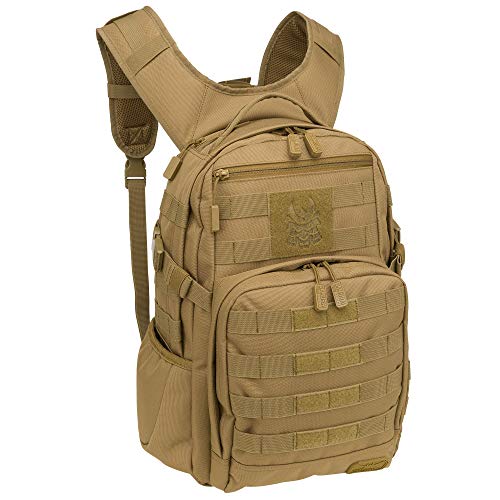
Fabric weight and weave density dictate how well a bag withstands continuous contact with rough surfaces. While extreme expedition gear might incorporate heavy-gauge nylon, quality everyday and tactical packs utilize balanced polyester blends to keep unladen tare weight manageable. Bags like the SAMURAI TACTICAL Wakizashi utilize dense polyester construction to balance rugged durability with nimble carry ergonomics. Inspecting the underside of exterior fabrics also reveals polyurethane or thermoplastic coatings designed to prevent water ingress through the material matrix.
Reinforcement Stitching and Stress Point Engineering
Stitching density represents one of the most critical indicators of long-term structural integrity in daily carry bags. High-stress junctions where shoulder straps connect to the main chassis require heavy bar-tacking or reinforced box-x stitching patterns. Standard single-line stitching quickly unravels when subjected to twenty pounds of books, laptops, and water bottles. Quality manufacturers reinforce top haul handles and lower anchor points with dense thread counts to distribute tensile forces across multiple fabric layers.
Internal seam finishing provides another clear indicator of manufacturing care and structural longevity. Raw, unfinished interior fabric edges tend to fray over time as items slide repeatedly against interior walls. Higher-grade designs bind internal seams with protective bias tape to prevent thread unraveling and fabric edge splitting. Examining the anchor points of external compression straps and grab handles reveals whether a manufacturer reinforced foundational stress areas.
Zipper Mechanics and Hardware Reliability
Zipper failures account for a substantial percentage of premature backpack retirements across campus and commuter environments. Quality packs incorporate heavy-gauge nylon coil zippers that flex smoothly around curved compartment contours without jamming or derailing. Coarser teeth resist bursting when compartments are packed to full capacity during extended commutes or multi-day travel. Utility-style cord pulls attached to metal sliders reduce mechanical strain on zipper heads and allow rapid access even while wearing winter gloves.
Hardware components like side compression buckles, strap adjusters, and sternum clips must withstand substantial lateral stress. Premium designs utilize tough polymer hardware that resists cracking during sub-zero winter commutes or accidental impacts against doorways. Compression buckles serve an important structural role by pulling packed weight closer to the wearer’s center of gravity. Relieving outward pressure on primary zipper tracks extends the operational lifespan of the entire closure system.
Ergonomic Shoulder Harness and Load Distribution
A well-engineered harness system separates comfortable daily workhorses from fatiguing, neck-straining bags. Ergonomic shoulder straps feature anatomical S-curve or contoured shaping that rests flat across the shoulders rather than pinching the trapezius muscles. High-density foam cores maintain cushioning structure over time, preventing the internal padding from packing out into thin, useless strips. Dual-density padding cushions collarbones while flexible outer webbing distributes lateral loads evenly across the upper torso.
Dispersing heavy gear across multiple anatomical contact points prevents localized lower back strain during long walking commutes. Adjustable sternum straps pull shoulder straps inward to prevent strap slippage while stabilizing the load across the sternum. Larger tactical designs, including expandable multi-day packs from ZSearARMY, incorporate adjustable chest belts and supplemental waist webbing to anchor heavy loads against the pelvis. While heavy trail expeditions often rely on rigid internal frame packs to carry massive loads, daily packs rely on smart strap geometry and supportive back sheets.
Back Panel Architecture and Commuter Ventilation
Carrying a loaded pack against your spine generates substantial body heat during brisk walks and humid summer transits. High-quality packs address thermal buildup by incorporating molded air channels and ventilated mesh back panels. Breathable spacer mesh elevates the pack body slightly away from the wearer’s spine, facilitating continuous convective airflow. Without functional air circulation, perspiration accumulates rapidly on clothing and causes uncomfortable friction against the lower back.
Structural back padding also acts as a vital protective barrier between your spine and hard internal contents. Laptops, tablet chargers, and hard-edged books can create uncomfortable pressure points if a pack features an unpadded back panel. Integrated foam back sheets distribute localized interior pressure evenly across the entire surface of the wearer’s back. Proper back panel construction ensures that an awkwardly packed power bank never pokes directly into your lumbar spine while commuting.
Dedicated Device Protection and Interior Compartments
Modern daily carry routines require secure, dedicated storage compartments for sensitive digital hardware. Quality commuter packs feature built-in padded laptop sleeves sized to accommodate common fourteen-inch or sixteen-inch device footprints. Bags such as the OMOUBOI commuter pack and GOLF QUALITY business models incorporate dedicated laptop compartments to isolate computers from loose office items. Proper sleeve padding shields delicate laptop corners and screen assemblies from minor drops and external transit bumps.
Organizational efficiency depends on thoughtful pocket layout rather than an excessive number of tiny, cramped dividers. Well-designed packs balance open main packing volume with secondary admin pockets for wallets, keys, and charging cords. Layered front compartments keep everyday essentials immediately accessible without requiring wearers to rummage through main storage cavities. Integrated rear luggage straps allow travelers to slide the pack securely over rolling suitcase handles during airport layovers.
Capacity Considerations and Volume Flexibility
Selecting the appropriate volume capacity ensures your backpack matches the physical demands of your daily schedule. Compact daypacks ranging from nineteen to twenty-four liters offer optimal nimbleness for students and corporate commuters carrying essential tech. The SAMURAI TACTICAL Wakizashi provides twenty-four liters of storage, offering ample room for daily work tools without excess bulk. Lightweight daypacks maintain a slim profile that navigates crowded subway cars and tight bus aisles without striking fellow passengers.
Certain operational environments demand substantial volume expansion to accommodate extra layers, athletic gear, or field equipment. Expandable multi-day packs can adjust their side depth from eight to thirteen inches via perimeter zippers, reaching capacities up to sixty-four liters. This expansion capability allows users to transition effortlessly from a manageable daily work pack to a full-sized travel bag. Sturdy lateral compression buckles secure internal contents tightly, preventing loose gear from shifting unpredictably when the pack is not completely full.
Modular Webbing and External Customization Systems
External attachment systems significantly broaden the functional versatility of tactical and outdoor daypacks. Integrated MOLLE webbing across front and side panels allows users to attach supplemental pouches, carabiners, and multi-tool sheaths. This modularity enables users to customize gear arrangements according to specific hiking, camping, or daily storage requirements. External attachment points also keep dirty trail items or damp rain jackets isolated from clean interior electronics.
While outdoor adventurers carrying chilled provisions might reach for dedicated insulated backpack coolers, standard daypacks utilize external attachment loops for quick-access accessories. Hook-and-loop panels provide convenient mounting surfaces for personalized identifier patches, medical emblems, and decorative insignia. Hook-and-loop backing creates a firm grip that resists snagging during active outdoor movements or crowded transit commutes. Having dedicated exterior attachment zones ensures that specialty tools remain within immediate reach without unzipping main compartments.
Hydration Routing and Exterior Bottle Retention
Maintaining convenient access to fluids represents an essential design consideration for active commuters and outdoor enthusiasts alike. Dedicated external side pockets should feature resilient elastic mesh or deep side walls to keep water bottles secure during brisk movement. Shallow or loose side pockets often allow tall bottles to tumble out onto pavement when the wearer bends forward to tie a shoe. Quality daypacks engineer pocket depth and retention tension to hold containers firmly in place.
Tactical and trail-ready designs frequently incorporate dedicated hydration bladder compartments with integrated hose routing ports. A discrete top port allows users to run a drinking tube directly over the shoulder strap for hands-free hydration during extended treks. The SAMURAI TACTICAL Wakizashi includes hydration reservoir compatibility to support outdoor treks and long fitness walks. Internal hanger loops keep water bladders suspended upright, preventing fluid reservoirs from slumping into the bottom of the main compartment.
Fabric Preservation, Cleaning, and Hardware Care
Proper cleaning techniques safeguard internal water-resistant coatings and extend the usable life of high-density synthetic fabrics. Machine washing with harsh laundry detergents and aggressive agitator cycles can strip protective polyurethane interior laminations and loosen taped seams. Hand-cleaning exterior stains with a soft-bristled brush, lukewarm water, and mild non-detergent soap preserves fabric integrity. Allowing the pack to air dry completely in a shaded, well-ventilated space prevents synthetic fibers and foam pads from degrading under high heat.
Periodic zipper maintenance prevents stubborn slider jams and protects delicate coil alignment from grit damage. Dust, dirt, and fine trail sand can accumulate inside zipper tracks, causing accelerated wear on internal slider teeth. Brushing out zipper teeth with a clean, dry toothbrush removes abrasive particulates before they cause mechanical derailment. Inspecting structural seams and re-tensioning loose strap webbing keeps your daily pack functioning reliably across years of demanding use.
Evaluating Build Quality for Your Personal Needs
Matching backpack specifications to your daily carry requirements ensures long-term comfort and optimal gear protection. Corporate commuters and university students benefit most from streamlined Oxford fabric designs featuring dedicated laptop sleeves, luggage trolley sleeves, and clean silhouettes. Field operators, weekend hikers, and tactical enthusiasts require high-density polyester shells, modular MOLLE webbing, and expandable volume compartments. Prioritizing reinforced stitching, reliable zippers, and contoured harness ergonomics ensures your investment delivers dependable performance wherever your daily routine leads.







Write Your Review
No reviews yet. Be the first to share your experience!