


Modern daily commuting often blurs the line between office transit and outdoor recreation, demanding a pack that handles tech storage without sacrificing trail comfort. When considering which osprey backpack should i get, your primary decision rests on how you balance dedicated laptop compartments against open gear volume. Bulky technical bags often look out of place in corporate environments, while flimsy casual sacks lack the lumbar support required for long walking transit. Comparing versatile everyday designs against simple budget trail packs reveals why specialized harness ergonomics and durable materials matter for daily routines.
Osprey builds distinct silhouettes tailored to specific carrying routines, ranging from streamlined commuter daypacks to expansive multi-day haulers. A properly sized pack protects delicate electronics with dedicated padded sleeves, manages heat through ventilated back panels, and stabilizes shifting cargo across your shoulders. Dialing in the right selection requires evaluating your everyday carry profile, torso length, and preferred loading configuration before making an investment. Understanding these engineering differences ensures your gear stays protected, organized, and balanced whether walking campus hallways or trekking local dirt paths.
Pros
- Seamlessly transitions between outdoor day hiking and everyday work or school carry
- Lightweight build at under 1.3 pounds keeps total base weight minimal
- AirScape backpanel promotes airflow and limits heat buildup against the back
- Functional pocket array includes quick-stash shove-it space and dedicated bottle pockets
Cons
- Padded tech sleeve is limited to compact laptops and tablets up to 14 inches
- Does not include an integrated rain cover for heavy precipitation
- Compact capacity and frameless design are not intended for heavy multi-day loads
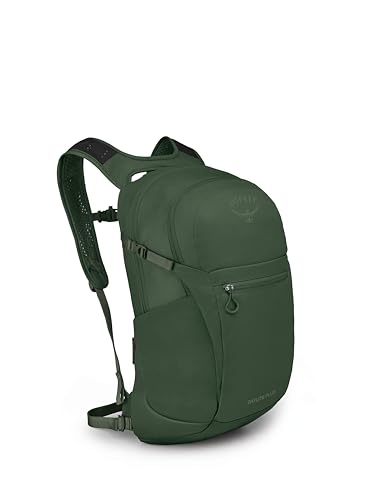
The Osprey Daylite Plus Commuter Backpack is a versatile, crossover daypack engineered for day hikers, daily commuters, and active travelers who need one dependable bag for trailheads and town. Featuring an overall footprint of 18.9 by 11 by 9.4 inches, this lightweight pack bridges the gap between a technical outdoor bag and a functional everyday carry pack. It serves day hikers navigating local nature trails, weekend travelers needing an efficient personal item, and commuters carrying essential tech and hydration on daily routes.
On day hikes and outdoor excursions, the pack focuses on balance and ventilation through Osprey's AirScape backpanel. This design holds the pack close to the torso while maintaining airflow channels across your back to help mitigate heat buildup during warm-weather outings. Weighing just 1.29 pounds, the minimal base weight helps keep your load light on short to medium trails. Hydration needs are handled via dual side mesh stretch pockets that hold standard water bottles, while the front stretch shove-it pocket gives you quick exterior access to an extra windbreaker or trail map without unzipping the main compartment.
Construction centers around sustainable durability, utilizing bluesign APPROVED 100 percent recycled polyester. This fabric choice balances daily scuff resistance with environmental responsibility, making it well-suited for repetitive everyday handling. Internal storage includes a dedicated padded sleeve designed to safeguard laptops or tablets up to 14 inches, alongside an organized front pocket complete with slots for smaller accessories, cords, and a secure key clip.
Packing and organizing gear in the Daylite Plus is intuitive due to its compartmentalized layout. Everyday commuters and hikers alike can separate electronics and flat gear in the padded sleeve while utilizing the main cavity for lunch, a midlayer, or light essentials. Trail-side handling remains simple with its streamlined harness configuration, and spot-cleaning the recycled polyester exterior with mild soap and water keeps the fabric maintained after dusty hikes or busy transit trips.
Realistic limitations should be kept in mind prior to hitting technical terrain. Because this pack is built with a compact, low-profile design, it is not structured to support heavy backpacking loads or bulky winter mountaineering equipment. The padded electronics sleeve maxes out at 14 inches, which will not accommodate larger 15-inch or 16-inch laptops. Additionally, the pack does not include an integrated rain cover, meaning users should pack dry sacks when hiking in prolonged or torrential downpours.
For shoppers seeking an adaptable, lightweight pack that moves effortlessly from campus or the office directly to scenic day hikes, the Osprey Daylite Plus delivers outstanding practical value. Its combination of breathable AirScape back ventilation, smart organization, and durable recycled materials makes it an easy recommendation for hikers who want a single, dependable pack for everyday life.
The interior architecture of the Osprey Daylite Plus balances outdoor gear capacity with daily electronic security. A built-in padded sleeve safely isolates laptops and tablets measuring up to 14 inches from other contents in the main compartment. For smaller personal items, the zippered front pocket provides structured slots for cords, pens, and an integrated key clip, preventing everyday carry items from sinking to the bottom.
External storage options make fast trail stops straightforward. The front stretch shove-it pouch allows you to quickly tuck away a discarded rain shell or fleece on the go, while dual side mesh stretch pockets keep water bottles within quick reach during steady hiking paces.
Carrying comfort in the Daylite Plus centers around Osprey's AirScape technology. This close-to-body backpanel incorporates foam ridges covered in breathable mesh to encourage steady airflow and help minimize back sweat during warm ascents.
With an empty weight of roughly 1.29 pounds, the pack avoids adding unnecessary bulk to your shoulders. The low-profile harness provides comfortable stability for light-to-moderate trail loads, keeping your gear centered whether you are walking forest loops, rushing through airport terminals, or biking around town.
Choosing the Right Osprey Backpack for Your Daily Routine and Trail Adventures
Selecting the best pack for your routine requires matching your gear volume to a comfortable, stable suspension system. Daily commuters, university students, and casual day hikers often need a single bag that transitions smoothly between office desks, crowded transit, and dirt trails. Examining how specific pack features handle tech protection, harness ergonomics, and gear access helps clarify which design fits your lifestyle. Understanding the real-world trade-offs between compact daypacks and larger multi-purpose bags ensures you invest in gear that supports your everyday carry demands.
Determining Your Primary Carrying Profile and Activity Demands
Your daily routine provides the most reliable blueprint for choosing the right pack silhouette. Urban commuters navigating busy trains or buses typically prioritize sleek profiles, quick-access exterior pockets, and dedicated tech storage for laptops and charging cables. University students frequently need broad main compartments that accommodate heavy textbooks, notebooks, and lunch containers alongside fragile digital hardware. Outdoor enthusiasts look for hydration reservoir compatibility, rugged exterior attachment points, and flexible shove-it pockets for packing extra trail layers.
Everyday carry profiles generally break down into minimalist, moderate, and expanded gear configurations. A minimalist packer carries only the essentials, such as a compact laptop or tablet, a standard water bottle, keys, and a wallet. Moderate carry routines add supplemental items like light outerwear, tech organizer pouches, and compact food containers. Heavy carry setups demand larger packing capacities to fit gym clothing, bulky footwear, or mobile workstation accessories without overstretching zipper tracks.
Evaluating Pack Capacity and Daily Volume Requirements
Storage capacity, expressed in liters, determines how effectively an interior compartment swallows your equipment without creating an awkward silhouette. Compact daypacks in the 15 to 20 liter range provide plenty of room for slim laptops, chargers, notebooks, and light personal gear. Mid-sized packs between 20 and 26 liters deliver extra space for bulkier items, making them suitable for full-day campus schedules or winter commutes requiring cold-weather layers. Large bags spanning 30 liters or more cater to one-bag airline travel or extended trail adventures where substantial gear is necessary.
External dimensions play an equally critical role in how practical a pack feels during daily transit. The Osprey Daylite Plus Commuter Backpack, Green OS features physical dimensions of 18.9 inches in height, 11 inches in width, and 9.4 inches in depth. These measurements allow the bag to slide easily under regional airline seats or fit neatly within crowded bus footwells. Choosing a bag with controlled exterior depth keeps heavy cargo positioned close to your back, preventing excessive rearward pull.
Understanding how exterior geometry interacts with internal packing space helps prevent common overpacking issues. When a backpack is packed to its absolute dimensional limit, the front panel bulges outward and places severe strain on zipper teeth. This bulging effect can push a bag past personal item sizer limits at airport boarding gates and make tight transit navigation cumbersome. Maintaining a balance between usable liter volume and external proportions ensures your pack remains easy to handle in crowded environments.
Laptop Protection and Internal Tech Compartment Architecture
Safeguarding sensitive digital hardware requires close attention to internal sleeve padding and pocket clearance. The Daylite Plus includes a dedicated padded sleeve designed to accommodate laptops up to 14 inches alongside a separate tablet pocket. This compartment keeps mobile devices upright and separated from loose gear stored within the main packing space. Users carrying 15-inch or 16-inch mobile workstations or thick ruggedized cases must verify device measurements, as oversized hardware can exceed internal tolerances.
Built-in admin organization panels further enhance everyday tech management by securing small cords, flash drives, and writing tools. Without dedicated interior organizers, delicate cables and chargers easily tangle at the bottom of the main cavity, making them frustrating to retrieve. Front slash compartments with secure key clips provide immediate access to essential pocket items without exposing tech gear to the elements. Balancing dedicated tech pockets against open cargo capacity ensures you have room for larger items like lunch containers or light jackets.
Harness Ergonomics, Backpanel Ventilation, and Weight Distribution
Harness ergonomics determine whether a backpack remains comfortable over hours of walking, biking, or public transit commuting. Contoured shoulder straps curve naturally over the collarbones and chest, dispersing downward pressure across the shoulder girdle rather than pinching nerve pathways. An integrated sternum strap connects the shoulder straps across your chest, stabilizing the load and preventing straps from slipping outward during brisk movement. Without this ergonomic contouring, carrying moderate tech loads can cause lingering neck and upper back strain.
Thermal management is another vital element of carrying comfort during humid summer commutes or active trail days. Osprey incorporates its AirScape backpanel system, which utilizes die-cut foam ridges covered with breathable mesh to promote consistent airflow. This close-to-body panel holds the pack stable against your back while creating open ventilation channels that help dissipate trapped heat and perspiration. While no backpanel design eliminates back sweat entirely, molded air channels significantly improve cooling performance compared to flat fabric backings.
Proper weight distribution also depends on maintaining structural pack stability relative to your torso. When a pack sags below your lumbar curve, the load pulls backward and forces your shoulders forward to compensate, contributing to lower back fatigue. Keeping the harness tensioned properly anchors the pack against your mid-back, aligning the cargo with your natural posture. A stable, close-fitting backpanel ensures that sudden movements on transit or uneven trail terrain do not throw you off balance.
Exterior Storage, Water Bottle Retention, and Quick-Access Pockets
External storage features provide convenient access to hydration and quick-grab essentials without forcing you to open the main zipper. Dual side mesh pockets allow users to slide water bottles, travel mugs, or compact umbrellas into place for fast roadside access. These elastic pockets easily accommodate standard 20- to 24-ounce bottles, though exceptionally wide 32-ounce insulated containers may require checking pocket elasticity and depth. Secure pocket tension prevents hydration bottles from slipping out when you bend over or jog across a crosswalk.
Front stretch shove-it pockets deliver valuable utility for unpredictable weather and changing activity levels. This flexible exterior pocket provides an ideal holding spot for a damp rain jacket, light windbreaker, or packable hat without soaking dry interior contents. The open design allows wet apparel to ventilate naturally while remaining accessible at a moment’s notice. Exterior compression straps cinch down over the shove-it pocket, locking bulky contents firmly against the body of the bag.
Fabric Durability, Recycled Materials, and Weather Resistance
Fabric construction dictates how well a daily pack resists scuffing, puncture damage, and general transit wear. The Osprey Daylite Plus Commuter Backpack, Green OS utilizes bluesign approved 100% recycled polyester construction engineered for long-lasting durability. This tightly woven polyester resists abrasion from concrete curbs, subway floors, and rough outdoor brush while minimizing environmental impact. Despite its durable weave, the pack maintains a lightweight unladen tare weight of just 1.29 pounds, keeping unnecessary bulk off your shoulders.
Weather resistance relies on treated synthetic yarns that shed light rain, road spray, and snow flurries. High-quality synthetic fabrics resist surface moisture, allowing droplets to roll off rather than soaking immediately into the weave. However, prolonged exposure to severe downpours can eventually seep through standard zipper coils and unsealed stitching. Packing sensitive digital gear in secondary protective sleeves or using an external rain cover provides dependable peace of mind during inclement weather commutes.
Long-term durability also depends on reinforcing critical stress points across the pack structure. High-stress areas, such as shoulder strap anchor points and top grab handles, require dense bar-tack stitching to prevent seam failure under heavy cargo loads. Tough polyester fabrics hold up remarkably well against daily friction, preventing tears from expanding across the main panels. Investing in quality materials ensures your backpack retains its shape and structural integrity across years of demanding everyday use.
Comparing Compact Daypacks to Heavy-Duty Trail Haulers
Commuters and outdoor enthusiasts often find themselves weighing lightweight multi-use daypacks against specialized expedition gear. Versatile daypacks excel in casual urban transit, office settings, and short day hikes where maneuverability and low tare weight are paramount. In contrast, heavy-duty outdoor packs like framed hiking backpacks utilize rigid perimeter wire stays and heavy lumbar belts to bear substantial backcountry loads. Choosing an overbuilt expedition pack for simple laptop commuting adds unnecessary weight and rigid hardware that feels clunky in tight spaces.
Feature specialization also varies considerably across different categories of outdoor and travel packs. Dedicated backcountry packs include trekking pole loops, ice axe attachments, and integrated compartments like trail cooler backpacks designed for trail hydration and food preservation. Everyday commuter packs focus instead on padded tech sleeves, cord organizers, and clean silhouettes that look polished in professional environments. Selecting a pack tailored to your dominant activity prevents paying for specialized trail attachments you may never use.
Proper Harness Adjustment and Torso Fit Verification
Achieving a balanced, comfortable backpack fit starts by properly loosening and adjusting all harness webbing straps. Slide your arms through the shoulder straps and pull the lower webbing adjusters downward until the pack settles smoothly against your upper back. Fasten the sternum strap across your mid-chest and slide the height adjuster so the strap rests approximately one inch below your collarbones. Proper strap tension pulls the bag close to your center of gravity, preventing backward sway that strains the upper spine.
Testing your backpack fit under a realistic cargo load reveals whether your adjustment settings are dialed in correctly. Load the main compartment with your standard laptop, water bottle, and daily gear before assessing how the straps rest across your shoulders. If you feel excessive pinching along the top of your trapezius muscles, the shoulder straps may be cinched too tightly or the sternum strap may be over-tensioned. Adjusting the straps gradually allows the contoured padding to conform evenly across your torso without creating pressure points.
Dynamic fit testing during movement ensures your backpack remains stable without restricting your natural stride. Walk around, climb a flight of stairs, and lean slightly forward to evaluate how the cargo shifts against your spine. A properly fitted harness prevents the pack from bouncing against your lower back or sliding off your shoulders during brisk walking. Taking time to fine-tune your harness geometry ensures all-day comfort whether commuting through transit hubs or navigating rocky trail inclines.
Maintaining Technical Fabrics and Preserving Zippers
Proper cleaning habits extend the working life of technical fabrics and protect internal water-resistant coatings. Over time, transit grime, body oils, and trail dust accumulate on exterior fabrics, degrading water repellency and causing unpleasant odors. Hand-clean your pack using lukewarm water, a mild non-detergent soap, and a soft nylon brush to spot-clean soiled panels. Avoid home washing machines and high-heat tumble dryers, as aggressive mechanical agitation and heat can peel internal polyurethane coatings and damage foam padding.
Preserving smooth zipper operation requires routine inspection and simple debris clearing along the coil tracks. Fine dust, sand, and pocket lint can lodge inside zipper sliders, increasing friction and causing zipper teeth to separate under tension. Brushing zipper teeth periodically with a soft toothbrush removes abrasive particles and restores effortless sliding motion. If slider movement feels sluggish, applying a specialized dry zipper lubricant keeps the hardware gliding smoothly without attracting dirt.
Final Selection Principles for Your Everyday Carry Setup
Deciding which pack to bring home ultimately comes down to your personal balance of capacity, device compatibility, and carrying comfort. If your routine calls for a compact, lightweight hauler that protects a 14-inch laptop and handles both work and weekend trails, a versatile daypack like the Daylite Plus is an exceptional match. Those who carry larger 16-inch laptops, heavy textbook loads, or multi-day travel clothing should look toward higher-capacity models designed for expansive gear hauling. Matching your unique daily cargo profile to the right harness geometry ensures every trip remains organized, balanced, and comfortable.







Write Your Review
No reviews yet. Be the first to share your experience!