


Navigating crowded airport concourses and long university hallways becomes exhausting when a heavy bag pulls directly against your shoulders and neck. Investing in a wheeled bag transfers that dense cargo weight directly to the floor, preserving physical energy during extended travel days or daily office commutes. For shoppers asking where can i buy rolling backpack models with dependable components, online marketplaces and specialized travel distributors offer the widest selection of versatile hybrid packs. Selecting a reliable model requires balancing smooth-gliding hardware with comfortable harness ergonomics, much like evaluating structured pack designs that stabilize substantial gear loads.
Modern rolling packs combine retractable aluminum handles and silent rubber wheels with concealed shoulder straps that deploy when stairs or uneven sidewalks appear. Manufacturers like Arcoyard and Ytonet now prioritize dual-purpose compartments that protect delicate electronics while fitting neatly within commercial airline carry-on guidelines. Understanding retailer shipping speeds, return guarantees, and exact dimensional limits helps buyers find the ideal wheeled companion without encountering transit delays. Exploring product specifications before making a purchase guarantees that your mobile workstation stays organized, balanced, and secure wherever your schedule leads.


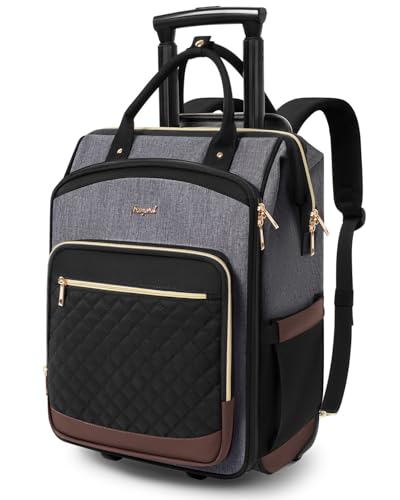

Where to Buy a Rolling Backpack and How to Choose the Right Model
Locating a reliable wheeled bag requires knowing which retail channels provide authentic gear, flexible return policies, and clear dimensional specifications. Whether you order directly through major online marketplaces or look for specialized luggage distributors, paying close attention to component engineering ensures you purchase a model that handles daily wear. The following breakdown explores top retail outlets alongside essential mechanical features to help you make an informed investment.
Evaluating Retail Channels and Online Marketplaces
Major e-commerce platforms represent the most convenient starting point for purchasing a hybrid wheeled pack. Marketplaces such as Amazon feature extensive storefronts for popular brands like Arcoyard and Ytonet, allowing prospective buyers to read detailed user feedback and examine real-world photos. These platforms frequently offer rapid dispatch and structured tracking, which is essential if you need luggage delivered before an upcoming business trip. In addition, customer inquiry sections clarify minor dimensional questions that product descriptions might overlook.
Direct brand storefronts and established luggage retailers provide an alternative route for buyers seeking specialized customer service. Ordering through official storefronts often simplifies warranty claims and after-sales support, especially if replacement parts like wheel assemblies or handle brackets become necessary down the road. Some buyers also cross-reference general outdoor outlets, comparing rolling models against budget backpack options to see how standard daypacks compare in value and load-bearing capacity. Reviewing vendor credentials helps ensure that you receive authentic merchandise backed by reliable warranty terms.
Brick-and-mortar department stores and travel shops provide the distinct advantage of physical inspection before purchase. Handling the bag in person allows you to extend the telescopic handle, test the smoothness of the zipper coils, and examine strap padding thickness firsthand. However, physical retailers frequently carry a restricted inventory compared to online catalogs, which offer a far broader spectrum of storage capacities and color options. Most modern buyers leverage online platforms for variety while relying on detailed spec sheets to confirm mechanical quality.
Verifying Airline Sizing and Under-Seat Clearance
Airline dimensional compliance is a major consideration when shopping for a rolling travel bag. Domestic airlines typically restrict personal item footprints to approximately 18 x 14 x 8 inches, though specific carrier thresholds can vary slightly. Models like the Ytonet rolling pack, measuring 17.2 x 13.2 x 7.5 inches, or the Arcoyard wheeled pack at 18 x 13.4 x 8 inches, are specifically tailored to align with these common personal item guidelines. Selecting a bag that adheres to these dimensions allows travelers to avoid unnecessary baggage fees at departure gates.
Fitting a wheeled backpack beneath an airplane seat requires accounting for the rigid hardware along the base and back panel. Unlike frameless daypacks that compress easily, rolling bags possess rigid wheel housings and internal aluminum trolley channels that cannot squeeze into undersized sizer boxes. Regional commuter jets often feature narrower footwells, and under-seat electronics boxes can obstruct packing clearance on specific seating configurations. Checking your aircraft type and measuring external dimensions, including handles and wheels, avoids last-minute gate-check surprises.
Overhead bin placement offers a more generous alternative when traveling on standard narrow-body aircraft. A wheeled pack under 18 inches in height slides effortlessly into overhead bins, leaving ample foot space during long cross-country flights. When packing for multi-day trips, keeping the outer profile streamlined ensures the bag slides into bins wheels-first without snagging on adjacent luggage. Verifying that the pack includes a rear luggage trolley sleeve also allows you to dock it securely onto a larger rolling suitcase when managing multiple bags.
Retractable Handle Systems and Wheel Hardware Engineering
The telescopic handle represents the core mechanical component of any rolling pack and warrants careful review during your search. High-grade models utilize multi-stage aluminum alloy tubes that provide rigid lateral support while maintaining a manageable overall weight. Flimsy single-pole handles or loose plastic channels tend to bend under heavy gear loads, making navigation through busy terminals cumbersome. A dependable push-button locking mechanism allows the handle to extend and retract smoothly without sticking or jamming midway.
Wheel composition directly dictates rolling smoothness and acoustic noise levels across varied floor surfaces. Premium models incorporate silent rubber wheels that glide quietly over polished airport floors, tile corridors, and sidewalk expansion joints. Hard plastic casters often vibrate intensely and generate harsh rattling noises that quickly become irritating during early morning commutes. Rubber compounds absorb light surface vibrations, protecting internal contents from excessive shaking while providing dependable traction over outdoor walkways.
Wheel positioning and housing clearance also play vital roles in overall stability and pack longevity. Corner-mounted wheels set at a wide stance lower the bag center of gravity, preventing it from tipping sideways when taking sharp turns around corners. Integrated bottom skids and reinforced wheel guards shield the lower polyester seams from scrapes when rolling over curbs or uneven asphalt. Ensuring that the bag maintains sufficient clearance beneath the base keeps the fabric elevated away from puddle moisture and ground debris.
Laptop Sleeve Dimensions and Tech Device Protection
Commuters and university students rely on rolling bags to transport fragile tech equipment safely. Product descriptions typically specify maximum screen sizes, with compact options accommodating 14-inch laptops and larger versions fitting standard 15.6-inch machines. When purchasing online, check the physical dimensions of your device against the manufacturer sleeve tolerances, particularly if you use a bulky protective bumper. An independent padded compartment isolates your computer from loose notebooks, power adapters, and personal travel essentials.
Impact protection at the base of the sleeve is critical because rolling packs encounter repeated floor contact. Quality wheeled packs incorporate thick foam padding or a suspended bottom margin that stops the computer from hitting hard tile directly when set down. Without sufficient base clearance, repeated impacts can damage delicate screen corners and laptop chassis over extended periods. Lockable zipper sliders on the tech compartment provide an extra layer of security, keeping valuable devices safe in public study areas or transit terminals.
A flat-lay 180-degree opening design enhances convenience during airport security screenings. This layout allows the laptop section to lay completely flat on the conveyor belt without forcing you to unpack cords and accessories. Dedicated neoprene slots, mesh cable pockets, and transparent document pouches keep power banks and chargers neatly arranged alongside your computer. Organizing sensitive electronics in designated compartments preserves work efficiency while preventing loose accessories from rattling against laptop surfaces.
Harness Ergonomics and Convertible Carry Modes
A versatile hybrid backpack must transition seamlessly from rolling mode to traditional shoulder carry. When walking across gravel paths, steep stairs, or crowded subway platforms, dragging a wheeled bag becomes impractical. Quality models feature hidden shoulder straps that stow neatly inside a zippered rear compartment when not in use, keeping straps off wet floors. Deploying the straps takes only seconds, allowing you to sling the pack over your shoulders without leaving loose webbing dangling around the wheels.
Back panel padding serves two essential functions on a convertible wheeled backpack. First, thick multi-layer foam buffers your lumbar spine and shoulder blades against the rigid internal aluminum handle channels. Without dense padding, the metal frame can press uncomfortably against your back, causing rapid fatigue during long walks across campus. Second, an integrated wheel cover or extended back flap shields your clothing from dirt and road grime that accumulates on the rubber wheels during transit.
Ergonomic strap contouring ensures that heavy textbook or tech loads remain balanced across your shoulders. Wide, contoured straps distribute downward pressure across the trapezius muscles rather than digging directly into narrow pressure points. Although rolling packs carry more tare weight than frameless daypacks due to their wheels and handle, well-padded straps make brief carrying manageable. Buyers prioritizing dual-mode functionality should verify that the harness tuck-away system operates smoothly before committing to a purchase.
Internal Storage Capacity and Compartment Architecture
Selecting the appropriate storage volume depends on whether you plan to use the pack for daily commuting or weekend travel. Bags with a 30-liter capacity provide sufficient internal volume to house two to three days of clothing alongside essential work gear. Divided packing zones help separate clean garments from charging cables, toiletries, and reading materials. Some travelers even compare these organized internal layouts to insulated gear backpacks when assessing how structured dividers keep specific items partitioned and easily accessible.
Top-opening vertical access combines the ease of a conventional backpack with the deep storage of a roller bag. This orientation lets you reach inside the main compartment to retrieve a light jacket or notebook without unzipping the entire bag on the floor. For longer overnight trips, horizontal clamshell packing mimics traditional luggage, allowing you to lay clothing flat and secure garments with internal tie-down straps. Having both access styles in a single design gives travelers flexible packing options for diverse itineraries.
Dedicated utility compartments prevent minor packing mishaps from ruining expensive tech gear or travel paperwork. Waterproof internal pouches isolate travel-sized toiletries, shampoo bottles, and cosmetics from the main dry storage cavity. Removable organizational organizers or separate accessory pouches keep cosmetic brushes and electronic adapters sorted in individual sleeves. Multiple exterior zipper pockets ensure that keys, boarding passes, and identification remain within immediate reach without digging through deep interior packing cubes.
Fabric Construction, Weather Resistance, and Hardware Durability
Exterior fabric composition determines how well a rolling backpack withstands the abrasive friction of frequent transit. High-density polyester materials provide excellent tear resistance, shielding the pack from abrasions caused by curbs, overhead bin edges, and trunk corners. Water-resistant surface treatments shed light rain and accidental splashes, keeping internal documents dry during sudden downpours. Inspecting product specifications for dense weaves ensures that the fabric retains its structural integrity through years of demanding travel.
Zipper quality is another critical indicator of overall bag construction and long-term reliability. Smooth-running zipper tracks equipped with sturdy metal sliders resist splitting under lateral tension when the main compartment is fully packed. Lockable zipper pulls on both the main cavity and laptop sleeve offer essential security, deterring pickpockets in crowded transit terminals. Reinforced bar-tack stitching at high-stress junctures, such as the top carry handle and strap anchors, prevents premature seam failure.
Proper cleaning and routine maintenance preserve the weather-resistant coatings and mechanical components over time. Coated polyester fabrics should be spot-cleaned using lukewarm water, mild non-detergent soap, and a soft cloth rather than machine washing. Submerging a wheeled pack or using harsh detergents can degrade water-repellent coatings and wash away lubricants inside the wheel bearings. Storing the bag upright in a dry environment prevents mold growth and keeps telescopic handle channels functioning smoothly.
Pre-Purchase Inspection and Verification Guidelines
Before finalizing an online order, buyers should review the seller return policies and warranty coverage details. Reputable sellers provide straightforward return windows that give you sufficient time to inspect the bag thoroughly upon arrival. Checking whether the manufacturer provides dedicated customer service or lifetime after-sales support ensures assistance if hardware defects occur. Keeping original tags and packaging intact during initial home testing preserves your eligibility for hassle-free returns or exchanges.
Once your new rolling backpack arrives, conducting a step-by-step physical inspection confirms that all components function properly. Extend the aluminum telescopic handle several times to ensure it locks securely at each height setting without wobbling excessively. Roll the bag across different surfaces, such as hardwood, carpet, and pavement, to verify that both rubber wheels spin quietly and freely. Test all interior and exterior zippers along their entire tracks to confirm that no teeth stick or pull apart.
Finally, load the backpack with your typical daily gear to evaluate its balance, upright stability, and convertible harness comfort. Ensure that the bag stands upright on flat ground without tipping forward when your laptop and accessories are loaded inside. Try on the shoulder straps with the weight distributed to confirm that the back padding adequately shields your spine from the internal frame. Taking time to verify these essential details guarantees that your chosen rolling backpack will deliver reliable performance across every upcoming journey.






Write Your Review
No reviews yet. Be the first to share your experience!