


Carrying heavy textbooks, tech accessories, and mobile workstations through sprawling airport terminals or across college campuses places punishing strain on the shoulders and spine. Traditional shoulder straps can dig into collarbones during extended transit, making wheeled alternatives an attractive solution for daily commuters and travelers alike. When deciding where to buy roller backpacks, identifying retailers and online platforms that stock durable wheel assemblies and sturdy telescoping handles is essential for long-term reliability. Exploring well-constructed designs helps commuters avoid fragile plastic components that fail after minimal outdoor mileage, whether you are comparing specialized luggage stores or browsing trusted online marketplaces.
Modern rolling designs bridge the gap between traditional luggage cases and versatile daypacks by pairing hideaway shoulder harnesses with high-density polyester fabrics and padded tech sleeves. While shoppers often explore budget backpack options for straightforward trail days, purchasing a hybrid wheeled bag requires closer scrutiny of axle geometry, handle stability, and airline under-seat dimensional compliance. Top retailers and direct brand channels carry specialized models from recognized manufacturers like AUROTIER, Ytonet, and J World New York that integrate smooth-rolling rubber wheels with water-resistant exteriors. Choosing the right purchasing platform ensures you receive dependable warranty coverage, authentic hardware, and responsive post-purchase customer support for daily peace of mind.

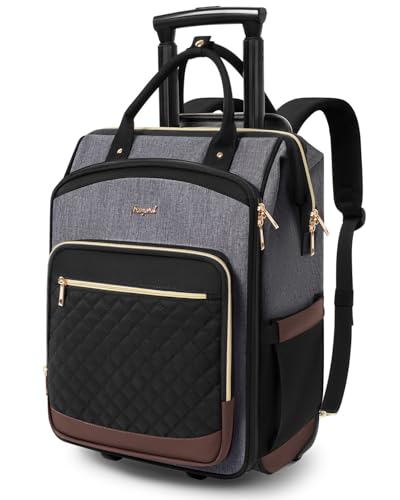


Wheeled Backpack Sourcing, Hardware Integrity, and Selection Guide
Finding a dependable wheeled bag requires navigating multiple retail channels while evaluating critical hardware components that distinguish durable travel gear from fragile luggage. Whether you purchase from global digital marketplaces, dedicated outdoor retailers, or specialty school suppliers, knowing what specifications to inspect ensures your investment holds up under rigorous daily transit. Rolling packs endure unique mechanical stresses along their base frames, wheel housings, and telescoping handles that standard backpacks never encounter. Understanding retail inventory, warranty backing, and build specifications empowers buyers to make an informed decision that balances transit mobility with daily comfort.
Evaluating Primary Retail Channels and Online Marketplaces
Major e-commerce marketplaces like Amazon serve as primary hubs for roller backpacks, offering the widest selection of commuter, student, and travel models from brands such as Ytonet, AUROTIER, and Arcoyard. These platforms provide customer feedback, dimensional breakdowns, and fast fulfillment services that streamline the procurement process. However, buyers must pay close attention to verified merchant listings to ensure authentic hardware and accurate factory warranties. High customer turnover on major sites also allows prospective owners to inspect customer photos and identify real-world dimensional clearance under varied transit conditions.
Big-box department stores and office supply chains offer another viable route, frequently carrying commercial commuter bags and student roller packs during peak back-to-school cycles. Visiting physical storefronts provides the tangible benefit of testing handle extension smoothness and wheel roll resistance in person before committing to a purchase. Conversely, brick-and-mortar selections tend to feature limited colorways and fewer niche tactical or outdoor variants compared to large online catalogs. Balancing the convenience of home delivery against the certainty of physical inspection remains a primary consideration when choosing your shopping channel.
Direct Manufacturer Platforms Versus Multi-Brand Retailers
Purchasing directly through official brand storefronts provides distinct advantages regarding product authenticity, up-to-date model iterations, and dedicated customer care. Established luggage makers like J World New York maintain specialized digital outlets where buyers can browse complete model lines, replacement wheel kits, and custom accessories. Direct channels often provide clearer insight into warranty claims, handle repairs, and technical specifications that third-party resellers might mislabel or condense. If you prioritize long-term component availability and factory repair support, buying straight from the manufacturer represents a safe investment path.
Multi-brand specialty travel retailers aggregate products across varying tiers, enabling side-by-side specification comparisons between lightweight student options and structured business travel bags. These retailers curate their catalogs based on build quality, frequently filtering out lower-tier bags that suffer from weak zippers or wobbly handles. While third-party specialty retailers might carry higher retail markdowns or promotional sales, shipping timeframes can vary compared to logistics giants. Deciding between direct factory outlets and multi-brand retailers often hinges on whether you need brand-specific replacement parts or broad catalog comparisons.
Assessing Wheel Quality and Axle Architecture Before Ordering
The operational lifespan of any roller backpack depends heavily on the materials and engineering behind its wheel assembly. High-grade models utilize silent rubber wheels or polyurethane rollers mounted on reinforced metal axles to absorb vibrations from rough asphalt and cracked pavement. In contrast, rigid plastic wheels generate excessive rolling noise and remain prone to chipping, flat spots, or sudden cracking under heavy textbook loads. Inspecting listing photos for recessed wheel wells and protective corner guards helps identify packs designed to endure curb impacts and stair strikes without fracturing.
Wheelbase width and chassis clearance also dictate how stable the pack remains when turning corners or navigating high-speed terminal sprints. Wide-set dual wheels, such as those found on the FTJCF detachable roller pack, provide superior tracking stability that prevents the bag from flipping onto its side on uneven surfaces. Detachable wheel bases offer modular flexibility, allowing users to remove the entire rolling chassis when traveling through locations with strict carry restrictions. Checking whether replacement wheel assemblies are standard or proprietary can save your pack from premature retirement if a roller wears down over years of use.
Telescoping Handle Durability and Dual-Pole Versus Single-Tube Rods
Telescoping handles experience continuous rotational torque and pulling tension, making structural handle materials a vital inspection point when shopping online. Dual-pole aluminum alloy handles, featured prominently on AUROTIER and Arcoyard models, distribute lateral pulling forces evenly across two parallel tracks to minimize joint wobble. Single-tube designs, like those found on the J World Sunny collection, reduce unladen weight and provide simple multi-stage height adjustment suitable for younger students or minimalist commuters. Buyers should look for aluminum construction over hollow steel, as aluminum resists corrosion from puddle splashes while maintaining structural rigidity.
Multi-stage push-button locking mechanisms allow commuters of different heights to adjust handle extension to an ergonomic angle that prevents heel strikes while walking. A handle that fails to lock securely into place can collapse unexpectedly under heavy loads, creating dangerous balance shifts during transit. Furthermore, internal handle housings must be integrated seamlessly along the back panel without severely encroaching into the main storage cavity. Reading customer reports regarding handle play, button engagement, and retraction smoothness provides reliable clues regarding internal joint tolerance before you purchase.
Laptop Compartment Suspension and Device Compatibility
Commuters and students utilizing roller backpacks require dedicated electronic protection that shields fragile laptops from ground vibrations and accidental drops. Quality rolling packs incorporate independent, padded sleeves designed to secure devices measuring from 14 inches up to 16 inches, as seen in Ytonet and AUROTIER designs. A critical structural feature to verify is a suspended false-bottom layout, where the bottom seam of the laptop sleeve rests at least an inch above the bag’s rigid baseboard. Without a suspended false bottom, setting the pack down heavily on tile or concrete transmits direct impact shock into delicate screen corners and internal circuitry.
TSA-friendly 180-degree lay-flat openings streamline security screenings by allowing electronics to pass through x-ray checkpoints without requiring complete removal from the bag. Lockable zipper sliders on tech compartments add an extra layer of physical security, preventing unauthorized access in crowded commuter trains or shared campus study areas. When evaluating product listings, ensure that manufacturer laptop measurements account for total chassis thickness rather than screen diagonal dimensions alone. Bulky mobile workstations or gaming laptops enclosed in thick protective shells often require larger compartment clearance than sleek ultrabooks.
Airline Under-Seat and Overhead Bin Dimensional Compliance
Navigating commercial air travel with a rolling pack requires strict attention to exterior dimensional profiles, including external wheel protrusion and handle housings. Standard domestic carry-on limits generally cap exterior dimensions at 22 by 14 by 9 inches, a threshold easily satisfied by models like the Arcoyard 18-inch roller. However, flyers aiming to stow their pack as an under-seat personal item must adhere to tighter restrictions, typically around 18 by 14 by 8 inches or smaller. Because wheels and top grab handles add two to three inches to overall bag height, uncompressed measurements must be calculated including all exterior hardware.
Regional aircraft and budget airlines frequently utilize smaller baggage sizer boxes at boarding gates, leaving zero margin for rigid exterior frames. Soft-sided polyester or puffer fabric exteriors, such as the AUROTIER puffer model, offer slight compressibility when navigating tight under-seat footwells obstructed by entertainment electronics. Dual-opening compartments allow travelers to access essential travel documents, headphones, or medication from the top opening without pulling the entire bag out from beneath the forward seat. Confirming external dimensions directly against your preferred airline carrier regulations prevents unexpected gate-check baggage fees.
Fabric Construction, Water Resistance, and Base Reinforcement
Exterior textiles face severe abrasion from roadside curbs, wet crosswalk slush, and dirty luggage carousel belts, demanding rugged fabric specifications. Manufacturers frequently rely on high-density Oxford fabric or tightly woven polyester treated with water-resistant surface coatings to repel light rain and accidental liquid spills. While high-denier textiles provide exceptional tear resistance, the underside of the backpack requires specific armored reinforcement to withstand ground clearance friction. Molded kick plates, rubberized bumper corners, and elevated bottom skids keep the lower fabric panels elevated above damp pavement and abrasive asphalt.
Seam integrity around high-stress transition zones, particularly where the fabric connects to the wheel frame and telescoping handle base, must feature reinforced bar-tack stitching. Coated fabrics protect internal electronics from sudden downpours, but zipper tracks can allow water ingress if left unshielded by storm flaps or water-repellent laminates. When examining online listings, look for clear imagery showing heavy-duty coil zippers and weather-resistant zipper covers around the main compartments. Maintaining fabric longevity involves wiping down dirty panels with lukewarm water and a soft cloth while avoiding harsh laundry detergents that break down internal moisture barriers.
Stowable Shoulder Straps and Weight Distribution Trade-Offs
The defining appeal of a convertible roller backpack lies in its dual-mode versatility, allowing users to switch between ground rolling and shoulder carry in seconds. When traversing flights of stairs, muddy paths, or crowded transit terminals where wheels cannot roll freely, deploying hidden padded shoulder straps becomes necessary. Unlike traditional internal frame backpacks that rely on rigid internal stays and wide hip belts to transfer substantial loads onto the pelvic girdle, rolling packs must balance harness ergonomics against internal handle architecture. Thick breathable air-mesh padding on straps helps cushion collarbones, while rear fabric flaps protect clothing from dirty wheels when the pack rests against your back.
Stowable harness designs tuck straps securely into dedicated zippered back pockets when rolling mode is active, preventing loose webbing from snagging inside moving wheel hubs. An integrated rear luggage trolley strap provides another hands-free carrying mode by allowing the pack to slide securely over the handle of larger rolling suitcases. Buyers should note that internal handle hardware and wheel brackets inherently increase the tare weight of rolling backpacks compared to standard daypacks. Packing denser items closer to the internal handle rods keeps the center of gravity stable, reducing torque against your wrist during rolling and easing spinal balance during shoulder carry.
Detachable Trolley Systems Versus Integrated Wheel Bases
Choosing between an integrated rolling chassis and a detachable trolley frame fundamentally impacts pack versatility, maintenance flexibility, and storage footprint. Integrated designs, common in professional commuter bags like Ytonet and Arcoyard, incorporate the wheels and telescoping handle directly into the fabric chassis for a seamless, professional profile. This permanent architecture delivers superior structural rigidity and prevents the bag from shifting or wobbling relative to its rolling base during fast-paced walking. The primary limitation of integrated frames is that damaged wheel housings or bent handles cannot easily be swapped out without replacing the entire bag.
Detachable trolley systems, such as those utilized on Bansusu and FTJCF youth models, strap a standard daypack onto an independent rolling platform equipped with fold-flat bases. This modular approach allows users to unclip the backpack entirely for lightweight campus use when rolling hardware is unnecessary, effectively providing two distinct bags in one purchase. Detachable bases also simplify maintenance, as damaged rolling platforms can be replaced independently without discarding the intact fabric bag. However, external straps and plastic attachment buckles can add visual bulk and require periodic tensioning to prevent the backpack from sagging forward off the trolley deck.
Return Policies, Warranty Verification, and Practical Purchase Steps
Because mechanical components like wheel bearings, telescoping slides, and zipper tracks can exhibit manufacturing variations, reviewing vendor return policies before ordering is critical. Reputable e-commerce platforms and verified brand outlets offer thirty-day return windows that allow buyers to load their actual gear and test handle stability across domestic flooring. Checking whether the manufacturer provides multi-year warranty coverage against broken handles or split seams ensures long-term protection against unexpected structural failures. Responsive after-sales customer service channels, such as those highlighted by Arcoyard, provide valuable assistance if replacement parts or hardware adjustments are required.
Before finalizing your purchase on any retail website, perform a comprehensive specification check against your daily carrying demands. Measure your laptop chassis diagonally and across its width, comparing those figures to the padded sleeve dimensions published in the product specifications. Verify that external linear dimensions align with your daily transit lockers, office desk cubbies, or preferred airline personal item guidelines. Taking these methodical steps ensures that your chosen roller backpack delivers effortless gliding performance, robust electronic protection, and ergonomic versatility across years of daily use.
Selecting the ideal shopping destination and model ultimately comes down to matching your transit environment with durable wheel hardware, stable telescoping handles, and responsive warranty coverage. By inspecting recessed rubber wheels, multi-stage aluminum handles, and suspended tech sleeves across verified online marketplaces and specialty brand storefronts, you can secure a rolling pack that eliminates carrying fatigue while keeping your daily essentials organized and secure.







Write Your Review
No reviews yet. Be the first to share your experience!