


Carrying heavy textbooks, binders, and delicate electronics across campus puts noticeable pressure on a student’s posture and daily routine. When books shift loosely inside an unpadded bag, thin shoulder straps dig into collarbones and fragile laptop corners hit classroom floors without protection. Understanding how to choose a backpack for school requires looking past surface styling and examining structural support, internal device sleeves, and balanced cargo distribution. Families seeking reliable everyday carriers can often find capable budget-friendly backpack options that offer practical storage compartments without unnecessary complexity.
A well-designed school pack must withstand daily locker friction, crowded hallways, and unpredictable weather throughout the academic year. Selecting the right volume ensures that folders lay flat without bent corners, while dedicated side pockets keep water bottles from tumbling onto transit floors. Evaluating fabric resilience, strap cushioning, and grade-appropriate dimensions helps students navigate long school days comfortably and securely. Taking time to assess these physical features prevents mid-year bag failures and ensures gear remains organized from the first bell to the final commute home.




Essential Principles for Evaluating Student Backpacks
Selecting an academic daypack involves balancing physical body proportions, daily cargo requirements, and protective hardware features. An oversized pack pulls a young student backward and strains the lower spine, while an undersized bag forces binders to bend and leaves delicate laptops vulnerable to corner impacts. A structured evaluation focuses on torso dimensions, protective tech compartments, ergonomic strap engineering, and abrasion-resistant fabrics. By examining these core elements systematically, buyers can identify a bag that supports healthy posture while keeping coursework organized throughout the school year.
Matching Pack Dimensions and Liter Capacity to Grade Level
Younger students in preschool and early elementary grades require compact pack silhouettes that match their shorter torso lengths. Compact designs like the Trail maker 15 Inch Backpack for Kids, Preschool provide roughly fifteen inches of vertical height, which accommodates standard folders and lunch containers without extending past a child’s lower back. When a pack hangs below the waistline, the center of gravity shifts outward and forces children to lean forward awkwardly during morning walks. Keeping the total height around fifteen inches and the internal volume scaled down prevents excessive loading while still leaving room for daily art projects and lightweight tablets.
Transitioning into upper elementary and middle school brings heavier three-ring binders, larger library books, and physical education uniforms that require increased interior volume. Bags in the seventeen to eighteen inch range, such as the Peenstar School Backpack for Middle School Teen Boys, provide approximately twenty-eight liters of capacity to handle these expanding curriculum loads. This size tier easily holds standard notebooks alongside lunchboxes and tech gear without straining seam stitching or bulging outward excessively. Parents should look for multi-compartment layouts in this volume bracket so dense items stay centered against the back panel rather than sagging toward the bottom.
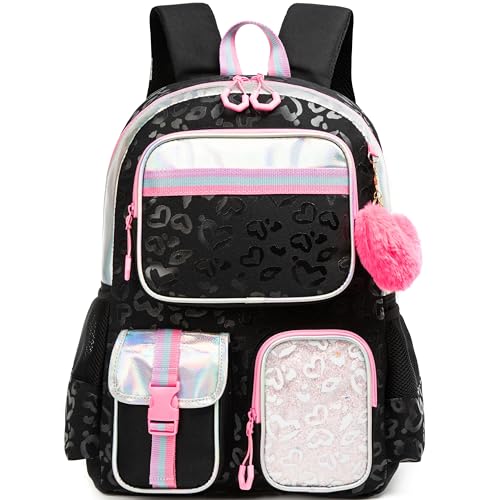
High school and collegiate schedules demand substantial capacity to carry thick textbooks, tech accessories, and personal essentials across campus. Options like the FIORETTO School Backpack for Teen Girls & Women offer choices between twenty-five and thirty-five liters, allowing students to match their pack volume directly to their specific daily course load. A twenty-five liter pack typically houses a standard laptop and several notebooks, whereas a thirty-five liter version accommodates larger seventeen-inch machines, bulky science manuals, and spare athletic apparel. Selecting the proper volume bracket prevents students from over-stuffing zipper tracks while maintaining a streamlined exterior profile on crowded buses and commuter trains.
Evaluating Dedicated Laptop and Tablet Protection
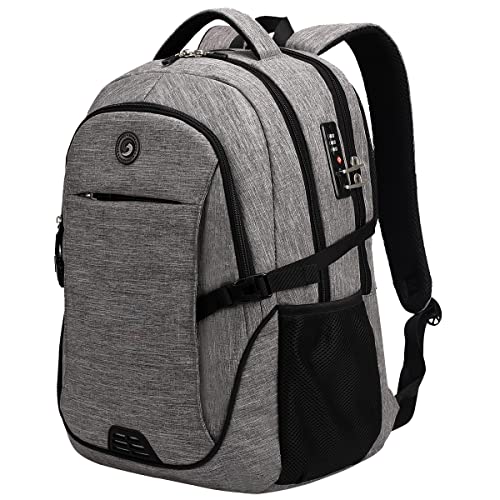
Modern classrooms rely heavily on digital devices, making dedicated device sleeves a critical consideration when choosing school bags. Manufacturers design sleeves to fit specific screen dimensions, ranging from compact thirteen-inch tablets to expansive seventeen-inch workstation chassis. For instance, the SHRRADOO Travel Laptop Backpack for Men Women features a dedicated compartment tailored for laptops up to 16.3 inches, while the FIORETTO school bag accommodates machines up to 15.6 or 17.3 inches depending on the chosen size. Buyers should always verify that their specific device, including any external protective snap-on case, fits comfortably inside the designated sleeve without forcing the zipper tracks.
Device safety extends beyond simple pocket width to include protective cushioning and base impact defense. Quality laptop sleeves incorporate shock-absorbing foam padding along the front and rear panels to insulate electronics from books shifting inside the main compartment. Several models, including the Peenstar middle school pack, feature soft internal linings designed to resist scratching during quick classroom transitions. An ideal sleeve construction keeps the computer snug against the user’s spine, stabilizing the device and preventing expensive screen cracking if the backpack is set down firmly onto classroom tile.
Harness Ergonomics, Shoulder Straps, and Load Stabilization
Shoulder straps serve as the primary contact point between the backpack cargo and the student’s body throughout the day. Ergonomically contoured straps, such as the S-shaped padded designs found on the SHRRADOO travel backpack, follow the natural curves of the neck and chest to prevent pinpoint pressure over the trapezius muscles. High-density sponge or dual-layer foam padding distributes heavy loads across a wider surface area, reducing shoulder numbness during extended walking commutes. Narrow or unpadded straps tend to roll inward under heavy loads, pinching sensitive nerves and encouraging poor spinal alignment over time.
Chest buckles and sternum straps provide vital load stabilization by pulling the shoulder straps inward toward the sternum. Designs like the Meetbelify Cute Black School Backpack For Girls and the SHRRADOO pack integrate adjustable chest straps to stabilize the center of gravity and keep shoulder pads from slipping off narrower shoulders. Much like the load stabilization mechanisms found on internal frame backpack systems, a secure chest strap keeps the bag centered against the torso during sudden movement or brisk walking between classes. Fastening this strap helps transfer a fraction of the downward pull across the chest, relieving direct strain on the upper back and neck.
Back panel construction significantly influences carrying comfort, especially during warm weather commutes and brisk walks across expansive campuses. Padded mesh panels with integrated air channels allow ambient airflow between the student’s shirt and the rear pack wall, helping dissipate accumulated body heat. Products such as the SHRRADOO backpack incorporate breathable mesh padding across the lumbar region and shoulder blades to provide cushioning while venting perspiration. A flat, unpadded nylon back panel traps heat and sweat against clothing, leading to dampness and uncomfortable chafing during prolonged wear.
Fabric Resilience, Seams, and Weather Resistance
School backpacks encounter constant abrasive contact against concrete walkways, rough locker interiors, and desk corners. Most student packs utilize durable woven synthetic textiles, with polyester and nylon representing the most popular material choices. The Peenstar backpack uses scratch-resistant synthetic fabric designed for daily durability, while the FIORETTO bag incorporates tear-resistant nylon to resist snags and surface scuffs. Nylon generally provides superior tensile strength and flexibility relative to weight, while dense polyester offers excellent structural stability and color retention under daily exposure to sunlight.
Unpredictable rain showers can quickly ruin paper notebooks, textbooks, and expensive electronic tablets if a pack lacks moisture protection. Water-resistant coatings applied to exterior nylon or polyester fabrics shed light rain and splashes, keeping interior items protected during brief outdoor transits. Manufacturer specifications for bags like the FIORETTO and Peenstar models highlight water-resistant surface treatments that cause liquid to bead rather than immediately soak into fabric yarns. While standard student packs are not submersible, a water-resistant exterior provides essential defense against puddles, wet cafeteria tables, and sudden drizzle between classes.
Hardware failure represents one of the most common reasons student backpacks are retired before the school year concludes. High-quality packs feature smooth dual-track zippers with durable pull tabs, such as the double zippers on the Trail maker Classic 17 inch Backpacks, allowing easy access from either side of the bag. Reinforced bar-tack stitching at high-stress junctions, including the top haul handle and upper shoulder strap anchors, prevents seam tearing when students lift heavily packed bags from the floor. Checking that zipper tracks operate smoothly without snagging on interior seam tape ensures reliable daily operation throughout the school term.
Interior Pocket Layout Versus Open Packing Volume
Efficient compartment architecture separates writing utensils, tech accessories, and small personal gear from bulkier classroom books. Front organizer compartments equipped with dedicated pen slots, key clips, and slip pockets prevent small essentials from sinking to the bottom of the main cavity. The SHRRADOO travel pack offers an extensive front organization panel, whereas the Peenstar design incorporates nine individual storage compartments for structured separation. Grouping small items into designated pockets saves time between classes and eliminates the frustration of digging blindly through heavy folders to find an eraser or charging cable.
External side pockets provide rapid access to hydration and collapsible umbrellas without requiring students to open the main compartment. Elastic mesh side pockets, such as those featured on the Meetbelify school backpack and Peenstar bookbag, expand to hold standard insulated bottles securely against the pack body. Deep side pockets with strong elastic retention prevent tall bottles from sliding free when students bend forward to tie their shoes or pick up dropped books. Maintaining an external beverage pocket also safeguards sensitive paper assignments and laptops by isolating moisture away from the interior packing cavity.
Families preparing for the upcoming academic year often weigh the convenience of all-in-one supply bundles against individual standalone bags. Bundled options, such as the School Supply Boxes 17 Inch Black Backpack Bundle or the Trail maker Backpack with School Supplies for Kids, include essential items like notebooks, rulers, colored pencils, and glue sticks directly inside the pack. These integrated packages streamline seasonal shopping and ensure that students arrive on day one with required classroom essentials. Buyers choosing between bundled sets and standalone packs should ensure the included bag matches the student’s physical torso size and tech requirements.
Students frequently appreciate opportunities to customize their daily bags, transforming functional carrying gear into an expression of personal style. Accessories like the Harsgs 40pcs Back to School Iron on Patches allow students to decorate plain canvas or polyester bags with embroidered designs, fostering a sense of ownership and individuality. While some commuters explore specialized cooler backpacks for outdoor excursions, school daypacks prioritize dedicated organizational slots for calculators, stationery, and student identification cards. A thoughtfully customized backpack makes daily campus commutes more enjoyable while keeping practical classroom gear neatly arranged.
Routine Maintenance, Cleaning, and Hardware Preservation
Maintaining a school backpack properly extends its functional lifespan and preserves protective fabric treatments over several academic years. Harsh machine washing cycles and high-heat dryer cycles can peel internal water-resistant coatings, warp foam shoulder padding, and weaken seam stitching. Instead, spot cleaning with a soft damp cloth, lukewarm water, and mild detergent effectively removes cafeteria spills, dirt, and locker grime without harming the synthetic weave. Allowing the pack to air dry completely in an open, shaded space prevents musty odors and protects interior lining integrity.
Preserving zipper function requires periodic inspection and sensible packing habits to prevent undue mechanical strain. Forcing a pack shut when textbooks exceed the interior volume stretches zipper coils outward, leading to split tracks and jammed sliders over time. Clearing dust, pencil shavings, and loose thread debris from the zipper teeth ensures that slider mechanisms glide smoothly without catching on fabric edges. Encouraging students to lift their bags using both padded shoulder straps rather than pulling entirely on the top hang handle prevents seam separation at critical structural anchor points.
Final Selection Guidelines for the School Year
Achieving optimal carrying comfort requires both selecting the correct backpack dimensions and establishing sensible daily packing habits. Heavy textbooks and laptops should always rest against the interior wall closest to the spine, keeping the center of gravity near the body. Adjusting the shoulder straps so the base of the bag rests comfortably at or slightly above the waistline prevents awkward rearward sagging and reduces spinal strain during daily transit. By pairing appropriate liter capacity with ergonomic harness features and durable fabrics, students gain a dependable school companion that supports academic success throughout the year.







Write Your Review
No reviews yet. Be the first to share your experience!