


Sudden rainstorms on a city street or mountain trail can quickly turn an ordinary commute into an emergency for sensitive electronics, paperwork, and spare clothing. Moisture seeping through backpack fabric or creeping past unsealed needle stitches adds unwanted water weight and puts expensive gear at immediate risk. Understanding what to look for waterproof backpack features allows outdoor enthusiasts, campus commuters, and daily travelers to distinguish between surface-level water repellency and dependable storm protection. When gear stays dry, carrying comfort improves and trail anxiety disappears.
Navigating the various technical specifications requires looking beyond bold marketing claims and examining physical materials, protective coatings, and hardware engineering. While heavy-duty carrying systems like internal frame hiking backpacks rely on robust outer shells to handle heavy loads, dedicated wet-weather performance requires specialized barrier integration. Key details such as hydrostatic head ratings, polyurethane coatings, and elasticized pack covers dictate how well a setup repels persistent rain. Evaluating these functional traits ensures your everyday carry or day-hiking pack remains resilient in changing weather conditions.
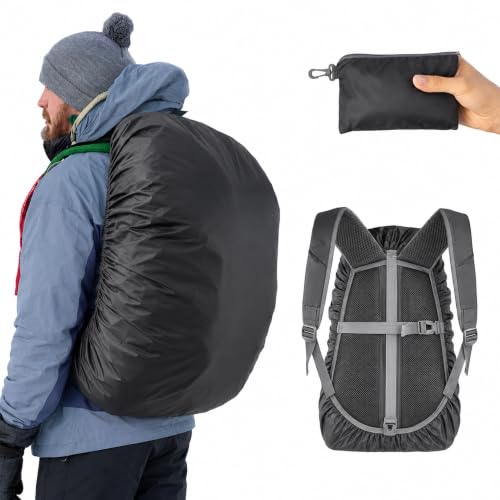
Pros
- Substantial 10000mm waterproof PU rating provides reliable coverage against driving rain
- Dual cross-buckle strap system prevents the cover from peeling off in high summit winds
- Extremely lightweight at roughly 0.13 pounds and packs away cleanly into its own pouch
- Interior silver coating protects the fabric from UV exposure and premature aging
Cons
- Medium size is restricted to 25L to 35L packs and will not cover larger multi-day backpacks
- Back panel and shoulder harness remain exposed to precipitation as with all standard pack covers
The Frelaxy Waterproof Backpack Rain Cover in Size Medium is a purpose-built external weather barrier designed to protect 25L to 35L backpacks from rain, mud, and windblown debris. It is primarily built for day hikers, weekend trail walkers, bike commuters, and minimalist travelers who want reliable moisture protection without replacing their favorite non-waterproof daypack. Because many hiking packs only offer light water resistance, adding a dedicated rain cover like this serves as an affordable, lightweight layer of storm defense.
On the trail, weight and security matter just as much as water resistance. This medium cover weighs roughly 0.13 pounds (about 2.1 ounces) and measures 5.9 by 12.6 by 17.5 inches, packing down into an included rainproof storage pouch that clips to external pack loops. When afternoon downpours roll in, the cover pulls over the body of a 25L to 35L pack quickly. The integrated elastic rim grips the pack edges, while the cross-adjustable buckle straps cinch tightly behind the back harness to keep the cover firmly anchored against strong ridge gusts.
The build quality centers on tear-resistant nylon fabric paired with a dual-layer treatment. An external water-repellent coating sheds surface droplets, while an internal PU coating delivers a listed rain resistance rating of up to 10000mm. Additionally, the manufacturer incorporates an upgraded silver inner coating that resists UV degradation, fabric aging, and moisture buildup over time. The hardware consists of low-profile plastic buckles and nylon webbing that provide mechanical tension across the back without adding unnecessary bulk.
Deploying and maintaining the cover is straightforward. To install it, stretch the elastic border over the top and sides of the loaded pack, route the vertical and horizontal buckle straps behind the shoulder harness, and snap them shut before cinching the slack. After hiking in wet conditions, shake off excess water, allow the nylon to air dry completely to avoid mildew, and fold it back into the clip-on pouch. The manufacturer also offers a 12-month warranty and a size exchange program if your loaded pack profile requires a different dimension.
There are practical limitations to keep in mind before taking this cover into extreme terrain. Like all wrap-around pack covers, it protects the front, sides, and top of your gear, but leaves the harness, back panel, and hip belt exposed. In heavy driving rain, water can seep down the space between your back and the pack panel. Furthermore, hikers carrying external gear like bulky foam sleeping pads, large snowshoes, or oversized camera tripods strapped to their 35L pack may find the Medium size stretched to its limits.
For day hikers, trail commuters, and budget-conscious backpackers looking to weatherproof their existing 25L to 35L daypacks, the Frelaxy Rain Cover offers an excellent balance of low weight, windproof retention, and high-rated waterproof coatings. It delivers practical peace of mind against sudden trail storms without taking up valuable pack space.
The Frelaxy Backpack Cover is built to deliver up to 10000mm of water resistance through a combination of an outer waterproof coating and a heavy-duty inner PU coating. This rating ensures the tear-resistant nylon fabric can withstand heavy, prolonged downpours without letting moisture bleed through to your pack fabric.
In addition to the PU waterproof membrane, the underside features a silver reflective coating designed to protect the material from UV exposure, heat, and fabric fatigue. While the cover itself is completely waterproof across its coated nylon surface, hikers carrying moisture-sensitive items like down sleeping bags or electronics should still use internal dry sacks, since rain can run down the back panel where the harness rests against your body.
This Size Medium cover is engineered specifically for backpacks ranging between 25 and 35 liters in total volume, with base dimensions of 5.9 by 12.6 by 17.5 inches. It is best matched with standard daypacks, hydration day bags, school bags, and small technical weekend summit packs.
Fit is secured using a perimeter elastic hem combined with cross-adjustable buckle straps that fasten horizontally and vertically across the back of the pack. If your 35L pack is consistently overstuffed or features bulky external gear attachments like tents or bulky jackets strapped to the outside, you may want to size up to ensure full perimeter coverage.

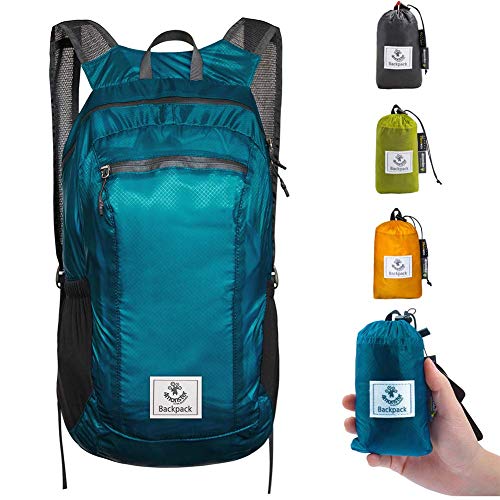
Pros
- Weighs only 4 oz (113 g), offering substantial weight savings for ultralight hikers and luggage packers
- Packs down quickly into an integrated wallet-sized pouch for effortless portability
- Durable 30D tear-resistant nylon construction with reinforced stitching handles daily lightweight gear carry
- Dual mesh side pockets provide external storage for standard water bottles or small trail items
- Water-resistant fabric protection keeps gear safe from brief light drizzle and surface splashes
Cons
- Frameless, unpadded design lacks back-panel ventilation and load-lifter support for heavy gear
- Shoulder straps do not feature thick foam padding, a sternum strap, or a supportive hip belt
- Water-resistant build will not keep contents dry during sustained heavy downpours without separate dry bags
The 4Monster 16L Hiking Daypack is an ultralight, frameless daypack engineered specifically for hikers, travelers, and campers who need functional carrying capacity without adding base weight. Measuring 7.1 x 11.8 x 18.5 inches when unfolded, this pack serves as a dedicated secondary bag that can be deployed at a campsite, used on short summit scrambles, or slipped on for casual trailhead day hikes. It caters directly to minimalist walkers, day trippers, and budget-conscious outdoor enthusiasts who prefer simple, streamlined gear over heavy, rigid suspension systems.
With a listed capacity of 16 liters, the pack provides enough volume to carry a light rain shell, an extra fleece or midlayer, trail snacks, and small personal essentials. The exterior layout includes two side mesh pockets suitable for holding water bottles or compact accessories, while a zippered front pocket keeps items like sunglasses, keys, or a map separated from the primary cavity. Because the pack operates without an internal frame sheet, foam back panel, or load-bearing hip belt, the total carried weight is carried directly through the minimalist shoulder straps, making it best suited for moderate, lightweight loads.
Construction quality centers around a 30D tear-resistant nylon fabric paired with reinforced stitching at key stress points. The material features water-resistant qualities designed to defend daily essentials from light precipitation, dew, and unexpected splashes while traversing damp forest paths. Durable zippers seal the main and front compartments, providing dependable daily closure for low-bulk gear. However, the water-resistant treatment is built for moderate exposure rather than prolonged rainstorms, so sensitive electronics and spare dry clothes should remain stored in sealed bags during adverse weather.
Packing and managing the daypack requires minimal effort thanks to its pliable construction. When not in use, the entire bag rolls and folds inward to fit into a compact, wallet-sized carry pouch that easily slides into a jacket pocket, a carry-on suitcase, or the lid of an expedition backpack. On the trail, the shoulder straps adjust via simple sliding buckles to adapt across different body frames and seasonal layering setups. Post-hike maintenance is equally low maintenance, as the non-absorbent nylon surface wipes clean with a damp cloth and dries rapidly when hung in an airy spot.
Prospective buyers should take note of the structural tradeoffs inherent to an ultralight packable daypack. Because the pack weighs just 4 ounces (113 grams), it completely omits back ventilation channels, padded waist belts, sternum clips, and hydration reservoir routing. Packing sharp, heavy, or irregularly shaped gear directly against the unpadded rear panel can lead to contact points against the back. Users carrying heavy equipment, camera bodies, or multi-liter water loads will find better support in a fully structured daypack with an internal frame and padded suspension.
For outdoor enthusiasts who prioritize extreme packability, featherlight carry, and straightforward utility, the 4Monster 16L Daypack is a practical and versatile trail accessory. It performs reliably as a summit pack for basecamp outings, a compact backup daypack for luggage travel, or an emergency daypack stashed in a vehicle glove box. If your hiking style focuses on short excursions, light trail loads, and absolute convenience, this pack delivers capable performance at an accessible value.
The standout characteristic of the 4Monster 16L Daypack is its ultra-compact packable design. Weighing just 4 ounces (113 grams), the daypack folds down smoothly into an integrated pouch about the size of a standard wallet, making it practically unnoticeable when packed inside luggage or a multi-day backpacking pack.
This collapsible profile makes it an exceptional secondary pack for backpackers who want to leave their heavy multi-day gear at a basecamp or shelter and embark on short side trails or water runs. For general travelers, it serves as a lightweight day bag for city exploration or airport use without taking up valuable luggage space.
The pack is fabricated from 30D tear-resistant nylon, chosen to balance minimal fabric weight with practical trail durability. Reinforced stitching across the seams helps prevent strain failures when the 16-liter compartment is loaded with everyday trail items.
The water-resistant treatment on the nylon shell effectively sheds surface moisture, morning mist, and passing light rain. Because this fabric is water-resistant rather than fully waterproof, hikers venturing into heavy or continuous downpours should pair the daypack with an internal dry bag or pack liner to ensure moisture-sensitive gear remains completely protected.
Evaluating Weatherproofing Architecture for Daily and Trail Carry
Choosing dependable wet-weather gear begins with recognizing how water interacts with different synthetic textiles and structural seams. Many shoppers assume that any bag labeled as water-resistant will easily survive a relentless downpour, only to discover damp contents after thirty minutes of heavy exposure. True weather protection relies on a deliberate balance of hydrophobic exterior treatments, impermeable internal barriers, shielded closure mechanisms, and reliable external safeguards. Breaking down these technical components allows you to match your daily carrying requirements with the correct level of environmental defense.
Water Resistance Versus True Waterproofing
The distinction between water resistance and true waterproof capability often confuses buyers who need reliable protection during foul weather. Water-resistant fabrics typically utilize a surface durable water repellent finish that forces light moisture to bead up and roll off the exterior weave. This level of defense works well during brief misty mornings or passing drizzles, but water pressure eventually forces moisture through the microscopic spaces between the woven yarns. Without an impermeable backing, sustained precipitation saturates the outer shell and reaches interior compartments.
True waterproofing requires a continuous physical barrier that prevents moisture penetration even when subjected to measurable hydraulic force. Technical manufacturers quantify this barrier performance using a hydrostatic head measurement, which describes the height of a water column the material can support before leakage occurs. High-performance barrier covers often boast waterproof resistance ratings reaching up to 10000mm, providing dependable performance against driving rains and heavy downpours. A barrier with that level of hydrostatic resistance ensures that wind-driven precipitation cannot force moisture through the fabric surface.
Polyurethane inner coatings create the continuous membrane necessary to achieve substantial waterproof ratings across synthetic woven goods. When combined with a durable water-repellent exterior treatment, this layered construction prevents the outer face from soaking through while the inner membrane blocks residual seepage. Commuters and hikers who face frequent wet weather must verify whether an item relies solely on surface repellency or includes a certified polyurethane interior backing. Selecting a setup with a verified waterproof membrane eliminates unexpected moisture penetration during severe storms.
Fabric Weaves and Denier Thickness
The base fabric of any pack determines both its mechanical tear strength and its ability to support waterproof chemical laminations. Lightweight daypacks frequently employ 30D nylon textiles, providing remarkable compressibility that allows the entire bag to fold down into a compact, wallet-sized storage pouch. This ultra-lightweight fabric profile suits travelers who want an emergency packable bag stashed inside luggage for day excursions. Despite its slim profile, high-density nylon weaving resists snagging during moderate daily handling.
Higher denier textiles like 400D or 500D nylon offer increased abrasion resistance against coarse concrete walls, subway turnstiles, and dense forest branches. Denser yarns resist puncture damage and provide a firmer substrate for thick polyurethane coatings, preventing the protective membrane from flexing and cracking under heavy loads. However, increased denier ratings also elevate the unladen tare weight of the backpack before you pack a single piece of equipment. Striking the right balance depends heavily on whether your primary priority is featherlight packability or multi-year abrasion defense.
Ripstop construction integrates thicker reinforcement yarns into a grid pattern across lighter base fabrics to halt developing tears immediately. In lightweight packable bags, ripstop weaving allows thin 30D nylon to handle daily packing strain without suffering catastrophic seam splits. This reinforcement also helps the fabric maintain its water-resistant coating integrity when stretched over packed gear. Examining the weave pattern provides valuable insight into how well the textile will hold up under prolonged tension in wet environments.
Seam Construction and Stitch Penetration Vulnerabilities
The seams of any carrying bag represent the primary pathway through which rainwater breaches interior storage spaces. Whenever a sewing needle penetrates synthetic fabric to join panels together, it punches hundreds of tiny holes directly through both the outer textile and its internal waterproof coating. In standard backpacks, water pooling along shoulder seams or top panels quickly seeps through these unprotected needle punctures via capillary action. Even the most waterproof fabric fails if the structural seams lack specialized defensive treatments.
Factory seam taping addresses this structural vulnerability by applying a heat-activated polyurethane tape over every interior stitch line. This specialized tape bonds completely with the inner membrane of the fabric, effectively sealing every needle hole against moisture intrusion under hydraulic pressure. Fully welded seams take weatherproofing a step further by using radio-frequency energy or heat to fuse thermoplastic panels together without using thread at all. Welded construction creates an impenetrable seam line, though it is usually reserved for rigid roll-top dry bags rather than flexible everyday packs.
When evaluating lightweight packable bags that feature reinforced stitching without factory seam tape, buyers must recognize that the bag remains water-resistant rather than completely waterproof. In such designs, prolonged exposure to steady downpours will eventually permit moisture to track inward along tensioned shoulder seams. Understanding this construction limitation prevents unpleasant surprises when walking through heavy storms. For complete defense in torrential conditions, pairing an unsealed daypack with a dedicated external rain cover remains the most practical and lightweight solution.
Zipper Tracks, Coils, and Storm Flap Enclosures
Standard zipper tracks feature interlocking plastic teeth that naturally allow wind and water to pass directly between their gaps. When a bag sits upright in the rain, gravity channels runoff directly over the zipper coils of the main opening, accelerating interior soaking. Quality weather-resistant designs utilize reverse-coil zippers, which position the flat fabric backing outward to reduce the surface area exposed to falling precipitation. While reverse coils resist incidental splashes, sustained rain still requires dedicated mechanical barriers.
Polyurethane-coated water-resistant zippers feature laminated rubberized lips that seal tightly over the zipper teeth when closed. These specialized zippers prevent water droplets from penetrating the slider track during typical urban commutes and damp trail walks. However, coated zippers require smooth pull alignment and place increased friction on the slider mechanism, demanding careful operation to prevent jamming. Overstuffing a pack can spread coated zipper lips apart, compromising the seal and allowing moisture to seep inside.
Traditional fabric storm flaps offer an exceptionally reliable and durable alternative to delicate laminated zipper coils. A wide strip of coated fabric extending over the zipper track acts as a protective gutter that redirects cascading water past the vulnerable teeth below. This mechanical deflection method avoids the delamination risks associated with coated zipper films while maintaining fluid slider action. Inspecting whether a backpack relies on coated zippers, protective storm flaps, or exposed tracks gives a clear indication of its realistic foul-weather capability.
Modular Rain Covers Versus Integrated Exterior Shells
Dedicated waterproof backpack rain covers represent one of the most effective and versatile methods for shielding gear from relentless weather. High-quality pack covers constructed from tear-resistant nylon feature multi-layer protection, combining an exterior water-repellent coating with a resilient polyurethane inner layer rated up to 10000mm. An upgraded interior silver coating further enhances durability by shielding the fabric from moisture damage, heat accumulation, and ultraviolet aging. Weighing merely 2 to 4 ounces, these compact covers roll into small storage pouches that clip easily to exterior webbing.
Stability and coverage remain crucial factors when choosing an external pack cover for hiking or cycling in turbulent weather. Inferior covers rely solely on loose elastic rims that can easily slip off when buffeted by powerful crosswinds. Superior designs incorporate cross-adjustable buckle straps that anchor firmly behind the harness system, securing the cover against sudden gusts while providing comprehensive wrap-around coverage. This mechanical anchoring prevents the cover from ballooning outwards or blowing away during exposed ridge crossings or high-speed bicycle commutes.
Modular covers offer a distinct advantage over permanently waterproof bags by keeping the entire backpack clean and dry during muddy transit. When wet weather subsides, you can shake off the soaked cover, stow it in its breathable pouch, and continue carrying a completely dry backpack against your clothing. This separation prevents damp external fabric from transferring moisture onto your back or office furniture. For many commuters and day hikers, pairing a lightweight pack with an external high-rating rain cover provides the ultimate blend of versatility and complete storm security.
Integrated waterproof packs, on the other hand, eliminate the need to stop and deploy a separate cover whenever rain starts falling unexpectedly. They streamline your setup by incorporating waterproof membranes directly into the pack body, though they generally feature heavier tare weights and higher price points. If your routine involves sudden downpours where quick transition time is critical, a built-in protective barrier offers undeniable convenience. Evaluating your daily habits helps determine whether a modular cover or an integrated design best suits your carrying lifestyle.
Harness Ergonomics and Managing Saturated Pack Weight
Water saturation dramatically increases the effective carrying weight of any backpack that lacks effective hydrophobic protection. When untreated synthetic fabrics and thick padding soak up rainwater, the unladen pack weight can double within an hour of walking through a downpour. This added moisture weight pulls the pack away from your center of gravity, placing unnecessary strain on your trapezius muscles and lumbar spine. Proper weatherproofing prevents fabric waterlogging, keeping the total pack load predictable and balanced throughout long excursions.
Ergonomic harness adjustment becomes even more critical when managing damp gear on slippery or uneven trail surfaces. Contoured shoulder straps padded with dense foam help distribute downward pressure evenly across your collarbones, preventing narrow webbing from biting into your shoulders. Fastening an adjustable sternum strap pulls the harness inward toward your breastbone, stabilizing the load against sudden lateral shifts. Even when using affordable gear like budget-friendly hiking packs, maintaining proper harness tension prevents dangerous fatigue during extended outdoor journeys.
Back panel breathability requires careful consideration when evaluating weatherproofing solutions for warm or humid environments. Fully waterproof materials do not breathe, meaning solid rubberized back panels can trap perspiration against your shirt and cause intense overheating. Quality wet-weather backpacks address this issue by incorporating molded airflow channels or suspended mesh panels that maintain a ventilation gap between your back and the pack body. This structural clearance allows body heat to dissipate naturally, even while the rest of the pack remains shielded from external rainfall.
Interior Compartment Organization and Tech Protection
Safeguarding high-value electronic devices requires specialized internal compartment architecture that isolates fragile components from exterior moisture paths. Dedicated laptop and tablet compartments should ideally feature a suspended false bottom that holds the device several inches above the base of the bag. This clearance prevents the laptop corner from striking the ground during rough handling and keeps sensitive electronics clear of water pooling on wet tables or transit floors. Placing sensitive cords and power banks inside elevated interior zippered pockets adds another layer of defense against accidental seepage.
Packable daypacks maximize storage efficiency by offering organized zones without adding rigid framing or heavy structural foam. A typical 16-liter packable layout features a generous main storage cavity for layers and snacks, an exterior quick-access front zip pocket for transit cards, and dual stretch mesh side pockets for water bottles. This layout keeps damp items like water bottles or compact umbrellas separated on the exterior of the pack while dry clothing remains safely enclosed within the nylon interior. Thoughtful pocket separation ensures that damp gear never contaminates dry valuables.
For critical items like cell phones, passports, and paper transit tickets, utilizing internal dry sacks or waterproof organizer pouches provides essential redundancy. Even in well-designed bags, repeatedly opening the main compartment in heavy rain exposes interior spaces to falling droplets. Keeping delicate electronics inside sealed secondary pouches ensures complete peace of mind when retrieving items during active storms. Structuring your packing system into waterproof modular zones guarantees total protection regardless of changing outdoor conditions.
Maintenance Protocols to Prevent Coating Delamination
Preserving the water-repellent performance of technical backpacks requires proper care and cleaning techniques that respect delicate membrane chemistry. Standard domestic washing machines generate violent mechanical agitation that can peel and delaminate internal polyurethane coatings within a single cycle. Furthermore, standard laundry detergents contain harsh surfactants and optical brighteners that strip away external water-repellent finishes and degrade internal silver heat-insulating layers. Technical gear should only be cleaned by hand using a soft sponge, lukewarm water, and non-detergent technical soap designed specifically for coated synthetics.
Drying procedures directly influence the lifespan and waterproof integrity of both daypacks and modular rain covers. Exposing coated nylon to the intense heat of an automatic tumble dryer can melt synthetic fibers, warp foam components, and cause protective backings to bubble and peel away. After wet outings or gentle hand cleaning, packs and covers must always be hung up to air dry in a well-ventilated space away from direct sunlight and artificial heat sources. Ensuring the fabric is completely dry before folding prevents the development of mildew and foul odors.
Proper long-term storage keeps polyurethane coatings flexible and free from chemical degradation over years of regular use. Packing a damp rain cover or daypack into its tiny storage pouch and leaving it inside a hot vehicle trunk accelerates polyurethane hydrolysis, turning the waterproof coating sticky and brittle. Always unpack your gear when returning home, allowing the material to breathe in a cool, dry closet. Following these straightforward maintenance protocols preserves the waterproof barrier and extends the reliable working life of your outdoor equipment.
Selecting the Right Configuration for Your Environment
Determining the ideal wet-weather setup depends primarily on the duration of your outings and the severity of expected precipitation. For urban commuters and occasional day travelers, an ultra-lightweight packable daypack weighing roughly 4 ounces offers outstanding flexibility for light showers and casual outings. Its ability to tuck into a jacket pocket or travel bag makes it an indispensable secondary carry option for spontaneous errands. However, when faced with sustained torrential storms, adding a dedicated rain cover rated to 10000mm provides the necessary reinforcement to keep contents completely dry.
Trail hikers and cycling commuters who regularly brave unpredictable wilderness weather benefit most from a reinforced multi-layer barrier strategy. Combining a sturdy daily backpack with a snug, buckle-fastened rain cover creates a modular defense system that adapts effortlessly to shifting weather patterns without adding excessive weight. Paying close attention to fabric denier, coating ratings, cross-strap stability, and seam integrity ensures that your chosen equipment delivers dependable performance whenever storm clouds gather overhead.







Write Your Review
No reviews yet. Be the first to share your experience!