


Commuters and students often face the challenge of selecting a pack that avoids bulky silhouettes while maintaining space for modern gear essentials. Evaluating how big is 17l backpack requires understanding cubic volume alongside practical dimensional limits. A 17-liter capacity sits squarely in the compact everyday carry class, bridging the gap between minimalist sling bags and full-sized student daypacks. Travelers frequently target this volume bracket because it slides effortlessly beneath airline seats without encroaching on legroom.
Finding an effective balance between unladen pack tare weight and interior volume helps prevent shoulder and lower back fatigue during extended commutes. While compact silhouettes keep gear balanced against the spine, buyers must ensure their dedicated tech accessories and hydration vessels fit comfortably without bursting structural seams. Reviewing product options from brands like Joisal and TSENQUE illustrates how smart compartment geometry can maximize modest liter dimensions. Comparing these everyday carry solutions alongside affordable hiking daypacks helps highlight where compact packs excel and where larger gear cavities become necessary.
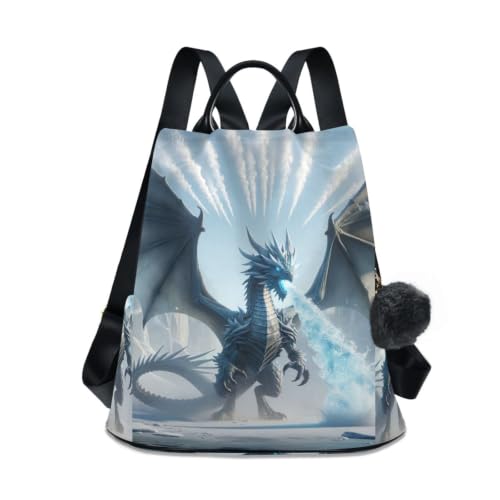


Understanding the Physical Dimensions and Usable Volume of a 17-Liter Backpack
A 17-liter backpack provides roughly 1,037 cubic inches of internal volume, establishing it as an agile, compact carry solution for everyday environments. Visualizing this capacity can be challenging because volume measurements do not always reflect external dimensions or internal pocket partitions. In practical terms, a typical pack in this category stands between 16 and 17.5 inches tall, spreads 11 to 12.5 inches wide, and offers an unexpanded depth of roughly 5 to 6.5 inches. These modest proportions allow the bag to maintain a low profile that hugs the wearer’s back without bulging outward into crowded train aisles or narrow office hallways.
Converting Liters to External Measurements and Linear Inches
Standard capacity ratings describe interior fluid volume rather than rigid rectangular space. A volume of 17 liters translates to approximately 0.60 cubic feet, meaning the exterior footprint depends heavily on structural seams and pocket shaping. When laid flat, most 17-liter silhouettes measure roughly 33 to 36 total linear inches when combining height, width, and depth. This compact linear profile prevents the pack from sagging below the beltline or flaring out past the shoulder blades on most adult torso lengths. Buyers with shorter torsos often find this footprint particularly comfortable because the lower edge rests naturally above the lumbar curve.
Fabric thickness, foam padding, and exterior accessory sleeves also influence how external measurements feel during daily transit. A bag crafted from flexible synthetic textiles compresses noticeably when lightly packed, allowing it to conform to cramped spaces. Conversely, packs with reinforced bases or stiff back padding hold their exterior proportions regardless of gear quantity. Brands like Joisal and TSENQUE often design their urban packs with structured perimeters that help protect contents while preserving their designated silhouette. Paying attention to linear dimensions ensures you choose a pack that aligns with your physical proportions and daily commuting style.
Realistic Everyday Gear Load: What Fits Inside a 17L Pack
A 17-liter capacity is engineered specifically for streamlined daily routines rather than multi-day travel or heavy equipment hauling. On a standard workday, you can comfortably store a slim laptop, a power supply brick, a compact umbrella, a light windbreaker or knit sweater, and a medium notebook. Additional slip pockets can accommodate small items such as keys, writing utensils, wireless earbuds, and commuter cards without crowding the center cavity. An external or internal side sleeve typically handles a 16- to 24-ounce water bottle without stretching the seams to their breaking point. This payload gives professionals and students everything needed for an eight-hour day away from home.
Problems emerge when users attempt to treat a compact daypack like an expandable cargo hauler. Trying to force a bulky pair of gym sneakers alongside lunch containers and thick textbooks will quickly exhaust the available 1,037 cubic inches. Winter parkas, heavy fleece mid-layers, and oversized headphone hard cases also consume disproportionate amounts of room in a pack of this volume. When the primary cavity is overstuffed, the outward pressure strains zipper coils and flattens delicate accessories against one another. Understanding these physical limits helps you pack intentionally and prevents frustration when organizing daily gear.
Laptop Sleeve Clearance and Tech Device Protection
Device accommodation represents one of the primary considerations when selecting an everyday carry backpack in the 17-liter range. Most packs in this volume bracket are built to house laptops measuring between 13.3 and 14.1 inches inside a dedicated back-wall sleeve. Some slim 15-inch laptops with minimal screen bezels can fit if the bag measures at least 16.5 inches in height, but thicker gaming laptops or rugged mobile workstations will rarely slide into the sleeve opening. Users who protect their computers with bulky third-party neoprene sleeves may find that the extra bulk prevents smooth insertion into built-in pockets. Checking the manufacturer’s exact sleeve dimensions helps avoid disappointment before attempting to load your work machine.
Protection mechanisms also vary substantially between minimalist urban daypacks and heavy-duty tech bags. A quality sleeve should feature moderate high-density foam padding along the spine panel to shield screens from direct pressure. Ideally, the sleeve includes a slight false bottom, which keeps the base of the computer elevated an inch above the bag’s exterior floor. When a backpack lacks this suspended design, setting the pack down forcefully on a concrete platform can transfer direct impact energy into fragile laptop corners. If your compact pack features an unpadded bottom, sliding your device into a thin padded sleeve before packing provides an extra layer of shock absorption.
Airline Under-Seat Compliance and Personal Item Dimensions
Frequent air travelers frequently seek out 17-liter packs because they excel as domestic and international airline personal items. Major domestic carriers typically establish personal item guidelines around 18 x 14 x 8 inches, while budget carriers often enforce tighter thresholds like 17 x 13 x 6 inches. Because a standard 17L backpack generally measures around 16.5 x 11.5 x 6 inches, it easily clears these dimensional restrictions when packed conservatively. The slim profile allows the bag to slide completely under regional jet seats without obstructing passenger footwell space. This reliability eliminates gate-check anxiety and keeps valuable electronics directly at your feet throughout the flight.
Complications only arise when a traveler severely over-stuffs the front organizer pockets or clips bulky exterior items to the harness webbing. Expanding a soft-sided pack past its resting depth can push the dimension from six inches to nine inches or more, risking rejection at strict budget sizer bins. Unlike rigid carry-on luggage, a flexible daypack can usually be compressed slightly to pass airline gate inspections if contents are soft. When comparing travel setups, pairing an agile personal item with larger gear like rigid frame backpacks illustrates how different capacities serve distinct phases of a journey. Keeping your 17L pack streamlined ensures stress-free boarding across diverse airline fleets.
Interior Organization Layout Versus Usable Packing Depth
Internal architecture determines whether a 17-liter pack feels surprisingly cavernous or frustratingly cramped. Backpacks equipped with dense organizer walls featuring multiple zippered mesh compartments, pen loops, and tablet dividers sacrifice main cavity depth to support micro-organization. When each internal pocket is filled with cables and accessories, the pockets expand inward, effectively shrinking the central storage zone. Conversely, packs featuring an open bucket-style layout provide maximum continuous space for lunch boxes, light jackets, or camera inserts. Deciding between structured segmentation and open volume depends entirely on whether your daily routine prioritizes quick accessory access or bulk capacity.
Rear-access panel security designs, such as those utilized on select Joisal and TSENQUE models, alter packing behavior in beneficial ways. Placing the primary zipper against the wearer’s back deters opportunistic theft in dense transit hubs and crowded tourist locations. This configuration also forces the bag to maintain a flatter, more disciplined profile against the body. However, rear-panel access requires you to remove the pack and lay it flat to access the bottom of the main cavity. Balancing anti-theft security against quick desktop accessibility helps you select the internal configuration that best matches your workflow.
Comparing 17 Liters to Adjacent Backpack Capacities
Evaluating adjacent volume categories helps contextualize whether 17 liters fits your individual carrying needs. A 15-liter daypack offers extreme minimalism, accommodating little more than a tablet, a light layer, and small essentials, which limits its utility for full workdays. Stepping up to 20 or 22 liters introduces substantial flexibility, allowing users to pack full-size lunch containers, athletic shoes, or thicker textbooks alongside workstation tech. Moving further to a 28- or 30-liter commuter pack provides enough room for weekend getaways, but the bulkier shell can feel excessive and unwieldy on daily subway commutes. A 17-liter capacity serves as the sweet spot for minimalists who refuse to carry dead weight.
For those who frequently transition between city transit and outdoor weekend escapes, specialized gear profiles become relevant. While a 17-liter bag functions admirably on paved campus pathways, wilderness treks or specialized activities demand distinct pack characteristics. For instance, recreational day trips involving food transport benefit greatly from checking specialized backpack coolers designed with thermal barriers rather than tech sleeves. Compact urban bags prioritize clean silhouettes and electronics protection over heavy insulation or rugged external gear loops. Recognizing where your daily lifestyle falls on this spectrum clarifies whether 17 liters provides adequate storage.
Harness Ergonomics and Weight Distribution on Smaller Packs
Carrying comfort remains critical even when hauling a modest 17-liter load across city blocks or college quads. While a fully loaded 17L pack rarely exceeds ten to twelve pounds, poor harness design can still cause localized neck and shoulder discomfort. Quality commuter bags feature anatomically contoured shoulder straps filled with resilient EVA foam that cushions collarbone contact points. An adjustable sternum strap helps draw the shoulder straps inward, stabilizing the load across the chest and preventing the straps from slipping off narrow shoulders. Proper strap adjustment keeps the pack snug against the upper thoracic spine, eliminating backward leverage that strains the lower back.
Back panel airflow channels also play a major role in commuter comfort during warm summer months. Flat, unventilated fabric panels trap body heat and perspiration against the wearer’s shirt, leading to uncomfortable dampness during brisk walking commutes. Many modern daypacks incorporate molded foam ridges or breathable air mesh along the spine to facilitate continuous air circulation. Distributing interior weight properly further enhances comfort by placing heavy items, such as laptops and water bottles, directly against the back panel. Keeping the densest gear centered and close to your natural center of gravity stabilizes the pack with every stride.
Fabric Durability, Weather Resistance, and Seam Maintenance
Compact daily backpacks encounter substantial environmental wear from transit floors, rainy sidewalks, and tight overhead lockers. Exterior textiles such as high-density polyester and ripstop nylon offer dependable resistance against daily abrasion while keeping overall pack tare weight minimal. Most daily carry bags receive a light durable water repellent coating to shed light drizzle, but they are rarely completely waterproof during sustained downpours. Water can gradually penetrate through standard stitching seams and unprotected zipper coils if exposed to heavy rain for prolonged periods. Carrying a compact rain cover or storing sensitive electronics in internal waterproof pouches provides reliable insurance against inclement weather.
Proper maintenance preserves fabric performance and prevents hardware failure over years of continuous use. Avoid washing technical backpacks in domestic laundry machines, as aggressive agitators and high-heat drying cycles can peel interior polyurethane weatherproofing laminates. Instead, spot-clean dirty exterior panels using a soft microfiber cloth, lukewarm water, and mild non-detergent soap. Regularly brushing dirt and grit out of zipper tracks prevents slider binding and keeps coil teeth aligning smoothly under load. Inspecting stress points near top haul loops and shoulder strap anchor seams ensures early detection of thread wear before structural damage occurs.
Key Verification Steps Before Selecting Your Daily Pack
Finalizing your choice requires confirming that a 17-liter volume aligns with your physical measurements and routine inventory. Begin by gathering the exact tech items, chargers, notebook formats, and beverage containers you intend to carry on a typical day. Measure your laptop diagonally and compare its physical length and thickness against the manufacturer’s published compartment specifications. Check whether your preferred water bottle diameter fits securely inside exterior side pockets without sliding loose when bending over. Taking these preliminary measurements prevents the hassle of returns and ensures seamless integration into your daily travel routine.
Evaluating your torso length and commute environment provides the final piece of the puzzle. Stand in front of a mirror to ensure a 16- to 17-inch pack length sits comfortably above your waistline without riding excessively high on your neck. If you navigate crowded trains or narrow transit gates daily, the compact 17-liter footprint offers noticeable agility and freedom of movement. When packed with discipline and awareness of its physical boundaries, a well-built 17-liter backpack delivers the ultimate balance of streamlined carrying comfort and functional utility.







Write Your Review
No reviews yet. Be the first to share your experience!