


Daily gear management often comes down to balancing external pack bulk against actual usable packing volume. Commuters, students, and travelers frequently wonder how big is 23l backpack when assessing whether a bag can comfortably hold a laptop, charging cables, a light jacket, and daily essentials. In practical terms, twenty-three liters represents a classic mid-sized everyday carry volume that bridges minimalist daypacks and bulky travel bags. Exploring budget hiking backpacks shows that capacity ratings alone do not tell the whole story without understanding compartment layout. Getting the right scale prevents unneeded shoulder fatigue while keeping personal belongings organized and secure.
A pack in this volume class usually measures between seventeen and nineteen inches in height, providing ample vertical room for standard tech devices and notebooks. This footprint allows many models to slide underneath regional transit seating or into standard airline personal item spaces without excessive bulging. Manufacturer specifications highlight how internal organization grids and shell structures influence physical exterior bulk. From student book bags featuring built-in USB charging ports to structured motorcycle packs with aerodynamic shells, twenty-three liters provides versatile utility across diverse routines. Choosing the right profile ensures reliable carry performance without carrying dead weight or sacrificing vital storage space.


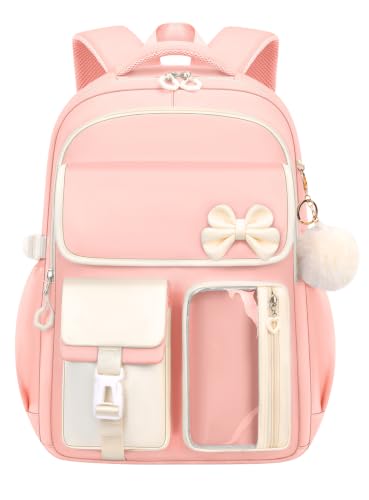
Understanding 23-Liter Backpack Dimensions, Packing Capacity, and Real-World Use
Evaluating backpack volume requires looking beyond simple liter measurements to understand how interior space translates into physical room. A twenty-three-liter capacity represents approximately 1,400 cubic inches of total internal space, establishing a practical sweet spot for everyday carry. This volume accommodates necessary work, school, and commute gear without forcing you to carry an unwieldy silhouette on crowded transit. Examining physical dimensions, structural materials, pocket architecture, and harness ergonomics helps clarify whether this versatile capacity meets your daily carrying requirements.
Physical Dimensions and Linear Measurements of a 23L Pack
Most backpacks engineered with a twenty-three-liter capacity measure roughly 17 to 19 inches in height, 11 to 13 inches in width, and 6 to 8 inches in depth. These external dimensions typically combine to create a total measurement of 34 to 40 linear inches across all three axes. Variations naturally exist based on the structural rigidity of the fabric and the specific geometric profile chosen by the manufacturer. A boxy, rectangular design maximizes usable internal corners for books and electronics, whereas a teardrop or tapered silhouette offers a sleeker look at the expense of edge volume.
External depth plays a decisive role in determining how bulky a twenty-three-liter pack feels when fully packed out. When the primary compartment is filled to capacity, exterior organizer pockets and front stash sleeves tend to push outward, adding two or three inches to the total profile. Unladen manufacturer measurements reflect an empty bag resting flat, so real-world depth expands noticeably once thick layers, chargers, or bulky gear are stored inside. Built-in side compression straps help manage this expansion, pulling the payload closer to the spine and keeping your transit profile streamlined.
What Actually Fits Inside a 23-Liter Backpack
A twenty-three-liter backpack holds a complete daily everyday carry loadout with extra space available for unexpected items. You can comfortably pack a standard laptop inside its dedicated sleeve, along with charging bricks, an external mouse, and a dedicated tech accessory pouch. The central compartment easily accepts a medium spiral notebook, a couple of standard textbooks, and an insulated lunch container. A light mid-layer fleece or packable rain shell can rest neatly on top of these items without putting excess lateral strain across the primary zipper tracks.
Carrying additional bulky gear like athletic shoes or workout clothes requires smart organization in a bag of this volume. While you can fit a pair of running shoes and gym shorts inside, they will consume roughly half of the main compartment space. This trade-off means textbooks, large binders, or bulky lunch boxes may need to stay home when carrying gym gear. Side stretch pockets expand this utility further by keeping standard twenty-ounce water bottles or compact umbrellas accessible without eating into interior volume.
Laptop Compartment Dimensions and Device Protection
Modern twenty-three-liter backpacks usually feature a padded laptop compartment sized for screens between 14 inches and 15.6 inches. Some streamlined chassis designs can even house slim 16-inch laptops, although thick mobile workstations or ruggedized cases may exceed sleeve clearances. Manufacturer specifications typically identify the maximum screen diagonal, but checking the physical pocket measurements provides better assurance for custom device cases. Ensuring your device slides smoothly into the sleeve prevents lateral strain across the pack seams.
Quality device protection also relies on how the laptop sleeve is anchored above the base of the bag. A suspended false bottom ensures the computer rests an inch above the floor panel, shielding delicate edges from shock when the bag is dropped onto hard tile or pavement. Many student and commuter packs, like selected JiaYou designs, also integrate external USB charging ports wired to internal power bank pockets. This setup lets you recharge smartphones on the move while keeping the heavy battery pack centered securely against your back.
Airline Personal Item Rules and Under-Seat Fit
Travelers frequently choose twenty-three-liter packs because they generally conform to domestic airline personal item dimensional limits. Major domestic carriers typically specify maximum personal item thresholds of 18 by 14 by 8 inches, which aligns closely with an uncompressed twenty-three-liter profile. Slipping the pack beneath the seat in front of you avoids gate-check hassles and keeps essential electronics within easy reach during flight. This makes a mid-sized daypack an efficient secondary travel bag alongside a standard overhead roller suitcase.
Under-seat space can vary significantly depending on the aircraft model and seat location. Regional jets or aisle seats equipped with onboard entertainment hardware boxes often reduce usable footwell height and width. Over-packing a flexible fabric bag can cause the front pockets to swell past airline sizer frames, making under-seat stowage difficult. Keeping the front compartments relatively flat ensures the pack slides under standard aircraft seats without catching on structural metal brackets.
Hard Shell Construction Versus Flexible Fabric Architecture
The exterior material and construction style drastically alter how a twenty-three-liter backpack performs and carries weight. For instance, the TAAC TC1 scooter backpack utilizes an aerodynamic hard shell construction engineered for motorcycle commuters. This molded exterior resists high-speed wind buffeting and shields internal contents from direct road impacts, though its rigid shape cannot expand beyond its set perimeter. Conversely, flexible woven fabrics like polyester or nylon can flex around irregularly shaped items, offering greater adaptability for campus use.
Internal pocket architecture also dictates how effectively you can utilize the listed liter volume. Bags loaded with multiple segmented organizer grids, pen slots, and tech dividers eat into open central packing space. When internal divider panels are sewn rigidly, they divide the twenty-three liters into smaller sub-compartments that limit storage for bulky outerwear. An open bucket-style cavity provides maximum freedom for larger objects, while detailed admin pockets keep small electronics from sinking to the bottom.
Harness Ergonomics and Weight Distribution
Carrying a fully loaded twenty-three-liter pack generates between ten and fifteen pounds of total weight, demanding reliable harness ergonomics. Reinforced shoulder straps lined with high-density EVA foam prevent the edges of the straps from digging into collarbones during extended transit walks. S-curved or contoured strap designs wrap naturally around the chest and torso, distributing downward pull evenly across the upper back. Poorly padded straps quickly lead to shoulder fatigue and neck stiffness when hauling heavy academic textbooks.
Back panel construction plays an equally vital role in commuter comfort by facilitating ventilation and spinal support. Ergonomic air mesh back panels create raised channels that allow body heat to dissipate, mitigating sweat accumulation during humid summer walks. An adjustable sternum strap helps lock the shoulder straps into place, preventing the bag from swaying when navigating crowded train platforms or riding a bicycle. Balancing dense items close to your spine stabilizes your natural center of gravity and prevents awkward posture adjustments.
Commuting, Campus Life, and Outdoor Recreation Utility
For college and high school students, a twenty-three-liter volume strikes an ideal balance between daily utility and locker convenience. It offers enough vertical clearance for multi-subject binders and laptop sleeves without hanging past the lower back like oversized hiking bags. Dedicated pockets keep charging cables, calculators, and student IDs organized for quick retrieval between classes. The streamlined footprint also makes navigating crowded campus lecture halls and narrow bus aisles substantially easier.
Two-wheeled commuters and motorcycle riders benefit from the wind-shedding profile of a compact twenty-three-liter pack. Models featuring reinforced straps, reflective safety accents, and integrated rain covers keep rider essentials secure against sudden weather shifts and road spray. When exploring weekend trails, a pack of this capacity easily holds trail maps, snacks, a first-aid kit, and hydration bladders. While it lacks the insulated thermal compartments found in specialized backpack cooler models, its lightweight build excels on fast-paced day hikes.
Comparing 23 Liters to 20L and 30L Backpacks
Understanding the distinction between twenty-three liters and neighboring capacity tiers prevents common buying mistakes. A compact twenty-liter pack offers an ultra-slim profile, but it often leaves zero extra room once a laptop and lunch container are packed. Stepping up to twenty-three liters provides that crucial three-liter buffer, which comfortably accommodates a packable rain shell or gym shorts. This subtle difference gives you daily flexibility without turning your pack into a bulky travel bag.
On the other end of the spectrum, thirty-liter backpacks are designed for heavy multi-day travel or winter campus loads. While thirty liters provides massive cargo space, an empty or half-filled bag can feel floppy, cumbersome, and unnecessarily heavy on daily transit routines. A thirty-liter bag also risks failing strict regional airline personal item sizers if it is packed to capacity. Choosing twenty-three liters keeps your daily carry disciplined, agile, and suited for routine urban movement.
Weather Protection, Fabric Maintenance, and Hardware Care
Maintaining gear safety requires proactive attention to external weather protection and fabric care. Many commuter packs come equipped with water-resistant polyester fabrics or integrated waterproof covers that deploy rapidly during heavy downpours. Coated textiles help shed light precipitation, but prolonged exposure can allow moisture to penetrate along standard needle holes and zipper coils. Using dedicated rain covers or water-resistant exterior shells preserves electronic devices and paper notebooks during inclement transit walks.
Cleaning a twenty-three-liter backpack requires gentle methods to preserve internal polyurethane water-resistant linings. Machine washing with harsh laundry detergents or aggressive agitators can cause technical coatings to peel and ruin internal seams. Instead, spot clean exterior stains using a soft sponge, lukewarm water, and mild non-detergent soap before allowing the bag to air dry naturally away from direct heat. Inspecting zipper teeth and clearing away grit keeps sliders gliding smoothly without snagging under heavy loads.
Practical Fit and Capacity Checks Before Buying
Before settling on a twenty-three-liter backpack, audit your daily gear list to ensure all non-negotiable items fit harmoniously. Lay out your laptop, power accessories, lunch gear, hydration bottles, and daily paperwork on a flat table to visualize total volume. If your routine regularly demands hauling bulky winter outerwear or heavy work boots alongside your electronics, a larger capacity may be necessary. For the vast majority of commuters, students, and light travelers, twenty-three liters provides exactly enough organized space.
Verifying how the physical pack dimensions match your personal torso length and daily transit environment prevents post-purchase discomfort. A bag that measures eighteen inches vertically will sit comfortably on most adult torsos without bouncing against the hips or pulling backward on the neck. Ensuring the shoulder harness features durable bar-tack stitching at the top anchors gives you confidence for multi-year daily use. Investing in a thoughtfully designed twenty-three-liter pack delivers reliable comfort, versatile capacity, and effortless everyday organization.







Write Your Review
No reviews yet. Be the first to share your experience!