


Determining pack volume often creates confusion because liter ratings describe internal fluid capacity rather than external footprint. Daily commuters and campus walkers frequently ask how big is 17 l backpack when trying to balance portable device protection against bulky, sagging gear. A 17-liter pack occupies a compact sweet spot between ultralight minimalist daypacks and heavy multi-compartment commuter haulers. This modest volume profile keeps weight close to the spine while eliminating excess fabric that causes awkward shifting during brisk transit walks.
Standard 17-liter designs generally provide enough structured cavity space for a modern laptop, a power bank, a light sweater, and daily pocket essentials. While heavier trail excursions often demand specialized gear discussed in our budget trail pack guide, a streamlined 17-liter silhouette excels in tight subways, coffee shops, and crowded airport terminals. Understanding how this specific capacity translates into inches, gear loads, and airline personal item sizers prevents common packing frustrations before you leave the house.


Understanding 17-Liter Backpack Dimensions, Packing Capacity, and Real-World Fit
Visualizing backpack volume requires looking beyond simple liter numbers to inspect linear dimensions and silhouette geometry. A seventeen-liter capacity represents roughly 1,037 cubic inches of internal space, which shapes into a slim, close-fitting daypack. Manufacturers often distribute this volume differently depending on whether the bag prioritizes flat tech storage or open barrel storage. Evaluating both external measurements and usable space ensures your everyday gear fits without stretching zipper seams or causing pack distortion.
External Dimensions and Physical Measurements in Inches
Typical external dimensions for a 17-liter backpack measure approximately 16 to 17 inches in height, 11 to 12 inches in width, and 5 to 6.5 inches in depth. These proportional measurements create a compact vertical profile that rests comfortably between the upper shoulders and the mid-lumbar region for most adult torso lengths. Because the depth remains under seven inches, the pack maintains a low center of gravity without pulling backward against your collarbones. Slimmer depths also mean you can navigate crowded public buses and narrow office hallways without bumping into surrounding passengers.
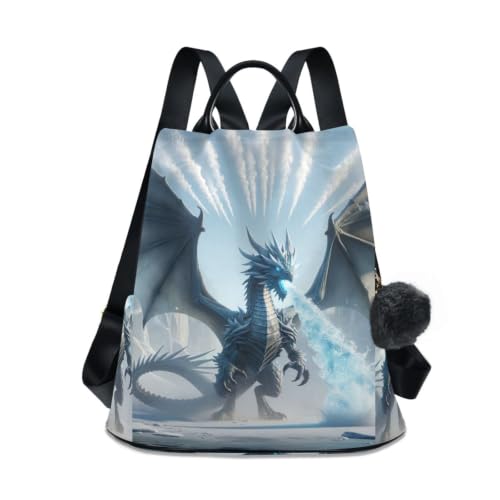
Linear dimensions for this capacity category total around 32 to 35 linear inches when you add height, width, and depth together. Rectangular silhouettes tend to maximize this footprint by keeping square corners that mirror the flat shape of tablets and folders. Teardrop or tapered fashion silhouettes, such as models from Joisal or TSENQUE, narrow toward the top opening to create an unobtrusive profile. While tapered cuts reduce upper corner storage, they prevent the bag from feeling bulky against your upper back and arms during rapid walking.
What Fits Inside a 17-Liter Pack for Daily Routine Carry
Daily loadouts for a 17-liter pack accommodate essential working tools, hydration, and light layers without unnecessary clutter. You can comfortably pack a 13-inch or 14-inch laptop, a slim tech pouch with wall chargers, a standard spiral notebook, and an insulated water bottle. A compact umbrella or light windbreaker fits neatly alongside small personal items like keys, pens, and hand sanitizer. This specific capacity encourages intentional packing habits by eliminating deep, bottomless spaces where forgotten gear accumulates over months of commuting.
Bulkier everyday items reveal the natural storage boundaries of this volume class. A medium food container or bento lunchbox will fit into the main cavity, but it will consume a substantial portion of the pack depth. If you need to carry gym clothes alongside office gear, you will likely need to choose lightweight athletic shorts and a thin shirt rather than full sweatpants and bulky athletic shoes. Thick winter sweaters or heavy multi-subject college binders will quickly monopolize the interior, leaving minimal room for secondary electronics.
Laptop Sleeve Clearance and Tech Protection Guidelines
Device compartments in 17-liter daypacks generally cater to modern slim laptops measuring up to 14 or 15.6 inches along the screen diagonal. Most manufacturer sleeves in this size bracket feature internal pocket widths between 10 and 10.5 inches and depths around 14 inches. Slim ultrabooks and compact tablets slide into these designated sleeves with ease, remaining upright and secured against the rear panel. Chunky gaming laptops or heavily ruggedized mobile workstations with thick rubberized bumpers often exceed these dimensions, requiring careful measurement before purchase.
Suspended sleeve geometry plays a vital role in preventing impact damage when setting the pack down on hard tile or concrete floors. A well-designed internal tech sleeve terminates at least one inch above the pack base, creating a protective false bottom. When a backpack lacks this suspended buffer, direct floor shocks transfer straight into fragile laptop corners. Users carrying delicate hardware in lightweight daypacks without integrated false bottoms often benefit from adding a slim neoprene slipcover for supplementary bottom drop protection.
Airline Personal Item Compliance and Under-Seat Clearance
Air travelers frequently select 17-liter backpacks because they fit comfortably within domestic and international personal item dimensional boundaries. Major domestic carriers typically define maximum under-seat personal item dimensions around 18 by 14 by 8 inches. Because a standard 17-liter bag measures roughly 16.5 by 11.5 by 6 inches, it slides beneath seat frames ahead of you with room to spare. This compact footprint avoids the dreaded gate-check requirement on regional aircraft where overhead bin space runs out during early boarding zones.
Budget carriers in Europe and North America enforce strict metal sizer boxes at boarding gates where overstuffed bags incur heavy penalties. An unstructured 17-liter daypack complies with these restrictive frames because soft polyester or nylon textiles compress easily when packed without rigid internal dividers. Unlike a rigid, heavy-duty pack detailed in our analysis of a structured internal frame pack, a soft-sided commuter pack flexes to accommodate unusual under-seat floor obstacles like life vest containers and in-flight power boxes.
Comparing 17-Liter Bags to 15-Liter, 20-Liter, and 25-Liter Packs
Comparing adjacent capacity brackets clarifies whether seventeen liters matches your daily transit demands or leaves you searching for extra space. A 15-liter pack serves as an ultra-compact minimalist carrier that holds little more than a laptop, phone charger, and flat folder. Stepping up to 17 liters provides the necessary breathing room for an extra lunch container or a rolled rain shell without increasing exterior bulk. The additional two liters make a noticeable practical difference in daily loading versatility while retaining a petite, sleek silhouette.
Stepping upward into 20-liter or 25-liter volumes shifts the balance toward multi-environment flexibility and heavier academic or travel loads. A 20-liter pack easily accepts an extra pair of gym shoes or bulkier cold-weather apparel alongside full tech gear. Meanwhile, 25-liter backpacks accommodate thick textbooks, large camera inserts, and enough weekend clothing for two nights away from home. If your daily schedule regularly demands carrying both work tools and workout gear simultaneously, twenty liters or higher prevents overstuffing zipper seams.
Specialized activity packs present another useful comparison when evaluating volume efficiency. Unlike dedicated sports carriers or specialized cooler daypacks that sacrifice dry packing space for thick insulating foam, a general-purpose 17-liter pack maximizes unlined main cavity volume. This efficient space utilization allows students and urban commuters to extract maximum utility from every cubic inch of interior storage. Choosing between these volume classes ultimately depends on whether you value minimal profile speed or cargo reserve capacity.
Harness Ergonomics and Carrying Dynamics Without a Frame
Carrying comfort in a 17-liter backpack relies primarily on shoulder strap geometry, foam density, and balanced weight placement. Because packs in this compact volume class lack internal aluminum stays or rigid plastic framesheets, the contents of the bag form its primary structure. Placing flat, dense items like laptops and hardcover notebooks directly against the back panel prevents pointed objects from poking into your spine. Keeping heavier weight close to your back also stabilizes the load and prevents the bag from swaying during brisk strides.
Shoulder straps on compact packs usually incorporate single-density EVA foam or breathable open-cell mesh padding to cushion collarbones. Adjustable sternum straps help stabilize the harness across your chest, preventing shoulder straps from sliding outward on narrow shoulders or slippery rain jackets. When packed to a sensible everyday weight of seven to twelve pounds, a 17-liter pack rarely induces neck or lower back fatigue. The absence of a bulky hip belt keeps the overall silhouette streamlined for sitting down on commuter trains without unbuckling hardware.
Compartment Architecture: Main Cavity Space Versus Admin Pockets
Internal layout directly influences how much usable gear you can fit inside a 17-liter enclosure. Backpacks engineered with a single wide main compartment offer superior flexibility for odd-shaped cargo like lunchboxes, camera bodies, or bike locks. In contrast, bags featuring extensive built-in organizational grids divide the total liter capacity across multiple shallow sleeves and zippered slots. While admin panels keep pens, business cards, and cables orderly, rigid interior fabric dividers consume valuable depth and reduce total packing flexibility.
Rear-access security layouts, such as those found on select Joisal and TSENQUE models, place the primary zipper against your back to deter pickpockets in crowded transit. This smart orientation safeguards valuable tech and wallets while commuting through busy subway stations or urban markets. However, rear-access zippers require removing the backpack completely from your shoulders to retrieve items from the main cavity. Buyers must balance the peace of mind offered by anti-theft zipper geometry against the speed of traditional top-loading panel zippers.
Fabric Density, Hardware Choices, and Weather Resistance
Materials used across the 17-liter segment balance lightweight handling against resistance to transit abrasion and damp weather. Manufacturers frequently construct daily packs from 300-denier to 600-denier polyester or nylon weaves coated with polyurethane backings for water repellency. These synthetic textiles easily shed light drizzle, sidewalk splashes, and coffee spills during daily campus transit. Uncoated zipper tracks remain the most vulnerable entry point for moisture, making rain flaps or reverse-coil zipper teeth valuable features during wet-weather commutes.
Routine maintenance preserves the integrity of water-resistant fabric coatings and prevents zipper slider binding over years of service. Machine washing or harsh tumble drying can crack delicate internal polyurethane laminations and warp structural foam shoulder pads. Hand cleaning with a damp microfiber cloth, lukewarm water, and mild soap lifts transit dirt safely without stripping textile finishes. Periodic inspection of high-stress bar-tack stitching where shoulder straps meet the upper pack body ensures your seams remain intact under continuous daily carry.
Identifying When 17 Liters Fits Your Routine or Falls Short
Choosing a 17-liter backpack works best for professionals, university students, and day tourists who practice deliberate everyday carry. If your typical daily transit involves transporting a single computer, essential chargers, lunch, and a light jacket, this capacity delivers an ideal blend of mobility and function. The trim silhouette slides neatly between your feet on crowded commuter trains and rests unobtrusively beside your chair in bustling coffee shops. You never have to contend with excess fabric bunching up or empty, floppy pack corners.
Conversely, users carrying multiple bulky textbooks, separate workout gear, or overnight changes of clothes will quickly find 17 liters restrictive. Forcing oversized gear into a compact pack strains zipper coils and stretches seams, eventually compromising hardware longevity. If you regularly need to stash a winter parka, athletic footwear, and grocery items on your evening commute, choosing a larger 22-liter to 28-liter pack prevents frustrating space bottlenecks. Aligning your routine gear checklist with physical volume ensures your pack supports your daily workflow seamlessly.
Ultimately, a 17-liter backpack provides dependable utility for anyone who values lightweight agility over bulky cargo capacity. Measuring your essential tech devices, accounting for external water bottle dimensions, and maintaining realistic expectations about interior depth guarantees a satisfying carry experience. When packed with intention and balanced weight distribution, this versatile capacity bracket remains one of the most efficient everyday formats for modern mobile lifestyles.







Write Your Review
No reviews yet. Be the first to share your experience!