


Urban commuters, students, and hybrid professionals constantly struggle to balance compact bag profiles against functional daily carry capacity. When researching personal carry gear, learning how big is a 17 liter backpack reveals whether your workstation, tech accessories, and daily layers can travel together without straining fabric seams. A pack of this volume occupies the sweet spot of minimalist daypacks, providing sufficient internal volume while eliminating awkward exterior bulk. Prioritizing ergonomic shoulder straps and structured storage channels ensures that your gear rides comfortably during daily walking or transit commutes.
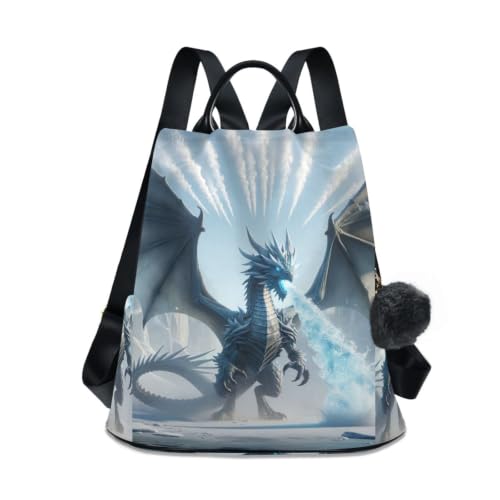
Measuring physical dimensions and internal liters provides immediate clarity when assessing airline under-seat rules or crowded subway car navigation. Bags from brands such as Joisal and TSENQUE illustrate how streamlined silhouettes can combine creative exterior prints with practical anti-theft storage layouts. If you also spend time on weekend outdoor adventures, examining budget-friendly daypack options helps clarify the functional differences between lightweight city packs and rugged wilderness gear. Selecting the appropriate volume preserves mobility, protects fragile electronics, and keeps your shoulders relaxed throughout long travel days.



Physical Dimensions, Usable Space, and Everyday Carry Reality of a 17L Pack
A seventeen-liter backpack represents an intentional middle ground between an ultra-compact hydration sling and a traditional school bookbag. Knowing exactly how this volume translates to physical measurements prevents the frustration of buying a bag that cannot close over your laptop or lunch container. This volume rating reflects total enclosed internal capacity rather than exterior footprint alone. By breaking down linear dimensions, internal pocket displacement, and real-world loading limits, you can easily determine whether this compact size matches your daily routine.
Translating Liters to Linear Inches and Exterior Dimensions
Backpack manufacturers measure volume using standard fluid or dry displacement, where seventeen liters equals roughly 1,037 cubic inches of space. In real physical dimensions, an average seventeen-liter backpack stands between 15.5 and 17 inches tall, spans 11 to 12 inches across the front, and maintains a depth of 5 to 6.5 inches when fully packed. These exterior measurements make the pack noticeably slimmer than standard twenty-five-liter school bags that often bulge eight or nine inches out from the spine. As a result, the pack creates a low-profile silhouette that stays tucked neatly against your back without snagging on doorframes or crowded train passengers.
Exterior dimensions can vary slightly depending on whether a pack features rigid foam structuring or soft, flexible polyester panels. Bags with flat bases and padded front walls maintain their exterior box shape even when carrying only a notebook and a phone. Softshell designs, such as casual fashion daypacks from Joisal, can compress down to barely three inches thick when carrying minimal gear. However, packing an unstructured bag to absolute maximum capacity causes the front fabric to round outward, increasing depth while slightly reducing usable vertical height.
Realistic Everyday Loadouts: What Actually Fits Inside 17 Liters
A seventeen-liter capacity comfortably accommodates a complete standard work-from-anywhere mobile setup for single-day use. You can easily slide in a slim laptop, a charging brick, a medium spiral notebook, a compact tech accessory pouch, a windbreaker or packable fleece, and a twenty-ounce water bottle. Personal essentials like a wallet, keys, smartphone, and sunglasses slip into quick-access or interior security pockets without intruding on the central chamber. This configuration leaves just enough room for a flat meal prep container or an apple without bulging the main zipper track.
Certain bulky items will immediately overwhelm a seventeen-liter interior and should be left at home or carried in a secondary tote. Full-sized athletic shoes, heavy winter parkas, and thick multi-ring binders consume far too much cubic volume for this compact footprint. Packing an oversized sweatshirt alongside gym clothes will typically force out your lunch container or stretch the main opening past comfortable limits. Understanding these spatial boundaries helps commuters pack intentionally rather than fighting jammed zipper sliders every morning.
Laptop Compartment Sizing and Device Impact Protection
Most seventeen-liter packs are tailored around modern portable computers, providing dedicated sleeves that hold thirteen-inch to standard fourteen-inch laptops. Many slim fifteen-inch ultrabooks will also slide into these compartments provided their chassis bezels are narrow and streamlined. However, thick seventeen-inch gaming laptops or heavy mobile workstations with bulky cooling vents will generally exceed the width and depth of a seventeen-liter sleeve. Checking the precise sleeve width against your specific computer dimensions prevents unexpected fit issues before you commute.
Device safety depends heavily on sleeve construction and whether the bag includes a suspended false bottom. A false bottom keeps the internal laptop sleeve suspended an inch or more above the base of the backpack. When you set your bag down quickly on a concrete transit floor or tile hallway, the suspended design prevents the lower edge of your computer from taking a direct vertical strike. In budget-friendly or minimalist lifestyle packs lacking a built-in false bottom, adding a slim neoprene sleeve provides crucial secondary shock absorption.
Airline Personal Item Compliance and Regional Flight Travel
Frequent air travelers frequently praise seventeen-liter backpacks because they fit comfortably within domestic and international personal item dimensional limits. Major domestic carriers typically establish personal item parameters around 18 x 14 x 8 inches, which a seventeen-liter bag easily satisfies. Even strict budget airlines that enforce tight rectangular sizing boxes at boarding gates readily accept a bag measuring roughly 16 x 11 x 5.5 inches. Carrying a pack that slides under the forward passenger seat spares you from gate-check fees and crowded overhead storage bins.
Under-seat placement remains remarkably consistent across different aircraft, but regional commuter jets present unique spatial quirks. Many smaller regional planes have passenger seats fitted with protruding metal electronics boxes or narrow floor supports that restrict footwell volume. Because a seventeen-liter pack maintains a shallow depth profile, you can slide it horizontally or vertically under narrow seats without cramping your legroom. Keeping critical travel documents, medications, and charging cords at your feet ensures seamless in-flight access throughout your journey.
Comparing 17 Liters to Adjacent Backpack Volume Categories
Evaluating nearby capacity brackets reveals why seventeen liters functions as a balanced everyday sweet spot. Ultra-compact fifteen-liter bags excel for fast cycling commutes or simple trail walks, but they frequently lack room for a lunch container or an extra warm layer once a laptop is packed. Stepping down to fifteen liters forces extreme minimalism, often requiring you to carry bulkier items in your hands. A seventeen-liter interior grants that small margin of extra vertical depth needed to handle erratic weather and shifting daily schedules.
Moving upward into the twenty-two to twenty-six-liter category introduces substantial packing flexibility, but it brings added physical bulk. Larger commuter bags accommodate full gym gear, backup shoes, and multiple thick textbooks alongside your daily workstation. However, those larger packs tend to droop or fold awkwardly when only partially filled, creating an unnecessarily wide profile during crowded subway rides. The seventeen-liter size retains an agile, clean aesthetic that stays proportionate on smaller frames and prevents excessive overpacking.
When planning backcountry expeditions or long multiday treks, lightweight urban packs yield entirely to specialized outdoor equipment. Comparing a compact city bag with heavy-duty internal frame packs highlights how wilderness gear prioritizes rigid lumbar transfer and heavy cargo endurance over low-profile urban transit. A seventeen-liter pack deliberately abandons heavy internal stays in favor of nimble portability and quick access. Matching pack capacity to your actual operating environment prevents carrying unnecessary structural weight through city corridors.
Harness Ergonomics and Carrying Comfort for Compact Loads
Even lightweight packs require thoughtful harness geometry to prevent shoulder and neck tension during extended walking commutes. Quality seventeen-liter packs utilize contoured shoulder straps filled with resilient ethylene-vinyl acetate foam to distribute pressure evenly across the clavicle. Flat, unpadded webbing straps can dig uncomfortably into sensitive trapezius muscles when loaded with a laptop, charger, and full metal water bottle. Ensuring that strap padding extends completely over the shoulders prevents focal pressure points from developing during long pedestrian commutes.
Proper weight distribution inside a compact pack directly influences your posture and spinal balance. Dense, heavy objects like laptops and paper notebooks should always be packed flush against the back panel to keep the center of gravity close to your spine. Allowing heavy items to shift outward toward the exterior panel creates leverage that pulls your shoulders backward, triggering compensatory forward head posture. Tightening the shoulder straps until the pack rests snugly between your shoulder blades and mid-back stabilizes the load efficiently.
Back panel breathability represents another critical ergonomic factor, especially when commuting in humid or warm weather. Packs constructed with flat, non-breathable exterior fabric trap body heat and moisture against your shirt, leading to uncomfortable sweat accumulation. Many daily commuter packs incorporate three-dimensional air mesh panels or molded central airflow channels to encourage passive air circulation across your spine. While compact bags do not generate the intense thermal buildup of thirty-liter hiking bags, good ventilation significantly enhances everyday walking comfort.
Storage Architecture: Pockets, Dividers, and Anti-Theft Security
Internal pocket architecture heavily dictates how much usable volume remains inside a seventeen-liter shell. Bags equipped with dense grids of pen slots, key clips, and padded accessory sleeves offer excellent micro-organization, but those dividers consume physical depth. If every small pocket is stuffed with bulky chargers and dongles, the main cavity narrows, reducing room for flat lunch boxes or folded clothing. Balancing dedicated tech sleeves with an unobstructed central cargo well maximizes the practical utility of a compact footprint.
Security-focused layouts, such as rear-access main zipper designs found in models from TSENQUE and Joisal, place zipper tracks against the wearer’s back. This rear-entry configuration prevents unauthorized opening while you wait on crowded train platforms or walk through busy public squares. In addition to security benefits, rear-facing panels often provide a smooth, flat exterior face that repels incidental street splashes. Keeping valuables shielded behind your torso provides peace of mind in high-density urban environments.
Side pocket functionality varies widely across lifestyle and commuter packs, especially regarding bottle retention. Elastic mesh pockets stretch to grip standard twenty-ounce insulated bottles, while flat fabric slip pockets often struggle to hold containers wider than 2.8 inches in diameter. Attempting to force a thirty-two-ounce wide-mouth flask into a tight side pocket can stretch seams or push inward, stealing valuable space from the main compartment. Contrast this minimalist storage with insulated cooler daypacks that dedicate thick internal walls to thermal protection rather than general utility.
Fabric Selection, Weather Resistance, and Hardware Durability
Everyday urban packs rely on synthetic textiles like polyester and nylon weaves to achieve a practical balance of low tare weight and tear resistance. High-density polyester fabrics resist daily scuffs, sidewalk friction, and public transit grime without adding unneeded base poundage. Many casual bags feature smooth printed polyester exteriors treated with light polyurethane backing laminates to ward off damp city air. Choosing sturdy fabrics ensures that your bag withstands abrasive locker hooks, desk corners, and transit vehicle floors over years of routine use.
Inclement weather demands realistic expectations regarding fabric water resistance versus complete seam waterproofing. Standard water-repellent coatings cause light drizzle to bead and roll off the exterior surface, protecting interior electronics during brief walks. However, persistent heavy rain can eventually seep through needle perforations along unsealed seams or between standard exposed zipper teeth. If you commute regularly on foot through torrential weather, pairing your pack with a compact rain cover or storing electronics inside water-resistant interior pouches is prudent.
Care, Cleaning, and Longevity Practices for Everyday Packs
Maintaining coated synthetic packs requires gentle cleaning methods to avoid degrading protective water-resistant laminates. Agitating a technical or fashion backpack inside a home washing machine can peel internal polyurethane coatings and weaken structural seam tape. The safest cleaning routine involves wiping exterior stains with a soft damp cloth, lukewarm water, and a drop of gentle non-detergent soap. Allowing the bag to air-dry completely in a shaded, well-ventilated room preserves fabric elasticity and prevents mildew formation.
Routine inspection of high-stress hardware components prolongs the active lifespan of your daily carry investment. Examine the stitching where shoulder straps anchor to the main body, as carrying dense electronics places constant tension on these upper joints. Clearing dust, lint, and sand from nylon zipper coils prevents sliders from derailing or splitting under normal closing pressure. Applying a quick dab of zipper lubricant or clear silicone spray once a year keeps slider tracks gliding smoothly across curved bag corners.
Determining if a 17-Liter Backpack Matches Your Daily Routine
Selecting a seventeen-liter backpack makes exceptional sense if you value agility, clean styling, and minimal physical strain during your daily travels. Minimalist office commuters, college students with digital textbooks, and light travelers seeking an effortless personal item benefit immensely from this focused size. The streamlined volume actively discourages hoarding unnecessary clutter, keeping your daily carry light and organized. If your daily equipment consists of modern tech, simple writing tools, and a single light layer, seventeen liters provides an ideal balance.
Conversely, sizing up to a twenty-four or thirty-liter backpack remains necessary if your routine involves carrying heavy physical gear or variable outdoor apparel. Parents carrying child supplies, athletes hauling bulky footwear, and students juggling multiple paper binders will find seventeen liters restrictive. Evaluating what you truly need between morning departure and evening return guarantees that your chosen bag supports your lifestyle without bursting at the seams. Choosing the right volume transforms your daily commute from a cumbersome chore into a streamlined, comfortable routine.
A seventeen-liter backpack proves that careful spatial engineering easily outshines sheer storage volume for routine daily carry. By matching your tech gear to internal sleeve tolerances and packing dense items close to your back, this compact format delivers outstanding comfort and mobility. Whether you are navigating busy city sidewalks, boarding a cross-country flight, or heading to a quiet coffee shop, a well-chosen seventeen-liter pack carries everything you need without slowing you down.







Write Your Review
No reviews yet. Be the first to share your experience!