


Selecting the right pack for daily transit often comes down to balancing compact external dimensions against usable internal volume. Commuters and minimalists frequently ask how big is a 17 litre backpack when searching for a bag that maneuvers easily through crowded trains without feeling like an oversized travel bag. In volume terms, seventeen liters occupies a sweet spot in the compact everyday carry class, bridging the gap between small hydration packs and bulky school bookbags. This specific capacity holds roughly 1,037 cubic inches of gear, making it exceptionally nimble for urban navigation and campus life. When evaluating budget daypack options, understanding these physical boundaries prevents buyer remorse from purchasing either a cramped pouch or an excessively bulky sack.
From an everyday utility standpoint, a seventeen-liter volume offers enough structured space to house a compact laptop, tech chargers, a water bottle, and a light jacket. Brands like Joisal and TSENQUE often utilize this silhouette for streamlined fashion and commuter bags with rear-access security zippers. The exterior footprint stays close to your back, maintaining an aerodynamic profile that avoids bumping into passengers in narrow aisles or coffee shops. Because it adheres closely to standard airline personal item dimensions, this size also serves as an outstanding secondary travel pack. Deciding whether this capacity meets your routine carrying demands requires a close inspection of interior measurements, device clearance, and gear layout.

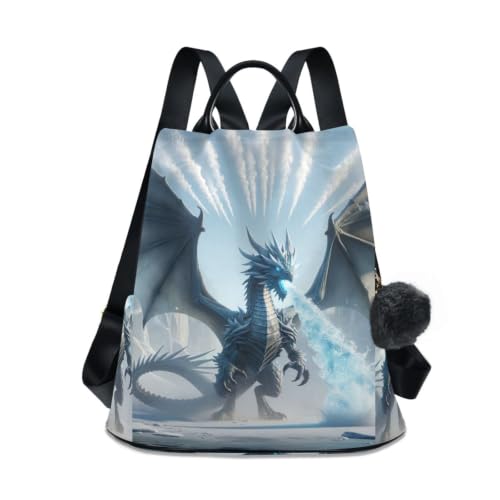


Understanding the Physical Dimensions and Capacity of a 17-Liter Backpack
Determining whether a seventeen-liter pack fits your lifestyle requires translating abstract volume numbers into tangible gear loads. A 17L backpack provides a compact, lightweight profile designed for agile movement rather than multi-day hauling. While outdoor gear manufacturers measure pack capacity using fluid liters, daily commuters experience size through physical compartment boundaries and pocket depth. Understanding these spatial limits helps you pack efficiently while avoiding unnecessary bulk during transit.
Cubic Volume and Standard Physical Dimensions in Inches and Centimeters
In volumetric terms, seventeen liters equals precisely 1,037.4 cubic inches or 17,000 cubic centimeters. In standard exterior measurements, a typical seventeen-liter bag measures approximately 15.5 to 17 inches in height, 10.5 to 11.5 inches in width, and 5 to 6.5 inches in depth. These measurements can fluctuate slightly depending on whether the manufacturer chooses an elongated teardrop shape or a boxier rectangular silhouette. A flatter, wider shape often maximizes internal organization, whereas a curved profile tends to sit closer to the natural curvature of your spine.
External pocket configurations also play a major role in how these dimensions behave in practice. Packs featuring recessed water bottle pockets or flush front zippered panels preserve their slim exterior footprint even when fully packed. Conversely, exterior pouch designs can push the effective depth beyond seven inches if you pack bulky chargers or oversized bottles. Paying attention to these exterior depth dimensions prevents the pack from sticking out awkwardly and snagging on subway turnstiles or bus seats.
What Actually Fits Inside a 17-Liter Main Compartment
Visualizing the interior capacity of a seventeen-liter bag is easiest when thinking in terms of realistic daily items. You can comfortably load a 13-inch laptop, a medium spiral notebook or textbook, a tablet, an over-ear headphone case, and a compact tech organizer pouch. In addition to work or study gear, there is generally enough vertical room left for a packed lunch container and an insulated 20-ounce water bottle. If the weather turns brisk, a compressible windbreaker or lightweight fleece can easily be folded and slid across the top.
Bulk management becomes the primary challenge when packing bulkier cold-weather apparel or structured shoes. A pair of running shoes or a heavy knitted sweater will instantly consume over half of the main cavity, leaving minimal room for larger notebooks or lunch boxes. Commuters who prefer to carry gym apparel alongside tech gear may need to roll garments tightly rather than folding them flat. When packed thoughtfully, a seventeen-liter volume supports a complete, streamlined workday routine without carrying dead weight.
Laptop Sizing and Device Sleeve Clearance Limits
Tech protection in a seventeen-liter silhouette requires checking the manufacturer’s dedicated sleeve dimensions before purchasing. Most packs in this capacity bracket are optimized to fit standard 13-inch and 14-inch laptops comfortably. Some streamlined models with thin side bezels can accommodate slim 15-inch ultrabooks, provided the interior height reaches at least 15 inches. However, bulky 15.6-inch gaming laptops or 16-inch mobile workstations with wide chassis corners typically stretch sleeve seams or prevent the main zipper from closing smoothly.
Device safety also depends heavily on how the laptop compartment base is constructed. Quality commuter packs incorporate a suspended false bottom that hovers half an inch above the bag base to shield tech from ground impact when dropping the bag on hard floors. If your preferred seventeen-liter bag lacks bottom padding, adding an aftermarket padded sleeve will increase protection, though it eats into overall main compartment depth. Checking both device width and corner radius ensures your computer slides in and out without fighting tight zipper tracks.
Everyday Carry Scenarios: Office, College, and Light Day Hikes
For corporate and hybrid office workers, a seventeen-liter pack provides a tidy silhouette that complements business casual attire. It holds essential hardware, charging cables, documents, and small personal grooming items without bulging into a shapeless mass. Brands like Joisal and TSENQUE cater specifically to urban commuters by incorporating rear-access theft-deterrent zippers that rest against the wearer’s back. This setup keeps expensive electronics and passports secure during transit through crowded train stations or bustling downtown crosswalks.
College students and day hikers will find distinct advantages and limitations with this volume profile. University students carrying a single laptop and a couple of softcover notebooks will appreciate how the light profile speeds up walking across sprawling campuses. Outdoor recreationists can utilize seventeen liters as a nimble summit daypack for trail snacks, a rain shell, a trail map, and a hydration bladder. While large structured frame backpacks excel at hauling heavy trail equipment over multi-day treks, a light seventeen-liter frameless bag provides unhindered agility on brief nature trails.
Airline Personal Item Compliance and Under-Seat Clearance
Frequent flyers will find that a seventeen-liter backpack represents one of the most reliable options for under-seat personal item carry. Most major domestic and international airlines enforce personal item limits around 18 x 14 x 8 inches, which comfortably accommodates a standard 17L bag. Because the uncompressed height of these packs rarely exceeds 17 inches, the bag slides effortlessly under regional jet seats without protruding into your legroom. This dimensional compliance helps travelers avoid gate-check fees and crowded overhead bin scuffles on fully booked flights.
Under-seat storage space can still vary significantly depending on aircraft configuration and your specific seat assignment. Window and aisle seats often feature under-seat entertainment equipment boxes that narrow the floor opening by several inches. A soft-sided seventeen-liter pack offers sufficient structural flexibility to compress around these floor obstacles where rigid luggage fails. Keeping exterior attachment points minimal also ensures the bag glides in and out from under the seat without catching on floor track hardware.
Comparing 17 Liters to 15-Liter and 20-Liter Backpacks
Understanding how seventeen liters fits into the broader size hierarchy clarifies whether you need to size up or down. A 15-liter backpack leans heavily toward minimalist hydration and running use, offering just enough space for a tablet, windbreaker, and wallet. Jumping from 15L to 17L provides roughly 122 additional cubic inches, which is often the exact volume required to fit a proper 14-inch laptop sleeve and an internal organizer. That modest increase transforms a specialized outdoor pack into a genuinely capable everyday workhorse.
Conversely, stepping up to a 20-liter backpack expands carrying depth by another 180 cubic inches. That extra space allows users to pack a secondary sweater, a wider insulated food thermos, or a set of over-ear headphones in a rigid travel case. If you routinely pack lunch containers, tech gear, and specialty items like those covered in our specialized cooler daypack guide, the added breathing room of twenty liters may prove beneficial. For strictly digital carry with minimal physical accessories, seventeen liters avoids the temptation to overpack unnecessary gear.
Packing Geometry and Center-of-Gravity Management
Maximizing the usable capacity of a seventeen-liter shell requires thoughtful packing geometry. Because compact bags have limited interior depth, placing flat, heavy objects flush against the back panel establishes an optimal center of gravity. Stacking your laptop and notebooks vertically against the spine keeps weight close to your body and prevents the pack from sagging outward. Mid-weight items like pencil cases, tech organizers, and toiletry kits should occupy the middle core of the bag.
Lighter and irregularly shaped items are best packed near the top or inside dedicated quick-access pockets. Squishing a lightweight jacket or hat across the upper perimeter utilizes dead space without compressing fragile electronic accessories below. It also helps to avoid placing rigid, boxy items directly across from each other, which creates awkward bulge points that strain exterior seams. Following this layered packing discipline keeps your pack balanced, stable, and surprisingly spacious despite its compact liter rating.
Harness Comfort and Carrying Ergonomics for Compact Packs
Carrying comfort in smaller daypacks depends largely on strap design and foam density rather than heavy suspension frames. Because seventeen-liter bags carry lighter loads, they generally utilize contoured EVA foam shoulder straps without heavy metal stays. These contoured straps distribute weight evenly across the trapezius muscles without digging into collarbones during extended walking commutes. Some models incorporate an adjustable sternum strap, which stabilizes the pack across your chest and prevents strap slippage when walking briskly.
Back panel construction also directly influences daily comfort, especially in warm and humid environments. Compact bags rest flush against your back, which can cause heat buildup without proper ventilation channels. Look for back panels featuring breathable air-mesh padding or molded vertical grooves that promote natural airflow while walking. Keeping overall pack weight under twelve pounds ensures that unpadded hip areas remain comfortable throughout long days on your feet.
Fabric Density, Hardware Choices, and Everyday Durability
Durability in everyday commuter backpacks depends heavily on the fabric denier and hardware quality chosen by the maker. Lightweight fashion and commuter backpacks frequently employ polyester or nylon fabrics ranging from 200D to 600D. These denier ratings provide sufficient tensile strength and tear resistance for subway transit while keeping the empty tare weight remarkably light. Lighter shell fabrics allow the bag to remain comfortable during long walking days without adding dead weight before gear is loaded.
Hardware components such as zipper coils and sliders deserve careful evaluation when assessing overall longevity. Everyday packs with reverse-coil zippers offer clean exterior lines and modest splash resistance against light drizzle. Brands utilizing smooth-gliding nylon coil zippers with metal pull tabs ensure daily access remains seamless without snagging on interior lining fabric. Checking for reinforced bar-tack stitching at high-stress shoulder strap anchor points provides peace of mind that seams will not unravel under routine daily loads.
Who Should Choose a 17-Liter Backpack and When to Size Up
A seventeen-liter backpack represents an ideal match for minimalist commuters, remote workers carrying compact tech setups, and travelers seeking an under-seat personal item. If your daily packing list consists of a 13-inch or 14-inch laptop, charging cables, a slim notebook, a standard water bottle, and small personal essentials, this volume delivers unmatched agility. It encourages disciplined packing habits, eliminates unnecessary clutter, and maintains a sleek profile that looks at home in corporate offices and coffee shops alike.
Sizing up to twenty-four or thirty liters becomes necessary if your daily routine requires hauling bulky academic textbooks, thick winter apparel, or athletic footwear. Parents carrying supplies for toddlers or photographers transporting heavy camera lenses will also find seventeen liters overly restrictive. Evaluating your exact daily item inventory before buying ensures you select a capacity that supports your routine effortlessly. When packed according to its intended minimalist purpose, a seventeen-liter backpack provides the ideal balance of functionality, ergonomics, and mobility.







Write Your Review
No reviews yet. Be the first to share your experience!