


Navigating the balance between daily mobility and adequate gear storage often comes down to internal volume calculations. When planning daily carry setups for work, school, or weekend travel, understanding exactly how big is a 21 liter backpack helps prevent buying an oversized pack or running out of room for essential items. A twenty-one liter bag sits squarely in the compact everyday carry sweet spot, offering enough volume for modern daily tools without adding unwanted bulk to your commute. Many urban travelers and students appreciate how this specific capacity maintains a sleek profile on crowded public transit while still fitting standard tech accessories and hydration bottles. Exploring budget daypack options highlights how efficient compartment layouts maximize every cubic inch of internal space.
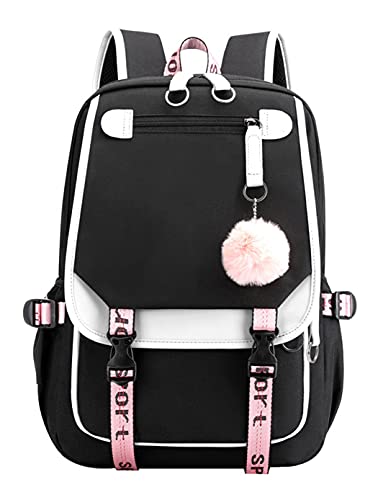
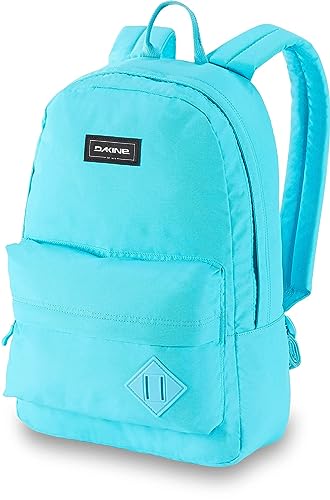
Exterior dimensions on a standard twenty-one liter bag generally measure close to eighteen inches tall, twelve inches wide, and seven inches deep. This physical footprint allows the pack to slide effortlessly beneath most commercial airline seats as a personal item while keeping heavier gear positioned comfortably along your spine. Whether you choose streamlined lifestyle options like the Dakine 365 Pack or multi-pocket student designs from JiaYou, this volume bracket handles a standard laptop, a light outer layer, notebooks, and charging cords with ease. Evaluating how big is a 21 liter backpack in terms of daily utility reveals why so many commuters consider it the ideal middle ground between minimalist daypacks and bulky travel luggage.




Understanding 21-Liter Backpack Dimensions and Usable Storage
Determining whether a twenty-one liter bag meets your daily requirements begins with understanding how liquid volume translates into physical exterior measurements and usable internal room. In the outdoor and everyday carry industries, internal volume is standardized using liters, where one liter equals roughly sixty-one cubic inches of capacity. A twenty-one liter bag provides approximately twelve hundred and eighty-one cubic inches of storage space, making it an archetypal mid-sized daypack. While exterior dimensions shift slightly between manufacturers based on pocket geometry and padding thickness, most options maintain a consistent silhouette engineered to sit comfortably on an adult torso. Exploring the exact mechanics of this volume tier reveals how it balances streamlined mobility with genuine everyday utility.
Physical Dimensions and Cubic Volume Equivalents
Visualizing twelve hundred and eighty-one cubic inches of space helps clarify whether a bag will accommodate your standard daily loadout. In terms of external measurements, a typical twenty-one liter pack stands approximately eighteen inches tall, twelve inches wide, and seven inches deep. If you visualize standard two-liter soda bottles, a bag with this rating holds the physical equivalent of ten and a half bottles. Some designs stretch slightly taller at nineteen inches to create a narrower, more aerodynamic profile, while others widen to thirteen inches to accommodate broad folders and flat binders.
These external measurements keep the backpack centered between your shoulder blades without extending awkwardly beyond the width of your torso. When fully packed, the depth stays relatively compact, which prevents heavy gear from pulling backward away from your spine and straining your lower back. The streamlined depth also ensures you can navigate crowded commuter trains, narrow university lecture halls, and tight coffee shop aisles without bumping into people or furniture. Understanding these baseline measurements provides a clear reference point before you begin packing your daily essentials.
Real-World Packing Loadouts: What Truly Fits Inside
Testing the practical storage capacity of a twenty-one liter daypack illustrates just how versatile this mid-sized volume can be for everyday routines. A well-organized daily loadout can comfortably include a fifteen-inch laptop, a charging brick with cords, a tablet, and a standard spiral notebook or planner. Alongside your core electronics, the main compartment easily accepts a medium lunch container, a compact tech accessory pouch, and a lightweight fleece jacket or packable rain shell. Elastic exterior side pockets provide dedicated storage for a standard twenty-four-ounce water bottle or a compact folding umbrella without stealing space from the interior.
Recognizing the physical boundaries of this capacity is equally essential to prevent overstuffing and damaging seam stitching. Attempting to carry bulky gym sneakers, an extra change of clothes, multiple thick hardcover textbooks, and a heavy winter coat simultaneously will overwhelm a twenty-one liter compartment. When the main cavity is overfilled, internal pressure pushes against exterior zippers, making sliders difficult to pull and risking split coils. Packing with intentionality ensures that every item has designated space while preserving the structural integrity and comfort of the bag.
Laptop Sleeve Integration and Device Compatibility
Protecting valuable technology stands as a central requirement for professionals and students seeking a dependable twenty-one liter everyday carry bag. Most packs in this volume bracket, including options like the Dakine 365 Pack 21L, incorporate a dedicated interior laptop sleeve engineered to fit devices with screen sizes up to fifteen inches. This sleeve is strategically placed directly against the back panel to keep the heaviest, most rigid item positioned securely against your center of gravity. Before purchasing, verify your specific laptop chassis dimensions, because bulky seventeen-inch workstation computers or thick gaming laptops will exceed standard sleeve measurements.
Evaluating the protective design of the interior sleeve requires checking whether it features a suspended false bottom. A false bottom suspends the base of the laptop pocket an inch or two above the bottom seam of the backpack, preventing your computer from colliding directly with the floor when setting the pack down. Bags with unpadded bases or sleeves that extend flush to the bottom panel leave delicate laptop corners vulnerable to shock damage from accidental drops. If your chosen pack lacks a suspended sleeve, adding a slim aftermarket neoprene sleeve provides valuable extra cushioning, though it will consume a slight amount of internal depth.
Airline Personal Item Compliance and Travel Utility
Frequent air travelers often select a twenty-one liter backpack because it aligns neatly with domestic and international airline personal item sizing rules. Major carriers such as Delta, United, and American typically cap personal item dimensions around eighteen inches high, fourteen inches wide, and eight inches deep. Because an uncompressed twenty-one liter pack averages eighteen by twelve by seven inches, it fits comfortably inside gate sizer boxes and slides smoothly under forward cabin seats. Carrying a pack that complies with under-seat dimensions allows you to bypass crowded overhead bins and avoid unexpected baggage fees at the boarding gate.
Navigating regional jets or budget airlines, however, requires paying close attention to under-seat clearance anomalies. Seats positioned near window bulkheads or equipped with under-seat electronics boxes often feature reduced floor clearance that can catch on rigid pack corners. Overpacking a twenty-one liter bag until the front panel rounds outward can push the depth past eight inches, making it difficult to stow beneath restricted seat frames. Packing compressible clothing and avoiding rigid items in front exterior pockets keeps the pack pliable enough to adapt to tight spaces during transit.
Comparing 21 Liters to Smaller and Larger Pack Sizes
Comparing a twenty-one liter backpack to adjacent volume brackets demonstrates why it remains such a popular compromise for daily routines. A compact fifteen- to sixteen-liter daypack provides a lighter silhouette, but it often lacks sufficient depth to fit an extra clothing layer alongside a laptop and food container. Moving up to a twenty-eight or thirty-liter pack offers generous space for multiple textbooks, gym clothes, and travel toiletries, but the extra fabric creates noticeable bulk on crowded transit platforms. A twenty-one liter model hits an ergonomic middle ground, offering adequate cargo capacity without weighing down your daily stride.
Specialized outdoor journeys requiring heavy gear loads quickly highlight the functional distinctions between everyday daypacks and technical haulers. Reviewing internal frame pack support illustrates how multi-day trail packs rely on rigid internal stays and padded lumbar belts to transfer heavy loads onto the hips. In contrast, a twenty-one liter pack relies entirely on its shoulder harness and back panel to support daily weights, making it best suited for loads under fifteen pounds. If your routine demands hauling heavy sporting goods or multi-day camping equipment, transitioning to a structured load-bearing pack is essential for spinal comfort.
Interior Layouts: Single Cavity Versus Multi-Pocket Designs
The actual efficiency of a twenty-one liter backpack depends heavily on whether the interior layout features an open main bucket or a divided multi-compartment design. Minimalist models such as the Dakine 365 21L utilize a single cavernous main compartment complemented by a single front zip pocket. This open-cavity approach maximizes raw volume, giving you the freedom to pack bulky items like lunchboxes, camera cubes, or folded sweaters without feeling constrained by internal fabric walls. The tradeoff is that loose pens, cables, and keys can easily sink to the bottom of the compartment unless you use dedicated organizing pouches.
Conversely, multi-compartment bookbags such as the JiaYou student models distribute that twenty-one liter capacity across several structured pockets and integrated charging ports. These segmented sections provide designated slots for stationery, small electronics, textbooks, and personal accessories, keeping academic supplies tidy throughout a busy school day. The presence of internal divider fabric and multiple zipper tracks, however, steals a modest amount of usable depth from the main compartment. Deciding between these two styles depends on whether your daily routine requires open packing versatility or compartmentalized school organization.
Harness Ergonomics and Weight Distribution
Maintaining carrying comfort throughout an extended commute depends heavily on how effectively your twenty-one liter pack distributes weight across your upper body. Even though a twenty-one liter load rarely exceeds twelve to fifteen pounds, poor weight distribution can quickly cause shoulder fatigue and neck stiffness. Packing dense objects like laptops, books, and battery banks flush against the rear panel keeps the load close to your center of gravity. Shoulder straps padded with high-density EVA foam help spread downward pressure across the trapezius muscles without bunching or digging into your collarbones.
Certain heavy-duty packs handle dense cargo using specialized structural reinforcement, as demonstrated by insulated backpack cooler designs engineered to support ice and beverages without sagging. For an everyday twenty-one liter bag, adjusting the shoulder straps so the base rests comfortably near your lumbar curve prevents the pack from bouncing against your lower spine. Although packs in this size class rarely include load-lifters, an adjustable sternum strap can pull the shoulder straps inward, preventing slippage and stabilizing the load across your chest. Checking your strap adjustments regularly ensures an ergonomic fit throughout walking or cycling commutes.
Fabric Selection, Hardware Durability, and Weather Resistance
The longevity and resilience of a twenty-one liter backpack depend on the quality of its exterior fabrics, internal linings, and hardware components. Daily commuter packs frequently utilize durable polyester or nylon weaves ranging between three hundred and six hundred denier to provide abrasion resistance without excessive tare weight. Many brands treat these textiles with durable water repellent coatings on the exterior and apply a thin polyurethane laminate to the interior backing to repel light rain. Strong zipper tracks, reinforced box stitching, and durable acetal hardware ensure that the bag withstands repeated tension from full daily loads.
Preserving the weather resistance and structural strength of technical fabrics requires mindful cleaning habits rather than harsh washing methods. Placing a backpack in a standard washing machine or high-heat dryer can peel internal waterproof coatings, unravel seam tape, and crush the foam padding inside shoulder straps. Instead, spot-clean dirty exterior areas using a soft bristle brush, lukewarm water, and a mild detergent free of harsh optical brighteners or bleach. Allowing the pack to air dry completely in a shaded, well-ventilated space protects the fabric integrity and keeps the zippers operating smoothly for years.
Identifying the Ideal User Profile for 21-Liter Bags
A twenty-one liter backpack represents an optimal match for office commuters, college students, and minimalist urban travelers who prioritize functional agility over bulky capacity. It provides ample room for a fifteen-inch laptop, digital accessories, a light sweater, and daily hydration without requiring an oversized silhouette. Students from middle school to university benefit from its proportional dimensions, as seen in options like the JiaYou daypack that deliver reliable organization without overwhelming smaller torso lengths. It also functions admirably as a trail daypack for short day hikes where a hydration bottle, trail snacks, and a windbreaker are all you need.
Conversely, users who routinely transport bulky sports equipment, heavy musical instruments, or full changes of winter apparel will quickly find twenty-one liters too restrictive. One-bag travelers preparing for extended international trips will also need a larger thirty-five to forty-liter bag unless they practice extreme minimalist packing techniques. Evaluating your typical daily gear checklist against the twelve hundred and eighty-one cubic inches of usable space will determine whether this mid-sized volume suits your daily routine.
Understanding how big is a 21 liter backpack ultimately allows you to make an informed carrying choice that balances compact exterior dimensions with practical internal storage. Measuring approximately eighteen inches tall, twelve inches wide, and seven inches deep, this volume comfortably handles standard laptops, essential daily layers, and work supplies while fitting effortlessly under airplane seats. By assessing your storage requirements, verifying laptop pocket construction, and maintaining sensible packing habits, you can enjoy all the ergonomic and organizational benefits that a well-crafted twenty-one liter pack provides.






Write Your Review
No reviews yet. Be the first to share your experience!