


Finding the sweet spot between carrying capacity and compact mobility often brings commuters and students to mid-sized bags. Understanding how big is a 23 liter backpack helps you determine whether your daily electronics, notebooks, gym clothes, or travel essentials will fit without straining seams. Many buyers worry about purchasing a pack that ends up either too cramped for a standard laptop or unnecessarily bulky on crowded transit. Examining how cubic liter volume translates into exterior physical dimensions gives you clear expectations before you pack your gear.
In practical terms, a 23-liter capacity sits squarely in the versatile everyday carry bracket, serving corporate commuters, campus students, and day travelers alike. This volume typically accommodates a fifteen-inch laptop, a charger pouch, a light jacket, and a water bottle while maintaining a streamlined silhouette. If you are comparing versatile gear options across different budgets, reviewing budget-friendly daypack options can help you evaluate how value-tier packs balance volume and strap comfort. Ultimately, knowing the dimensional footprint of a 23-liter pack ensures your gear stays organized, protected, and easy to carry throughout the day.


Understanding 23-Liter Backpack Sizing, Dimensions, and Usable Capacity
Visualizing how big is a 23 liter backpack begins by translating volumetric liters into real-world exterior measurements and packing capabilities. A 23-liter pack offers roughly 1,400 cubic inches of internal storage, making it an ideal middle ground between ultralight daypacks and oversized travel haulers. This sizing accommodates daily essentials without feeling cumbersome against your back or extending past your torso width. The following breakdown explores physical measurements, packing versatility, transit ergonomics, and device compatibility to help you determine if this capacity fits your daily routine.
Exterior Physical Dimensions and Linear Measurements
Standard 23-liter backpacks usually measure roughly 17 to 19 inches in height, 11 to 13 inches in width, and 6 to 8 inches in depth when fully packed. These dimensions generate a total linear measurement between 34 and 40 inches, which keeps the bag within standard personal item thresholds for many airlines. Unpacked or lightly loaded bags can compress slightly thinner, whereas rigid designs maintain their structure regardless of load. Checking the manufacturer exterior measurements is always advisable because exterior shell padding and hard materials can alter overall bulk.
Torso fit also depends heavily on these exterior measurements. Because the height rarely exceeds 19 inches, a 23-liter pack rests naturally along most adult and teenage back lengths without pressing uncomfortably into the lower lumbar spine. Short torsos benefit from the restrained vertical profile because the base does not hit the tailbone during normal walking strides. Taller individuals will find that the bag sits higher on the upper back, which helps maintain balanced weight distribution close to the body.
Depth is the dimension that varies most depending on how you pack your gear. Flexible nylon and polyester packs can expand from a slim four-inch profile when empty to over eight inches when crammed with bulky items. Structured packs or aerodynamic commuter bags maintain a fixed depth that preserves their silhouette regardless of contents. Being mindful of pack depth prevents you from accidentally bumping into fellow passengers on crowded buses or subway cars.
Real-World Packing Capacity: What Actually Fits Inside
Inside the main compartment of a 23-liter pack, you can expect to fit a substantial array of daily commuter or campus gear. A standard packing load might include a fifteen-inch laptop, a tablet, a spiral notebook, a paperback textbook, and a medium tech organizer pouch. In addition to work or school tools, there is usually enough extra room for a packable rain shell or a light fleece sweater. You can also slip a compact lunch container into the base if you avoid overpacking bulky rigid cases.
Bulkier gear requires careful packing strategies to prevent pocket blowout. Packing athletic shoes alongside a full tech kit, for instance, can quickly consume the majority of the 23-liter volume and push outward against the exterior zippers. If you frequently need to carry running shoes or specialized gear alongside your daily electronics, you might need to use external lash points or look into a daypack with cooler compartment to separate temperature-sensitive items or bulky tools. For standard office, campus, or casual urban duties, however, 23 liters offers ample room for daily essentials.
Small organizational items also find convenient homes in a pack of this capacity. Pens, charging cables, power banks, keys, and transit passes fit neatly into front admin organizers without cluttering the primary storage well. Placing flatter items like folders and notebooks along the back wall preserves the deep center cavity for thicker gear. This strategic balance ensures that you do not have to dig blindly to find smaller accessories at the bottom of the bag.
Airline Personal Item Compliance and Flight Travel
Frequent air travelers often favor 23-liter packs because they routinely comply with airline personal item guidelines. Major domestic carriers typically define under-seat personal items around 18 by 14 by 8 inches, which aligns closely with the footprint of an average 23-liter silhouette. Slipping the pack beneath the seat in front of you keeps your electronics, headphones, snacks, and travel documents easily accessible throughout the flight. This eliminates the anxiety of fighting for overhead bin space on crowded aircraft.
Strict international airlines and budget regional carriers sometimes impose tighter personal item limits, occasionally restricting depth to six or seven inches. An overstuffed 23-liter pack made of flexible synthetic fabrics can easily bulge past eight inches in depth if you cram the front quick-access pockets full. Packing flexible items flat and utilizing side compression straps helps compress the profile so it slides effortlessly into airline measuring frames. Checking regional airline requirements before departure ensures you avoid unexpected gate-check baggage fees.
Laptop Compartment Engineering and Device Protection
Dedicated tech storage is a defining feature of modern 23-liter bags designed for campus and office use. Most models in this size tier feature a padded laptop compartment designed to accommodate devices with screen sizes up to 15 or 15.6 inches. Some compact packs accommodate 13-inch or 14-inch laptops with extra room for a protective tablet sleeve. Devices with wide bezels or heavy workstation dimensions should always be measured manually against the manufacturer interior sleeve dimensions before buying.
Impact protection is just as critical as raw pocket sizing when transporting fragile mobile computers. Premium bags incorporate a suspended false bottom, which elevates the laptop sleeve an inch above the pack base to prevent ground impacts when setting the bag down. Budget-friendly models often rely on standard closed-cell foam padding around the perimeter of the pocket. If your bag lacks a raised false bottom, sliding your laptop into a slim neoprene protective sleeve adds an extra layer of defense against accidental drops.
Comparing 23 Liters to Other Popular Everyday Carry Sizes
Comparing 23-liter packs to adjacent size brackets clarifies why this specific volume is so popular. Compact 15 to 18-liter bags offer a very slim, minimalist profile, but they often struggle to hold a lunch container or an extra layer alongside a laptop. On the other end of the scale, 28 to 32-liter bags provide immense packing freedom, yet they can feel excessively bulky on crowded commuter trains or school hallways. A 23-liter bag strikes a practical balance by providing adequate expansion without protruding awkwardly from your back.
Outdoor and trail recreationists also view 23 liters as an optimal day-hiking volume. While an internal frame pack design is essential for heavy multi-day trail expeditions, a frameless 23-liter pack carries hydration reservoirs, emergency layers, and trail rations comfortably for half-day excursions. The lighter empty tare weight allows you to move quickly on foot or on a bicycle. This versatility makes the pack useful across urban transit, campus classrooms, and local nature paths.
When selecting between these size brackets, analyzing your typical daily cargo prevents common buyer mistakes. If you rarely carry more than a tablet, a novel, and a water bottle, stepping down to a 16-liter minimalist daypack may feel less restrictive. However, if your day requires transitioning seamlessly from office work to a gym session or evening study hall, the extra cubic inches of a 23-liter shell provide essential breathing room. That flexibility ensures you do not outgrow your pack when seasonal layers or extra projects arise.
Compartment Architecture: Open Cavities vs Admin Pocket Grids
The internal architecture of a backpack drastically changes how much usable gear fits into its 23-liter rating. Bags designed with one large cavernous main compartment maximize bulk packing volume, making them great for packing bulky jackets, lunch boxes, or textbooks. Conversely, packs with intricate admin panels, separate tech sleeves, and multiple front zip pockets divide that volume into smaller slices. While divided pockets keep pens, chargers, and keys neat, they can limit your ability to pack thick, rigid objects.
External storage elements like stretch water bottle pockets also influence daily convenience. Side pockets built with elastic mesh or gusseted fabric can securely hold standard 20 to 24-ounce insulated bottles without stealing room from the main interior cavity. Shallow or static slip pockets, however, can rob internal depth when a wide bottle is pushed into place. Choosing a pack with well-engineered exterior pockets preserves internal storage while keeping hydration tools immediately accessible.
Harness Ergonomics, Strap Padding, and Weight Distribution
Carrying comfort in a 23-liter pack depends on the engineering of the shoulder straps and back panel. When packed with electronics, chargers, and books, a full 23-liter bag typically weighs between 10 and 16 pounds. Without proper weight distribution, that load can pull back against the trapezius muscles and cause shoulder ache during long transit walks. Contoured, ergonomic shoulder straps padded with dense EVA foam help distribute that pressure evenly across the upper chest and shoulders.
Adjustable sternum straps further stabilize the load by pulling the shoulder straps inward toward the center of your chest. This prevents the straps from slipping outward off your shoulders when walking vigorously or riding a scooter or bicycle. Back panel design is equally influential, especially in warmer weather or humid environments. Molded air channels, raised foam ridges, and breathable air mesh facilitate airflow across your back, helping reduce heat buildup and moisture accumulation during summer commutes.
Commuter, Student, and Motorcycling Design Differences
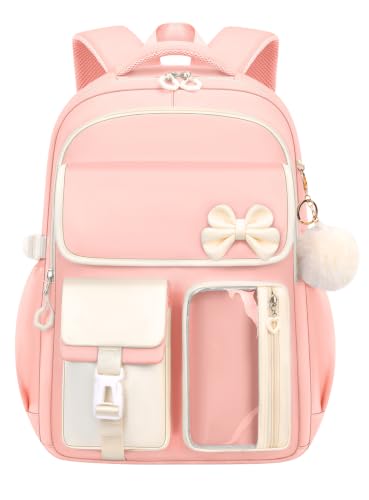
Different backpack designs adapt the 23-liter capacity to meet specific user demands and daily environments. Commuter and student models, such as versatile school book bags, prioritize organizational pockets, integrated USB charging pass-through ports, and quick-access pouches for stationery. These bags offer lightweight polyester constructions that keep tare weight low for younger students and daily campus walkers. The balanced volume allows students to carry multiple folders and small textbooks without feeling weighed down.
Specialized travel or riding bags, such as motorcycle and scooter packs with hard-shell aerodynamics, utilize rigid contours to deflect wind resistance. These designs often feature reinforced shoulder harnesses, integrated waterproof covers, and reflective detailing for night visibility. While the hard shell maintains an uncompromising exterior shape that protects contents from road debris, it slightly constrains interior flexibility. Selecting between flexible fabric book bags and structured protective shells depends entirely on your daily transit conditions.
Fabric Construction, Weather Protection, and Maintenance
The materials used in 23-liter packs dictate how well the bag withstands daily abrasion and unpredictable weather. Common daily carry fabrics include 300D to 600D polyester and rugged nylon blends, which offer dependable tear resistance at an accessible weight. Many fabrics receive an external durable water repellent coating and an internal polyurethane laminate to repel light rain showers. High-end or specialized riding packs might integrate molded EVA shells or heavy-duty synthetic panels to withstand high-speed road conditions.
Preserving the longevity of your pack requires appropriate cleaning and care routines over time. Machine washing backpacks with aggressive agitators can strip internal polyurethane coatings and damage seam tape along zipper tracks. Instead, spot clean grime using a damp cloth, lukewarm water, and mild detergent, allowing the bag to air dry completely away from direct heat. Regular zipper maintenance, including brushing dust from coil teeth, ensures that closures run smoothly without catching or separating under load.
Determining if 23 Liters Matches Your Daily Routine
Evaluating whether a 23-liter backpack fits your needs ultimately centers on your specific daily gear profile. If your daily load revolves around a standard laptop, a charger, a notebook, an extra layer, and hydration essentials, this capacity provides an ideal match. You avoid the bulk of oversized travel packs while retaining enough interior flexibility for occasional weekend outings or short flights. Matching the bag style, harness comfort, and pocket architecture to your daily commute guarantees a comfortable carry for years to come.
Before making a final choice, laying out your daily items on a flat surface can help you visualize your volume requirements. If your gear fits within a standard shopping bag without overflowing, a 23-liter backpack will easily accommodate your load. Paying attention to strap adjustability, protective padding, and fabric durability ensures that the pack supports your body and protects your valuables. With the right configuration, a 23-liter bag delivers dependable utility across work, school, and travel environments.







Write Your Review
No reviews yet. Be the first to share your experience!