


Carrying comfort and practical packing depend heavily on the physical silhouette of a pack resting against your spine. Commuters hopping between subway seats and students sliding heavy book bags under lecture hall desks quickly discover that vertical clearance dictates mobility. When evaluating everyday carry gear, many shoppers wonder how tall is a normal backpack before deciding on a daily bag for work or school. A standard pack needs to balance internal storage capacity against your personal torso length, preventing the bottom seams from digging painfully into your lumbar spine. Checking vertical exterior measurements ensures that your electronics and textbooks fit comfortably without exceeding seat clearances.
Most standard everyday bags range between 17 and 19 inches in exterior height, which corresponds directly with general adult torso proportions. Selecting an excessively tall bag can pull your center of gravity backward, straining neck muscles and shoulder joints during extended walking commutes. Conversely, an undersized bag may fail to accommodate standard 15-inch or 16-inch laptops in protective sleeves. Exploring options like an affordable hiking backpack guide highlights how proper dimensional design improves utility across casual and outdoor settings alike. Understanding these standard dimensional baselines helps you select a bag that fits your frame and meets everyday storage needs.



Standard Backpack Heights and Dimensional Guidelines
A normal adult everyday backpack typically measures between 17 and 19 inches in exterior height, which translates to roughly 43 to 48 centimeters. This height range accommodates standard school binders, medium-sized hydration bottles, and laptops with screen sizes up to 15 or 16 inches. Because adult torsos generally share similar proportional lengths, manufacturers build everyday carry packs within this vertical corridor to keep the bag centered between the shoulders and the hips. Choosing a bag within this dimensional window provides versatile capacity without overpowering your daily posture.
Standard Height Ranges Across Backpack Categories
Everyday carry backpacks designed for office commutes, campus lectures, and light urban errands generally stabilize at an exterior height of 18 inches. Compact daypacks designed for minimalist routines frequently drop down to 16 or 17 inches tall, providing around 15 to 20 liters of total volume. These smaller bags rest comfortably on shorter backs while preventing unnecessary bulk during crowded subway rides. Commuters who carry minimal hardware often prefer this compact height because the bag stays neatly tucked behind the shoulders.
Mid-sized backpacks intended for high school and university students typically measure between 18 and 19.5 inches in vertical height. This expanded height accommodates heavy textbooks, three-ring binders, gym apparel, and insulated lunch boxes without bursting the zipper tracks. Bags in this category generally provide between 24 and 32 liters of storage space, making them the most common silhouettes seen in campus halls. The added height ensures that bulky school folders slide in upright without bent corners or creased edges.
Dedicated travel backpacks built for one-bag adventures extend vertical dimensions further, reaching between 20 and 22 inches in exterior height. These maximum-capacity carry-on bags generally offer 35 to 45 liters of volume to hold multiple days of clothing and personal electronics. While effective for air travel, packs taller than 20 inches can feel unwieldy for everyday office transit or quick trips to the library. Managing such tall dimensions requires careful awareness of public transit seating and doorway clearance.
Torso Length Versus Overall Height in Backpack Fitting
Torso length determines proper backpack comfort far more accurately than your total standing height. A tall person with long legs may possess a relatively short torso, whereas a person of average height might have an elongated back. Backpack manufacturers build standard packs to accommodate adult torso lengths ranging between 16 and 20 inches, measured from the base of the neck down to the iliac crest. When a pack matches your spine length, the shoulder straps curve naturally across your shoulders without lifting or chafing.
Measuring your torso requires locating the prominent C7 vertebra at the base of your neck where your shoulders slope inward. From that bony landmark, measure straight down along the natural curvature of your spine to the horizontal line connecting the top edge of your hip bones. If your measurement falls below 16 inches, standard 19-inch backpacks may sag below your beltline and bump against your thighs while walking. In contrast, adults with torso measurements above 19 inches might find that a short 16-inch pack rides too high and pinches the trapezius muscles.
For outdoor trail scenarios requiring structured internal stays, checking specialized references like a rigid internal frame backpack guide clarifies how vertical stay dimensions transfer weight away from the spine. Everyday urban packs lack rigid metal stays, so matching the bag height directly to your back length remains the primary way to prevent lumbar fatigue. When the bottom seams rest securely against the natural lumbar curve, walking vibrations distribute evenly across the upper body.
Laptop Sleeve Clearance and Device Protection
Laptop compartment engineering represents one of the strongest reasons why normal backpacks maintain an exterior height of at least 17 to 18 inches. Modern 15-inch and 16-inch portable computers typically measure between 14 and 15 inches in physical length along their longest edge. An exterior backpack shell measuring 18 inches tall leaves enough vertical clearance for interior seam allowances, zipper tape, and protective padding. If an exterior height drops below 17 inches, fitting a 16-inch mobile workstation into a dedicated sleeve becomes difficult or impossible.
Protective engineering also requires a suspended false bottom beneath the computer sleeve to prevent direct ground strikes. A false bottom suspends the digital device at least one inch above the floor of the pack, absorbing shock whenever you drop your bag onto concrete or hardwood surfaces. Without sufficient vertical pack height, incorporating this protective air gap would force the top edge of the laptop against the main zipper line. This structural need explains why commuter tech bags rarely measure under 17.5 inches tall.
Device thickness and aftermarket hard-shell cases further reduce available internal clearance inside standard laptop compartments. When a laptop is housed in a thick protective sleeve, the extra perimeter padding demands additional cavity height to zip shut cleanly. Forcing an oversized device into an undersized compartment places extreme lateral tension on zipper teeth and can damage the screen corners. Verifying both internal sleeve dimensions and external bag height prevents costly electronics damage.
Airline Personal Item Dimensions and Travel Clearance
Airline luggage policies exert significant influence on commercial backpack dimensions and consumer expectations. Most major domestic airlines define personal item allowances with dimensional ceilings around 18 inches tall, 14 inches wide, and 8 inches deep. Standard everyday backpacks measuring 17 to 18 inches fit neatly into standard airport gate-check sizing boxes, allowing travelers to bypass checked bag fees. Exceeding an 18-inch height threshold increases the risk of being forced to gate-check your carry-on bag during busy flights.
Under-seat footwells on commercial aircraft also impose strict vertical constraints that challenge taller backpacks. Modern airplane seats frequently contain electrical control boxes, life vest housings, or diagonal seat support struts that narrow the usable floor space. A backpack taller than 18 or 19 inches will often stick out past the seat frame into your foot space, violating flight safety regulations. Sticking to standard height profiles ensures that your bag slides completely beneath the forward seat cushion without excessive squeezing.
Travelers packing dense insulation or specialized equipment, such as those evaluating specialized backpack cooler options, must watch depth expansion alongside height limits. When a pack is stuffed to maximum volume, the front panel pushes outward and pulls the top seams downward, altering the overall silhouette. Keeping your gear organized within standard dimensional boundaries ensures compliant travel across both regional puddle-jumpers and transcontinental jets.
Center of Gravity and Load Balance Dynamics
Backpack height directly controls how weight shifts across your skeletal frame during daily movement. When an excessively tall bag is packed with heavy items near the top, your center of gravity rises and causes instability when walking or climbing stairs. Conversely, an overly deep but short bag pulls backward, creating severe torque that strains the lower lumbar spine. An 18-inch standard pack provides the optimal geometry to position dense cargo close to your natural center of mass between your shoulder blades.
Proper packing strategy requires placing your heaviest items, such as textbooks, laptops, and hard drives, flat against the back panel. Lighter gear like rain jackets, extra clothing layers, and small tech pouches should occupy the outer and upper pockets. Maintaining an upright, balanced profile prevents the backpack from peeling away from your shoulders as you walk. When heavy gear remains anchored along the spine, your natural posture stays aligned without excessive forward neck lean.
Structured pack bases also contribute significantly to upright balance and gear accessibility in daily office environments. Backpacks engineered with flat, reinforced bottom panels tend to stand upright on office floors or library tables when loaded correctly. Tall, tapered teardrop silhouettes often roll forward when set down, exposing exterior fabric to dirt and transit grime. Selecting a bag with a balanced vertical-to-horizontal aspect ratio ensures stable self-standing capability in everyday work settings.
Fabric Density, Hardware, and Expandable Heights
Construction materials and hardware components play a notable role in defining how a backpack maintains its vertical structure. Bags crafted from high-denier fabrics like 500D Cordura or 1680D ballistic nylon retain their structural silhouette even when half-empty. In contrast, ultra-lightweight ripstop nylon packs often collapse inward, shortening their effective exterior height until fully loaded. Understanding textile weight helps buyers predict whether a bag will maintain an upright posture or sag under daily use.
Roll-top closures introduce adjustable vertical capacity, allowing a pack to transform between compact and extended heights on demand. A roll-top bag might measure 18 inches tall when rolled down three times for standard daily office use, but can expand to 22 inches when unrolled for grocery runs. While roll-top designs offer immense packing flexibility, overextending the vertical collar raises the pack center of gravity dramatically. Daily commuters should keep roll-tops cinched to standard heights whenever possible to preserve shoulder comfort.
Compression straps running along the side panels help manage pack volume and maintain vertical structural integrity under variable loads. Cinching these straps pulls internal cargo inward toward your back, preventing the bottom panel from sagging down toward the tailbone. Securing loose items also protects heavy-duty zipper tracks from bearing uneven lateral strain while walking. Quality hardware like Duraflex buckles and reinforced nylon webbing ensures your pack holds its intended height throughout demanding commutes.
Harness Adjustments and Everyday Safety Considerations
Adjusting your shoulder harness correctly ensures that a standard 18-inch pack sits in the ideal anatomical position on your back. Loosen all straps completely before putting on a weighted pack, then gently pull the main shoulder adjustment webbing until the padding hugs your shoulders. The top of the bag should sit level with your shoulders, while the bottom base rests just above your hip bones. Fastening an adjustable sternum strap across the mid-chest stabilizes the shoulder straps and prevents them from sliding outward toward your arms.
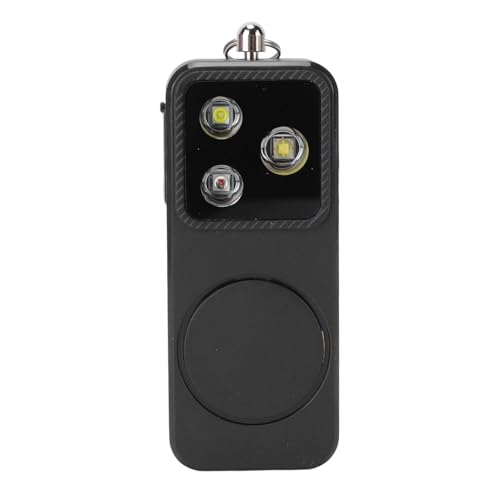
Everyday transit safety accessories integrate easily into standard pack profiles without disrupting dimensional clearance. Commuters carrying novelty designs like the Being Tall Is Overrated Height Jokes pack or sleek black executive bags can clip compact safety tools to exterior webbing. Attaching a small device like the Estink Personal Safety Alarm Light with 150dB siren provides security during late-night campus walks or early-morning urban commutes. Compact safety devices rest comfortably against shoulder strap D-rings without adding noticeable bulk or catching on doorways.
Routine maintenance keeps backpack fabrics clean and preserves water-resistant polyurethane interior coatings for years of dependable use. Avoid washing structured backpacks in household laundry machines, as aggressive agitator fins can tear shoulder strap seams and strip internal waterproof laminates. Instead, spot clean exterior stains using lukewarm water, a mild soap solution, and a soft bristle brush. Allowing the pack to air dry completely away from direct heat sources ensures that synthetic materials retain their shape and structural height.
Selecting the right backpack height ultimately comes down to balancing your personal torso length against your daily carry requirements. An 18-inch exterior profile remains the golden standard for good reason, providing ample laptop space while staying within standard airline guidelines. Taking a few moments to measure your spine and evaluate your daily cargo ensures you pick a bag that supports your physical posture without compromising capacity.







Write Your Review
No reviews yet. Be the first to share your experience!