


Traveling through Southeast Asia requires balancing mobility, carrying comfort, and airline luggage restrictions. When planning an extended itinerary between bustling Bangkok street markets, Chiang Mai mountain temples, and southern island beaches, knowing what size backpack for 3 weeks in thailand becomes a critical logistical choice. Navigating crowded overnight sleeper trains, longtail boat transfers, and narrow transit stairs quickly exposes the burden of an oversized bag. While backcountry trekkers often rely on heavy internal frame backpack systems to haul self-contained wilderness gear, international travel in a warm tropical climate calls for a significantly lighter and more compact carrying strategy.
Packing for three weeks does not require twenty-one distinct daily outfits, especially given the widespread availability of fast, inexpensive local laundry services. Modern travelers benefit from selecting streamlined packs that easily clear regional airline carry-on sizers and fit beneath bus seats without unnecessary bulk. Prioritizing breathable back panel construction, ergonomic shoulder strap contouring, and moisture-resistant exterior fabrics prevents travel fatigue during humid transfers. Choosing the right volume balance keeps personal essentials secure while granting complete physical freedom across every stage of your journey.


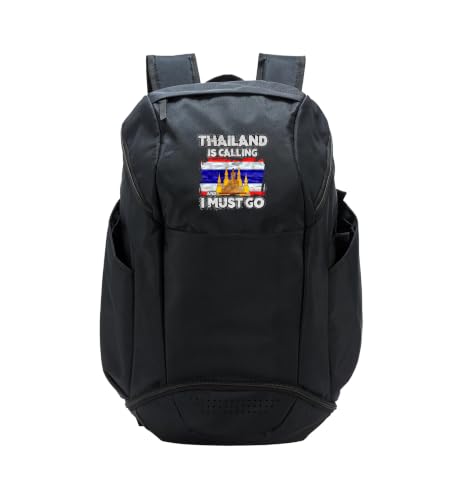

The Complete Backpack Sizing Guide for 3 Weeks in Thailand
A pack capacity between 35 and 40 liters serves as the ideal benchmark for a three-week trip through Thailand. This volume accommodates roughly five to seven days of warm-weather clothing, basic toiletries, and personal electronics while staying within regional airline carry-on limits. Choosing a pack in this range avoids the physical strain of hauling oversized luggage across busy city sidewalks and uneven pier docks.
The Ideal Volume Range: Why 35 to 40 Liters Works Best
Travelers often assume that three weeks abroad requires packing twenty-one separate outfits. Thailand features a fast and affordable laundry network in virtually every town and island destination. Wash-and-fold services return clean and neatly pressed clothing within twenty-four hours for a modest fee. Planning around a simple five-day to seven-day wardrobe rotation eliminates the need to haul heavy rucksacks.
Limiting gear to a 35-liter or 40-liter pack allows you to bypass the airport baggage carousel on arrival. Skipping baggage claim saves valuable transit time, letting you head straight to local rail lines or metered taxis. A pack of this size rests comfortably on your lap during songthaew rides, tucks into compact tuk-tuks, and stows securely on ferry luggage racks. Keeping your carry volume tight protects your travel schedule against delayed transit connections and lost baggage.
Comparing Backpack Volumes: 30L Ultralight vs. 40L Carry-On vs. 50L+ Checked
A 28 to 32-liter pack represents an ultralight setup suited for disciplined minimalist travelers. This volume demands careful packing choices, limiting belongings to quick-drying synthetic clothing, compact toiletries, and minimal tech accessories. An ultralight bag slides effortlessly beneath domestic airline seats and into shallow overhead bins without encroaching on legroom. However, travelers wanting to bring specialized camera gear, extra sandals, or regional souvenirs may find 30 liters slightly tight.
The 38 to 42-liter bracket functions as the universal carry-on sweet spot for extended tropical trips. Backpacks in this size range generally conform to standard international carry-on dimensions (typically 22 x 14 x 9 inches) when packed evenly. You retain plenty of main compartment depth for multiple packing cubes, a dedicated tech sleeve, and an external water bottle pocket. This capacity offers enough breathing room to carry a light rain shell and small market purchases without straining zipper tracks.
Backpacks measuring 50 liters or larger quickly become burdensome liabilities during travel in Thailand. Heavy rucksacks force you to check bags on domestic flights, resulting in added airline baggage fees and tedious waiting lines. Bulky packs also cause significant fatigue when climbing steep guesthouse staircases lacking elevators or stepping across rocking boat gunwales. Unless you are transporting scuba regulators or cold-weather mountaineering equipment, packs exceeding 45 liters create unnecessary physical fatigue.
Southeast Asian Airline Baggage Rules and the 7-Kilogram Weight Limit
Domestic carriers across Thailand, including AirAsia, Nok Air, and Thai Lion Air, enforce strict cabin baggage policies. Most regional airlines set a firm carry-on weight limit of 7 kilograms (15.4 pounds) for overhead luggage. Gate staff at major hubs like Bangkok Don Mueang and Suvarnabhumi routinely weigh cabin bags at check-in and boarding gates. Even when a 40-liter pack meets exterior dimensional measurements, filling it with heavy electronics or liquids can easily exceed this weight threshold.
The empty tare weight of your backpack plays a major role in staying below airline limits. Robust travel packs with internal metal frames, heavy exterior fabrics, and elaborate organizational pockets often weigh between 1.8 and 2.5 kilograms unladen. An empty pack that claims a third of your total weight allowance leaves minimal margin for clothing and gear. Choosing a lightweight pack with a tare weight near 1.0 to 1.3 kilograms preserves valuable capacity for personal essentials.
Dimensional clearance also varies between smaller regional turboprops and larger jet airliners. While a 40-liter pack fits neatly into overhead bins on common Airbus A320 aircraft, regional flights may feature shallower storage bins. Bags with soft, compressible sides fit into compact overhead spaces far better than rigid hardshell suitcases. Using integrated compression straps allows you to cinch pack volume inward, ensuring your bag clears airline gate checks without hassle.
Tropical Climate Demands: Harness Ventilation, Sweat Defense, and Rain Protection
Thailand maintains high temperatures and dense humidity across most months of the year. Walking short distances under direct sunlight while wearing a backpack rapidly raises body heat and causes back perspiration. Packs built with flat, solid back panels trap moisture against your shirt, leading to damp fabric and uncomfortable skin friction. Choosing a pack with molded air channels, suspended mesh back panels, or perforated foam padding allows cooling airflow to circulate across your lumbar area.
Sudden tropical downpours are frequent occurrences, especially during the monsoon season between May and October. Most travel backpacks feature water-resistant exterior treatments such as durable water repellent coatings, but standard seams and zipper coils can allow water ingress during intense rain. Packing an integrated waterproof rain cover offers essential protection when walking between transit stations or riding exposed island ferries. Packing clothing inside lightweight silicone dry sacks or water-resistant compression cubes adds another reliable barrier against moisture.
Fabric construction also affects long-term durability when moving through humid coastal environments. Medium to high-denier fabrics like 400D to 600D ripstop polyester or nylon withstand contact with rough ferry decks, concrete curbs, and luggage racks. In hot, damp climates, poor-quality internal coatings can break down or become sticky if stored improperly. Keeping your backpack clean and thoroughly dry after rainy travel days maintains fabric strength and protects internal coatings.
Ground Transit Realities: Longtail Boats, Island Ferries, and Tuk-Tuks
Transportation in Thailand involves diverse modes of travel that challenge bulky luggage. Moving between islands like Koh Samui, Koh Tao, and Koh Phi Phi often requires boarding a longtail boat directly from a floating pier or shallow shoreline. Crew members routinely stack bags together near the bow, where sea spray and damp floorboards are common. A streamlined 35 to 40-liter backpack remains balanced against your back, keeping your hands free to grasp handrails securely.
Wheeled suitcases face constant obstacles on pedestrian walkways throughout Thailand. Broken concrete slabs, high curbs, street food stalls, and unpaved island paths make rolling luggage awkward and tiring. A well-adjusted travel pack carries weight comfortably across your shoulders and hips, allowing you to walk smoothly from ferry terminals to guesthouses. Sturdy grab handles on the top and sides of the bag also make lifting your pack onto overhead luggage racks on sleeper trains effortless.
Urban transit across Bangkok requires awareness of personal space in crowded commuter settings. Riding the BTS Skytrain or MRT subway with a protruding backpack can bump other commuters during peak travel hours. Experienced travelers take their pack off one shoulder and hold it against their legs or chest before boarding busy train cars. A compact pack profile makes these adjustments smooth and keeps transit navigation stress-free.
Packing Geometry and Capsule Wardrobes for Extended Travel
Creating an organized capsule wardrobe makes fitting three weeks of gear into a 35 to 40-liter backpack straightforward. Pack four to five lightweight shirts, two pairs of shorts, comfortable walking shoes, and quick-drying underwear made from synthetic fabrics or merino wool. Including lightweight breathable hiking pants ensures you can dress respectfully when touring Buddhist temples while staying cool in tropical heat. Rolling clothing neatly inside structured packing cubes prevents clutter and keeps internal volume predictable.
Weight distribution inside your pack directly affects posture and walking comfort. Heavy items like toiletry pouches, spare footwear, and electronics chargers should sit close to the back panel at mid-torso height. Placing dense items near your center of gravity prevents the backpack from pulling backward and fatiguing your shoulder muscles. Lighter items, such as packable rain jackets and beach towels, belong near the top or base of the bag where they will not shift pack balance.
Dedicated tech organization protects valuable electronic devices during transit. Laptops and tablets need padded sleeves with suspended false bottoms that keep corners elevated above the ground when setting your pack down. Storing cables, external power banks, and international wall adapters in a compact tech pouch keeps small items orderly. This organized packing approach lets you access travel documents and chargers quickly without rummaging through packed clothes.
The Two-Bag System: Pairing a Main Pack with a Lightweight Daypack
A single 40-liter backpack is often too large to carry on casual daily outings once you check into your accommodations. An efficient travel setup combines a 35 to 40-liter main travel pack with a lightweight 15 to 20-liter daypack. This system allows you to store your main wardrobe securely in your room while carrying only daily necessities on day trips. Packable daypacks or simple sports backpacks collapse flat inside your main compartment without taking up significant space.
Utilizing practical budget daypacks for day trips keeps valuable gear accessible without requiring expensive specialized bags. A lightweight secondary pack holds water bottles, sunscreen, sunglasses, and an umbrella during walking tours and beach excursions. During air travel, this smaller bag serves as your personal item under the seat in front of you while your main pack stays in the overhead bin. This keeps your passport, boarding passes, and medications easily accessible throughout flights.
Carrying two bags during transit between cities is easy with proper coordination. When walking between transit hubs, wear your primary pack on your back and clip the smaller daypack across your chest. If your daypack is built from soft nylon or polyester, you can also slide it into the front stash pocket of your main pack. Keeping the combined weight of both bags under 10 kilograms ensures you remain nimble during every travel transfer.
Harness Ergonomics and Carrying Comfort in High Humidity
Carrying gear in warm weather requires a suspension system designed for balanced load distribution. Shoulder straps should use dual-density EVA foam that provides firm cushioning without flattening under load. Ergonomically curved shoulder straps follow body contours and prevent chafing around the neck and underarms. An adjustable sternum strap stabilizes the harness across your chest, keeping the pack centered when moving through busy airports and ferry terminals.
A 40-liter backpack packed near the 7-kilogram limit benefits greatly from an integrated waist belt. A padded hip belt rests above the hips to transfer a significant portion of pack weight off your shoulders and onto your lower body. In tropical weather, stowable or removable hip belts provide great versatility, letting you tuck straps away when stowing the pack on buses. Making sure the hip belt cinches smoothly prevents pressure points on your lower back during long walking days.
Routine harness cleaning during extended travel helps preserve strap cushioning and fabric freshness. Body oils, sweat, and sunscreen collect on shoulder strap padding in warm climates, which can degrade foam materials over time. Spot-cleaning straps with a soft cloth, lukewarm water, and mild soap after dusty travel legs keeps materials clean. Letting your backpack air-dry completely in a shaded, well-ventilated spot protects synthetic fabrics from harsh sun exposure.
Pre-Trip Sizing Verification and Final Packing Decisions
Testing your packed bag before departure prevents unexpected gear complications once you arrive overseas. Load your chosen backpack with all clothing, toiletries, and electronics, then weigh the bag on a luggage scale. If your packed weight exceeds 7 kilograms, remove heavy or non-essential garments until your pack comfortably meets airline guidelines. Walking with your loaded pack for twenty minutes at home highlights strap fit issues before you land in Bangkok.
Deciding between a 35-liter and 40-liter pack comes down to your personal travel pace and packing discipline. Fast-moving travelers exploring remote northern trails and quiet islands will appreciate the lighter footprint of a 35-liter pack. Travelers who prefer extra outfit variety or space for local gifts will find 40 liters the most practical carry-on volume. Matching your pack size to the tropical climate and transit realities of Thailand ensures comfortable, mobile travel throughout your entire three-week trip.







Write Your Review
No reviews yet. Be the first to share your experience!