


Crushed folder corners and bent presentation sheets often result from squeezing rigid document holders into undersized or tapered bags. When evaluating what size backpack for a4 folders, measuring the main compartment against the exterior dimensions of your filing system prevents unexpected creasing. While standard paper measures roughly eight and a quarter by eleven and three-quarters inches, protective folios, multi-pocket expanding organizers, and plastic envelopes demand substantially more interior clearance. Even when shopping for affordable everyday daypacks, checking internal height and opening width ensures that office reports and school projects remain crisp throughout daily transit.
Bag capacity and interior geometry play equally decisive roles in whether documents slide in smoothly or suffer jammed zipper tracks. A pack rated between fifteen and twenty liters generally provides sufficient vertical height for standard folders, while structured student bags often need additional depth to hold ring binders and accordion files. Examining base width, zipper curvature, and compartment partitions ensures your daily carry supports both paper files and everyday essentials without forcing awkward diagonal angles.




Essential Sizing and Dimensional Requirements for Carrying A4 Folders
Selecting the proper pack dimensions requires looking beyond basic paper sizes to account for folder spines, edge seams, and perimeter hardware. Standard A4 document sheets measure precisely 8.27 by 11.69 inches (210 by 297 millimeters), but real-world folders always exceed these base paper specs. Determining what size backpack for a4 folders protects your paperwork depends directly on whether you transport slim cardboard envelopes, expanding accordion pockets, or rigid presentation folios. Understanding these physical requirements helps you avoid crushed paper corners and distorted document binders during daily travel.
Understanding Standard A4 Paper Versus Real Folder Outer Dimensions
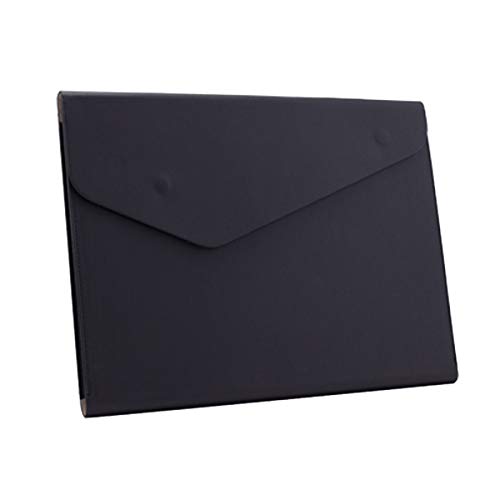
Paper sheets alone do not dictate the required storage space inside a backpack. Standard A4 paper measures 8.27 inches wide by 11.69 inches tall, which sounds compact enough for almost any bag. However, the protective organizers built to store that paper add significant perimeter margins. Basic plastic envelope sleeves and string-tie document wallets, such as Mr. Pen plastic envelopes or Abgream expandable pouches, push total dimensions outward to approximately 9.5 inches wide by 12.5 inches tall. These external borders keep paper edges safe, but they also require broader clearance inside the main backpack cavity.
Expanding organizers and structured presentation cases increase dimensional demands even further. Multi-pocket accordion organizers, such as seven-pocket or eight-pocket units from SKYDUE and Sooez, feature heavy-duty plastic borders, indexing tabs, and zipper closures that frequently reach 10 inches wide by 13 inches tall. When filled with contracts, homework packets, or receipts, their spines easily swell from a flat profile out to two or three inches in depth. Similarly, executive portfolios like Enyuwlcm PU leather document cases feature thick magnetic flap closures and stiff perimeter stitching. A backpack must provide clearance that accommodates these outer dimensions rather than just the raw paper dimensions.
Accounting for these margins prevents unnecessary friction every time you load or unload files. Forcing a nine-inch folder into an eight-and-a-half-inch opening bends the folder borders and risks dog-earing the papers inside. You need at least one full inch of additional clearance along both height and width dimensions inside your bag. This buffer allows documents to drop in freely without snagging against seam allowances or abrasive interior zipper tape.
Minimum Backpack Height, Width, and Depth Specifications
Clear vertical clearance is the single most critical measurement for document carry. To store standard A4 folios vertically without folding, a backpack requires a minimum internal compartment height of 14 inches. If you regularly transport tall expanding folders with tabbed dividers or ring binders, an internal height of 15 to 16 inches is much safer. Looking at published external specifications, a pack should measure at least 15 to 16.5 inches from top seam to bottom base to guarantee that internal seam allowances leave sufficient vertical room.
Internal width determines whether folders rest flat against the back panel or twist diagonally under pressure. Your backpack should provide an internal width of at least 10 to 10.5 inches across its entire back wall. Many compact daypacks measure ten inches at the base but taper down to eight inches near the top haul handle. A uniform, boxy interior width prevents folder corners from striking the tapered sides of the pack when you close the main compartment.
Depth requirements depend directly on the type and quantity of document holders you plan to carry. A slim commuter pack with a depth of 3.5 to 4 inches easily manages two or three flat plastic envelopes alongside a lightweight laptop. In contrast, carrying multi-pocket expanding organizers or thick ring binders requires a pack depth of 5 to 6.5 inches. This extra depth prevents thick document spines from bulging into the front accessory pockets or stressing the exterior zippers.
Specialized compact bags demonstrate how targeted geometry can accommodate folders without massive bulk. For example, atgark corduroy preschool backpacks measure 13.5 inches tall and are specifically engineered with rectangular profiles to fit elementary folders. While larger high school and office packs offer greater overall volume, maintaining a boxy silhouette allows even smaller bags to transport rigid folders successfully.
Liter Capacity Benchmarks from Compact Packs to Commuter Daypacks
Compact bags in the 10 to 14 liter range represent the absolute minimum capacity for transporting A4 paperwork. These streamlined packs can hold standard folders, but only if they feature a clean rectangular structure rather than an aggressive curve. A 12-liter pack works well for light office commutes or preschool use where the payload consists of a single homework folder, a small water bottle, and a pencil case. However, this capacity tier leaves virtually no surplus volume for gym clothing, insulated lunch boxes, or bulky electronics.
The 15 to 20 liter category serves as the ideal benchmark for most daily office workers and secondary students. This volume provides enough vertical height to swallow A4 accordion organizers effortlessly while offering dedicated room for a laptop sleeve. Bags in this capacity tier generally measure around 16 to 17 inches tall, ensuring that folders slide behind other gear without bending. You can comfortably pack an expanding file organizer, a laptop charger, an umbrella, and personal items while keeping the bag sleek enough for crowded transit trains.
Packs ranging from 22 to 30 liters become essential when academic or professional routines require multiple heavy binders and reference books. College students carrying several 13-pocket organizers alongside hardcover textbooks need this extra cubic room to avoid compressing their files. Much like how outdoor hikers rely on structured frame backpacks to stabilize dense trail equipment, carrying heavy stacks of paperwork benefits from structured bags that distribute weight evenly across your shoulders. The extra space also prevents the pack from bulging outward into an awkward barrel shape.
Backpack Shape and Silhouette: Why Teardrop Cuts Pinch Paper Corners
Bag silhouette matters just as much as stated volume when packing rigid paperwork. Many classic daypacks use a teardrop silhouette that curves inward toward the top of the harness. While this aerodynamic styling looks sporty and keeps weight close to the upper torso, it severely restricts corner clearance for rectangular objects. When you push an A4 folder into a teardrop pack, the bottom sits flat, but the upper plastic corners jam against the inward-curving zipper track.
Boxy, rectangular panel-loaders offer the most efficient geometry for protecting paper files. Bags with squared upper corners maintain equal width from base to crown, matching the natural profile of folders, notebooks, and binders. This architectural layout allows an A4 organizer to rest flush against the back panel without contacting the zipper teeth. Furthermore, panel-loading designs that zip open across three full sides give you complete visual access, making it easy to pull out files without snagging their edges.
Top-loading roll-top packs and cinch-cord rucksacks present unique structural considerations for paper storage. Roll-top designs often provide excellent vertical flexibility, allowing you to unroll extra height when transporting oversized artist folios or tall presentation folders. However, cinch-cord packs pull fabric tightly around the bag opening when tightened, which can pinch exposed folder corners. If you choose a cinch-closure rucksack, pairing it with a rigid internal folder or structured organizer helps maintain a protective perimeter around your documents.
Utilizing Dedicated Laptop Sleeves and Document Dividers
Dedicated computer compartments often provide the most secure environment for paper storage. A standard padded sleeve engineered for a 13-inch laptop typically measures around 9.5 inches wide by 13 inches tall, matching the footprint of standard A4 folders. Sliding your paper organizer into this padded sleeve isolates it from the open main compartment. This isolation keeps folders completely flat and shields them from loose pens, keys, or lunch containers tumbling around inside the bag.
Larger compartments designed for 15-inch or 16-inch laptops offer even greater utility for expanding files. These wider sleeves easily swallow thick multi-pocket accordion organizers, such as Sooez 13-pocket expanding folders or heavy PU leather portfolios. High-quality tech compartments often incorporate a suspended false bottom, meaning the internal sleeve ends an inch above the bag base. This suspended clearance prevents folder edges from striking the floor when you set your backpack down on a desk or train platform.
Segregating documents from food and drink storage prevents catastrophic moisture accidents. Moisture condensation from cold bottles or accidental lunch spills can quickly destroy irreplaceable documents and signed agreements. Much like travelers who use insulated multi-compartment backpacks to isolate food items from general gear, commuters carrying paperwork should utilize internal dividers to keep beverage containers far away from paper sleeves. Keeping liquid containers in external stretch pockets provides an extra layer of protection for valuable paperwork.
Accommodating Expanding Accordion Organizers and Ring Binders
Expanding file organizers require specialized depth considerations that standard flat folios do not demand. When you purchase an empty accordion file like a SKYDUE 8-pocket organizer, it may measure less than an inch thick. However, once you load it with project printouts, receipts, and classroom handouts, the bottom gussets expand out to two or three inches. If your backpack lacks sufficient base depth, this expansion will force the bag outward, pushing hard against the laptop compartment and restricting access to front storage pockets.
Rigid ring binders introduce fixed, non-compressible dimensional challenges into your packing routine. A standard two-ring or three-ring binder features wide plastic covers and a rigid metal spine that does not flex under pressure. Stacking two one-inch binders alongside a padded laptop sleeve demands a backpack with an absolute minimum internal depth of 5.5 to 6.5 inches. Attempting to force rigid binders into a shallow bag strains the seams and risks puncturing the pack fabric at the sharp metal corners.
Dense stacks of paperwork create significant weight that demands proper ergonomic load positioning. Paper is deceptively heavy, and carrying several loaded binders quickly adds substantial mass to your shoulders. Positioning dense accordion files and binders directly against the back panel keeps the center of gravity as close to your spine as possible. This balance prevents the backpack from pulling backward, reducing strain on your neck and trapezius muscles during long walking commutes.
Structural Integrity, Flat Bases, and Corner Protection
Structured flat bases prevent backpacks from tipping over and damaging their internal contents. Backpacks built with reinforced, flat bottoms stay upright when placed on office desks, classroom floors, or transit platforms. Unstructured bags with rounded bottoms inevitably topple forward onto the ground, causing internal items to shift abruptly. This forward tumble can crush delicate plastic indexing tabs and bend document corners under the weight of heavier gear.
Zipper track design directly influences how easily folders pass in and out of the bag. Coarse zipper coils that curve tightly around narrow corners can snag against folder plastic or tear the paper edges. Choosing packs with smooth, wide-radius zipper tracks ensures seamless loading without abrasive contact. Premium reverse-coil zippers or wide nylon tracks allow folders to glide past without friction, preserving the pristine condition of your document envelopes.
Weather resistance is another essential line of defense for paper documents. Rain, slush, and transit puddles represent immediate threats to paper documentation during outdoor commutes. Backpacks crafted from durable water-repellent fabrics or coated polyester shield internal contents from light rain and sidewalk splashes. When commuting in stormy weather, pairing a weather-resistant exterior with protective plastic pouches ensures that important paperwork stays completely dry.
Practical Carrying Scenarios Across Different User Profiles
Preschoolers and early elementary students have unique sizing requirements that demand careful balance. Young children often need to bring standard communication folders home, yet full-sized adult backpacks overwhelm their small torsos. Specialized compact bags measuring 13.5 inches tall, such as corduroy toddler packs, provide just enough vertical clearance for a folder while keeping the harness sized properly for small frames. This balance allows kids to transport their school folders safely without suffering poor posture from an oversized bag.
College students and academic researchers face demanding daily loads that require maximum structural versatility. Academic routines typically involve carrying multiple tabbed folders, a heavy laptop, reference textbooks, and mobile chargers across expansive campus grounds. A 20 to 25 liter pack equipped with contoured EVA foam shoulder straps, a sternum strap, and dedicated document dividers provides the necessary carrying comfort. This capacity handles heavy paper loads comfortably without sacrificing ergonomic support during long campus walks.
Corporate commuters and hybrid office workers require a professional silhouette that maintains document crispness without looking overly technical. Professional brief-packs and urban commuter bags with clean exterior lines provide an executive aesthetic suitable for conference rooms. Storing high-end folios, such as Enyuwlcm PU leather document cases, inside dedicated commuter compartments keeps corporate presentations, contracts, and proposals perfectly pressed for client meetings.
Best Practices for Packing and Preserving Paperwork on the Move
Strategic packing order prevents heavy items from shifting against your paperwork during transit. Always slide rigid document holders and accordion files into the rear compartment sleeve before packing chargers, lunch containers, or bulkier gear. This arrangement establishes a flat, solid foundation against your back and shields paper surfaces from being punctured by irregular objects. Keeping folders upright against the back panel also preserves the overall balance of your backpack.
Using durable secondary envelopes provides essential protection for loose papers inside your bag. Transporting bare sheets of paper inside an open backpack cavity almost always results in crumpled edges and dog-eared corners. Slipping individual documents into plastic snap-closure envelopes, expanding pouches, or string-tie envelopes keeps sheets neat and organized. These secondary sleeves absorb transit friction and protect paper edges even if your bag shifts during a brisk walk or sudden stop.
Routine pack maintenance helps protect paper documents from dust, moisture, and debris accumulation. Grit and crumbs that gather in the bottom seams of a backpack can scuff folder plastic and stain document edges over time. Spot-cleaning your backpack interior with a damp cloth and mild soap removes abrasive grime, while thorough air-drying prevents trapped humidity. Keeping your pack clean, dry, and well-organized ensures that your A4 folders and important paperwork stay in pristine condition wherever your daily schedule takes you.







Write Your Review
No reviews yet. Be the first to share your experience!