


Crumpled homework sheets, bent project presentation corners, and jammed zipper tracks often signal that a pack lacks proper internal height. Knowing what size backpack holds a folder saves parents and daily commuters from forcing standard letter-sized documents into cramped compartments. A typical two-pocket folder measures roughly nine by twelve inches, which means a bag needs sufficient interior clearance along both the vertical spine and upper corners. When shopping across compact silhouettes or budget backpack options, paying close attention to dimensional geometry prevents costly document damage before the day even begins.
Preschoolers and early elementary students frequently run into issues because many novelty bags taper sharply at the top. While miniature packs might look adorable on little shoulders, they rarely accommodate standard pocket folders without curling the edges. Older students and office workers need extra depth so that folders can sit flat alongside textbooks, lunch bags, and water bottles. Evaluating uncompressed interior measurements alongside harness comfort ensures a secure fit for both the student and their essential paperwork.




Understanding Backpack Sizing and Dimensions for Standard Folders
Finding a bag that accommodates standard school and office paperwork requires matching folder dimensions against usable internal storage rather than external marketing tags. A backpack that holds a standard folder flat must measure at least fourteen inches in exterior height, with an uncompressed interior cavity of at least twelve to thirteen inches tall and ten inches wide. Anything smaller risks crushing paper corners against zipper curves or bending durable poly folders during transit.
Standard Folder Dimensions and Usable Interior Clearances
Standard two-pocket folders designed for school and business use generally hold eight and a half by eleven-inch paper. Because the folder cover extends beyond the paper edges to protect the contents, external folder measurements typically range between nine and a quarter to nine and a half inches wide by eleven and a half to twelve inches tall. Items like multi-pocket poly organizers, prong fasteners, or vertical filing inserts often measure even wider across the spine. An interior pocket must offer generous vertical clearance so that sheets stay perfectly crisp throughout the day.
Exterior backpack dimensions published by manufacturers rarely represent true usable interior room. Seam allowances, padded lining layers, and recessed zipper tracks frequently reduce internal clearance by an inch or more. A backpack advertised with a thirteen-inch exterior height might only offer eleven and a half inches of flat vertical space inside. That minor discrepancy makes it nearly impossible to slide a twelve-inch folder into the compartment without creasing the upper corners against the zipper teeth.
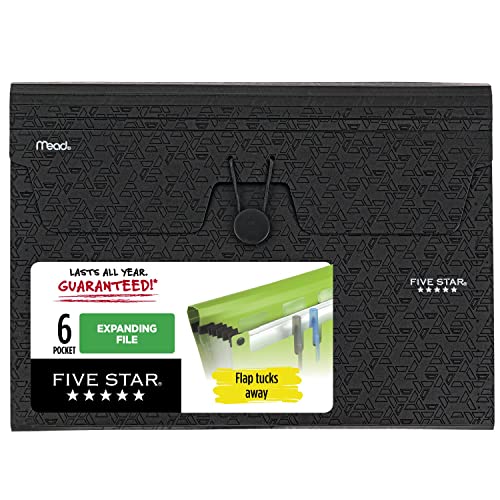
Multi-pocket organizers such as poly expanding files or vertical backpack organizers introduce additional bulk beyond basic flat paper covers. A wire-bound eight-pocket organizer or a vertical file holding dozens of sheets can easily reach an inch or two in thickness. When a folder expands, it draws fabric from the front and back panels inward, shortening the practical height of the pack. Accounting for this volumetric expansion helps ensure your paperwork slides into the main compartment smoothly without catching on internal seam tape.
Preschool and Toddler Sizing: The Twelve-Inch Versus Fourteen-Inch Cutoff
Parents shopping for preschool and kindergarten children face a unique challenge when selecting everyday school bags. Traditional toddler packs often measure ten to twelve inches in exterior height, which suits a young child’s small frame but completely fails to fit standard communication folders. Most preschool teachers send home notices, art projects, and daily behavior charts inside full-sized folders. If the bag cannot accept a twelve-inch folder without severe bending, parents spend the school year fighting jammed zippers and torn papers.
A toddler or preschool backpack needs an exterior height of at least thirteen and a half to fourteen inches to hold a folder comfortably. Compact designs built with a rectangular or softly rounded profile can achieve this clearance without overwhelming a small child. For instance, preschool models measuring thirteen and a half inches tall provide just enough clearance for standard folders while keeping straps scaled to small torsos. Selecting a lightweight pack with adjustable shoulder straps allows young learners to carry their work independently without tipping backward.
Tear-resistant corduroy, soft canvas, and lightweight polyester are popular materials for younger age brackets because they offer flexibility without excessive unladen weight. Softer fabrics can flex slightly around folder corners, whereas stiff molded shells might block a folder entirely if the dimensions fall short. Parents should verify that the top opening unzips wide enough for little hands to slide folders in and out without tearing the paper. Wide zipper openings also prevent accidental snags that can pull pocket dividers loose.
Elementary to Adult Backpack Volumes and Liter Capacities
Moving into elementary school, middle school, and daily office commutes shifts the capacity requirement toward larger backpacks. Standard student daypacks generally fall between fifteen and twenty-four liters in volume, with exterior heights ranging from fifteen to eighteen inches. At this size range, holding standard folders is effortless, allowing multiple binders, notebooks, and folders to sit upright simultaneously. Bags designed for elementary students often combine durable polyester exteriors with wide main compartments that comfortably handle full-sized folders alongside lunch kits.
Capacity in liters provides a helpful general reference, but interior compartment distribution dictates how neatly folders stay stored. A twenty-liter bag divided into numerous tiny compartments might restrict the main cavity, making it hard to insert a rigid clipboard folio or large pocket folder. In contrast, a streamlined sixteen-liter pack with an open main compartment often holds folders with plenty of room to spare. Prioritizing open vertical storage ensures your organizational files do not compete with bulky items like pencil boxes or light jackets.
High school and college students frequently carry larger packs ranging from twenty-two to thirty liters to accommodate laptops alongside academic paperwork. In these larger volumes, folders easily slip into dedicated rear sleeves or main document dividers. Placing folders inside an internal slip sleeve keeps papers upright and prevents them from shifting to the bottom of the bag. This structured placement keeps important assignments flat even when heavy textbooks shift during transit.
Internal Geometry and How Curved Zipper Lines Interfere
Backpack silhouettes dramatically influence how well folders fit inside the main compartment. Classic teardrop and dome-shaped backpacks taper significantly toward the top handle, narrowing the upper width of the pack. Even if a dome-shaped bag measures fourteen inches high at its central peak, the sloping zipper line quickly clips the corners of a nine-inch wide folder. Rectangular or boxy silhouettes provide consistent width from top to bottom, making them ideal for carrying documents without creasing.
Panel-loading backpacks with U-shaped zippers that run around three sides offer superior access compared to top-loading cinch packs. A wide zipper track opens the bag completely, letting users drop folders straight down against the back panel. Top-loading designs with narrow drawstrings often force papers to roll or bend as they pass through the cinched opening. Inspecting zipper geometry ensures that inserting a folder is quick and effortless rather than a daily struggle.
Gusseted side panels and reinforced perimeter piping also help maintain structural stability around the zipper track. When a backpack lacks perimeter structure, heavy packing pulls the zipper inward, reducing available corner clearance. Stiffer piping holds the bag in shape, preventing zipper coils from rubbing against paper edges. This structural stability keeps folder corners pristine even when the pack is filled with school supplies.
Protecting Folder Corners Against Heavy Gear and Load Pressure
Placing loose paper folders inside a crowded backpack without proper organization frequently leads to creased edges and bent prongs. Heavy items such as textbooks, water bottles, and solid pencil boxes easily crush lightweight paper folders when the pack shifts during movement. Utilizing durable plastic folders with stay-put tabs or prong fasteners provides much better structural rigidity than basic paper options. Plastic covers resist friction, moisture from damp water bottles, and pressure from neighboring gear.
Positioning dense gear correctly inside the pack prevents crushing while improving carrying comfort. Folders, notebooks, and folios should always rest flat against the back panel of the backpack. This arrangement keeps heavy, flat objects close to your center of gravity, improving posture and load stabilization. Keeping folders against the rear wall also shields them from bulging objects stored in front stash pockets or exterior compartments.
Dedicated vertical filing organizers and multi-pocket folders can replace stacks of flimsy individual folders to streamline organization. A vertical organizer allows students to slide documents out of the top of the pack without removing the entire filing system. This vertical access is especially beneficial in crowded classrooms or commuter trains with minimal desk space. Selecting folders made from thick polypropylene helps them maintain their shape even under continuous pressure.
Harness Ergonomics, Torso Sizing, and Safe Carrying for Students
Choosing a backpack that is tall enough to hold a folder must be balanced against the physical size of the person wearing it. A bag that extends too far below the waistline or arches away from the shoulders pulls the wearer backward, causing neck and lower back fatigue. For young children, the base of the backpack should sit right at the waistline rather than sagging over the lower hips. Padded, contoured shoulder straps help distribute weight evenly across the shoulders to prevent painful pressure points.
Sternum straps and adjustable harness systems play a critical role in stabilizing heavy textbook and document loads during daily walks. Fastening a sternum strap across the chest pulls the shoulder straps inward, preventing them from slipping off narrow shoulders. While larger structured frame backpacks rely on rigid internal stays to transfer massive weights, daily school and commuter packs depend on balanced strap adjustments. Proper harness adjustment keeps the load centered directly over the spine for steady transit.
Unladen tare weight is another essential factor when sizing backpacks for school children and daily transit commuters. A heavy, overly structured empty pack adds unnecessary strain before books, binders, and folders are even loaded inside. Selecting lightweight polyester or nylon constructions keeps the base pack weight manageable. A general rule for healthy carrying is keeping the total packed weight under ten to fifteen percent of the wearer’s body weight.
Material Durability, Base Reinforcement, and Weather Resistance
Carrying important paperwork and school assignments requires dependable protection from wet weather and abrasive surfaces. Backpack fabrics made from durable polyester or medium-denier nylon resist tearing when loaded with sharp folder corners and heavy metal prongs. Many everyday packs feature a water-resistant polyurethane interior coating or a durable water-repellent exterior treatment to shed light rain. These moisture barriers prevent unexpected puddle splashes or sudden rainstorms from soaking through fabric seams and ruining papers inside.
A reinforced, flat base panel helps the backpack stand upright on classroom floors or office carpeting without immediately falling forward. When a bag constantly topples over, folder edges absorb repeated impact against hard floors, leading to curled corners and split seams. Flat bottom construction with abrasion-resistant fabric protects contents from dirt and floor moisture. Reinforced stitching along bottom seams also prevents heavy binders and folders from stretching or splitting fabric over time.
Proper cleaning and care ensure that weather-resistant coatings and fabric linings remain intact through years of daily use. Machine washing and high-heat drying can peel internal polyurethane coatings, warp plastic folder dividers, and degrade strap padding. Spot cleaning with a damp cloth and mild soap protects synthetic fibers while removing everyday dirt. Allowing the pack to air dry completely away from direct heat prevents mold growth and preserves structural integrity.
Practical Sizing Checklist Before Selecting Your Next Backpack
Before committing to a new backpack, measuring the largest folder or binder you intend to carry provides immediate clarity. Measure the total height, width, and thickness of your folders, accounting for any protruding plastic tabs, prong fasteners, or spiral bindings. Compare those numbers against the internal dimensions of the backpack rather than relying solely on external height specs. Ensuring at least an inch of clearance above and around the folder guarantees smooth zipping without caught paper edges.
Testing how easily folders slide into the main compartment while other gear is packed prevents frustrating daily bottlenecks. Fill the water bottle pockets, slip a lunch box into the bottom, and check whether the main opening still permits easy vertical access. If the bag narrows too much when full, stepping up to a slightly larger liter capacity or a more rectangular silhouette solves the problem. A well-proportioned pack protects your hard work, keeps paperwork crisp, and offers lasting comfort through every daily commute.






Write Your Review
No reviews yet. Be the first to share your experience!