


Long-distance trail hiking requires careful load management, methodical pacing, and a deep understanding of remote backcountry terrain. When hikers evaluate how to backpack the appalachian trail, the challenge begins with choosing equipment that balances carrying comfort against total base weight over hundreds of miles. Proper pack selection forms the backbone of any expedition, where weight distribution across the hips prevents severe shoulder and lower back fatigue. Exploring dependable options like structured frame hiking packs helps backpackers stabilize heavy multi-day food and water loads across steep elevation changes.
Managing daily mileage along varied mountainous terrain also hinges on adequate moisture management and seasonal clothing choices. Pairing durable footwear with breathable lightweight trail pants ensures freedom of movement during long climbs through damp forests and exposed rocky summits. Understanding shelter options, resupply logistics, and backcountry water treatment transforms an intimidating mountain corridor into a manageable, rewarding journey. Proper preparation protects physical health, prevents early trail burnout, and sets the stage for a sustainable wilderness adventure.
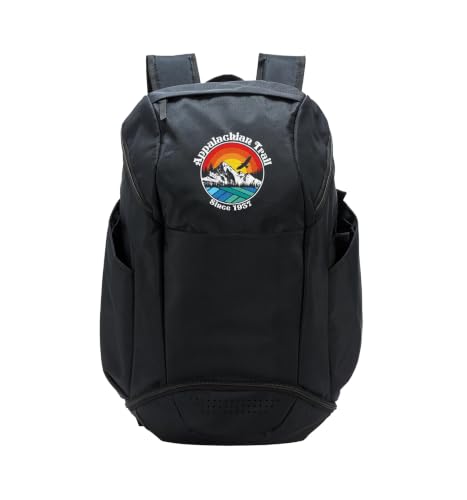





Essential Strategies for Backpacking the Appalachian Trail
Embarking on a journey along the Appalachian Trail demands a clear blueprint covering equipment selection, daily pacing, and wilderness survival logistics. Spanning more than two thousand miles through fourteen states, this footpath presents continuous elevation swings, rocky footpaths, and unpredictable weather patterns. Preparing thoroughly allows backpackers to navigate steep climbs, manage changing temperatures, and maintain health over weeks or months in the backcountry. Addressing essential gear, navigation, and physical maintenance early ensures a safe transition from casual hiking to self-reliant trail living.
Understanding the Route and Seasonal Logistics
Choosing the right direction and starting date sets the foundation for a successful long-distance hike. Most hikers choose a northbound itinerary starting at Springer Mountain in Georgia between March and mid-April to reach Mount Katahdin in Maine before autumn closures. Southbound travelers face a rugged start in Maine during June or July, encountering high black fly activity and swollen river crossings. Flip-flop hikes provide a practical alternative, allowing backpackers to begin in the mid-Atlantic region and bypass early-season overcrowding while enjoying milder weather conditions.
Permits and regional regulations vary across different sections of the corridor. Hikers must secure permits for overnight stays in popular regions like Great Smoky Mountains National Park and Shenandoah National Park. In Baxter State Park, strict rules govern camping reservations and Katahdin summit registration to preserve sensitive alpine habitats. Monitoring seasonal weather windows helps backpackers avoid hypothermia during unexpected spring snowstorms in the southern Appalachians or early freezes in the northern peaks.
Determining Pack Capacity and Total Base Weight
Controlling pack weight is one of the most important factors determining physical longevity on the trail. A traditional base weight covers everything carried except food, water, and fuel, with modern hikers striving to keep this figure between twelve and twenty pounds. Pack volume generally ranges between forty-five and sixty-five liters, providing adequate room for bulkier cold-weather gear without encouraging unnecessary additions. Carrying excessive camp luxuries quickly translates into joint strain, premature fatigue, and elevated injury risk on rugged ascents.
Balancing gear quality with budgetary constraints requires thoughtful planning before setting foot on the trail. While advanced ultralight frameworks can cost a small fortune, dependable affordable hiking backpacks often serve well for initial shakedown hikes and shorter introductory sections. Testing loaded gear over weekend excursions reveals how well fabric deniers and harness stitching endure repetitive abrasion against granite ledges and overgrown brush. Evaluating gear performance during trial outings prevents expensive mid-hike replacements when traversing remote trail communities.
The Big Three: Shelter, Sleep System, and Pack Selection
Backpackers often define their core setup around the big three items, which include the shelter, sleep system, and backpack. Enclosed freestanding or trekking-pole tents offer reliable insect and weather protection against torrential downpours. Hammock setups serve as popular alternatives along the tree-covered ridgelines, provided users carry properly rated underquilts to combat nighttime convective cooling. Three-sided wooden trail shelters sit spaced along the entire route, but carrying a personal shelter remains essential when lean-tos reach maximum capacity.
A reliable sleep system must handle temperature swings ranging from freezing spring nights to muggy summer humidity. Sleeping bags or ultralight down quilts rated between twenty and thirty degrees Fahrenheit protect against sudden cold fronts in high-elevation gaps. Pairing an insulated sleeping pad with an R-value of three or higher prevents the cold ground from drawing away vital body heat during sleep. Compressing sleep gear inside waterproof dry bags ensures that damp trail conditions do not compromise nighttime warmth.
Selecting an appropriately sized backpack requires matching the internal frame to individual torso dimensions rather than standing height. An adjustable harness transfers pack weight onto the pelvic girdle, sparing the neck and shoulders from debilitating pressure. Breathable back panels and contoured foam straps reduce hot spots during long, humid climbs through sheltered gaps. Durable outer fabrics like ripstop nylon or high-tenacity polyester safeguard valuable equipment against frequent abrasions along tight, rocky pathways.
Weight Distribution and Internal Packing Geometry
Proper weight distribution inside the backpack directly influences balance and energy expenditure across uneven footpaths. Heavy gear like food rations, cook kits, and water reservoirs should sit close to the spine at mid-back height. Placing dense items against the back panel aligns the load with the natural center of gravity, preventing backward drag on steep climbs. Light, compressible items like sleeping bags and spare clothing belong at the bottom of the main compartment to form a stable foundation.
Exterior storage pockets provide immediate access to essential supplies without forcing hikers to unpack the entire bag during brief rest breaks. Stashing rain jackets, water filtration gear, and first-aid kits in outer mesh sleeves allows rapid deployment when mountain storms arrive. Balancing water bottle pockets on both sides of the pack prevents uneven lateral torque that could strain knee ligaments. Cinching compression straps tightly eliminates internal load shifting, which improves stability when stepping over wet roots and slippery boulders.
Adjusting harness webbing in a methodical sequence ensures that the backpack delivers balanced ergonomic support under full load. Backpackers should loosen all straps before hoisting the pack, fastening and tensioning the padded hip belt over the iliac crest first. Next, pulling the shoulder straps brings the pack snug against the torso without lifting weight off the hips. Finally, tightening the load-lifter straps at a forty-five-degree angle draws the upper pack inward while the sternum strap stabilizes the shoulder straps across the chest.
Food Storage, Resupply Windows, and Water Management
Long-distance hikers rarely need to carry more than three to five days of food at any point along the corridor. Trail towns and road crossings intersect the route regularly, allowing backpackers to purchase fresh groceries, dry goods, and fuel canisters at local outfitters or supermarkets. Caloric requirements increase dramatically as physical fitness develops, often exceeding three to four thousand calories daily to maintain muscle recovery. Packing calorie-dense foods like nut butters, dehydrated meals, and trail mixes minimizes food bag bulk while sustaining high daily energy output.
Protecting food supplies from bears, mice, and other wildlife is a strict backcountry priority along the entire corridor. Many sections provide dedicated bear poles or steel storage boxes at established campsites, but carrying an approved bear-resistant canister or odor-proof hang system is vital where infrastructure is absent. In areas like Blood Mountain in Georgia, seasonal bear canister mandates enforce proactive food storage to mitigate habituation. Hanging food bags using the counter-balance method keeps provisions out of reach from opportunistic animals during overnight hours.
Staying hydrated requires consistent water treatment, as surface water sources can harbor microscopic pathogens like Giardia lamblia and Cryptosporidium. Hollow-fiber membrane squeeze filters provide reliable, fast filtration from flowing mountain springs, rocky brooks, and piped sources. Carrying back-up chemical purification tablets ensures water security if a mechanical filter freezes or clogs during extended cold snaps. Monitoring reliable trail guide data helps backpackers anticipate seasonal water source dry-ups along elevated ridge sections during late summer.
Footwear, Moisture Control, and Trail Apparel
Footwear choices carry massive consequences for long-term trail success, as heavy boots often cause avoidable blisters and knee fatigue over thousands of miles. Modern long-distance backpackers widely favor breathable trail-running shoes featuring cushioned midsoles and aggressive lugged outsoles for traction on wet roots. Sizing shoes up by a half or full size accommodates natural foot swelling caused by constant daily impact. Pairing shoes with synthetic or merino wool socks wicks away sweat and minimizes friction against delicate skin layers.
Clothing systems must prioritize moisture management, quick drying times, and temperature regulation across changing elevations. Layering breathable base shirts with reliable technical hiking trousers protects the legs from poison ivy, stinging nettles, and biting ticks while shedding damp trail moisture. Avoiding cotton fabrics is imperative, as soaked cotton retains water, draws away body heat, and induces painful chafing during strenuous exertion. Carrying lightweight rain gear and a dedicated dry sleep outfit ensures that backpackers maintain core warmth regardless of ambient weather conditions.
Navigational Tools, Digital Maps, and Trail Etiquette
Navigating the footpath is relatively straightforward due to the famous white paint blazes marked on trees and rocks along the corridor. However, relying solely on visual blazes can lead to confusion during severe storms, heavy fog, or winter snow cover. Digital mapping applications loaded on smartphones provide valuable real-time GPS positioning, elevation profiles, shelter waypoints, and user-submitted water reports. Carrying a compact compass and physical paper elevation maps provides a vital navigational fallback if electronic batteries drain prematurely in cold conditions.
Practicing Leave No Trace principles preserves fragile wilderness environments and ensures clean campsites for future travelers. Backpackers must pack out all solid waste, food scraps, and hygiene products rather than burying trash near shelter structures. Campers should utilize designated privies where available, or dig a six-to-eight-inch cat hole at least two hundred feet away from water sources, campsites, and footpaths. Respecting quiet hours at communal shelters ensures that fatigued hikers receive restful sleep before tackling demanding morning mileage.
Physical Conditioning, Injury Management, and Mental Resilience
Conditioning the body gradually during the first few weeks is crucial to avoiding early overuse injuries that end promising hikes. Beginning with modest eight-to-ten-mile days allows leg muscles, knee ligaments, and feet to adapt without developing acute plantar fasciitis or tendonitis. Stretching calves, hamstrings, and hip flexors after arriving at camp relieves tension built up over steep ascents and jarring downhill descents. Listening to early warning signs of joint discomfort allows backpackers to rest before minor strains escalate into debilitating structural problems.
Mental stamina often plays an even greater role than physical strength when confronting weeks of relentless rain, mud, and isolation. Backpackers must develop patience to push through prolonged periods of gray weather within the dense forest canopy known as the Green Tunnel. Breaking the massive multi-state journey into short, discrete sections between resupply points makes the overarching distance feel psychologically attainable. Embracing the camaraderie of the trail community and celebrating small milestones fosters the inner resilience required to reach final trail goals.
Successful long-distance backpacking ultimately comes down to deliberate preparation, adaptable pacing, and continuous gear refinement along the way. Testing your complete loadout in varied regional climates reveals necessary adjustments before tackling remote backcountry mountain passes. By balancing base weight, managing hydration and nutrition, and respecting the natural surroundings, backpackers can confidently navigate the Appalachian Trail from the first white blaze to the final summit.







Write Your Review
No reviews yet. Be the first to share your experience!