


Managing food weight and trail expenses remains one of the trickiest challenges for long-distance hikers and weekend campers alike. Food bags can easily balloon into heavy, wallet-draining burdens if you rely exclusively on specialty pre-packaged entrees for every single trail meal. Learning how to eat cheap while backpacking allows outdoor travelers to maintain consistent caloric intake without overspending on commercial provisions or hauling unnecessary pack bulk. Hikers pairing basic shelf-stable staples with dependable gear like budget friendly hiking packs can easily stay energized over multiple days on remote trails.
Balancing shelf-stable convenience against overall pack tare weight requires a practical look at caloric density, hydration requirements, and daily meal planning. Simple pantry provisions like single-serve tuna pouches and bulk dehydrated meals provide clean, packable fuel that fits neatly inside food sacks or bear canisters without spoiling. If you carry specialized equipment such as hiking backpack cooler options, keeping fresh trail rations chilled during the first day out is also an accessible option. Understanding your daily metabolic demands helps prevent both mid-trail exhaustion and expensive food waste on the route.




A Practical Guide to Budget Trail Nutrition and Meal Strategy
Planning your trail menu around economical, nutrient-dense staples is the most reliable way to maintain stamina without overspending. Hikers often assume that every dinner must come from a specialized freeze-dried pouch, but that habit quickly drains travel budgets. Combining inexpensive grocery items with strategic dehydrated meal pouches creates a balanced menu that sustains strenuous hiking days. The core of smart trail dining lies in evaluating calories per ounce, packing versatile ingredients, and keeping preparation simple.
Caloric Density and Daily Metabolic Requirements
Backpacking burns significantly more energy than typical urban routines, often demanding between three thousand and four thousand calories per day. Carrying sufficient calories requires selecting foods that deliver high caloric density relative to their physical weight. Fat provides nine calories per gram, while carbohydrates and protein offer four calories per gram. Focusing on foods that yield at least one hundred to one hundred twenty calories per ounce keeps your pack manageable.
Carbohydrates serve as immediate fuel for steep climbs and extended mileage, making them essential for daily rations. Complex carbohydrates provide sustained energy release, while simple sugars deliver fast bursts of energy during demanding trail segments. Dietary fats help you feel satiated and supply steady background energy during low-intensity hiking. Balancing these macronutrients ensures that your muscles recover properly each evening without exhausting your food supplies prematurely.
Evaluating the caloric density of your supplies prevents the common mistake of carrying bulky items that offer minimal fuel. Items with high natural water content add dead weight to your backpack without delivering meaningful calories. Dry goods, dehydrated vegetables, and compact protein packs allow you to maximize energy while minimizing pack volume. Calculating your daily caloric budget before departing keeps your grocery expenses low and your pack balanced.
Maximizing Protein on a Budget with Tuna Pouches
Lean protein is crucial for rebuilding muscle tissue after hauling a pack over rough elevation profiles. Single-serve tuna pouches, such as Bumble Bee Chunk Light Tuna in Water, offer an accessible and shelf-stable solution for trail lunches and dinners. Unlike traditional canned fish, foil pouches eliminate the need for a can opener and drastically reduce pack tare weight. They pack completely flat, making them effortless to slip into side compartments or bear canisters.
A single pouch of Bumble Bee Chunk Light Tuna in Water, 2.5 oz Pouch or the larger Bumble Bee Chunk Light Tuna in Water, 5 oz Pouch provides clean protein that requires zero cooking or fuel expenditure. Hikers can mix tuna directly into cooked instant noodles, instant mashed potatoes, or couscous to create a filling hot dinner. Alternatively, pairing a tuna pouch with crackers or tortillas creates a satisfying midday meal that eliminates the need to unpack your camp stove. Buying multi-packs substantially reduces the per-serving cost across an entire hiking season.
Disposing of empty tuna pouches requires minimal odor management when handled with standard backcountry hygiene practices. Sealing empty pouches inside a dedicated odor-proof trash bag prevents lingering smells from attracting curious wildlife. Because the pouches contain minimal excess liquid, they leave very little mess behind after consumption. This convenience makes shelf-stable fish one of the most reliable building blocks of a budget trail menu.
Strategic Use of Commercial Dehydrated Meals
Specialty dehydrated meals often carry higher price tags, but they offer unmatched flavor complexity and rapid rehydration after grueling days. Brands like GOOD TO-GO design chef-crafted recipes that use real culinary ingredients rather than heavily processed powders. Options like GOOD TO-GO Pad Thai (Single Serving) and GOOD TO-GO Cuban Rice Bowl (Single Serving) deliver rich, savory flavors that boost camp morale. The key to staying on budget is reserving these premium meals for specific evenings rather than relying on them for every meal.
Hikers can also stretch a single specialty pouch into a feast for two by adding inexpensive pantry staples. Stirring extra instant white rice or quick-cooking noodles into a single serving of dehydrated food doubles the volume with minimal extra expense. This blending strategy allows you to enjoy gourmet spices and authentic textures while cutting your overall cost per serving in half. It also provides extra carbohydrates to replenish glycogen stores depleted by continuous hiking.
Breakfast selections like the GOOD TO-GO Breakfast Hash (Single Serving) provide warm morning fuel when temperatures drop below freezing. Starting the day with a hot, nutrient-dense breakfast helps stabilize core temperature and kickstarts metabolism before hitting the trail. Alternating between simple rolled oats on casual mornings and specialized hash on strenuous days preserves your trail budget while preventing flavor burnout. This deliberate pacing keeps morale high during extended wilderness trips.
Cold Soaking Versus Stove Cooking for Cost Reduction
Eliminating a camp stove, metal pot, and fuel canisters is a proven method for cutting both gear expenses and base pack weight. Cold soaking involves rehydrating dried meals in cool water using a lightweight, screw-top plastic jar over several hours. This technique completely removes the recurring expense of purchasing specialized isobutane fuel canisters at outdoor retailers. It also streamlines meal preparation during windy or wet conditions when operating a stove is inconvenient.
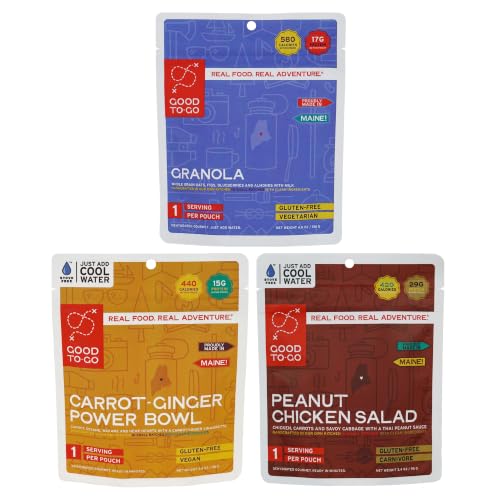
Certain meals are engineered specifically for this no-cook style, such as GOOD TO-GO Peanut Chicken Salad. This stove-free cold soak meal rehydrates thoroughly without boiling water, delivering crisp textures and robust savory flavor. Hikers simply add cool water, seal the container, and allow the ingredients to soak while walking or setting up camp. Incorporating dedicated cold-soak recipes into your rotation eliminates fuel management worries and keeps camp chores to an absolute minimum.
Cold soaking requires careful timing because rehydration takes longer without hot water. Starchy foods like thick beans or heavy pasta can take forty-five minutes to an hour to soften adequately in cool temperatures. Starting the soaking process thirty minutes before reaching your designated campsite ensures that dinner is ready upon arrival. If you prefer hot meals occasionally, a hybrid approach of cold lunches and hot dinners strikes an effective balance between convenience and comfort.
Purchasing Variety Packs and Multi-Pack Bundles
Buying individual single-serving meal pouches at retail stores immediately before a trip is the most expensive way to provision your pack. Outdoor food manufacturers offer curated multi-packs that significantly reduce the average cost per meal. The GOOD TO-GO Classic Weekender 3-Pack provides a balanced trio of meals suitable for short trips without the markup of separate purchases. For extended multi-day routes, larger bundles like the GOOD TO-GO Ridgeline Food Kit | Variety Pack offer diverse meal profiles in a single package.
Multi-packs eliminate decision fatigue during trip preparation by supplying complementary menus designed for backcountry recovery. Variety packs typically balance different flavor profiles, preventing the taste fatigue that often occurs when eating the same food repeatedly. Combining bulk multi-pack purchases with large packages of tuna pouches establishes a dependable food reserve for an entire hiking season. Proper storage in a cool, dry pantry keeps these rations fresh for several seasons until your next departure.
Stocking up on shelf-stable supplies during off-season sales allows you to lock in lower prices well ahead of summer adventures. When you prepare provisions ahead of time, you avoid paying premium resort-town prices at trail-adjacent outfitters. Planning several weekend trips from a single bulk supply kit keeps your ongoing outdoor expenses predictable and affordable. This forward-thinking strategy ensures that an impromptu weekend trek never strains your household budget.
Utilizing Military Surplus Rations for Remote Rations
Genuine military surplus rations provide an entirely self-contained feeding system engineered for extreme physical activity. Packages like MREs (Meals Ready-to-Eat) from Ammo Can Man deliver high-calorie entrees alongside spreads, snacks, and beverage powders in one durable unit. These all-inclusive meals are built to withstand severe impacts and moisture inside a packed bag without tearing. They also include chemical flameless ration heaters that warm your entree without requiring a camp stove or open flame.
Because an individual military ration often provides substantial calories, a single pack can cover a major portion of your daily energy needs. The high sodium and mineral content in military rations helps replace electrolytes lost through heavy perspiration on demanding trails. However, the heavy exterior packaging adds noticeable weight to your load if carried in whole form. Stripping away unnecessary cardboard and excess packaging before packing helps trim dead weight from your setup.
Military rations are especially valuable for foul-weather excursions where gathering kindling or operating a canister stove is challenging. The sealed chemical heater works reliably in driving rain or freezing winds, providing hot food when cooking systems struggle. While their heavier tare weight makes them less suited for fast-and-light thru-hikes, they remain a cost-effective emergency reserve for weekend adventures. Carrying one as an emergency backup provides peace of mind on remote backcountry routes.
Distributing Food Weight Efficiently Inside Backpacks
Food rations represent one of the heaviest and densest components inside your pack, second only to carried drinking water. Improper placement of dense food bags can throw off your center of gravity, causing severe lower back and shoulder fatigue. Heavy food items should always be packed close to your spine, roughly between the shoulder blades and mid-back level. Placing dense rations too high makes the pack tippy, while placing them too low pulls your torso backward.
When carrying heavy multi-day food supplies, pairing your kit with robust internal frame hiking backpacks ensures that weight transfers effectively down to your pelvic girdle. The internal stays absorb gravitational load, allowing your legs to carry the bulk of your caloric cargo rather than your neck muscles. Proper harness adjustment, including cinching load lifters and stabilizing the sternum strap, prevents the food bag from swaying during steep ascents. Balanced weight distribution keeps your posture upright and minimizes fatigue over long trail days.
Organizing your food into separate day sacks within a larger waterproof dry bag keeps supplies organized and protected from moisture. Keeping daily snacks and lunchtime tuna pouches in accessible exterior pockets prevents you from rummaging through your main pack during short breaks. This organization protects delicate freeze-dried pouches from crushing and ensures that dinner rations stay dry during afternoon storms. Wearing flexible lightweight trail apparel further improves overall mobility when managing a dense, fully loaded expedition pack.
Water Logistics and Efficient Camp Rehydration
Dehydrated and freeze-dried meals require adequate clean water to rehydrate properly and digest smoothly in the backcountry. Consuming dehydrated meals without sufficient hydration pulls fluids from your body to aid digestion, leading to mild dehydration and lethargy. Always check local trail reports for reliable water sources before planning a menu based primarily on dehydrated foods. In arid environments, carrying extra water specifically for dinner rehydration adds significant weight that must be accounted for in your daily route planning.
Boiling water for evening meals consumes valuable stove fuel, which increases your overall trip expenses if not managed carefully. Using an efficient pot with a tight-fitting lid traps steam and reduces boiling times by several minutes per meal. Once boiling water is added to a pouch, sealing the top and placing the pouch inside an insulated cozy helps retain heat during the rehydration period. This simple heat retention technique ensures that rice and noodles soften completely even in freezing camp temperatures.
Cold-soak meals like the GOOD TO-GO Peanut Chicken Salad offer an outstanding alternative when water is scarce at high-elevation campsites. Hikers can collect water at a lower stream, start the cold soak, and hike to a dry ridge for camp without needing to boil water in high winds. This operational flexibility saves fuel, reduces cooking complexity, and keeps your pack light throughout the journey. Balancing hot and cold preparation methods expands your campsite options significantly.
Avoiding Common Backcountry Meal Planning Errors
One of the most frequent mistakes made by novice backpackers is over-packing food out of fear of running out on the trail. Carrying several extra pounds of uneaten provisions adds unnecessary strain to your knees and back without offering practical benefits. Planning your rations meal-by-meal with a modest single-day safety buffer keeps your food bag light and your budget intact. Weighing individual food rations on a kitchen scale before departure gives you an accurate picture of your true caloric carrying capacity.
Another common error is relying entirely on sweet snacks like candy bars and sugary granola bars during daytime travel. High sugar intake without adequate complex carbohydrates or protein leads to severe energy spikes and rapid crashes on the trail. Incorporating savory, protein-rich items like tuna pouches maintains steady blood sugar and prevents flavor fatigue. A balanced variety of salty, savory, and sweet flavors ensures that you look forward to every snack break.
Failing to protect your food from small rodents and camp pests can ruin an entire trip in a single night. Food bags should always be secured inside an approved bear canister, an odor-proof bag, or hung properly from a sturdy tree branch according to local wilderness regulations. Taking the time to safeguard your provisions protects native wildlife and guarantees that your budget-friendly rations remain safe throughout your backcountry journey. A clean camp also prevents unwanted midnight visits from foraging animals.
Practical Execution for Your Next Trail Adventure
Mastering budget trail nutrition is ultimately an exercise in smart preparation, bulk purchasing, and creative menu planning. Blending affordable grocery protein pouches with premium dehydrated entrees allows you to eat delicious, satisfying meals without overspending. Keeping your pack weight centered, managing fuel efficiently, and monitoring daily caloric needs guarantees steady endurance from trailhead to summit. With a well-structured food bag and disciplined ration strategy, you can confidently explore remote wilderness routes while keeping your trail expenses fully under control.







Write Your Review
No reviews yet. Be the first to share your experience!