


Urban commuters and students frequently wrestle with bulky daypacks that promise massive storage but end up awkward and heavy during transit. Determining exact pack volume prevents unexpected surprises when loading laptops, binders, textbooks, and daily tech accessories into an everyday bag. When evaluating graphic streetwear bags, asking how many liters is a sprayground backpack provides immediate clarity on whether the silhouette suits daily school schedules or brief weekend travel. Most standard full-size bags from the brand offer a balanced internal volume designed specifically for streamlined urban transit.
Finding the right bag involves balancing distinct graphic styling against essential protective padding and interior organization. While outdoor adventurers often evaluate affordable everyday carry bags for utilitarian trail duty, fashion-forward city transit calls for specialized storage pockets and structured exterior shells. Understanding exact liter volume enables buyers to avoid overstuffing delicate nylon zippers or straining contoured shoulder straps under heavy textbooks. A clear grasp of standard capacity benchmarks ensures your daily gear fits comfortably without compromising personal style or ergonomic posture.




Understanding Sprayground Backpack Capacity, Dimensions, and Usable Volume
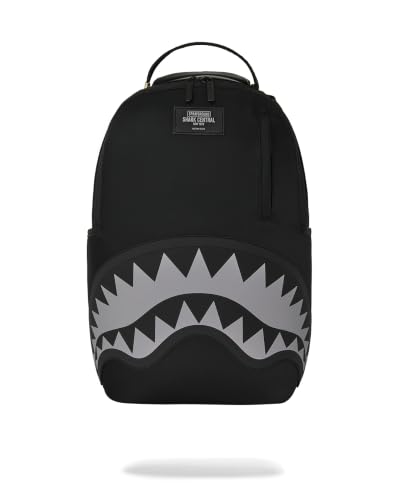
A standard full-size Sprayground backpack provides an internal capacity between 19.5 and 22 liters. This volume benchmark places the brand squarely in the standard daypack category, making it comparable to classic campus bookbags while offering specialized compartments for modern tech. Knowing how many liters is a sprayground backpack allows commuters, high school students, and college attendees to accurately plan their daily packing routines. The following detailed breakdown examines dimensional metrics, internal pocket allocation, laptop sleeve tolerances, and airline transit compatibility.
Standard Capacity Metrics: Calculating the 20-Liter Baseline
Most core models across the brand lineup, such as the Shark Central series and artistic collaborations, share identical exterior frame dimensions. The manufacturer publishes standard exterior measurements of 18 inches in height, 11.5 inches in width, and 6 inches in depth. Converting these dimensions into raw cubic inches yields approximately 1,242 cubic inches of total exterior volume. Dividing that figure by standard fluid conversion metrics indicates a gross volume of roughly 20.35 liters.
Real-world packing efficiency reduces gross dimensional numbers slightly due to material thickness and structured perimeter seams. Padded perimeter panels, heavy-duty synthetic backboard inserts, and thick interior lining fabrics consume a modest amount of physical space. Usable storage space inside the main compartment settles between 19.5 and 21 liters under practical packing conditions. This specific volume tier is widely recognized as a functional sweet spot for single-day academic and professional urban routines.
Specialty silhouettes across the catalog occasionally deviate from this standard size bracket. Compact mini backpacks, designed primarily as fashion accessories or purse alternatives, typically offer between 7 and 10 liters of volume. Larger travel duffels, weekender cargo packs, and specialized luggage bags expand from 30 to 45 liters. Standard bookbag designs, including the Sprayground BRANDED BANDIT BACKPACK and the PAC-MAN collaborations, utilize the proven 20-liter platform.
Pocket Geometry and Usable Cavity Breakdown
Total liter capacity does not always translate into wide-open packing space inside a fashion-forward pack. Structured internal dividers, dedicated tech sleeves, and external stash compartments carve up the available 20 liters into distinct functional zones. The primary cavity accommodates approximately 15 to 16 liters of open packing room, leaving the remainder distributed across specialized pockets. This structured layout prevents small electronic accessories from sinking to the bottom of the main compartment.
A separate velour-lined sunglasses compartment positioned near the top grab handle occupies roughly half a liter of upper volume. Placing hard sunglass cases or bulky items in this upper pocket can slightly intrude on the vertical clearance of the main chamber. Exterior side pockets feature discreet vertical zippers rather than stretch mesh netting, maintaining sleek exterior styling at the expense of wide bottle expansion. These side chambers hold slim charging banks, writing utensils, or pocket umbrellas rather than oversized vacuum-insulated flasks.
A front zippered stash pocket provides flat storage for quick-access items like transit passes, campus identification cards, and house keys. A hidden rear stash pocket built into the lower back padding offers discreet security for passports and wallets against the wearer’s lumbar region. Because these peripheral pockets are tailored tightly to the exterior shell, overstuffing the main compartment reduces their usable depth. Maintaining balanced pocket utilization ensures zippers slide smoothly without excess seam stress.
Laptop Compartment Dimensions and Protective Sleeve Tolerances
Urban commuters require secure storage for expensive mobile computers, making sleeve engineering a critical component of everyday capacity. Standard full-size models feature a dedicated, velour-lined laptop compartment situated directly against the back panel. The internal sleeve measures approximately 11 inches in width and 15 inches in height, accommodating slim modern laptops up to 15.6 inches in screen size. Thick gaming chassis, ruggedized mobile workstations, or laptops encased in rigid third-party armor sleeves may exceed these tolerances.
Velour fabric lining provides scratch protection for aluminum laptop casings and delicate tablet glass screens. Elastic hook-and-loop security straps anchor the machine in place, preventing vertical sliding when walking or running for public transit. Standard fashion packs often lack an elevated, suspended false-bottom design beneath the laptop sleeve. Setting an unpadded bag down hard on concrete can transmit shock directly to laptop corners when resting flush against the pack base.
Adding an extra neoprene sleeve can enhance drop protection, but doing so consumes valuable depth from the central packing chamber. A laptop, power adapter, and protective sleeve together take up roughly 3 to 4 liters of total interior capacity. When carrying a complete mobile workstation setup, remaining space in the central cavity is best reserved for flat notebooks, slim folders, and a light jacket. Planning tech storage carefully avoids putting outward pressure on the curved top zipper track.
Airline Personal Item Clearance and Transit Compliance
Air travelers frequently rely on compact daypacks as personal items to avoid expensive overhead carry-on fees. With dimensions of 18 by 11.5 by 6 inches, a standard 20-liter pack complies comfortably with major domestic airline personal item limits. Major carriers commonly permit personal items measuring up to 18 by 14 by 8 inches, leaving ample margin for under-seat stowage. Unlike heavy-duty internal frame backpacks that feature rigid internal stays, these synthetic daypacks flex slightly to slip under tight seating spaces.
Regional commuter aircraft present tighter under-seat footwells, particularly near window seats equipped with electrical entertainment equipment. Bulging front pockets caused by aggressive over-packing can push exterior depth past 7 inches, potentially catching on metal seat brackets. Packing within the standard 20-liter boundary keeps the exterior profile flat and uniform for hassle-free boarding. Sliding the pack under the forward seat leaves sufficient legroom for personal comfort on medium-haul flights.
Frequent flyers also benefit from the integrated luggage trolley pass-through sleeve built into the rear mesh panel. Sliding the back panel over the telescoping handle of rolling luggage secures the bag during terminal navigation. This feature takes the weight off your shoulders entirely while transitioning between gates or boarding commuter trains. The secure fit prevents the pack from swinging sideways or toppling off the rolling suitcase base.
Harness Ergonomics and Daily Weight Distribution
Carrying heavy loads requires proper ergonomic support to prevent neck, shoulder, and lower back fatigue throughout the school or workday. Standard models incorporate ergonomic mesh back padding arranged in segmented sections to provide basic lumbar cushioning. Contoured, adjustable shoulder straps distribute downward force across the clavicle and upper trapezius muscles. These streetwear daypacks omit technical outdoor features like load-lifter straps, sternum sliders, and load-bearing hip belts.
The absence of a sternum strap means heavy loads can cause shoulder straps to drift outward toward the edges of the shoulders. When carrying dense objects like heavy college textbooks, packing the heaviest gear flush against the back panel is critical. Placing flat, dense weight near the spine keeps the center of gravity close to the body, minimizing backward pull. Positioning lighter clothing, small accessory pouches, and snacks toward the front zipper prevents awkward leverage on the spine.
Proper strap adjustment plays a vital role in preventing posture strain during long campus walks or walking commutes. Tightening the nylon webbing straps so the pack rests high on the upper back eliminates lower back sagging and bouncing. Allowing the pack to hang down near the buttocks shifts leverage onto the lumbar vertebrae, increasing muscle fatigue. Maintaining balanced strap length ensures symmetrical weight distribution and prevents persistent shoulder pinch.
Exterior Shell Materials, Water Resistance, and Care Protocols
Exterior durability determines how well a daypack withstands daily friction on school buses, subway floors, and classroom desks. Most Sprayground silhouettes utilize a 900D water-resistant polyester fabric or high-grade polyurethane faux leather shell. These dense synthetic weaves provide solid abrasion resistance against rough asphalt, concrete stairs, and locker interiors. The water-resistant exterior treatment repels light drizzle and incidental splashes, shielding electronics during brief dashes between buildings.
Water-resistant finishes should never be mistaken for fully submersible waterproof construction. Standard coil zippers and needle-stitched seam tracks lack heat-taped rubber seals, allowing moisture to seep inside during prolonged downpours. Storing high-value electronics inside separate water-resistant internal dry pouches provides necessary protection during severe rainstorms. For specialized outdoor excursions where moisture exposure or perishable items are a concern, specialized cooler daypacks and sealed outdoor dry bags offer dedicated thermal and liquid barriers.
Cleaning technical synthetic shells requires gentle manual techniques to protect surface prints and internal polyurethane coatings. Machine washing must be avoided, as vigorous agitator cycles and hot water can crack printed graphics and delaminate water-resistant backings. Spot-cleaning with a soft microfiber cloth, lukewarm water, and a drop of gentle non-detergent soap safely lifts dirt. Allowing the pack to air dry away from direct heat registers preserves foam padding integrity and prevents material warping.
Realistic Daily Loadouts and Packing Limitations
Visualizing what fits inside a 20-liter capacity helps buyers set realistic expectations for daily commuting and campus carry. A typical daily loadout comfortably holds a 15-inch laptop, a charging brick, two spiral notebooks, and a standard one-inch binder. You can also slip in a light hoodie or windbreaker, sunglasses, a pencil case, and personal pocket items without straining the zippers. This volume setup meets the academic requirements of most high school and college students.
Capacity limits become noticeable when attempting to pack bulky athletic equipment, multiple large textbooks, or bulky winter clothing. Carrying a pair of athletic sneakers consumes roughly 7 to 8 liters of main chamber depth, leaving minimal room for books. Forcing rigid, squared textbooks into the curved top corners of the pack places severe lateral tension across the nylon zipper coils. When zipper teeth pull apart under outward pressure, slider derailment and fabric tearing can occur along the upper seam.
External hydration storage also requires mindful compromise due to the streamlined silhouette. The zippered side pockets securely house slim 16-to-20-ounce disposable or narrow stainless steel bottles. Rigid 32-ounce wide-mouth vacuum bottles or bulky insulated tumblers will not fit inside the enclosed zipper compartments. Commuters carrying large water bottles generally need to store them upright inside the central cavity, securing the cap tightly to prevent leaks near electronics.
Practical Capacity Decisions for Campus and City Commuting
Choosing a 20-liter daypack represents an intentional compromise between expressive urban aesthetics and utilitarian packing capacity. For everyday commuters carrying digital workloads, a 20-liter platform provides structured organization without unnecessary exterior bulk. The bag maintains a clean profile that avoids bumping into passengers on crowded subway cars or narrow coffee shop aisles. The bold graphic exterior offers distinct personal expression while fulfilling basic laptop and document transport needs.
Users who frequently haul multi-day camping gear, bulky camera equipment, or heavy athletic uniforms will quickly outgrow this volume bracket. In those scenarios, stepping up to a dedicated 30-to-40-liter cargo pack or a technical commuter bag provides needed cavity depth. For standard daily transit, high school schedules, and single-day office routines, understanding how many liters is a sprayground backpack confirms that roughly 20 liters delivers dependable, stylish, and functional utility.







Write Your Review
No reviews yet. Be the first to share your experience!