


Finding a dependable bag before an upcoming semester, sudden business trip, or weekend trail hike often leaves shoppers wondering where to look first. Selecting the right carrying gear depends heavily on whether you need padded device sleeves, modular attachment webbing, or weatherproof fabrics for long days in transit. When narrowing down what stores have backpacks, consumers encounter a diverse retail landscape ranging from local department stores and big-box outlets to dedicated sporting goods retailers. Understanding which retail shelves stock structured professional bags versus technical trail gear saves valuable transit time and helps shoppers locate backpacks suited to their exact daily load.
Shoppers looking for technical gear or economical builds can browse specialized outdoor retailers or read through guides on budget-friendly hiking packs to understand value versus durability. Meanwhile, busy office professionals, medical staff, and university students often seek specialized designs featuring steel-frame openings, dedicated tech protection, or luggage trolley sleeves. Comparing brick-and-mortar storefronts against digital marketplaces reveals distinct advantages, from testing shoulder strap padding in person to accessing extensive customer specifications online. Knowing where each style is stocked ensures you make a smart investment without compromising on ergonomic comfort or device safety.

Navigating Retail Outlets and Online Sellers for Every Backpack Style
Determining which retail destinations carry backpacks requires evaluating your specific gear requirements, carrying comfort preferences, and timeframe. Different brick-and-mortar establishments cater to distinct consumer groups, ranging from academic students and urban commuters to tactical gear enthusiasts and wilderness hikers. Exploring physical storefronts allows you to inspect material textures and test harness adjustability firsthand, while online catalogs deliver wider selections and specialized layout options. Balancing immediate local availability against detailed technical specifications helps every buyer discover an ideal pack for work, travel, or recreation.
Big-Box Retailers and General Department Stores
Mass-market retail giants such as Target and Walmart serve as primary hubs for everyday consumers seeking multi-purpose bookbags, casual daypacks, and basic tech carriers. These stores maintain extensive inventory lines suited for elementary, high school, and college students who require straightforward dual-compartment designs. Shelves are stocked with recognized consumer labels that emphasize colorful aesthetics, accessible front stash pockets, and basic synthetic fabrics. While these outlets provide convenient in-person access, their inventory typically prioritizes lightweight casual use over heavy-load trail suspension or advanced ergonomic support.
Department stores like Kohl’s, Macy’s, and JCPenney cater toward a slightly different demographic, emphasizing lifestyle commuting, sleek styling, and corporate aesthetics. Their backpack displays feature faux-leather accents, streamlined silhouettes, and modest padded compartments intended for slim laptops or tablets. Shoppers visiting department stores often locate brand-name daypacks that match business-casual office dress codes without appearing overly technical. However, these collections tend to offer limited exterior attachment systems, basic shoulder strap foam, and fewer specialized weatherproofing features.
Outdoor Outfitters and Sporting Goods Chains
Sporting goods retailers such as REI, Dick’s Sporting Goods, Bass Pro Shops, and Cabela’s provide gear engineered for physical endurance, variable weather, and rugged outdoor travel. These stores carry backpacks manufactured from high-density ripstop nylon and treated polyester, featuring sternum straps, contoured waist belts, and hydration reservoir compatibility. Many outdoor packs incorporate integrated hose routing ports, side compression straps to stabilize shifting gear, and breathable mesh back panels designed to disperse perspiration during long hikes. Enthusiasts seeking bags capable of handling trail dirt, sudden rain, and extended wear will find the highest concentrations of durable hardware in these aisles.
In addition to traditional trail daypacks, outdoor outfitters frequently stock specialty gear such as insulated backpack cooler options alongside hydration packs and modular trekking rucksacks. Visiting a dedicated outdoor store allows customers to examine how technical packs handle weight when loaded with trail accessories or heavy water bottles. Knowledgeable store staff often assist with adjusting shoulder harnesses to align properly with user torso lengths. If your daily routine includes both campus navigation and weekend wilderness excursions, sporting goods retailers provide the most versatile load-bearing solutions.
Office Supply Stores and Campus Bookstores
Office supply chains including Staples and Office Depot focus heavily on mobile professionals, corporate commuters, and high-capacity digital work stations. Their backpack sections emphasize electronics defense, featuring dedicated high-density foam sleeves designed to isolate delicate computer corners from sudden drops. These stores prioritize bags with sophisticated internal admin organizers, pen slots, cable pass-throughs, and separate tablet sleeves. Professionals who carry expensive mobile hardware alongside notebooks and charging bricks frequently discover practical, low-profile designs in these retail aisles.
Campus bookstores offer a comparable assortment, curating robust bookbags suited for holding dense stacks of textbooks, technical binders, and personal electronics. Modern commuter bags found in these academic settings often introduce structured doctor-bag openings with reinforced steel wire frames that keep the main compartment propped open on study desks. Features such as integrated RFID protection pockets and external USB charging ports provide extra peace of mind and convenience for students moving across university grounds. These retail environments prioritize organizational efficiency and structural stability over outdoor trail capabilities.
Specialty Luggage Shops and Travel Retailers
Dedicated luggage stores and airport travel boutiques showcase backpacks engineered explicitly for transit efficiency and airline cabin regulations. Retailers in this sector emphasize bags that maximize internal packing volume while staying within standard domestic airline carry-on or under-seat personal item boundaries. Travel backpacks often feature full clamshell openings that lay completely flat, allowing travelers to pack garments in suitcase-style compartments alongside secure tech sleeves. Sturdy luggage trolley pass-through sleeves are standard additions, enabling users to secure their backpack over rolling suitcase handles during long terminal walks.
Travel specialty stores also highlight security measures, stocking bags equipped with hidden passport compartments, puncture-resistant zipper tracks, and lockable slider hardware. Fabric choices in this retail category frequently emphasize water-resistant coatings and ballistic weaves capable of enduring friction beneath commercial airplane seats. While these travel-specific designs excel during multi-day trips and airport security checkpoints, they can feel overly bulky or rigid for simple daily walking commutes. Inspecting bags at travel shops helps flyers determine whether a pack meets strict overhead bin dimensions before boarding.
Military Surplus and Tactical Outfitter Stores
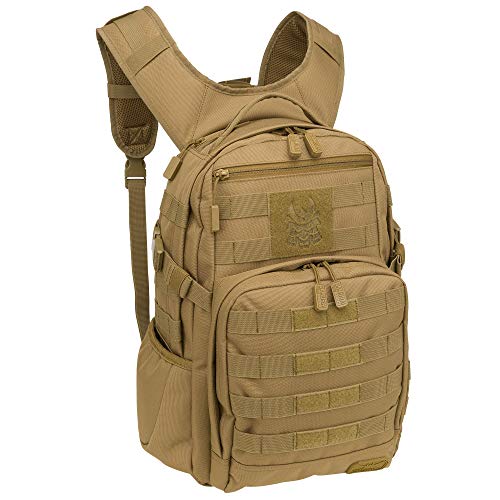
Military surplus outlets, tactical gear shops, and outdoor survival retailers offer heavy-duty packs built around modular utility and rugged fabric construction. These stores carry assault-style rucksacks and tactical daypacks constructed from high-density polyester or rugged nylon fabrics designed to withstand extreme abrasive wear. A defining characteristic of tactical store inventory is the integration of external MOLLE webbing systems across front and side panels, allowing users to lash auxiliary pouches, gear carabiners, or first-aid kits. These packs also incorporate load compression webbing systems that cinch internal gear tight against the wearer spine.
Tactical retail options feature heavy-duty zipper hardware paired with utility-style cord pulls that operate smoothly even when wearing work gloves. Ventilated mesh padding across shoulder straps and back panels helps cushion dense, heavy tools or field equipment while promoting airflow during strenuous movement. Velcro patch holders and dedicated hydration bladder compartments provide additional functional versatility for survivalists, hunters, and field contractors. Shoppers who prioritize rugged modularity and tough materials over minimalist corporate aesthetics find these specialty shops well suited to their utilitarian demands.
Online Marketplaces Versus Brand-Direct Platforms
Digital shopping channels provide an almost limitless catalog of backpack models, catering to specialized ergonomic requirements, specific liter capacities, and unique aesthetic tastes. Large e-commerce marketplaces present extensive consumer feedback, detailed dimensional breakdowns, and customer images that clarify how a bag looks in practical daily transit. Online shoppers can readily locate niche commuter bags with structured physician-style frames or tactical bags featuring specific cubic-inch volumes that physical retail stores may not stock. Furthermore, digital retailers maintain inventory year-round, bypassing seasonal stock shortages common in physical storefronts.
Brand-direct websites offer the added assurance of official factory warranty support, comprehensive material specifications, and access to the newest design revisions. When purchasing directly from a manufacturer, buyers can confirm precise textile coatings, zipper brand designations, and interior compartment dimensions directly from engineering documentation. However, online shopping requires careful cross-referencing of dimensional measurements against your laptop chassis or airline personal item limits to prevent returns. Checking customer reports regarding zipper durability and seam integrity provides realistic expectations before delivery.
Evaluating In-Store Fitting Against Online Technical Specifications
Browsing backpacks inside a physical store grants buyers an irreplaceable physical advantage: the ability to assess harness geometry and ergonomic comfort under simulated weight. Placing weighted items into a store display pack reveals whether the shoulder straps dig into the trapezius muscles or if the back panel rests comfortably against the lumbar region. In heavier carrying scenarios, shoppers can evaluate rigid suspension systems, much like hikers do when comparing internal frame hiking packs for prolonged trail stability. Physical inspection also allows you to test zipper pull smoothness, inspect internal lining stitching, and gauge whether exterior water bottle pockets stretch sufficiently.
Conversely, online research excels at revealing precise dimensional measurements that store display tags frequently omit. Manufacturer listings online specify internal laptop sleeve height, width, and depth, allowing buyers to verify clearance for larger fifteen-inch or seventeen-inch computer chassis. Online spec sheets also document fabric construction details, including polyester denier ratings and durable water-repellent surface finishes. Combining the tactile insights gained from visiting local stores with the deep technical data available on digital product pages creates a reliable strategy for finding the right carrying pack.
Matching Pack Geometry to Daily Commuting and Work Environments
Selecting where to shop depends strongly on matching pack architecture to your regular transit environment and gear loadout. Urban transit riders and corporate commuters frequently benefit from structured bags measuring roughly twenty-five to thirty liters, equipped with flat, self-standing bases that remain upright on office or subway floors. Bags with wide-mouth framed openings and dedicated tech sleeves excel in corporate workspaces, medical clinics, and school classrooms by providing instant visual access to files, chargers, and writing instruments. Built-in luggage straps and RFID-blocking card pockets further enhance security and convenience when navigating crowded terminals.
In contrast, outdoor adventurers and field workers frequently favor tactical daypacks measuring between twenty and twenty-five liters with compact profiles that keep weight centered over the hips. Lateral compression straps allow users to reduce external pack volume when carrying minimal gear, preventing internal items from shifting during rapid movement. High-density polyester construction and external webbing allow gear attachments that would look out of place in a corporate boardroom but prove invaluable in the backcountry. Identifying your daily environmental requirements clarifies whether you should head toward a corporate office supplier or a rugged tactical outfitter.
Understanding Seasonal Restock Cycles and Inventory Shifts
Retail stores follow predictable seasonal cycles that dictate when backpacks arrive on sales floors and when selections dwindle. Brick-and-mortar department stores and big-box retailers receive their largest inventory deliveries between early July and late August to capture the back-to-school rush. During these peak summer months, consumers enjoy expansive selections of student daypacks, laptop bookbags, and lunch totes at competitive promotional rates. However, by late autumn, retail floor space often shifts rapidly to seasonal holiday items, leaving physical stores with limited backpack choices.
Specialty outdoor retailers and luggage shops follow travel seasons, replenishing trail packs in early spring and business travel bags prior to holiday flight windows. Shoppers seeking technical hiking packs will discover the most complete size ranges and harness configurations as warmer weather approaches. For off-season needs, online platforms remain the most reliable alternative, stocking diverse capacities, tactical models, and executive work bags continuously without floor space constraints. Planning your purchase around these seasonal rhythms helps prevent settling for mismatched sizes or styles in depleted local aisles.
Material Integrity, Hardware Standards, and Routine Care
Assessing material quality across different retail store categories ensures that your selected pack withstands daily friction, heavy loads, and inclement weather. High-density polyester and ballistic nylon fabrics offer dependable abrasion resistance, preventing sudden tears when bags brush against rough concrete or transit walls. Water-resistant polyurethane coatings applied to interior linings protect sensitive documents and laptop electronics against light drizzle and accidental drink splashes. When inspecting hardware, metal zipper sliders, reinforced nylon cord pulls, and bar-tack stitching at high-stress shoulder connection points serve as dependable markers of solid construction.
Maintaining technical fabrics requires gentle care routines that safeguard factory-applied protective finishes. Never place structured backpacks or coated synthetic bags into high-heat clothes dryers or home washing machines, as mechanical agitation can delaminate internal water-resistant barriers and deform foam shoulder padding. Instead, clean soiled areas using a soft-bristle brush, lukewarm water, and mild non-detergent soap before air-drying the pack away from direct sunlight. Consistent zipper cleaning and gentle surface wiping ensure that both rugged tactical packs and refined laptop carriers deliver years of dependable daily service.
Choosing where to purchase a backpack ultimately hinges on balancing your urgency, physical fitting preferences, and required functional specifications. Visiting big-box stores, department retailers, outdoor outfitters, or office supply shops allows you to inspect build quality and test carrying comfort in person. Meanwhile, exploring digital storefronts unlocks niche tactical daypacks, organized professional workbags, and detailed customer feedback year-round. Identifying your carrying needs and matching them to the right retail source ensures you secure a durable, supportive backpack engineered to protect your gear through every commute.







Write Your Review
No reviews yet. Be the first to share your experience!