


Carrying an overwhelming load of three-ring binders, thick science textbooks, and delicate computer hardware across crowded hallways places immense physical strain on growing teenagers. High school students often find themselves caught between bags that lack the necessary cubic storage and bulky carriers that cause severe collarbone fatigue. When evaluating how big should a high school backpack be, understanding the practical balance between internal capacity and physical torso dimensions is critical for preventing chronic posture issues. Similar to selecting budget daypack options for day trips, choosing a daily school bag requires evaluating fabric density, seam reinforcement, and dedicated storage compartments.
A standard high school daypack must accommodate far more than just paper supplies, often needing dedicated padded sleeves for 15.6-inch or 17-inch laptops, exterior water bottle pockets, and separated compartments for athletic clothing. Selecting an inadequate volume forces students to cram electronics against heavy book edges, risking cracked screens and split zipper tracks. Conversely, an oversized pack tends to pull the shoulders backward, shifting the body’s center of gravity and inducing lower back fatigue. Matching the bag volume to actual daily class schedules ensures reliable gear protection without overloading youthful spines.
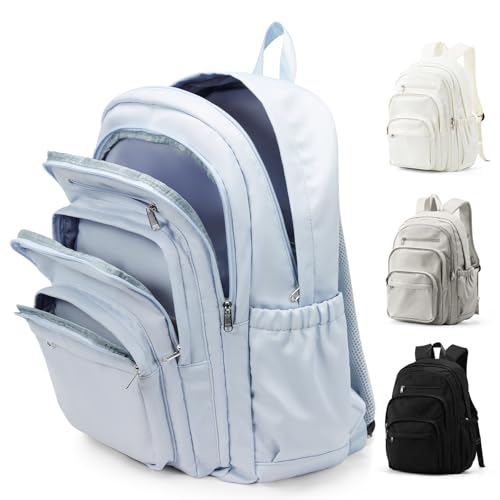


Determining the Right High School Backpack Size and Capacity
Finding the correct backpack size requires balancing daily academic cargo against the physical proportions of a high school student. Most teenagers require a pack volume between 28 and 35 liters to accommodate multiple textbooks, binders, tech devices, and personal supplies comfortably. Selecting a bag within this volume range prevents overstuffed seams while keeping the exterior footprint manageable. Physical external measurements typically fall between 17.5 and 18.5 inches in height, 12 to 14 inches in width, and 7.5 to 9 inches in depth.
High School Backpack Volume Tiers from 20 to 38 Liters
Backpack capacity is measured in liters, describing the total interior cubic volume across all zippered compartments. For students with predominantly digital coursework, a compact 20 to 25-liter backpack often provides plenty of storage space. These streamlined bags easily hold a 15.6-inch laptop, a slim tablet sleeve, two spiral notebooks, and writing essentials. Students attending schools with individual lockers benefit most from this minimalist size tier, as it reduces bulk in crowded hallways.
The standard sweet spot for most high school students sits between 28 and 32 liters. This capacity bracket comfortably accommodates two hardcover textbooks, two three-ring binders, an insulated lunch bag, and a padded computer sleeve. Packs in this range provide enough depth to slide folders in without bending paper corners or stressing main zippers. For freshmen and sophomores navigating rotating schedules without locker stops, this volume level delivers reliable daily utility.
Students involved in athletics, music, or lab sciences frequently require heavy-duty storage reaching 33 to 38 liters. High-capacity models measuring roughly 17.5 by 13 by 8.5 inches supply the cubic space needed for athletic uniforms, calculators, and extra shoes. These larger packs feature cavernous main storage chambers paired with secondary sleeves capable of housing 17-inch laptops. However, students carrying this volume must pack mindfully to avoid hauling excessive physical weight.
External Dimensions, Locker Fit, and Body Proportions
While liter volume dictates interior capacity, external linear dimensions govern how the pack physically rests on a student’s torso. Standard high school bags typically stand 17.5 to 18.5 inches tall, measure 12.5 to 13.8 inches wide, and span 7.5 to 9 inches deep. A bag exceeding 19 inches in height often extends below the waistline on shorter teens, causing lumbar instability while walking. Ensuring the bag height matches the student’s torso prevents awkward bouncing and keeps posture balanced.
Exterior depth represents an overlooked measurement when evaluating daypack sizing. When a backpack expands beyond 9 inches in depth, the heavy books inside sit further away from the student’s spine. This extended horizontal distance creates leverage, magnifying the perceived weight on the shoulders and pulling the neck forward. Opting for a pack with side compression straps allows students to pull this bulk closer to their center of gravity, maintaining better walking posture.
Standard hallway lockers present practical dimensional limits that students must navigate between class bells. Typical school lockers feature narrow interior widths, often measuring between 11 and 12 inches across. Bags featuring rigid internal plastic frames or overly wide wire rims can jam tightly inside narrow locker openings. A flexible polyester or oxford fabric pack with a 13-inch uncompressed width compresses smoothly into slender lockers without tearing delicate stitching.
Laptop Compartment Dimensions and Device Defense
Modern academic routines demand dedicated computer storage, making internal electronic sleeve specifications vital for equipment safety. Most high school backpacks feature built-in padded sleeves rated to fit standard 15.6-inch laptops and companion tablets. Manufacturer measurements for these compartments typically allot approximately 15 inches of vertical clearance and 10.5 inches of horizontal width. Verifying that a Chromebook or personal computer fits comfortably inside this dedicated sleeve prevents the device from rattling against heavy books.
Device protection relies heavily on the presence of a suspended bottom design within the computer pocket. In poorly engineered daypacks, the laptop compartment extends flush against the exterior base fabric of the bag. When an overloaded pack is set down firmly on concrete floors, the corner of the computer absorbs the impact force directly. Padded compartments that suspend the sleeve base at least an inch above the bag floor help cushion fragile corners from direct drops.
Internal tech organization goes beyond basic laptop retention by providing organized routes for peripheral school accessories. High school students routinely haul power banks, charging cords, scientific calculators, and wired or wireless headphones. Dedicated zippered mesh organizer pockets keep delicate cables separated from heavy binder rings and rough book covers. This separation minimizes wear on charging pins and prevents students from uncoiling tangled cords during quick classroom transitions.
Harness Architecture and Weight Distribution Physics
The suspension harness dictates how comfortably a loaded bag carries over long walking distances. S-curved shoulder straps contoured to follow natural neck and chest angles distribute downward pressure far better than straight rectangular straps. Straps filled with breathable honeycomb cotton or high-density foam prevent sharp edge pressure along the trapezius muscles. When straps lack sufficient padding, heavy academic loads quickly compress the fabric, digging into collarbones within minutes of walking.
Adjustable sternum straps and chest buckles play a substantial role in stabilizing medium to large high school daypacks. Fastening a chest strap pulls the shoulder harness inward, preventing straps from sliding off the shoulders during fast-paced walking. This mechanism redistributes weight across the chest rather than concentrating the entire strain on the shoulder joints. For students navigating busy stairwells or bicycling to campus, a chest buckle prevents the bag from swaying laterally.
Load suspension engineering in student packs shares fundamental principles with technical outdoor haulers. While students do not haul internal frame load suspension systems down school hallways, the ergonomic principle of anchoring weight close to the spine remains identical. Distributing pack density properly along the back panel keeps the cervical spine aligned naturally, eliminating excessive neck strain. Harnesses featuring reinforced stitching at the upper yoke ensure that heavily loaded straps do not pull loose from the main seams.
Back panel breathability provides critical comfort during warm transitions between outdoor campus buildings. Solid nylon backings often trap body heat, leading to rapid perspiration buildup and damp clothing during walking commutes. Multi-panel ventilated back pads with open center air channels allow constant airflow across the lumbar region and shoulder blades. Soft mesh backings also serve as a protective barrier, preventing pointed binder corners from poking into the student’s spine.
Balancing Internal Compartment Grids with Open Cavity Space
An effective high school backpack must strike a careful balance between segmented organizer slots and open main storage capacity. Bags advertising ten or more separate pockets provide excellent containment for pens, IDs, keys, and phone chargers. However, when interior organizer dividers become overly structured or stiff, they steal valuable depth from the primary storage cavity. Students carrying thick three-ring binders require an unobstructed, broad main chamber that swallows wide paper edges effortlessly.
Secondary organizational compartments should remain flat against the front face of the backpack when unzipped. Front utility pockets featuring tiered slip pockets and zip security slots keep small stationery items readily accessible between class periods. A dedicated fleece-lined or scratch-resistant pocket near the top of the pack provides a secure spot for eyeglasses, smartphones, or bus passes. Keeping quick-grab items near the top prevents students from digging through heavy books on crowded floors.
Exterior hydration retention represents another vital functional element of overall pack architecture. Elastic mesh or fabric side pockets should measure deep enough to secure standard 20-ounce to 32-ounce insulated water bottles without slipping. Shallow side sleeves often allow tall bottles to tumble out onto hard surfaces whenever a student bends over to retrieve dropped supplies. Reinforced elastic hems or integrated side compression straps hold bottles snugly against the pack body, preserving interior packing depth.
Textile Strength, Weather Resistance, and Hardware Construction
High school backpacks endure constant mechanical friction against rough asphalt, locker walls, and classroom floors. High-density polyester and durable oxford fabrics provide excellent resistance to daily tearing, abrasions, and seam stress. While lightweight fabrics reduce initial empty pack weight, ultralight textiles often fail prematurely when subjected to thirty pounds of sharp paper edges. Choosing medium to high denier polyester ensures dependable durability across multiple academic semesters.
Hardware quality directly influences the functional lifespan of any high-capacity academic pack. Heavy metal zipper sliders, smooth nylon coil teeth, and reinforced pull tabs withstand aggressive opening and closing cycles under load. Weak plastic zippers frequently split or derail when students force bulky winter jackets into packed compartments. Similarly, reinforced top grab handles, including options featuring steel-cable reinforcement, provide necessary structural integrity when lifting heavy bags off desks or hooks.
Water-resistant fabric treatments protect valuable paper assignments and electronic hardware from unexpected inclement weather. Splash-proof polyester fabrics and water-repellent oxford coatings shed moderate rain showers during outdoor campus walks. However, water-resistant daypacks should not be exposed to prolonged heavy downpours without dedicated rain protection, as moisture can penetrate needle seams and standard zipper coils. When cleaning commute grime from technical fabrics, hand-sponging with mild soap preserves internal water-resistant polyurethane backings far better than harsh washing machine agitation.
Ergonomic Carrying Rules and Load Distribution
Even the most advanced ergonomic backpack can cause muscular strain if loaded and carried improperly. Health professionals and pediatric physical therapists generally recommend that a loaded school bag should not exceed 10 to 15 percent of a student’s total body weight. A teenager weighing 120 pounds should aim to carry no more than 12 to 18 pounds of books and tech gear. Routinely clearing out obsolete worksheets, redundant notebooks, and heavy gym gear keeps total pack weight within safe anatomical boundaries.
Packing geometry plays an equally important role in preserving comfortable upright posture throughout the day. Heaviest items, such as large hardcover textbooks and laptops, should always be packed vertically against the back panel closest to the spine. Medium-weight items, including spiral notebooks and binder folders, belong in the middle zone of the main compartment. Lightest accessories, lunch bags, and stationery belong in the exterior front pockets, keeping the bag’s physical center of gravity positioned naturally over the pelvis.
Carrying habits dramatically affect spinal health over the course of a four-year high school career. Slumping a heavy daypack over a single shoulder concentrates immense asymmetrical load on one trapezius muscle, forcing the spine to curve laterally to compensate. Wearing both shoulder straps adjusted evenly positions the bag snugly against the mid-back rather than letting it sag over the lower buttocks. Keeping the pack riding high against the torso allows the pelvic girdle and core musculature to support the weight effectively.
Practical Sizing Checklist for High School Students
Selecting the ideal backpack begins by measuring the student’s torso length from the prominent C7 vertebra at the base of the neck down to the iliac crest along the hip line. If the torso length measures 16 to 18 inches, a backpack height of 17.5 to 18 inches will provide an ideal anatomical fit. Comparing this measurement to the product dimensions ensures the bottom edge of the bag rests comfortably in the lumbar curve rather than slapping against the legs during stride transitions.
Next, conduct a practical inventory of mandatory daily carry items before committing to a specific volume tier. Gather the exact laptop or tablet, the largest binder required by teachers, standard water bottles, and expected athletic apparel. If the physical gear pile fits within a standard 30-liter volume, selecting a pack rated between 28 and 33 liters prevents overpacking while leaving modest breathing room. Confirming that the bag includes dedicated tech suspension, breathable harness padding, and sturdy metal zippers ensures reliable performance throughout the school year.
Finally, inspect the bag’s profile when loaded to ensure it maintains structural balance without bulging excessively. A well-proportioned school pack should retain a tidy footprint that fits into lockers, rides comfortably on public transit, and distributes dense academic weight evenly across the shoulders and back. Prioritizing correct liter capacity, supportive harness geometry, and resilient fabric construction guarantees that students can carry their vital school tools safely and comfortably through graduation.





Write Your Review
No reviews yet. Be the first to share your experience!