


Daily endurance training and long urban commutes often force athletes to rethink how they transport water, fuel, and work supplies. A common question newcomers ask is do runners wear backpacks when heading out for high-mileage sessions or daily transit. While traditional school bags or oversized travel luggage create violent bouncing and shoulder strain, runners regularly wear specialized running packs designed specifically to stabilize gear. These purpose-built running packs rest high on the thoracic spine, securing essentials firmly against the body without interfering with your natural arm swing.
Unlike standard budget outdoor daypacks engineered for casual walking, dedicated running vests distribute mass across your rib cage using anatomical wrap-around harnesses. Modern athletes rely on these ergonomic systems for marathon hydration, remote trail safety gear, and active run commuting to the office. Choosing a pack with elastic sternum straps and breathable contact panels ensures that carrying extra weight never disrupts your breathing rhythm. Exploring how runners utilize these specialized designs will help you select the ideal setup for your training demands.


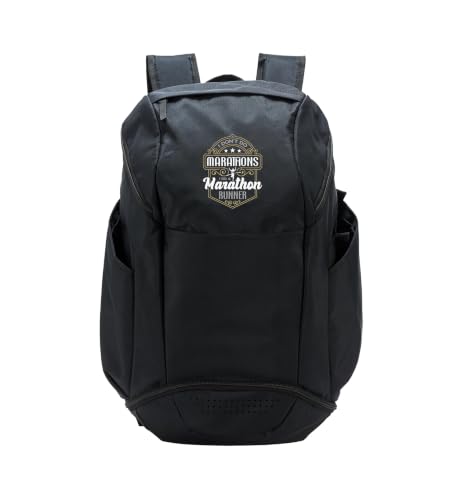


Understanding Backpacks and Packs for Runners
Many people assume running requires absolute freedom from extra gear, yet thousands of athletes hit the pavement and trails wearing dedicated packs every single day. The reality is that runners regularly wear packs when their distance, route conditions, or daily transit needs demand extra supplies. Rather than reaching for standard school bags or heavy travel luggage, experienced athletes rely on specialized running packs designed specifically to eliminate bounce and disperse weight across the torso. Understanding the differences between these specialized packs and conventional luggage helps you select the right setup without compromising your natural stride.
The Core Reasons Runners Wear Packs
Long training runs represent the most frequent scenario where athletes carry a dedicated bag. Preparing for a half marathon, marathon, or ultramarathon requires continuous fluid intake and caloric replenishment over multiple hours. Carrying handheld bottles can disrupt your natural arm swing and cause asymmetric muscle tension over long distances. Wearing a lightweight pack or vest keeps your hands free, allowing your upper body to maintain a relaxed and symmetrical running posture.
Run commuting has also transformed how urban professionals transport daily essentials between home and the workplace. Running to the office eliminates transit stress and integrates cardio workouts into a busy work schedule. Commuters need a way to transport a change of clothes, personal toiletries, a smartphone, and sometimes a compact laptop. A purpose-built running backpack provides the structural stability needed to carry these daily items comfortably without aggressive bouncing.
Trail runners and mountain athletes face unpredictable environments that make carrying extra gear a matter of safety. Mountain weather changes rapidly, requiring wind shells, thermal layers, emergency bivy sacks, and first-aid kits. Many organized trail races even enforce mandatory gear lists that runners must carry throughout the competition. In these rugged environments, wearing a pack is not merely a convenience, but an essential safety requirement.
Running Vests Versus Traditional Daypacks
Standard daypacks rest their weight primarily across the top of your shoulders and sag toward the lower lumbar spine. While this carrying geometry works well for walking or hiking, running creates vertical acceleration that causes standard backpacks to violently bounce. Running vests solve this issue by wrapping around the rib cage like a piece of structured apparel. They distribute the load across the entire torso, securing gear against the thoracic spine and upper chest.
Storage orientation also differs significantly between traditional backpacks and running vests. Traditional daypacks isolate nearly all contents in a large rear compartment that requires taking the pack off to access supplies. Running vests incorporate multiple front harness pockets directly on the chest straps for soft flasks, energy gels, and mobile devices. This front-accessible architecture allows you to hydrate and fuel on the move without breaking your running cadence.
Volume capacity represents another critical distinction between running gear and standard bags. While traditional daypacks often range from twenty to thirty liters, running packs typically offer between two and twelve liters of compact storage. Keeping the interior volume minimal prevents extra gear from shifting around inside an empty cavity. Runners prioritize snug compression over excessive cargo volume to maintain stability at higher paces.
Run Commuting Mechanics and Gear Transit
Transporting electronics and professional clothing introduces unique logistical challenges that casual runners never encounter. Unlike trail runners carrying pliable layers, run commuters must protect flat garments and rigid technological devices. Placing dense items like a laptop or tablet against the back panel ensures the center of mass stays close to your spine. Keeping the center of gravity near your torso minimizes rearward leverage that could otherwise pull on your neck and trapezius muscles.
When planning an urban route, comparing run-commute packs with standard hiking daypacks reveals obvious differences in harness contouring and strap density. Commuter running bags use flat, wide shoulder straps lined with perforated foam to balance load stabilization and sweat evaporation. Internal compression systems cinch the compartment tight, holding work attire securely against internal dividers. This internal immobilization prevents heavy garments from sliding into the bottom corners of the bag during repetitive foot strikes.
Packing order also plays a crucial role in maintaining spinal comfort throughout an extended run commute. Soft items like extra socks or a lightweight fleece should line the perimeter of the pack to buffer rigid edges. Never allow hard items like power adapters, keys, or phone chargers to press directly against the inner back panel. Proper weight distribution protects both your delicate electronics and your musculoskeletal alignment during high-impact city running.
Harness Architecture and Eliminating Pack Bounce
Eliminating vertical bounce requires a harness system that secures the pack in three distinct planes of motion. Traditional backpacks rely on a single sternum strap and a loose waist belt, which fails to control rotational twisting. Performance running packs utilize dual sternum straps that slide vertically along rail piping on the chest. This dual-strap configuration lets you customize upper and lower chest tension across your sternum, preventing lateral sway as your shoulders rotate.
Elastic side cords or stretch mesh side panels provide dynamic tension that moves in rhythm with your breathing. A rigid harness constricts lung expansion during high-intensity intervals, making deep diaphragmatic breaths uncomfortable. Elasticized side harnesses maintain continuous compression against your torso while flexing outward as your rib cage expands. This dynamic tension keeps the pack firmly anchored to your upper body without creating a suffocating sensation.
Load stabilization becomes even more critical as you consume water and alter the weight profile of the pack. When a two-liter hydration reservoir empties, the remaining fluid can slosh violently in the extra empty space. Quality running packs feature exterior bungee compression cords that let you cinch down the main pocket on the fly. Compressing the reservoir compartment eliminates sloshing sounds and keeps the remaining fluid steady against your back.
Chafing Prevention and Contact Point Protection
Continuous friction against damp clothing can cause severe chafing during warm, high-mileage running sessions. The most vulnerable contact zones include the sides of the neck, the collarbones, and the lower lumbar margin. When shoulder straps rub back and forth across wet skin, abrasive micro-tears quickly develop. Preventing friction burns requires choosing a pack with soft edge binding and seamless strap borders that lay flat against your body.
Apparel choice also plays a decisive role in shielding your skin from strap abrasion. Wearing a sleeveless singlet or tank top exposes your shoulders and neck directly to moving nylon straps and mesh panels. Opting for a technical short-sleeve shirt with a crew neckline creates an effective fabric barrier that absorbs friction. Technical synthetic fabrics also wick perspiration away from contact zones, reducing the moisture that accelerates chafing.
Applying an anti-chafe lubricant to friction-prone areas provides valuable extra defense before long outings. Spread the balm along your collarbones, lower neck, and around your lower ribs where the harness edges sit. If you notice localized hot spots during a run, pause immediately to adjust strap tension rather than pushing through the pain. Minor strap repositioning often relieves concentrated pressure points before skin integrity breaks down.
Hydration Integration: Bladders Versus Soft Flasks
Selecting the right fluid delivery system depends on your target distance, personal fueling strategy, and terrain. Hydration bladders house between one and three liters of fluid in a rear sleeve, delivering water through an over-the-shoulder drink tube. While bladders hold substantial fluid volumes, refilling them during races requires removing the entire pack. They also make monitoring your remaining fluid intake difficult because the reservoir remains hidden behind your back.
Soft flasks mounted on front shoulder straps offer an efficient alternative preferred by many marathoners and ultramarathoners. These collapsible bottles shrink in volume as you drink, which completely prevents liquid from sloshing back and forth. Refilling soft flasks at aid stations takes only seconds because you never need to take off your harness. Placing two separate flasks up front also allows you to carry pure water in one bottle and electrolyte mix in the other.
Unlike heavy-duty internal frame packs built to support rigid thirty-pound loads, running hydration setups prioritize flexible body compliance. Soft flasks collapse completely flat when empty, eliminating unneeded bulk from your front straps. Hydration bladders in running packs are also engineered with internal baffles to reduce fluid movement. Choosing between these systems comes down to whether you prioritize maximum capacity or quick refilling convenience.
Fabric Durability, Sweat Resistance, and Care
Running generates massive amounts of body heat and sweat, which quickly saturates the rear contact panel. Manufacturers counter this moisture accumulation by constructing running packs with open-cell three-dimensional mesh panels. These breathable mesh channels elevate the pack body slightly off your spine, promoting evaporative cooling along your back. The surrounding exterior shell typically utilizes lightweight ripstop nylon or polyester treated with durable water repellent coatings.
Sweat contains sodium and mineral salts that can degrade synthetic fibers and corrode zipper hardware over time. Allowing sweat to dry repeatedly inside the mesh fabric stiffens the harness straps and creates abrasive sandpaper-like textures. Regular cleaning preserves fabric elasticity, prevents unpleasant odor buildup, and protects water-resistant polyurethane coatings. Rinsing your pack with cool tap water after sweaty runs removes mineral deposits before they crystallize in the seams.
When performing a deep wash, submerge the bag in lukewarm water mixed with a mild, non-detergent technical soap. Gently scrub sweaty straps and mesh contact points using a soft cloth or a clean toothbrush. Never toss your running pack into a standard washing machine where mechanical agitators can tear lightweight mesh or snap plastic buckles. Always hang your running pack to air dry in a well-ventilated space away from direct sunlight and artificial heat sources.
Selecting the Right Pack for Your Running Style
Finding an ideal pack starts with defining your typical weekly running distance and personal gear requirements. Road runners logging ten to fifteen miles on weekends usually need nothing more than a minimalist hydration vest holding one liter of water and a few nutrition gels. Minimalist packs maintain a featherweight footprint that hugs your torso without feeling cumbersome or trapping excessive body heat. These compact setups provide just enough utility to support long marathon training runs without slowing your pace.
Trail runners exploring remote wilderness routes require packs with expanded storage between six and twelve liters. Extra capacity allows you to pack waterproof rain layers, an emergency foil blanket, navigation tools, and trekking poles. Many trail packs include dedicated trekking pole attachment loops that secure folding poles across your chest or lower back. Having your hands free when climbing steep technical terrain dramatically enhances stability and overall trail safety.
Urban commuters should look for dedicated running backpacks that incorporate structured compartments designed for everyday items. Seek out bags that feature padded device sleeves and secure zippered pockets for transit passes, house keys, and mobile phones. Verify that the harness features wide straps and multiple adjustment points to balance denser loads across your upper torso. Selecting a pack tuned to your specific environment ensures you can run comfortably, safely, and efficiently on every outing.







Write Your Review
No reviews yet. Be the first to share your experience!