


Walking across sunlit pavement during a midsummer commute quickly reveals how much environmental heat can influence daily carry gear. When intense solar radiation strikes dark nylon or polyester, many commuters wonder whether choosing dark gear worsens discomfort. The short answer to whether do black backpacks get hot is that dark exterior surfaces undeniably absorb more visible light and convert it into thermal energy. However, the degree to which that exterior heat warms your back or damages internal electronics depends heavily on pack architecture. Features such as molded back panels, suspended air mesh, and specialized thermal barriers play a massive role in regulating internal temperatures.
Carrying heavy loads under direct sunlight creates two distinct thermal issues: external heat absorption and trapped body heat against your spine. While specialized gear such as insulated backpack cooler designs relies on dense foam barriers to isolate contents from ambient heat, standard commuter daypacks and student bookbags rely primarily on airflow geometry. Understanding how dark textiles interact with direct sunlight helps you pack more intelligently, protect temperature-sensitive electronics, and maintain personal carrying comfort. Evaluating fabric density, back panel ventilation, and internal compartment separation ensures your gear stays manageable even during the hottest afternoon transit walks.




Solar Absorption, Thermal Transfer, and Backpack Ergonomics in Direct Sunlight
Answering whether do black backpacks get hot requires separating exterior surface temperature from internal compartment warming and personal carrying comfort. Under direct sunlight, black synthetic fabrics absorb nearly all visible light wavelengths and transform that radiant energy into surface heat. While the outer shell of a dark bag becomes noticeably warmer than a white or light-gray pack, this heat does not automatically penetrate to your back. The actual thermal impact depends on textile density, internal insulation layers, and the physical separation provided by your backpack harness system.
The Physics of Solar Absorption and Dark Synthetic Fabrics
Solar radiation reaches the earth across ultraviolet, visible, and infrared light spectra. Dark pigments contain carbon black or dark chemical dyes that absorb the full spectrum of visible wavelengths rather than reflecting them away. In contrast, white or pale textiles reflect most visible light, preventing that radiation from converting into thermal energy. When a black nylon or polyester pack rests in direct midday sun, its outer shell can reach temperatures significantly higher than the ambient air.
The rate of heat accumulation also depends on fabric weave and yarn density. Heavy ballistic nylon and high-denier polyester retain surface heat longer because dense synthetic fibers possess higher thermal mass. Tightly woven fabrics coated with polyurethane for water resistance tend to trap radiant energy near the exterior surface. Lighter, open-weave fabrics allow tiny currents of ambient air to circulate through individual yarns, shedding absorbed heat slightly faster during a breezy walk.
Surface Temperature Versus Internal Compartment Heat Transfer
A hot exterior shell does not automatically translate into an overheated main compartment. Heat transfer operates through conduction, convection, and radiation across the distinct structural layers of the bag. Between the outer shell and the items inside, most modern backpacks incorporate secondary lining fabrics, internal slip pockets, and structural foam padding. These internal layers act as mild thermal buffers, slowing the rate at which exterior surface warmth moves toward your stored gear.
Trapped air between packed items also creates natural convective resistance that limits rapid temperature spikes. If a dark backpack contains loosely packed clothing or notebooks, the internal air volume warms gradually rather than instantaneously. Conversely, items pressed directly against the exterior fabric experience direct conductive heating from the sunlit outer shell. Packing sensitive items toward the interior core of the bag provides a protective buffer against intense radiant heat.
Impact on Sensitive Electronics and Internal Contents
Carrying portable technology requires careful attention to thermal thresholds. Modern laptops, tablets, and smartphones rely on lithium-ion battery cells that degrade more rapidly when exposed to elevated temperatures. When an electronic device absorbs excess external heat, internal safety sensors may initiate thermal throttling to protect delicate processors. In severe heat scenarios, leaving a dark bag exposed to direct sun on a car seat or park bench can trigger temporary battery shutdowns.
Dedicated tech compartments with suspended laptop sleeves offer measurable thermal advantages. Because a suspended sleeve holds devices away from the exterior front panel and flat bottom, air surrounds the device chassis rather than direct solar contact. Keeping charging cables, power banks, and laptops nestled against interior divider walls shields them from exterior hot spots. Commuters who regularly transit through high-heat environments should avoid packing electronics against the outermost zippered pockets exposed to direct sunlight.
The Back Panel Factor: Why You Sweat Regardless of Pack Color
Many commuters assume that choosing a lighter-colored backpack will eliminate uncomfortable back sweat during summer walking trips. In reality, the excessive heat felt between your shoulder blades stems primarily from your own metabolic output rather than solar fabric absorption. The human body continuously releases moisture and heat to regulate core internal temperature during physical exertion. When a flat backpack panel presses firmly against your spine, it blocks natural airflow and prevents evaporative cooling.
Because your back remains pressed against the rear panel, that specific surface rarely receives direct solar radiation while you walk. The sun warms the top lid and front face of the pack, while your torso traps its own body heat against the back cushion. Whether your backpack is pitch black, bright yellow, or pure white, a solid foam back panel will create sweat buildup within twenty minutes of brisk walking. Eradicating back heat requires mechanical ventilation rather than changing fabric dye.
Ventilation Architectures: Molded Channels, Suspended Mesh, and Spacer Foam
Backpack designers tackle torso perspiration by engineering specialized airflow architectures that elevate the pack body away from the spine. High-performance daypacks, such as the Osprey Tempest 22L, utilize tensioned mesh and die-cut foam ridges to create continuous ventilation chimneys. These air gaps allow warm, humid air generated by your back to escape upward while drawing in cooler ambient air from the sides. Open-cell spacer mesh also wicks surface sweat away from clothing fabrics to accelerate natural evaporation.
More substantial loads frequently benefit from rigid structural suspensions that hold the entire pack body completely off the lumbar region. Hikers and long-distance walkers often look to external frame hiking packs when maximum gap clearance is necessary to prevent sweat accumulation over grueling trail miles. While minimalist campus bookbags often feature flat, unventilated foam sheets, commuter packs with molded central air channels provide a balanced compromise for urban transit. Prioritizing back panel geometry always delivers superior cooling benefits compared to prioritizing exterior textile color.
Thermal Retention in Insulated and Delivery Backpacks
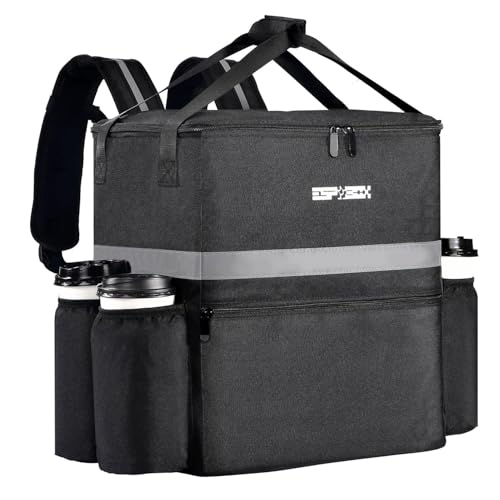
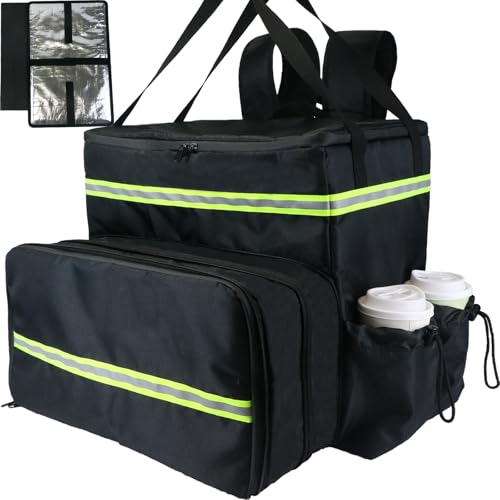
Thermal mechanics shift dramatically when examining specialized delivery carriers such as the Wigojoy Food Delivery Backpack, ESPXBOX delivery bag, or MEODOASSY carrier. These high-capacity bags feature thick interior walls lined with closed-cell expanded polyethylene foam and reflective aluminum foil. The thermal barrier is engineered to preserve interior food temperatures regardless of whether the order consists of steaming hot pizza or chilled beverages. In these configurations, external solar absorption on the black outer shell has minimal influence on the internal payload.
The dense insulation layer creates a robust thermal break that prevents conductive transfer from the sun-baked exterior fabric. Furthermore, bike couriers and food delivery riders benefit from black outer fabrics because they resist road grime, chain oil, and vehicle exhaust during long urban shifts. The external black finish absorbs solar rays, but the interior foil reflects radiant heat back toward hot food containers. For commercial delivery personnel, the practical cleanliness of dark synthetic materials far outweighs any minor exterior surface warming.
Material Choices: Ballistic Nylon, Polyester, Canvas, and Heat Dissipation
Different textile fibers exhibit distinct thermal properties when exposed to direct solar radiation and environmental warmth. Synthetic options like 500D Cordura and 1680D ballistic nylon offer remarkable abrasion resistance, but their dense molecular structure stores absorbed thermal energy effectively. Polyester fibers absorb slightly less moisture than nylon, helping the bag maintain consistent structural rigidity in humid weather while radiating absorbed warmth back into the air. Both synthetic fabrics commonly receive waterproof backings that limit natural vapor breathability.
Natural fabrics present an entirely different thermal profile under intense summer sun. A heavy cotton canvas pack, such as the NGIL canvas school backpack, features thicker spun yarns that allow subtle breathability across non-laminated panels. Canvas absorbs moisture from perspiration more readily than slick nylon, which can feel softer against light apparel during warm weather. However, untreated canvas lacks the water repellency of coated synthetics, requiring commuters to weigh thermal breathability against sudden weather vulnerability.
Color Selection Versus Functionality: When Black Still Makes Sense
Despite minor surface temperature increases in direct sun, black remains the dominant color choice across professional, academic, and travel backpacks. Dark textiles conceal inevitable everyday scuffs, dust, grease, and rain splash marks that quickly discolor light-gray or pastel bags. In corporate and university settings, a clean black silhouette projects an understated, professional appearance that transitions seamlessly from subway cars to conference rooms. Choosing light colors to avoid solar heat often results in frequent laundering and visible fabric wear.
Black fabrics also demonstrate superior resistance to noticeable ultraviolet fading over multiple seasons of active outdoor use. High-energy UV rays break down synthetic dyes, often turning vibrant colored packs into chalky, faded shells after prolonged exposure. Dark carbon-based pigments generally maintain their visual depth and disguise minor surface abrasions much better than bright alternatives. For most everyday commuters, the practical advantages of stain resistance and aesthetic versatility easily justify managing minor solar heat absorption.
Practical Strategies to Reduce Heat Buildup on Sunny Days
Carrying a dark backpack comfortably during sweltering summer afternoons comes down to smart harness adjustment and thoughtful gear packing. Loosening the shoulder straps slightly while securing a sternum strap allows a small sliver of airflow across your upper back instead of pinning the pack flush against your spine. Positioning dense, flat objects like laptops or binders along interior divider sleeves prevents bulky gear from distorting the rear panel and collapsing ventilation channels. When walking directly into midday sun, keeping the pack cinched higher on the torso stabilizes the load and reduces friction.
You can also keep personal hydration cooler by isolating water bottles within external mesh pockets rather than burying them inside a sun-warmed main compartment. Commuters seeking practical ventilation on a modest spending plan can evaluate reliable budget hiking backpacks that incorporate contoured air channels and breathable mesh straps without premium price tags. Packing heat-sensitive items, such as chocolate snacks, cosmetic products, or battery packs, in the bottom center of the pack keeps them insulated by surrounding fabrics. Simple packing habits effectively neutralize the thermal absorption of dark exterior shells.
Final Verification: Balancing Color Preferences with Real-World Comfort
Evaluating backpack thermal dynamics ultimately reveals that fabric color plays a minor role in overall carrying comfort. While a black outer shell will register higher surface temperatures under direct solar exposure, back sweat is overwhelmingly caused by blocked body heat dissipation rather than incoming solar rays. Backpack shoppers should focus primarily on back panel architecture, breathable harness foam, and internal padding rather than eliminating black bags from consideration. A well-ventilated dark pack will consistently carry cooler than a poorly ventilated white bag during a humid summer commute.
Selecting the right bag requires matching functional features to your daily transit conditions and gear protection needs. Commuters carrying sensitive computing devices should prioritize suspended padded sleeves, while cyclists and walkers need molded airflow channels and moisture-wicking harness mesh. Dark fabrics remain the practical gold standard for concealing urban grime, enduring daily transit friction, and delivering professional versatility. Understanding how thermal transfer works allows you to wear your favorite black backpack through the warmest months with complete confidence.







Write Your Review
No reviews yet. Be the first to share your experience!