


Navigating airline gate checks with a high-capacity bag can cause significant anxiety when boarding lines begin to move. Travelers frequently wonder whether does a 50l backpack fit in carry on compartments or if gate agents will force a costly baggage check. Standard overhead compartments follow strict physical dimensions, making large travel bags a tricky proposition for frequent flyers. Balancing generous interior packing volume against airline compliance requires evaluating actual bag geometry rather than trusting stated liter labels alone. Selecting sensible luggage options, such as versatile budget hiking backpack designs, demonstrates how physical dimensions often matter much more than manufacturer marketing terms.
A bag holding fifty liters of gear offers ample room for multi-day clothing, tech essentials, and footwear, but external dimensions expand quickly once compartments are fully stuffed. Soft fabrics can bulge outward past airline depth limits, while rigid back panels or extended torso frames can prevent luggage bin doors from latching. Understanding the difference between domestic airline sizer dimensions and international carrier rules helps travelers prevent unexpected boarding delays. Evaluating specific backpack measurements, compression straps, and harness ergonomics ensures your gear travels safely overhead without causing avoidable transit headaches.
Understanding Carry-On Sizing and 50-Liter Backpack Compliance
Determining whether a fifty-liter pack fits in an overhead compartment depends heavily on physical frame dimensions, packing discipline, and specific airline baggage regulations. While standard domestic overhead bins accommodate bags measuring up to forty-five linear inches, a fifty-liter capacity pushes right against the absolute upper threshold of carry-on allowances. A fully packed technical bag featuring rigid internal stays or an extended aluminum frame will almost certainly exceed dimensional limits, whereas a soft-sided travel pack equipped with compression straps can often comply. Navigating these constraints requires a close examination of how nominal volume translates into physical exterior inches across varied aircraft types.
The Mathematical Reality of 50-Liter Volume Versus Carry-On Limits
Standard airline carry-on limits across major domestic carriers like Delta, United, and American typically cap exterior luggage dimensions at 22 inches high, 14 inches wide, and 9 inches deep. When multiplied together, these three dimensions yield 2,772 cubic inches of total exterior volume, which represents the physical envelope permitted inside standard bins. Converting cubic inches to liquid liters results in an absolute geometric threshold of approximately 45.4 liters under ideal rectangular conditions. This mathematical boundary demonstrates why fitting fifty liters into a strictly compliant carry-on space presents an inherent physical challenge for one-bag travelers.
Luggage manufacturers often calculate liter capacity by measuring the exterior dimensions of a bag at its absolute widest points or by filling interior compartments with lightweight test pellets. When interior organizer pockets, padded laptop sleeves, and external water bottle holders expand simultaneously under a heavy pack load, the exterior footprint easily exceeds 45 linear inches. A bag labeled as fifty liters must either feature compressed construction or employ flexible, unpadded fabric walls to squeeze down into airline compliance. Travelers should never assume that a manufacturer’s generous capacity rating automatically guarantees compliance with strict gate-side sizer boxes.
Outdoor Trekking Packs Versus Travel-Specific Clamshell Backpacks
The architectural difference between technical trail packs and travel-focused backpacks plays a critical role in overhead bin fit. Traditional hiking packs are engineered with tall, narrow profiles and rigid internal stays designed to transfer heavy loads onto the pelvic girdle during long backcountry ascents. Unlike flexible travel luggage, rigid frame backpacks cannot be compressed below their fixed internal aluminum or composite stay height. These technical outdoor designs frequently measure twenty-six inches or taller, preventing the overhead bin door from closing properly even when the pack is partially empty.
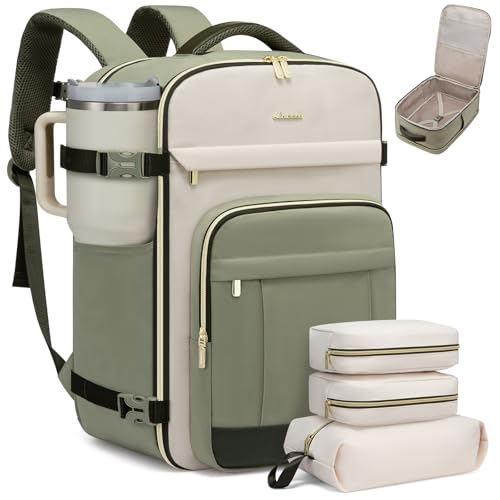
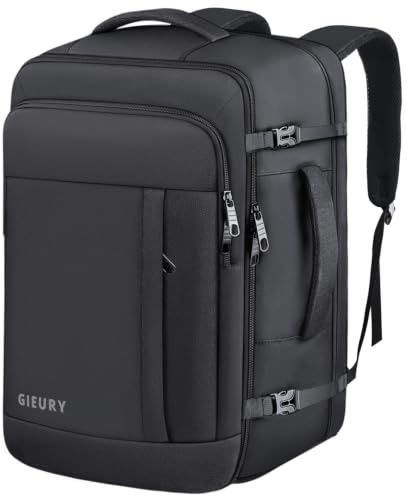
Travel-specific packs, such as the LOVEVOOK 50L Travel Backpack for Women & Men, approach storage from a luggage perspective by utilizing wide, rectangular silhouettes that maximize cabin dimensions. The LOVEVOOK model features exterior measurements of 19 by 14.5 by 9.5 inches, keeping the vertical height well below typical overhead limits while maximizing lateral packing width. Furthermore, models like the Carry On Backpack TSA Flight Approved from Gieury utilize expandable perimeter gussets that allow travelers to compress the bag during boarding and expand it after landing. These suitcase-style clamshell configurations fit standard overhead bins far more reliably than cylindrical top-loading trail packs.
Airline Dimensional Standards Across Domestic and International Routes
Domestic carriers in the United States generally offer more generous overhead space than international airlines or regional commuter carriers. Major domestic airlines permit carry-on bags up to 22 by 14 by 9 inches, which accommodates soft-sided fifty-liter travel packs if they are packed conservatively without outward bulging. However, budget carriers such as Spirit, Frontier, and Allegiant strictly monitor carry-on sizes with metal airport sizers placed right at the boarding gate to capture ancillary revenue. If an expanded fifty-liter pack bulges beyond the designated sizer dimensions, gate agents will require a mandatory gate check accompanied by expensive fees.
International travel introduces even tighter baggage restrictions that can catch unprepared long-haul travelers off guard. Many European and Asian carriers limit carry-on luggage to 55 by 35 by 20 centimeters, which translates to roughly 21.6 by 13.7 by 7.8 inches. In addition to tighter dimensional requirements, international airlines frequently enforce strict carry-on weight limits between seven and ten kilograms. A fully loaded fifty-liter backpack easily exceeds twelve to fifteen kilograms, making gate-check avoidance nearly impossible on international flights regardless of how well the bag fits into physical bins.
The Depth Bulge Trap and Airport Sizer Boxes
The most common failure point for large carry-on backpacks occurs along the depth dimension rather than vertical height. Most airline regulations permit a maximum depth of nine inches, which fills up rapidly when main compartments are packed with dense clothing, footwear, and toiletry kits. When travelers load extra jackets or bulky charging bricks into exterior organizer pockets, the flexible front panel naturally balloons outward to eleven or twelve inches deep. This outward expansion prevents the backpack from sliding smoothly into airport sizer frames, prompting immediate gate agent scrutiny during priority boarding.
Airport sizer boxes are constructed with rigid steel frames that offer zero tolerance for outward fabric expansion or protruding gear. While soft-sided packs can sometimes be squeezed into a metal sizer with hand pressure, forcing an overstuffed bag into the frame can rip seams or crack delicate internal electronics. External compression straps are essential for pulling the front panel back toward the rear frame, flattening the overall profile before you reach the gate. Cinching these straps tightly before entering the boarding line ensures that the bag maintains an acceptable depth profile under nine inches.
Harness Ergonomics, Weight Distribution, and Torso Support
Carrying a fifty-liter load through sprawling airport terminals requires careful attention to harness design and ergonomic weight distribution. A fully loaded bag of this capacity often weighs between twenty and thirty pounds, placing considerable downward pressure on the trapezius muscles and cervical spine. The Carry On Backpack TSA Flight Approved from Gieury addresses this stress by incorporating wide padded shoulder straps and high-density foam cushioning along the back panel. Without adequate strap padding and contoured ergonomic geometry, heavy carry-on loads can cause rapid neck, shoulder, and lumbar fatigue during long walking transfers between terminals.
Distributing pack weight correctly inside the compartment is just as important as strap construction for long-term comfort. Travelers should always place the heaviest items, such as shoes, toiletry kits, and dense electronics, close to the back panel and near the mid-back center of gravity. Packing dense objects away from the back panel creates leverage that pulls the pack backward, straining the upper spine and causing the lower bag to sag awkwardly. Incorporating adjustable sternum straps and chest buckles helps stabilize the load, keeping the harness securely centered across the collarbones without slipping off your shoulders.
Dedicated Device Protection and TSA Airport Checkpoint Design
Managing high-capacity travel packs at security checkpoints requires efficient organization to prevent delays in crowded screening lines. Modern carry-on designs frequently incorporate flat-lay compartments that unzip 180 degrees, allowing electronic devices to pass through airport X-ray scanners without removal. Dedicated laptop sleeves engineered to accommodate large screens, such as the 17-inch laptop pocket on the Gieury pack, provide accessible storage for business travelers carrying mobile workstations. Isolating laptops in independent padded sleeves protects expensive screens from shifting clothing, heavy shoes, and exterior transit impacts.
Device protection also relies on impact-absorbing construction along the base of the dedicated tech compartment. When dropping a heavy travel backpack onto hard airport tile or concrete terminal floors, a sleeve lacking a suspended false bottom allows the device chassis to strike the ground directly. Quality travel designs isolate tech compartments with dense foam padding along both the front and rear panels to absorb unexpected shocks. Ensuring that your electronic accessories, power banks, and cables remain neatly organized in dedicated admin pockets prevents abrasive hardware from scratching screen surfaces.
Strategic Compression and Internal Packing Cube Management
Maximizing the utility of a large travel bag requires disciplined internal organization rather than loose, chaotic packing. The LOVEVOOK 50L Travel Backpack includes three dedicated packing cubes that segment outfits, underwear, and accessories into modular blocks. Packing cubes prevent garments from expanding freely against the exterior zipper tracks, keeping the pack’s outer profile tidy and compact throughout the journey. They also prevent internal gear shifts during transit, ensuring that weight distribution remains stable as you walk through terminals and climb boarding stairs.
Utilizing dedicated wet pockets or separate shoe compartments further streamlines packing geometry for multi-day itineraries. Bottom shoe compartments, such as the dedicated footwear pocket featured on the Gieury backpack, keep dirty soles separated from clean garments while anchoring heavy items at the base of the pack. Travelers exploring multi-functional bags with insulated storage, like specialized backpack cooler compartments, understand how isolated dividers maintain cleanliness across diverse gear types. Keeping damp swimsuits and wet toiletries in sealed waterproof pouches protects sensitive electronics from unexpected liquid spills during sudden cabin pressure changes.
Managing Gate Checks and Protective Harness Stowage
Even when a fifty-liter backpack fits standard overhead dimensions, full flights or regional aircraft configurations can necessitate a gate check. Regional turboprops and smaller commuter jets feature downsized overhead bins that cannot accommodate bags exceeding forty liters, forcing ramp agents to tag larger carry-ons. Preparing your backpack for the baggage hold before boarding reduces the risk of strap damage or lost items during transit. Buckling loose harness straps and securing dangling cords prevents shoulder straps from catching in mechanized luggage handling conveyor belts or airport luggage carts.
Many modern travel packs include rear trolley sleeves that slide directly over rolling suitcase handles, enabling hands-free airport navigation. When converting a backpack into checked baggage mode, stowing shoulder straps behind rear panel cushions transforms the pack into a streamlined duffel that ramp handlers can stack easily. Always remove high-value electronics, portable batteries, and essential travel documents before handing your bag to gate agents. Keeping critical essentials in a compact packable pouch ensures you maintain control of sensitive gear if your main bag travels in the cargo hold.
Practical Guidelines for Selecting the Right Travel Pack
Deciding whether a fifty-liter backpack matches your travel habits depends on flight frequency, airline choices, and personal packing style. For travelers embarking on three- to seven-day journeys on domestic full-service airlines, a soft-sided 50L travel pack provides immense packing versatility. The expansive volume eliminates the need for checked baggage fees while offering suitcase-style accessibility through full clamshell zippers. However, international globetrotters and budget airline enthusiasts may find a thirty-five to forty-liter bag far less stressful when facing strict boarding gates and unforgiving weight limits.
Prioritizing reinforced stitching, water-repellent exterior materials, and heavy-duty metal zippers ensures your travel bag withstands the rigors of frequent air transit. Inspecting seam tension along high-stress points, particularly around shoulder strap anchors and zipper junctions, prevents catastrophic hardware blowouts during transit. Balancing packing volume with airline dimensional realities allows you to travel light, move quickly through busy airports, and protect your gear across every leg of the journey. Selecting high-density fabrics and structured back panels ensures your pack retains its shape over years of demanding flights.
Ultimately, a soft-sided fifty-liter travel backpack can successfully fit into standard domestic overhead bins when packed with care and compressed to stay within twenty-two by fourteen by nine inches. Maintaining control over exterior depth by avoiding overstuffed front pockets is the key factor that keeps your bag compliant. By choosing travel-tailored silhouettes over rigid hiking packs and utilizing modular packing cubes, you can maximize your packing capacity while avoiding gate-check penalties on every flight.







Write Your Review
No reviews yet. Be the first to share your experience!