


Loading an outdoor daypack requires balancing essential trail safety with manageable pack weight. Knowing exactly what to put in a hiking bag prevents unnecessary neck fatigue, shoulder strap chafing, and mid-hike exhaustion when traversing uneven switchbacks. Many outdoor enthusiasts also integrate specialized compartments or backpack cooler compartments to keep trail lunches fresh without sacrificing central compartment capacity. Packing strategically ensures every layer, hydration bladder, and navigation tool remains accessible whenever changing mountain conditions demand immediate action.
A reliable packing setup centers on dependable thermal insulation, weather-resistant protection, and deliberate center-of-gravity placement against the spine. Compact sleep gear like lightweight envelope bags or weather-resistant shells offers indispensable emergency shelter during unexpected drops in elevation temperature. Keeping dense items centered against your thoracic spine stabilizes the harness, allowing molded back channels to maintain airflow across warm afternoon climbs. Following structured gear checklists guarantees you carry essential protection without overloading shoulder straps or straining lumbar support.

Pros
- Packs down compactly with the included strapped compression sack, fitting smoothly into hiking packs or lashed externally
- Weighs under 3 pounds (listed at roughly 2.87 lbs), keeping carried weight manageable on warm-weather backpacking trips
- Hex-tech outer shell wipes clean easily and offers water protection against damp campsite conditions
- Convenient dual-sided snag-free zipper, headrest drawstring, and anti-slip velcro closure strap improve nighttime adjustability
Cons
- Limited to mild weather with a 50°F to 77°F rating, making it unsuitable for true cold-weather or alpine winter trips without auxiliary insulation
- Synthetic fill does not compress as small or as light as premium high-fill-power down bags
- At 29.5 to 31.5 inches wide, broader sleepers may find the interior cut restrictive compared to rectangular home bedding
The MalloMe 3-Season Sleeping Bag serves as a budget-friendly sleep system designed for warm-weather campers, summer backpackers, and scouts building an entry-level trail setup. Rated for temperatures between 50°F and 77°F, this single-person sleeping bag focuses on mild-weather use where heavy, freezing-rated insulation would add unnecessary bulk and weight to a hiking loadout. For hikers seeking an affordable sleeping accessory that packs into a backpack without consuming excessive budget, this model provides practical functionality for state park overnights, backyard campouts, and casual trail trips.
In terms of pack carry and dimensions, the sleeping bag weighs approximately 2.87 pounds (listed by the manufacturer as around 3 pounds) and measures 86.6 inches in length by roughly 29.5 to 31.5 inches in width. The generous length easily accommodates a 6-foot adult while also serving kids and teens comfortably. For transport, it includes a compression sack fitted with adjustable cinch straps, allowing backpackers to compress the packed volume and slip it into a lower sleeping-bag compartment or lash it externally beneath a hiking backpack.
The construction highlights sensible trail-ready materials for damp outdoor environments. It features a waterproof hex-tech protective outer shell, reinforced with double-layered S-shape stitching to prevent the interior fill from shifting or clumping during use. Inside, 3D synthetic fiber fill provides reliable thermal loft and insulation. Hardware includes snag-free double-sided zippers for smooth venting from either end, an integrated headrest with adjustable drawstrings for draft control, and an upper velcro securing strap that prevents the zipper from migrating open overnight.
Daily trail operation and packing are straightforward. At camp, unrolling the bag allows the 3D synthetic fiber to loft quickly, while the headrest drawstrings can be pulled tight to retain warmth around the neck and head in cool weather. When breaking camp, the sleeping bag rolls up and slides into the compression sack, where tightening the exterior compression straps reduces overall pack volume. Maintenance between trips is equally simple: surface dirt and mud wipe off the hex-tech shell with a damp cloth, and the bag is fully machine washable for deeper end-of-season laundering.
Buyers should keep realistic expectations regarding thermal limits and pack volume. With a temperature rating of 50°F to 77°F, this bag is strictly built for mild spring, summer, and early fall nights, meaning it should not be relied on for late-season alpine treks or sub-freezing conditions without auxiliary thermal liners. Furthermore, while the synthetic fill retains insulating properties in damp air, it does not compress down as tiny as high-fill-power down alternatives, requiring realistic space allocation in mid-sized hiking daypacks or overnight packs.
Based on product specifications and listed design features, the MalloMe Sleeping Bag represents a solid, cost-effective sleep gear solution for warm-weather backpackers, family campers, and casual weekend hikers. It delivers the right blend of protective shell fabric, dependable hardware, and included compression storage for anyone assembling a reliable warm-weather camp kit.
The MalloMe sleeping bag measures 86.6 inches in length by roughly 29.5 inches to 31.5 inches wide, offering adequate room for adults up to 6 feet tall, as well as youth and teens. At an official weight of roughly 2.87 pounds (around 3 pounds), it provides a manageable carry weight for weekend trail overnights.
The included compression sack features integrated compression straps designed to reduce packed bulk. This makes it easier to pack inside the base compartment of a multi-day backpacking pack or attach securely to external gear loops without requiring separate aftermarket dry bags or straps.
Built with a protective hex-tech waterproof outer shell and double-layered S-shape stitching, this sleeping bag resists light ground moisture and tent condensation. The interior uses 3D synthetic fiber fill to provide soft, distributed insulation across mild temperature ranges from 50°F to 77°F.
Routine care is hassle-free because surface grime can be wiped away with a damp cloth. For thorough cleaning after dusty or muddy trail use, the sleeping bag is fully machine washable, preserving long-term cleanliness and performance without specialized laundering requirements.
The Comprehensive System for Packing a Hiking Bag
Loading an outdoor pack effectively requires a deep understanding of weight distribution, environmental unpredictability, and personal trail requirements. Deciding what items earn a spot inside your pack directly affects your endurance, spinal posture, and safety when facing sudden meteorological shifts or rough terrain. Establishing a systematic packing procedure prevents unnecessary gear duplication while ensuring immediate access to lifesaving gear when emergencies arise. Taking time to organize your gear methodically before hitting the trailhead transforms your outdoor journey into an efficient, enjoyable wilderness trek.
Essential Wilderness Safety Gear and Field Repair Kits
Every trail excursion demands a foundational baseline of safety equipment regardless of route length or mild seasonal forecasts. Reliable navigation systems should always begin with physical topographical maps paired with an accurate sighting compass, which function flawlessly when electronic navigation devices experience battery failure or lost satellite reception. Supplementing traditional navigation with a personal locator beacon or satellite communicator provides vital two-way emergency signaling across remote backcountry zones without cellular network coverage. Stashing a durable LED headlamp with fresh lithium batteries guarantees dependable route visibility if trail navigation challenges extend your return past nightfall.
First aid medical supplies and multi-use repair tools represent the second tier of mandatory safety items. A well-stocked wilderness kit should include blister treatment pads, sterile gauze, medical tape, trauma shears, and basic pain relief medication to stabilize unexpected trail injuries. Mechanical failures in remote backcountry areas also require immediate field repairs to maintain pack usability. Packing a compact multi-tool along with heavy-duty repair tape, spare side-release buckles, and utility cord ensures you can mend split seams, broken trekking pole levers, or torn harness straps miles from the nearest trailhead.
Technical Apparel and Environmental Layering Systems
Maintaining physical comfort and preventing hypothermia requires choosing high-performance clothing layers designed for dynamic backcountry conditions. Synthetic polyester or fine merino wool base layers must always sit directly against your skin to pull sweat away from the body during demanding ascents. Never pack cotton garments for wilderness hikes because wet cotton retains water, loses all insulation value, and drastically accelerates dangerous convective heat loss. Always pack an extra pair of dense wool hiking socks sealed inside a waterproof stuff sack so you can immediately replace damp socks following muddy stream crossings.
Insulation and weather-resistant outer garments protect your core body temperature against biting mountain winds and abrupt precipitation. A lightweight fleece pullover or a high-loft synthetic insulated jacket provides valuable thermal trapping without consuming excessive pack volume during chilly summit breaks. Your waterproof storm layer should feature fully taped interior seams, an adjustable storm hood, and durable water repellent coatings to repel heavy downpours. Storing your rain shell directly under the top lid or inside an exterior stretch mesh pocket ensures you can deploy protection within seconds when dark storm clouds roll across ridge lines.
Compact Sleeping Systems and Emergency Shelter Solutions
Carrying a dependable thermal sleeping system provides essential protection against hypothermia during unexpected overnights or multi-day backpacking trips. For versatile three-season outings where overnight temperatures drop into cooler brackets, the MalloMe Sleeping Bags for Adults Cold Weather offers substantial thermal performance. Designed with a functional temperature rating between 50°F and 77°F, this three-pound sleeping bag incorporates a durable waterproof hex-tech exterior shell, dual-layer S-shape quilting, and 3D synthetic fiber fill to maintain loft in damp conditions. Its heavy-duty compression sack with adjustable cinch straps reduces overall storage volume, allowing it to pack cleanly into the bottom sleeping bag compartment of a standard hiking pack.
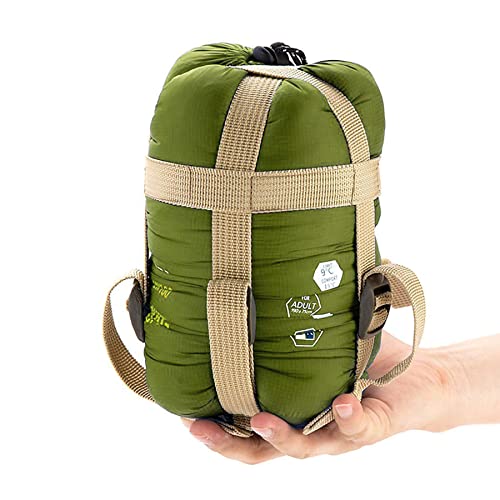
Fast-and-light wilderness trekkers who prioritize minimal bulk often prefer compact envelope styles for warm-weather adventures. The ECOOPRO Portable, Waterproof sleeping bag delivers a practical ultralight option that weighs only 1.7 pounds and compresses down to roughly 11 inches in total height. Its resilient nylon outer fabric resists condensation while the breathable polyester interior lining provides pleasant comfort during mild 55°F to 60°F overnight temperatures. The smooth snag-free perimeter zipper allows this compact sleeping bag to unfold completely into a versatile camping comforter, serving as an effective emergency wrap during unscheduled bivouacs.
Hydration Management and Trail Nutrition Logistics
Maintaining optimal physical performance and preventing heat illness on strenuous trails demands continuous fluid replenishment and clean water management. A flexible hydration bladder seated in a dedicated internal sleeve delivers easy drinking through an accessible hose, encouraging regular hydration while moving across demanding terrain. Packing at least one wide-mouth plastic or lightweight metal bottle provides an essential mechanical backup if your hydration reservoir bladder experiences a puncture. Equipping your pack with a hollow-fiber membrane squeeze filter or chemical water purification tablets guarantees a continuous supply of potable drinking water from backcountry creeks and glacial tarns.
Calorie-dense trail nutrition fuels your muscles across long ascents and prevents energy crashes during grueling trail sections. Select lightweight foods with high caloric density, such as mixed tree nuts, chocolate pieces, dried fruit slices, and dense energy bars that resist crushing inside a packed compartment. Packing an emergency reserve supply containing at least one additional day of non-perishable food provides essential caloric safety if unexpected trail navigation challenges delay your return. Store daily meal rations in your pack core while keeping quick-grab snack pouches in hip belt pockets so you can fuel your body without stopping to remove your backpack harness.
Packing Architecture and Center-of-Gravity Load Distribution
Arranging equipment inside your pack cavity according to biomechanical principles dramatically reduces muscular fatigue and maintains bodily balance on rugged trails. The bottom zone of your hiking pack should accommodate bulky, lightweight items that remain untouched until you pitch camp, such as your sleeping bag and overnight clothing layers. Placing these soft, compressible items at the pack base creates a supportive foundation that stabilizes the lower pack frame against your lumbar area. This foundational cushioning prevents hard gear corners from pressing painfully against your lower spine while hiking over uneven terrain.
The middle zone, positioned directly against your thoracic spine and between your shoulder blades, must house your heaviest equipment items. Dense gear such as cook stoves, metal pots, heavy food bags, and reserve hydration bladders should always be positioned close to your back to keep the pack center of gravity aligned with your torso. When hauling substantial gear weights across multi-day wilderness routes, utilizing internal frame packs directs dense loads efficiently toward your hips, relieving excessive downward pull on your shoulders. Keep moderate-weight items like first aid kits and outer jackets toward the top lid for fast access without disturbing your primary weight distribution.
Matching Backpack Volume to Trail Objectives
Selecting the appropriate pack capacity in liters depends on the duration of your trip, regional climate variability, and required gear bulk. Compact daypacks offering 15 to 25 liters of internal volume provide sufficient capacity for short summer outings where only water, trail snacks, and lightweight rain gear are required. Extended day hikes through alpine regions or unpredictable autumn conditions require 28 to 35 liters of volume to house bulkier fleece layers, emergency shelter gear, and extra water reserves safely. Multi-day wilderness trips demand backpacks between 40 and 65 liters to accommodate sleeping systems, tents, extensive food supplies, and multi-day cook setups.
When assembling your trail kit on a sensible budget, exploring budget-friendly hiking backpacks allows you to secure practical volume, supportive shoulder straps, and rugged ripstop fabrics without excessive financial investment. Regardless of your chosen pack volume, verify that the pack features external side compression straps that pull the fabric inward when carrying smaller gear loads. Pulling these compression straps tight secures the internal equipment against the frame, preventing annoying gear movement that can throw you off balance during technical scrambling sections. Matching your pack capacity closely to your actual packing checklist prevents the temptation to fill excess empty space with unnecessary heavy items.
Harness Calibration and Ergonomic Fit Optimization
Even the most carefully packed hiking bag will induce severe neck, trapezius, and lower back fatigue if the harness straps are calibrated incorrectly. Before hoisting a loaded pack onto your back, loosen the shoulder straps, sternum slider cord, load lifters, and hip belt webbing to reset the harness tension completely. Lift the pack onto your shoulders, settle the padded hip belt wings directly over the crest of your hip bones, and cinch the primary buckle until it rests securely. Anchoring the hip belt first guarantees that the pelvis supports roughly eighty percent of total pack mass, sparing delicate shoulder joints from excessive downward compression.
After securing the waist belt, gently pull down on the shoulder strap adjustment tabs until the padded harness contours snugly against your chest and underarms without pinching. Position the adjustable sternum strap approximately one inch below your collarbones and tighten the clip until it stabilizes the shoulder straps, preventing outward slipping during active pole use. Finally, gently tension the top load-lifter straps at approximately a 45-degree angle to pull the upper pack cavity forward against your shoulder blades. This balanced configuration prevents the backpack from swaying backward, while molded airflow channels on the back panel encourage air circulation to reduce excessive sweat accumulation during steep climbs.
Moisture Protection and Long-Term Pack Maintenance
Protecting your gear against relentless moisture and environmental grime ensures that vital survival equipment remains fully functional in harsh conditions. While many modern hiking packs use water-resistant nylon or polyester exterior fabrics, driving rain can eventually penetrate sewn seams and exposed zipper tracks. Line the interior cavity of your main compartment with a waterproof dry sack or heavy-duty trash compactor bag to keep sleeping bags and insulation completely dry even during river crossings. Deploying an exterior waterproof pack cover provides an extra outer barrier against torrential downpours while shielding your pack fabric from abrasive trail thorns and muddy splashes.
Diligent post-trip gear maintenance preserves fabric coatings, seam tape integrity, and zipper smooth glide over many hiking seasons. After returning from the trail, empty all compartments completely, opening every zippered pocket to shake out loose sand, trail dust, and pine needle debris. Sponge down dirty exterior fabrics using lukewarm water and gentle non-detergent soap, avoiding washing machines that can strip internal polyurethane water-resistant laminates or tear delicate mesh pockets. Air-dry your backpack and sleeping gear thoroughly in a shaded, well-ventilated indoor space away from direct heat sources before storing them loosely to prevent fabric mildew and hardware corrosion.
Systematic packing transforms your wilderness outings into confident, comfortable, and well-managed trail adventures. By prioritizing essential safety gear, selecting compact insulation, and positioning dense loads directly against your spine, you maximize trail mobility while minimizing physical strain. Verify your gear checklist thoroughly before leaving home, adjust your suspension harness systematically at the trailhead, and step onto the trail fully prepared for whatever wilderness challenges await ahead.







Write Your Review
No reviews yet. Be the first to share your experience!