


Outfitting a daypack for rugged backcountry trails often feels like an intimidating financial hurdle, especially when outdoor industry marketing emphasizes premium mountaineering apparel and technical equipment. Assembling a dependable hiking kit does not require spending hundreds of dollars on specialized boutique brands for local day trips. Learning where to buy cheap hiking gear enables outdoor enthusiasts to build a functional, reliable gear system while maintaining a realistic recreation budget. Savvy trail users quickly discover that identifying trusted budget retailers and evaluating specific gear specifications helps separate genuinely useful values from flimsy disposable novelties.
Prudent hikers typically prioritize their financial investments by pairing reliable primary equipment like budget hiking backpacks with affordable utility accessories that perform essential trail duties. Sourcing dependable safety equipment, trail sanitation items, and portable lighting from accessible online marketplaces allows hikers to enjoy the outdoors with confidence. The secret to stretching your outdoor budget lies in recognizing which accessories offer high practical utility without demanding high brand premiums. By understanding basic textile ratings, hardware construction, and user feedback, anyone can equip their pack for memorable adventures without unnecessary financial strain.
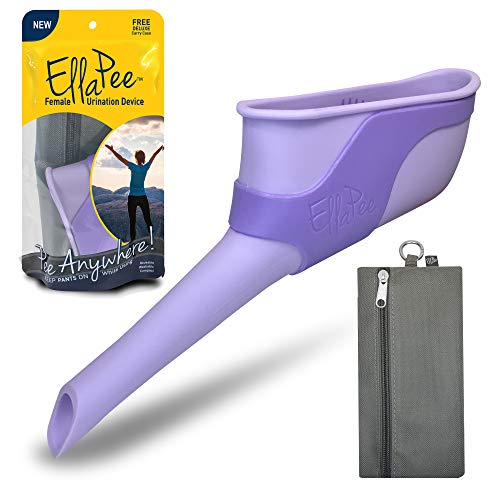
Pros
- Rigid co-molded plastic frame prevents accidental collapsing during use, reducing spill hazards
- Narrow profile and extended spout make it easier to use without fully lowering pants or unclipping a heavy backpack
- Includes a discreet, washable carrying case for sanitary storage in backpack exterior pockets
- Medical-grade silicone cleans quickly with a simple water rinse on the trail
Cons
- The 9-inch rigid length may be too long to fit into smaller backpack hip-belt pockets
- Requires initial practice at home to master proper seal placement before trail use
- Must be rinsed or wiped clean after each use before packing it back into your hiking pack
The Lewis N. Clark EllaPee Female Urination Device is a purpose-built trail hygiene accessory designed for female day hikers, backpackers, mountaineers, and campers. Finding privacy or clean facilities on crowded trails, exposed alpine ridgelines, or primitive backcountry campsites can be challenging. By allowing users to urinate standing up, this device eliminates the need to balance over rough terrain, squat near poison ivy, or fully undress while carrying a heavy internal-frame backpack.
On the trail, the EllaPee addresses common frustrations associated with traditional backcountry bathroom breaks. Because the device features a narrow profile, hikers do not need to drop their pants completely, which is especially helpful when wearing a fully loaded backpack with a buckled hip belt or trekking in freezing alpine wind. The extended spout guides flow cleanly outward and away from footwear and clothing, helping hikers manage bathroom breaks quickly without taking off their gear at the trailside.
Construction quality is a critical factor for any portable funnel, and the EllaPee uses a hybrid material approach. While some all-silicone funnels are prone to folding or crushing when held against the body, this model integrates durable medical-grade silicone with co-molded rigid plastic. This firm structural framework ensures the funnel maintains its seal and open channel during use, giving hikers greater physical control and helping avoid messy spills.
Carrying and maintaining the device on multi-day treks is straightforward thanks to its packable profile and included accessories. Measuring 9 x 2.5 x 1.5 inches, it tucks neatly into a daypack stretch side pocket, the top lid of a backpacking pack, or a deep hip-belt pouch. The moisture-wicking silicone allows quick rinsing with water from a bottle, and the entire unit packs away inside its own washable carrying case to keep the rest of your hiking gear clean and sanitary.
Realistic limitations relate primarily to sizing and the initial learning curve. At 9 inches in length, the rigid co-molded design does not fold down completely, meaning it will not fit into ultra-shallow hip-belt pockets or small running vest compartments. Additionally, mastering the proper seal against the body takes a few practice sessions at home before using it confidently while layered in bulky hiking pants or thermal base layers.
For hikers, backpackers, and outdoor travelers seeking a reliable, sanitary alternative to squatting off-trail, the Lewis N. Clark EllaPee is an affordable and practical gear addition. Its rigid co-molded construction, extended spout, and protective storage case make it a dependable trail hygiene accessory for day trips, extended backpacking routes, and road trip trailhead stops.
The EllaPee stores cleanly in any hiking pack, fitting inside daypack front stashes, hydration pack tool sleeves, or exterior water bottle pockets. Measuring 9 x 2.5 x 1.5 inches, the rigid profile keeps it readily accessible for quick trailside stops without having to rummage through your main pack compartment.
Practicing Leave No Trace principles is simplified by keeping the EllaPee and a small hygiene kit in your pack top lid. Hikers can easily rinse the silicone device with clean water after use, shake off excess moisture, and store it within the included washable travel case until the next stop.
The device combines flexible medical-grade silicone with a co-molded plastic backbone that provides structural rigidity. This combination prevents the sides from pinching closed under hand pressure while remaining smooth and comfortable against the skin.
Routine care requires minimal effort between hiking trips. Both the silicone funnel and its dedicated carrying case can be washed with warm water and mild soap, then air-dried thoroughly before repacking for your next backcountry excursion.

Pros
- Magnetic silencer mutes the bell clapper instantly without having to remove the strap from your pack
- Weighs only 0.05 pounds, making it suitable for ultralight hikers and multi-day backpackers
- Simple hook-and-loop strap provides quick attachment to backpacks, daypacks, belts, or footwear
- Passive acoustic operation requires no batteries, charging, or complicated adjustments
Cons
- Audible bells do not replace active trail awareness or proper safety gear such as bear spray
- Hook-and-loop strap may snag or shift if brushed heavily against dense trail undergrowth
- Continuous chime can cause noise fatigue during prolonged downhill descents unless silenced
The Coghlan's Magnetic Bear Bell with Silencer is an ultralight acoustic warning accessory designed for day hikers, backpackers, and campers traveling through areas inhabited by wildlife. Measuring 1 x 1 x 1 inches and weighing just 0.05 pounds, this silver bell is built to attach directly to outdoor gear to provide a continuous, motion-activated chime. It is tailored for solo adventurers, trail runners, and groups who want a hands-free method of signaling their approach along brushy paths, blind corners, and forested trail sections.
In practical trail use, the bell relies on standard body movement to ring. As you walk, hike, or adjust your pace, the free-swinging internal clapper strikes the metal bell housing to generate sound. The compact dimensions ensure that it does not swing wildly or disrupt pack balance, whether mounted to a lightweight daypack or a high-capacity expedition backpack. For hikers managing base weight down to the ounce, its sub-one-ounce profile integrates into existing gear layouts without noticeable load penalties.
The build consists of a durable silver metal bell paired with a strap assembly that houses a dedicated magnetic silencer. One common frustration with standard trail bells is the inability to silence them without packing them away deep inside a pocket. Coghlan's addresses this with a magnetic band that draws and holds the internal clapper against the bell wall. When you reach a populated trailhead, campsite, or scenic overlook, you can engage the magnetic silencer to stop all ringing without unclipping the unit from your gear.
Attachment is straightforward thanks to an adjustable hook-and-loop closure strap. This interface allows hikers to wrap the bell securely around backpack daisy chains, shoulder-strap webbing, sternum-strap sliders, belt loops, or boot collars. Maintenance is minimal; after wet or muddy hikes, the metal bell and fabric band can be wiped clean with a dry cloth and stored in a ventilated area to maintain fabric integrity and prevent tarnishing.
While the bell serves as an effective acoustic alert, it has clear functional boundaries. A bear bell is designed to avoid startling wildlife by providing an advance warning chime, but it does not guarantee wildlife deterrence and should never substitute for carrying EPA-registered bear spray or practicing proper food storage. Furthermore, environmental noise such as roaring rivers, high winds, and dense tree cover can muffle acoustic range, so hikers must remain visually alert regardless of bell volume.
For outdoor enthusiasts seeking an affordable, low-weight notification tool for the backcountry, the Coghlan's Magnetic Bear Bell with Silencer offers dependable utility. The combination of easy hook-and-loop pack mounting and an on-demand magnetic silencer makes it a convenient accessory for day hiking kits and backpacking packs.
The Coghlan's Bear Bell utilizes a flexible hook-and-loop attachment strap that offers broad compatibility across hiking and camping gear. Hikers can wrap the strap around pack components including shoulder-strap webbing, sternum straps, side compression loops, and exterior gear loops. The closure holds securely under normal walking movement while allowing quick transfers between a daypack, a multi-day backpack, or everyday hiking apparel.
Beyond backpacks, the strap length accommodates boot laces, belt loops, trekking-pole wrist straps, and hat bands. Because it relies on standard hook-and-loop fabric rather than rigid plastic clips or proprietary buckles, it does not require specific attachment points, making it adaptable to nearly any brand or style of hiking gear.
The primary functional highlight of this bear bell is its integrated magnetic silencer. Traditional outdoor bells chime continuously with every step, which can become bothersome during crowded trail sections, neighborhood approaches, or quiet camp mornings. The magnetic silencer pouch solves this by utilizing a magnet to pin the internal metal clapper firmly in place.
Engaging the silencer requires no tools or strap removal. Hikers simply pull the fabric pouch over the bell body so the magnet contacts the metal wall, preventing internal movement and muting the chime instantly. Sliding the silencer back allows the clapper to swing freely again when alerting wildlife is necessary.

Pros
- Broad 230-degree flood beam illuminates peripheral trail areas without neck strain
- Ultralight 2.47-ounce build folds easily into a pocket, hip-belt pouch, or pack lid
- Motion sensor mode allows easy toggling while wearing bulky gloves
- IPX4 splash resistance handles light rain and wet trail conditions
- Two-pack bundle offers high utility for gear backups or hiking partners
Cons
- IPX4 rating protects only against splashing water, not submersion in streams or heavy downpours
- Manufacturer specifications do not state exact battery runtimes or lumen output
- Motion sensor may trigger unintentionally when passing close branches or adjusting a pack hood
The BIAT Rechargeable LED Headlamp 2-Pack is a lightweight, wide-beam trail lighting accessory designed for day hikers, backpackers, campers, and nighttime trail runners who need hands-free illumination. Built with a combination of a 230-degree COB flood strip and a directional spotlight, this dual-pack setup gives outdoor enthusiasts both close-range peripheral vision and targeted forward visibility. It is particularly well suited for backpackers organizing camp after sunset, hikers managing pre-dawn alpine starts, and casual walkers navigating dimly lit paths.
Trail navigation at night benefits from the wide 230-degree beam because it illuminates the ground directly in front of your feet as well as the immediate perimeter without requiring constant head movement. For scanning farther down a switchback or spotting trail markers, the focused XPE spotlight provides directed distance lighting. The integrated motion sensor mode adds practical convenience on cold trails, allowing hikers to toggle the light on or off with a wave of the hand within 10 centimeters, eliminating the need to fumble with small buttons while wearing winter gloves.
Weighing just 2.47 ounces per unit, the headlamp uses a soft silicone body paired with an adjustable elastic headband that accommodates both adults and children. The low-profile, flexible design allows the entire unit to fold down compactly, fitting effortlessly into a jacket pocket, running belt, or backpack hip-belt pocket without adding noticeable bulk. An IPX4 water-resistance rating ensures the housing withstands water splashing from all angles, offering dependable performance during sudden rain showers or light snowfall.
Lighting versatility is handled through six operating modes, cycling through high and low settings for both the wide COB light and the focused XPE beam, alongside a motion sensor setting and an emergency strobe where both lights flash simultaneously. The rechargeable battery eliminates the ongoing expense and waste of disposable cells, making it easy to top off power from a portable power bank between trail days. Having two complete headlamps in the package ensures you always carry a backup light or can outfit a trail partner without purchasing separate gear.
Despite its versatile design, the headlamp has clear limitations outdoor buyers should recognize. The IPX4 water rating provides splash resistance but does not offer protection against full submersion or sustained heavy downpours. Additionally, the manufacturer specifications do not provide exact lumen ratings or runtime hours per charge, which makes power management on multi-day backcountry trips something hikers will need to monitor cautiously. The motion sensor can also occasionally trigger inadvertently if you move close to low-hanging brush, tent fabric, or a raised rain jacket hood.
For hikers, campers, and evening runners seeking an affordable, ultralight, and comfortable hands-free lighting solution, the BIAT 2-Pack delivers practical value and broad peripheral coverage. It works especially well as a primary light for day hikes extending past dusk, an efficient camp light for setting up tents, or a reliable backup in a 10-essentials daypack kit. Those planning extended remote expeditions in severe storms may prefer lights with higher waterproof certifications and published runtimes, but this set remains an accessible, functional choice for typical trail and campsite demands.
The combination of a 230-degree wide flood beam and a focused XPE spotlight addresses two distinct outdoor needs: broad spatial awareness and directional sighting. Walking along rocky trails or stepping over roots is easier when ground-level obstacles in your peripheral field are visible without panning your head back and forth.
The motion-sensing function provides hands-free control that is especially valuable when handling trekking poles, setting up camp stakes, or wearing thick gloves in chilly weather. Users should be aware that tight spaces, such as inside a small backpacking tent, may cause the sensor to activate if hands or gear pass within 10 centimeters of the unit.
At just 2.47 ounces, this headlamp adds minimal base weight to a backpack or running vest. The flexible silicone frame and soft elastic band fold down flat, allowing the device to slide into compact spaces such as pant pockets, hip-belt pouches, or emergency kits.
Because the set includes two complete units, backpackers can dedicate one light to their primary pack and keep the second inside a vehicle glove box, daypack, or travel bag as a dependable backup.
Strategic Sourcing and Practical Evaluation of Budget Hiking Essentials
Locating budget-friendly outdoor equipment requires understanding retail distribution networks and knowing how to evaluate equipment construction without relying on brand prestige. Finding dependable trail accessories at accessible price points is practical when shoppers know where to search and how to assess functional specifications. Balancing economy with personal safety ensures that every item in your pack provides legitimate value during wilderness travel.
Identifying Reliable Retail Channels and Online Outlets
Major online marketplaces serve as the primary destination for hikers seeking budget equipment due to expansive product selections and competitive pricing. These digital platforms host specialized outdoor suppliers alongside direct-to-consumer manufacturers, providing shoppers direct access to practical accessories at reduced markups. Reading verified customer reviews and inspecting seller ratings offers crucial insight into real-world durability before placing an order. Online storefronts also offer dependable return windows, which helps buyers inspect items at home before heading onto remote trails.
Beyond general online retailers, dedicated closeout websites and outdoor gear clearinghouses provide another productive avenue for securing discounted trail equipment. Many established gear suppliers utilize outlet channels to liquidate previous-season colorways, surplus manufacturing runs, or discontinued inventory at significant markdowns. These liquidation sales allow hikers to acquire reputable mid-tier equipment without paying original retail costs. Subscribing to retailer clearance notifications and monitoring seasonal sales cycles can yield substantial savings on essential gear.
Local military surplus stores and discount department retailers also provide dependable camping and outdoor utility supplies. Surplus depots frequently stock rugged utility pouches, canteen systems, cordage, and weather-resistant tarps built to withstand rough treatment. While surplus equipment often carries a slight weight penalty compared to ultralight backpacking gear, the durability-to-cost ratio remains exceptional for day hikers on a budget. Combining surplus utility gear with modern digital retail finds creates a well-rounded kit that balances affordability with physical resilience.
Prioritizing Your Purchases: Where to Save and Where to Spend
Building an affordable outdoor kit requires distinguishing between load-bearing structural investments and modular utility accessories. Equipment directly responsible for physical comfort and skeletal support, such as hiking boots and framed hiking backpacks, deserves careful consideration and appropriate budget allocation. Poorly fitted footwear or an unpadded backpack harness can cause debilitating foot blisters, trapezius pinching, or lumbar muscle spasms during extended ascents. Structural items require proper ergonomic contouring and durable suspension systems that warrant dedicated spending.
In contrast, secondary trail accessories represent the ideal category for budget optimization and aggressive cost savings. Items such as emergency whistles, bear bells, compact flashlights, trail sanitation funnels, and personal hygiene supplies operate on simple mechanical principles that do not require premium manufacturing. A budget-friendly safety bell alert or compact headlamp can deliver excellent functionality without the premium price tag attached to elite mountaineering labels. Allocating the bulk of your funds toward ergonomic pack support while sourcing accessory gear economically produces the highest overall trail satisfaction.
Evaluating the functional role of each accessory prevents both overspending and unexpected equipment failures miles from the nearest trailhead. Consider whether a specific item failure would create an immediate safety hazard or merely a minor inconvenience. Critical weather insulation and primary navigation tools require stringent reliability standards, whereas camp lighting and basic organization pouches can easily be sourced from budget-friendly suppliers. This tiered procurement philosophy keeps gear expenses strictly controlled while maintaining personal safety standards on every trail outing.
Inspecting Material Specifications and Build Quality on Low-Cost Gear
Evaluating budget gear requires inspecting material descriptions rather than trusting promotional imagery. Manufacturers of affordable outdoor equipment often utilize technical synthetic polymers like silicone, ABS plastics, and nylon weaves to keep manufacturing costs low. Examining specified fabric denier ratings, mold seam cleanliness, and hardware composition helps buyers gauge how an accessory will perform under outdoor strain. Quality budget items feature clean structural seams, flexible impact-resistant housings, and weather-resistant finishes capable of handling routine trail grime.
Personal trail hygiene devices illustrate how thoughtful material selection benefits budget-conscious outdoor recreationists. The Lewis N. Clark EllaPee Female Urination Device utilizes medical-grade silicone combined with co-molded plastic to create a reusable sanitation solution for women on the trail. Medical-grade silicone provides flexible, moisture-wicking properties that resist fluid absorption and clean easily with water, while the rigid molded plastic insert prevents the funnel from collapsing during active use. The extended spout design directs liquid away from clothing and footwear, allowing hikers to maintain privacy and hygiene without removing heavy packs or squatting in rough brush.
Checking the flexibility and structural integrity of portable sanitation gear ensures hygienic operation throughout long backcountry days. A flimsy funnel that folds under pressure risks messy spills, making structural composite molding a vital design consideration. The included storage case keeps the washable unit isolated from the rest of your pack interior, preventing contact with clean gear. Accessories engineered with robust silicone materials demonstrate that affordable trail hygiene solutions can provide dependable performance without high costs.
Sourcing Affordable Wildlife Alerts and Personal Safety Gear
Personal trail safety represents another area where low-cost accessories provide exceptional utility without requiring substantial financial outlays. Wildlife awareness tools, such as the Coghlan’s Magnetic Bear Bell with Silencer, offer practical auditory signaling to alert animals of human presence along quiet paths. Sudden encounters with large wildlife often occur when hikers turn blind corners along rushing streams or dense forest corridors without making sufficient noise. Equipping your pack with a simple acoustic warning device alerts wildlife to your movement long before visual contact occurs.
The practical value of this safety bell lies in its integrated magnetic silencer band, which solves the common frustration of continuous unwanted chiming. When hiking on crowded access paths, resting in camp, or stowing gear in vehicle trunks, the internal magnet holds the clapper still to eliminate all sound. A secure hook and loop fastener allows the bell to attach directly to backpack daisy chains, shoulder straps, hat brims, or hiking boots. The ability to silence the chime ensures you only generate acoustic alerts when moving through active wildlife territory.
Attaching auditory alert accessories to mobile points on your body or gear ensures continuous movement-activated sound. Securing the strap to lower pack loops or trekking poles generates a natural rhythmic chime with every stride. Because the device relies entirely on basic mechanical motion rather than batteries or electronic sensors, it remains operational in freezing rain, deep snow, or intense summer heat. Incorporating affordable, mechanically sound alert tools into your daypack creates an effective layer of wilderness awareness on a modest budget.
Choosing Dependable Lighting Systems Without Overpaying
Trail illumination is a mandatory safety item that hikers should carry on every excursion, even when planning short daytime outings. Unexpected trail delays, sudden weather shifts, or navigation detours can leave hikers navigating rocky paths in complete darkness. Modern compact LED lighting options provide dependable lumens, multiple beam angles, and rechargeable battery convenience at accessible prices. Sourcing dependable hands-free illumination ensures you maintain clear trail visibility without exhausting your recreational budget.
Multi-pack lighting solutions like the Headlamp Rechargeable 2PCS from BIAT highlight how modern illumination technology has become remarkably affordable. This headlamp features a 230-degree wide-beam COB strip alongside an adjustable XPE spotlight, illuminating wide peripheral footing while focusing beam throw on distant trail markers. The inclusion of intelligent motion-sensing modes enables hands-free operation, allowing users to toggle power by waving a hand within ten centimeters of the housing, which proves useful when wearing bulky gloves. Operating six distinct lighting modes gives hikers adaptable lighting for varied outdoor conditions.
Weighing only 2.47 ounces, the soft silicone headband folds into a compact footprint that stows neatly into hip belt pockets or emergency kits. An IPX4 water-resistance rating guards the internal electronic components against splashing rain, drifting mist, and wet snow flurries. Carrying a two-pack system allows hikers to keep a primary lamp on their forehead while stowing a secondary backup unit or lending a spare light to a partner. Integrating rechargeable USB lighting into your gear loadout eliminates recurring battery purchases while ensuring reliable vision on dark forest descents.
Managing Trail Pack Ergonomics and Gear Distribution
Integrating budget equipment into your pack requires thoughtful consideration of unladen gear weight, internal volume, and torso load distribution. Inexpensive equipment occasionally utilizes heavier plastics or thicker synthetic fabrics than expensive ultralight alternatives, which can add incremental ounces to your total pack weight. Hikers carrying specialized daypacks or versatile trail cooler packs must pack dense tools close to the spine to maintain an upright center of gravity. Distributing weight evenly prevents rearward pack sag that strains shoulder muscles and collarbones on steep ascents.
Organizing small accessories inside dedicated storage pockets prevents clutter and ensures rapid access during trail emergencies. Keeping lightweight items like headlamps and wildlife bells in exterior lid compartments or stretch mesh side pockets allows immediate deployment without unzipping main pack cavities. Packing heavier utility gear toward the middle back panel stabilizes the load against your lumbar region. Balancing your gear layout preserves natural walking posture and keeps unpadded pack straps from biting into delicate neck tissue.
Verifying how accessories attach to exterior pack loops ensures gear remains secure while navigating dense overgrown brush. Hanging items haphazardly from exterior carabiners can create irritating swinging motions and risk snagging branches along narrow wilderness paths. Fasten wildlife bells snugly against webbing straps and secure headlamps inside protective zippered compartments when not actively in use. Thoughtful gear organization transforms a collection of affordable accessories into a streamlined, balanced trail system.
Avoiding the False Economy Trap on Budget Outdoor Gear
Navigating budget gear markets requires vigilance against substandard manufacturing that compromises trail safety or durability. The false economy trap occurs when a buyer purchases an exceptionally cheap item that fails during its very first outdoor excursion, requiring immediate replacement. To avoid wasting money on disposable gear, examine structural connection points like strap bartacking, zipper slider gauges, and plastic buckle thicknesses. Sturdy hardware made from dense acetal resins withstands repeated trail impacts far better than brittle unbranded plastics.
Scrutinize product reviews specifically for recurring reports of battery drainage, water leakage, or seam separation under moderate use. If multiple outdoor users note that an electronic device shuts down in cool temperatures or that a strap tears under standard tension, look for an alternative model. Reputable budget manufacturers stand behind their products with clear customer service channels and practical replacement warranties. Selecting budget items backed by transparent return policies ensures you can exchange defective units without administrative friction.
Conducting controlled gear tests at home or along neighborhood walking loops before embarking on backcountry routes reveals potential flaws early. Test headlamp runtimes, practice deploying trail hygiene devices, and verify the attachment security of wildlife alert bells before facing adverse mountain conditions. Addressing fit or operational quirks in a controlled setting builds familiarity and prevents unpleasant surprises on the trail. Investing a modest amount of time in pre-trip inspection ensures your budget gear functions as a dependable outdoor companion.
Proper Cleaning and Maintenance to Extend Gear Longevity
Extending the operational lifespan of budget outdoor equipment depends heavily on routine post-trip cleaning and proper environmental storage. Trail dust, mud, skin oils, and moisture can degrade synthetic coatings and corrode delicate electronic contacts if left unaddressed. Clean silicone devices with warm water and mild non-detergent soap, ensuring components dry completely before sealing them inside airtight cases. Thorough drying prevents mold accumulation and preserves material flexibility across multiple seasons of outdoor adventures.
Electronic accessories like rechargeable LED headlamps require careful moisture management and periodic battery care to maintain peak performance. Wipe headlamp casings with a damp microfiber cloth to remove caked mud, taking care to keep charging port silicone covers firmly sealed against water ingress. Store lithium-ion batteries at partial charge in a dry, room-temperature environment rather than leaving them in freezing garage bins or hot vehicle trunks. Preventing extreme temperature exposure protects internal battery cells and maintains reliable runtime capacity over years of hiking.
Metal accessories and mechanical alert systems benefit from periodic inspections to remove trapped grit and prevent surface oxidation. Wipe steel bear bells dry after rainy hikes and inspect the hook and loop attachment fabric for accumulated lint or loose threading. Applying basic gear care practices ensures that affordable trail accessories deliver dependable multi-season performance without premature failure. With careful sourcing and proper maintenance, budget-friendly hiking gear provides outstanding trail reliability for outdoor enthusiasts of all experience levels.







Write Your Review
No reviews yet. Be the first to share your experience!