


Heading out into the backcountry demands meticulous planning and a reliable gear system that supports your body across challenging wilderness terrain. Understanding what do you need for a backpacking trip starts long before you step onto the trailhead, beginning with how you balance total pack weight against wilderness survival necessities. Carrying excessive weight can quickly turn an ambitious overnight journey into an agonizing grind that strains your shoulders, spine, and knees. Selecting rugged load-bearing equipment, such as dependable structured frame backpacks, provides the physical framework required to transfer heavy gear mass off your cervical spine and onto your pelvic girdle.
A balanced pack system protects your core body temperature, guarantees reliable hydration, and preserves dry clothing through unpredictable weather shifts. Modern backcountry planning combines physical gear like weather-resistant shelters and efficient cooksets with verified reference material, including route planners and structured gear checklists. When every ounce rests directly on your shoulders, careful inventory management separates a successful wilderness excursion from an exhausting physical ordeal. Reviewing your supplies systematically before leaving home ensures that critical safety tools remain instantly accessible while keeping non-essential clutter out of your pack volume.



Core Essentials and Gear Architecture for Wilderness Backpacking
Preparing for an overnight wilderness venture requires a methodical inventory that accounts for shelter, climate variation, physical endurance, and environmental hazards. Knowing what do you need for a backpacking trip means building a cohesive gear setup where every item serves an essential function without adding dead weight. Backcountry travel leaves no margin for forgotten essentials or unverified equipment once you journey beyond cellular coverage. Organizing your gear into dedicated functional categories streamlines packing and ensures you can pitch camp efficiently during unexpected weather shifts.
The Big Three: Shelter, Sleep Systems, and Pack Structure
The structural foundation of your backcountry kit revolves around your shelter, your sleep system, and your backpack. Experienced backpackers designate these pieces as the core load because they account for the largest proportion of base weight. Selecting a double-wall tent, a freestanding shelter, or a lightweight tarp system depends on anticipated wind, rainfall, and insect pressure. Coated ripstop fabrics protect against ground moisture, while lightweight stakes anchor your setup against gusty ridge winds.
Your sleep system works as an integrated unit comprising an insulated sleeping pad and a temperature-rated sleeping bag or quilt. Sleeping pads provide vital thermal resistance, commonly measured as an R-value, preventing cold ground conduction from sapping body heat. Down-insulated sleeping bags offer an exceptional warmth-to-weight ratio and compress efficiently inside a pack cavity, though synthetic fills handle damp conditions reliably. Pairing an appropriately rated bag with an insulated pad ensures you stay warm through early morning temperature drops.
The backpack must comfortably contain these bulky items while transferring their downward force onto your skeletal structure. Internal frame backpacks utilize shaped aluminum stays or composite framesheets to channel heavy gear mass toward your iliac crest. Selecting an appropriate pack volume, typically ranging from forty-five to sixty-five liters for weekend trips, prevents gear spillage while encouraging deliberate packing choices.
Hydration Filtration and Trail Water Management
Water access dictates route viability in the wilderness, making reliable purification tools non-negotiable for every backcountry hiker. Carrying several liters of water adds considerable trail weight, as each liter weighs roughly two point two pounds. A reliable hollow-fiber filter, gravity system, or ultraviolet purifier allows you to replenish supplies safely from natural streams and rivers. Filtering natural water removes harmful protozoa like Giardia and Cryptosporidium, as well as common bacteria that cause gastrointestinal illness.
A well-rounded hydration plan combines primary mechanical filtration with chemical backup options, such as chlorine dioxide tablets. Squeeze filters offer rapid on-trail filtration directly into wide-mouth bottles, whereas gravity setups provide effortless multi-liter processing once camp is established. Cold mountain temperatures present a unique risk, because hollow-fiber filters become damaged if water freezes inside their internal micro-tubes. Stashing your water filter inside your sleeping bag during sub-freezing nights prevents microscopic membrane fractures that could expose you to pathogens.
Water storage vessels should balance puncture resistance against empty packing weight. Wide-mouth polyethylene bottles offer structural reliability and easy mixing for electrolyte powders, while collapsible TPU reservoirs expand fluid capacity across dry trail sections. Carrying two separate storage containers guarantees you still have water transport capability if one reservoir suffers an accidental puncture on sharp rocks.
Wilderness Nutrition and Camp Kitchen Systems
Fueling your body across challenging elevation profiles requires energy-dense foods and an efficient cook system. A standard backpacking kitchen consists of a compact canister stove, a lightweight titanium pot, a long-handled spoon, and a reliable ignition source. Small canister stoves provide rapid boiling times with minimal wind vulnerability, making them practical for rehydrating freeze-dried meals. Packing a small synthetic sponge and a bandanna keeps your cookware clean without requiring excess water.
Planning trail nutrition involves calculating caloric requirements that often range from three thousand to four thousand calories daily. Dehydrated meals, nuts, seed butters, cured meats, and dense grain bars deliver high caloric density relative to their physical weight. Avoiding foods that require long simmering times conserves fuel, allowing you to carry smaller canisters on extended trips. Packing your meals into separate daily rations helps monitor caloric consumption and prevents accidental food shortages before your hike concludes.
Camp sanitation and wildlife safety require strict food storage discipline to prevent habituating animals to human provisions. In many national parks and wilderness zones, certified bear-resistant canisters are legally mandated to keep wildlife away from food and scented toiletries. In areas where canisters are not required, hanging an approved odor-proof food bag using the counter-balance method suspends your provisions out of reach. Storing all food, lip balm, and cookware away from your tent protects your sleeping shelter throughout the night.
Apparel Layering and Trail Footwear Coordination
Managing body moisture and core temperature requires a versatile clothing layering system rather than heavy individual garments. A technical moisture-wicking synthetic or merino wool base layer pulls sweat away from your skin during intense ascents, preventing post-exertion chills. Your active mid-layer, such as a breathable fleece, traps radiant body heat while allowing vapor to escape during movement. Cotton apparel should be avoided entirely in the backcountry because it absorbs moisture readily, dries slowly, and loses insulating capability when wet.
Outer layers provide essential barriers against biting winds, heavy precipitation, and sudden temperature plunges. A waterproof, breathable rain jacket featuring taped seams shields your upper body from wind chill and severe rainstorms. Pairing a weather-resistant shell with durable, lightweight hiking pants shields your lower body from trail abrasion, brambles, and sudden squalls without restricting leg mobility. For cold evenings in camp, an ultralight down or synthetic puffy jacket provides immediate static warmth once physical exertion stops.
Footwear selection directly impacts joint fatigue, blister development, and overall trail safety. Depending on your ankle strength and pack weight, options range from breathable low-drop trail runners to sturdy hiking boots. Moisture-wicking wool socks cushion your footfalls and reduce friction hot spots against the inside lining of your shoes. Carrying a spare pair of dry socks reserved exclusively for camp ensures your feet recover overnight after navigating wet stream crossings.
Navigation Infrastructure, Maps, and Trail Guide Resources
Navigating remote backcountry corridors demands redundant navigation systems that function without active mobile networks. Digital mapping apps with offline satellite capabilities provide valuable real-time positioning, but electronic devices remain vulnerable to battery drainage. Carrying a waterproof topographical paper map alongside a magnetic sighting compass provides an unfailing navigational backup across confusing trail junctions. Understanding how to take bearings and interpret contour lines ensures you maintain spatial awareness even in dense fog or poor visibility.
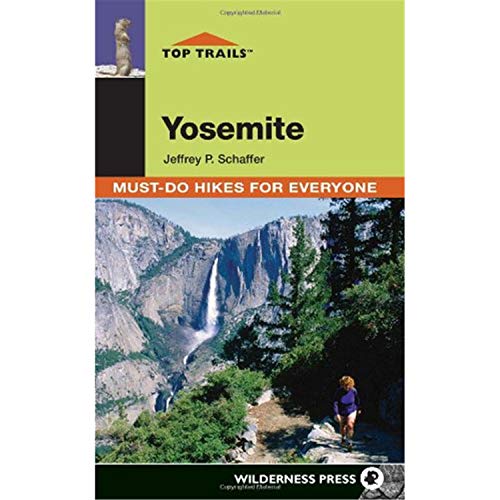
Thorough pre-trip research using regional guidebooks establishes vital expectations regarding water availability, seasonal snowpack, and campsite regulations. Trail guides published by Wilderness Press, such as regional overviews of Yosemite, offer invaluable terrain profiles, elevation changes, and seasonal stream locations. Similarly, broad landscape resources like Fodor’s guides provide high-level national park context that helps hikers coordinate road logistics, trailhead parking, and shuttle connections. Integrating verified route descriptions into your planning eliminates guesswork when mapping out daily mileage targets.
In addition to regional descriptions, structured reference books provide standardized checklists that streamline gear staging. Compilations such as Rockatech prep list publications help hikers categorize equipment systematically, ensuring critical tools like repair kits and signaling mirrors are not overlooked. Creating physical checklists derived from beginner outdoor manuals and experienced guide texts enforces packing discipline across every equipment category. Having an organized reference list makes it simple to cross-reference supplies during the busy final hours before heading out.
Wilderness First Aid, Hygiene, and Emergency Survival
A comprehensive backcountry first aid kit addresses minor trail discomforts before they escalate into trip-ending medical emergencies. Essential medical supplies include sterile gauze pads, adhesive bandages, antiseptic wipes, medical tape, blister treatments like hydrocolloid dressings, and over-the-counter pain relievers. Antihistamines, anti-diarrheal medication, and personal prescription treatments should always be packed inside a waterproof pouch. Tailoring your medical supplies to the group size and trip duration keeps the kit lightweight while maintaining adequate wound care capacity.
Backcountry hygiene preserves health and adheres to Leave No Trace principles that protect delicate outdoor environments. Carrying a lightweight plastic trowel, biodegradable soap, unscented hand sanitizer, and a sealable waste bag ensures sanitary waste disposal. Solid human waste must be buried in a cathole dug six to eight inches deep, situated at least two hundred feet away from water sources and campsites. Packing out all used toilet paper and personal hygiene products prevents trail pollution and preserves pristine wilderness conditions.
Emergency survival gear provides a vital safety buffer during unexpected route delays, severe weather entrapment, or debilitating injuries. A dedicated emergency kit includes a loud signaling whistle, a compact fire starter with stormproof matches, a multi-tool, and an emergency space blanket. Many backcountry travelers also carry a satellite two-way communicator to send check-in messages and summon emergency search and rescue teams if accidents occur. Keeping these critical survival tools in a dedicated pocket ensures immediate accessibility when urgent situations arise.
Harness Fitting, Torso Geometry, and Pack Weight Distribution
Carrying heavy gear across uneven terrain without debilitating shoulder pain requires a properly adjusted backpack harness. Even highly rated packs cause severe discomfort if the harness does not match your specific torso length. Measuring your torso from the prominent C7 vertebra down to the crest of your iliac hip bones determines the correct pack frame size. While high-end technical haulers feature micro-adjustable harness systems, even well-constructed budget trail backpacks perform comfortably when their hip belts align properly across your pelvic girdle.
Achieving proper load distribution relies on a deliberate packing order inside your backpack main compartment. The bottom cavity should hold lightweight, bulky items like your sleeping bag and camp sleep clothes, creating a stable shock-absorbing foundation. Dense, heavy gear, including your food canister, cookset, and water reservoir, should be packed directly against your spine and centered between your shoulder blades. Packing heavy objects too far from your back causes the pack to pull backward, placing excessive leverage on your trapezius muscles.
Fine-tuning your harness straps on the trail maintains comfort as terrain and load dynamics change throughout the day. Start by loosening all straps before hoisting the pack onto your back, then fasten and cinch the hip belt directly over your iliac crest. Tighten the shoulder straps gently until they contour over your collarbones without bearing the majority of the pack weight. Finally, adjust the load lifter straps to a forty-five-degree angle to pull the pack closer to your back, and buckle the sternum strap across your mid-chest.
Pre-Trip Staging and Checklist Verification Protocols
Finalizing your backpack load requires a dedicated staging ritual at home where every item is inspected, tested, and cataloged. Laying your equipment across a clean floor allows you to visually audit each component against your written gear checklist. Verifying that your headlamp has fresh batteries, checking that your water filter flows cleanly, and testing your stove burner prevents unpleasant surprises on the trail. Staging your gear systematically also helps identify redundant backup items that can be left behind to save weight.
Weather forecasts and trail condition reports must be reviewed within twenty-four hours of your scheduled departure. Unexpected early-season snowpack, flooded river crossings, or fire bans can necessitate immediate adjustments to your footwear, clothing layers, or cook system. Sharing your detailed trip itinerary and an agreed-upon check-in deadline with a trusted contact back home establishes an essential safety net in case of unforeseen delays. Once your route conditions are verified, you can load your pack knowing you have addressed every major wilderness variable.
Conducting a final pack weigh-in on a luggage scale provides valuable objective feedback regarding your total trail weight. Aiming to keep your total loaded pack weight, including water and food, under twenty to twenty-five percent of your body weight minimizes joint impact and trail fatigue. If the scale reads unexpectedly high, review non-essential luxury items and streamline your camp apparel to restore a manageable weight. Stepping onto the trail with a verified, well-balanced pack empowers you to navigate rugged terrain with confidence and comfort.
Mastering your wilderness packing system transforms backpacking from an exhausting chore into an enjoyable, rewarding pursuit. Taking the time to understand your gear, dial in your harness adjustments, and practice disciplined packing habits keeps you safe in remote backcountry terrain. With deliberate preparation and the right essential gear, you can step out onto the trail fully equipped to handle whatever wilderness conditions lie ahead.






Write Your Review
No reviews yet. Be the first to share your experience!