


Packing for backcountry excursions requires durable gear that balances ergonomic carrying comfort, environmental protection, and dependable utility. When staging for remote trail systems, hikers rely on critical equipment like portable water purifiers, hands-free illumination, wildlife alerts, and hygienic accessories stowed securely in dedicated daypacks. Sourcing reliable outdoor equipment from verified retail channels is essential when researching where to buy hiking gear without encountering counterfeit designs or compromised safety items. Investing in reputable equipment ensures critical accessories withstand rugged trail abuse, sudden weather shifts, and extended wilderness treks. Pairing these trail accessories with dependable budget hiking backpacks allows outdoor enthusiasts to establish an effective wilderness setup without overspending.
Trail safety depends on functional gear that operates flawlessly when emergencies develop miles away from the nearest road. Authorized online retailers and specialized brick-and-mortar storefronts offer direct access to vetted outdoor brands, comprehensive warranty protections, and dependable return policies. Knowing where to buy hiking gear responsibly involves evaluating vendor credibility, confirming return terms, and reading user feedback before completing your purchase. Equipping your pack with proven essentials provides peace of mind when twilight descends or local backcountry water sources require filtration.
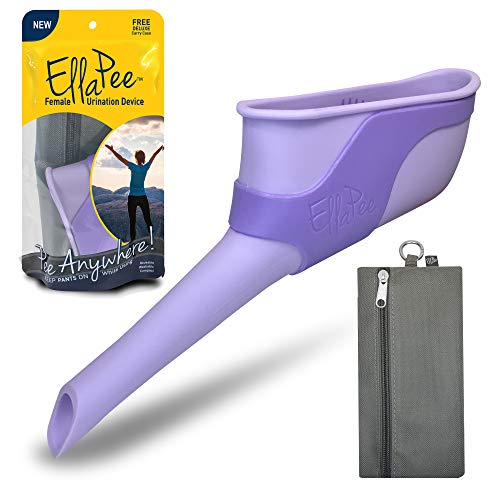
Pros
- Rigid co-molded plastic frame prevents accidental collapsing during use, reducing spill hazards
- Narrow profile and extended spout make it easier to use without fully lowering pants or unclipping a heavy backpack
- Includes a discreet, washable carrying case for sanitary storage in backpack exterior pockets
- Medical-grade silicone cleans quickly with a simple water rinse on the trail
Cons
- The 9-inch rigid length may be too long to fit into smaller backpack hip-belt pockets
- Requires initial practice at home to master proper seal placement before trail use
- Must be rinsed or wiped clean after each use before packing it back into your hiking pack
The Lewis N. Clark EllaPee Female Urination Device is a purpose-built trail hygiene accessory designed for female day hikers, backpackers, mountaineers, and campers. Finding privacy or clean facilities on crowded trails, exposed alpine ridgelines, or primitive backcountry campsites can be challenging. By allowing users to urinate standing up, this device eliminates the need to balance over rough terrain, squat near poison ivy, or fully undress while carrying a heavy internal-frame backpack.
On the trail, the EllaPee addresses common frustrations associated with traditional backcountry bathroom breaks. Because the device features a narrow profile, hikers do not need to drop their pants completely, which is especially helpful when wearing a fully loaded backpack with a buckled hip belt or trekking in freezing alpine wind. The extended spout guides flow cleanly outward and away from footwear and clothing, helping hikers manage bathroom breaks quickly without taking off their gear at the trailside.
Construction quality is a critical factor for any portable funnel, and the EllaPee uses a hybrid material approach. While some all-silicone funnels are prone to folding or crushing when held against the body, this model integrates durable medical-grade silicone with co-molded rigid plastic. This firm structural framework ensures the funnel maintains its seal and open channel during use, giving hikers greater physical control and helping avoid messy spills.
Carrying and maintaining the device on multi-day treks is straightforward thanks to its packable profile and included accessories. Measuring 9 x 2.5 x 1.5 inches, it tucks neatly into a daypack stretch side pocket, the top lid of a backpacking pack, or a deep hip-belt pouch. The moisture-wicking silicone allows quick rinsing with water from a bottle, and the entire unit packs away inside its own washable carrying case to keep the rest of your hiking gear clean and sanitary.
Realistic limitations relate primarily to sizing and the initial learning curve. At 9 inches in length, the rigid co-molded design does not fold down completely, meaning it will not fit into ultra-shallow hip-belt pockets or small running vest compartments. Additionally, mastering the proper seal against the body takes a few practice sessions at home before using it confidently while layered in bulky hiking pants or thermal base layers.
For hikers, backpackers, and outdoor travelers seeking a reliable, sanitary alternative to squatting off-trail, the Lewis N. Clark EllaPee is an affordable and practical gear addition. Its rigid co-molded construction, extended spout, and protective storage case make it a dependable trail hygiene accessory for day trips, extended backpacking routes, and road trip trailhead stops.
The EllaPee stores cleanly in any hiking pack, fitting inside daypack front stashes, hydration pack tool sleeves, or exterior water bottle pockets. Measuring 9 x 2.5 x 1.5 inches, the rigid profile keeps it readily accessible for quick trailside stops without having to rummage through your main pack compartment.
Practicing Leave No Trace principles is simplified by keeping the EllaPee and a small hygiene kit in your pack top lid. Hikers can easily rinse the silicone device with clean water after use, shake off excess moisture, and store it within the included washable travel case until the next stop.
The device combines flexible medical-grade silicone with a co-molded plastic backbone that provides structural rigidity. This combination prevents the sides from pinching closed under hand pressure while remaining smooth and comfortable against the skin.
Routine care requires minimal effort between hiking trips. Both the silicone funnel and its dedicated carrying case can be washed with warm water and mild soap, then air-dried thoroughly before repacking for your next backcountry excursion.

Pros
- Magnetic silencer mutes the bell clapper instantly without having to remove the strap from your pack
- Weighs only 0.05 pounds, making it suitable for ultralight hikers and multi-day backpackers
- Simple hook-and-loop strap provides quick attachment to backpacks, daypacks, belts, or footwear
- Passive acoustic operation requires no batteries, charging, or complicated adjustments
Cons
- Audible bells do not replace active trail awareness or proper safety gear such as bear spray
- Hook-and-loop strap may snag or shift if brushed heavily against dense trail undergrowth
- Continuous chime can cause noise fatigue during prolonged downhill descents unless silenced
The Coghlan's Magnetic Bear Bell with Silencer is an ultralight acoustic warning accessory designed for day hikers, backpackers, and campers traveling through areas inhabited by wildlife. Measuring 1 x 1 x 1 inches and weighing just 0.05 pounds, this silver bell is built to attach directly to outdoor gear to provide a continuous, motion-activated chime. It is tailored for solo adventurers, trail runners, and groups who want a hands-free method of signaling their approach along brushy paths, blind corners, and forested trail sections.
In practical trail use, the bell relies on standard body movement to ring. As you walk, hike, or adjust your pace, the free-swinging internal clapper strikes the metal bell housing to generate sound. The compact dimensions ensure that it does not swing wildly or disrupt pack balance, whether mounted to a lightweight daypack or a high-capacity expedition backpack. For hikers managing base weight down to the ounce, its sub-one-ounce profile integrates into existing gear layouts without noticeable load penalties.
The build consists of a durable silver metal bell paired with a strap assembly that houses a dedicated magnetic silencer. One common frustration with standard trail bells is the inability to silence them without packing them away deep inside a pocket. Coghlan's addresses this with a magnetic band that draws and holds the internal clapper against the bell wall. When you reach a populated trailhead, campsite, or scenic overlook, you can engage the magnetic silencer to stop all ringing without unclipping the unit from your gear.
Attachment is straightforward thanks to an adjustable hook-and-loop closure strap. This interface allows hikers to wrap the bell securely around backpack daisy chains, shoulder-strap webbing, sternum-strap sliders, belt loops, or boot collars. Maintenance is minimal; after wet or muddy hikes, the metal bell and fabric band can be wiped clean with a dry cloth and stored in a ventilated area to maintain fabric integrity and prevent tarnishing.
While the bell serves as an effective acoustic alert, it has clear functional boundaries. A bear bell is designed to avoid startling wildlife by providing an advance warning chime, but it does not guarantee wildlife deterrence and should never substitute for carrying EPA-registered bear spray or practicing proper food storage. Furthermore, environmental noise such as roaring rivers, high winds, and dense tree cover can muffle acoustic range, so hikers must remain visually alert regardless of bell volume.
For outdoor enthusiasts seeking an affordable, low-weight notification tool for the backcountry, the Coghlan's Magnetic Bear Bell with Silencer offers dependable utility. The combination of easy hook-and-loop pack mounting and an on-demand magnetic silencer makes it a convenient accessory for day hiking kits and backpacking packs.
The Coghlan's Bear Bell utilizes a flexible hook-and-loop attachment strap that offers broad compatibility across hiking and camping gear. Hikers can wrap the strap around pack components including shoulder-strap webbing, sternum straps, side compression loops, and exterior gear loops. The closure holds securely under normal walking movement while allowing quick transfers between a daypack, a multi-day backpack, or everyday hiking apparel.
Beyond backpacks, the strap length accommodates boot laces, belt loops, trekking-pole wrist straps, and hat bands. Because it relies on standard hook-and-loop fabric rather than rigid plastic clips or proprietary buckles, it does not require specific attachment points, making it adaptable to nearly any brand or style of hiking gear.
The primary functional highlight of this bear bell is its integrated magnetic silencer. Traditional outdoor bells chime continuously with every step, which can become bothersome during crowded trail sections, neighborhood approaches, or quiet camp mornings. The magnetic silencer pouch solves this by utilizing a magnet to pin the internal metal clapper firmly in place.
Engaging the silencer requires no tools or strap removal. Hikers simply pull the fabric pouch over the bell body so the magnet contacts the metal wall, preventing internal movement and muting the chime instantly. Sliding the silencer back allows the clapper to swing freely again when alerting wildlife is necessary.

Pros
- Broad 230-degree flood beam illuminates peripheral trail areas without neck strain
- Ultralight 2.47-ounce build folds easily into a pocket, hip-belt pouch, or pack lid
- Motion sensor mode allows easy toggling while wearing bulky gloves
- IPX4 splash resistance handles light rain and wet trail conditions
- Two-pack bundle offers high utility for gear backups or hiking partners
Cons
- IPX4 rating protects only against splashing water, not submersion in streams or heavy downpours
- Manufacturer specifications do not state exact battery runtimes or lumen output
- Motion sensor may trigger unintentionally when passing close branches or adjusting a pack hood
The BIAT Rechargeable LED Headlamp 2-Pack is a lightweight, wide-beam trail lighting accessory designed for day hikers, backpackers, campers, and nighttime trail runners who need hands-free illumination. Built with a combination of a 230-degree COB flood strip and a directional spotlight, this dual-pack setup gives outdoor enthusiasts both close-range peripheral vision and targeted forward visibility. It is particularly well suited for backpackers organizing camp after sunset, hikers managing pre-dawn alpine starts, and casual walkers navigating dimly lit paths.
Trail navigation at night benefits from the wide 230-degree beam because it illuminates the ground directly in front of your feet as well as the immediate perimeter without requiring constant head movement. For scanning farther down a switchback or spotting trail markers, the focused XPE spotlight provides directed distance lighting. The integrated motion sensor mode adds practical convenience on cold trails, allowing hikers to toggle the light on or off with a wave of the hand within 10 centimeters, eliminating the need to fumble with small buttons while wearing winter gloves.
Weighing just 2.47 ounces per unit, the headlamp uses a soft silicone body paired with an adjustable elastic headband that accommodates both adults and children. The low-profile, flexible design allows the entire unit to fold down compactly, fitting effortlessly into a jacket pocket, running belt, or backpack hip-belt pocket without adding noticeable bulk. An IPX4 water-resistance rating ensures the housing withstands water splashing from all angles, offering dependable performance during sudden rain showers or light snowfall.
Lighting versatility is handled through six operating modes, cycling through high and low settings for both the wide COB light and the focused XPE beam, alongside a motion sensor setting and an emergency strobe where both lights flash simultaneously. The rechargeable battery eliminates the ongoing expense and waste of disposable cells, making it easy to top off power from a portable power bank between trail days. Having two complete headlamps in the package ensures you always carry a backup light or can outfit a trail partner without purchasing separate gear.
Despite its versatile design, the headlamp has clear limitations outdoor buyers should recognize. The IPX4 water rating provides splash resistance but does not offer protection against full submersion or sustained heavy downpours. Additionally, the manufacturer specifications do not provide exact lumen ratings or runtime hours per charge, which makes power management on multi-day backcountry trips something hikers will need to monitor cautiously. The motion sensor can also occasionally trigger inadvertently if you move close to low-hanging brush, tent fabric, or a raised rain jacket hood.
For hikers, campers, and evening runners seeking an affordable, ultralight, and comfortable hands-free lighting solution, the BIAT 2-Pack delivers practical value and broad peripheral coverage. It works especially well as a primary light for day hikes extending past dusk, an efficient camp light for setting up tents, or a reliable backup in a 10-essentials daypack kit. Those planning extended remote expeditions in severe storms may prefer lights with higher waterproof certifications and published runtimes, but this set remains an accessible, functional choice for typical trail and campsite demands.
The combination of a 230-degree wide flood beam and a focused XPE spotlight addresses two distinct outdoor needs: broad spatial awareness and directional sighting. Walking along rocky trails or stepping over roots is easier when ground-level obstacles in your peripheral field are visible without panning your head back and forth.
The motion-sensing function provides hands-free control that is especially valuable when handling trekking poles, setting up camp stakes, or wearing thick gloves in chilly weather. Users should be aware that tight spaces, such as inside a small backpacking tent, may cause the sensor to activate if hands or gear pass within 10 centimeters of the unit.
At just 2.47 ounces, this headlamp adds minimal base weight to a backpack or running vest. The flexible silicone frame and soft elastic band fold down flat, allowing the device to slide into compact spaces such as pant pockets, hip-belt pouches, or emergency kits.
Because the set includes two complete units, backpackers can dedicate one light to their primary pack and keep the second inside a vehicle glove box, daypack, or travel bag as a dependable backup.

Pros
- Ultralight 0.22-pound weight makes it effortless to carry in any hiking pack
- High flow rate of 2.5 liters per minute minimizes downtime during water stops
- Threaded cap adds versatile compatibility with standard water bottles and gravity systems
- Substantial filter lifespan of up to 1,000 gallons offers long-term trail value
Cons
- Does not protect against waterborne viruses, chemicals, or heavy metals
- Length of over 10 inches may require dedicated vertical space in shallow pack pockets
- Hollow-fiber membrane must be protected from freezing temperatures once wet to prevent damage
The LifeStraw Peak Series Personal Water Filter in Mountain Blue is a specialized hydration accessory tailored for day hikers, weekend backpackers, campers, and travel-oriented hikers. Weighing approximately 0.22 pounds, this portable microfilter serves as a primary water treatment tool or an emergency safety device that easily stows in daypack side pockets, hip-belt pouches, or backpacking pack brain compartments.
On the trail, the filter delivers a fast flow rate of 2.5 liters per minute, allowing hikers to replenish water quickly without spending excessive time pumping or waiting for chemical purification tablets. The re-engineered membrane microfilter removes 99.999999% of waterborne bacteria (including E. coli and Salmonella), 99.999% of parasites (such as Giardia and Cryptosporidium), and 99.999% of microplastics. Its updated design specifically helps mitigate clogging from silt and sand, sustaining steady flow across diverse backcountry water sources.
Measuring roughly 2.17 by 3.74 by 10.43 inches, this filter features durable, leak-proof materials built to withstand trail impacts, external pack pressure, and rough campsite handling. Unlike traditional single-use straws, the Peak Series includes a removable threaded bottom cap. This threading enables direct attachment to compatible water bottles and standard gravity hoses, allowing backpackers to integrate it into existing pack hydration setups or use it directly as a personal straw filter.
Integrating this filter into your backpack setup requires minimal effort due to its low base weight and slim profile. Hikers can slide it into exterior stretch-mesh water bottle pockets for quick trailside access or pack it alongside a soft flask in an internal organizer. With a total rated lifespan of up to 1,000 gallons (4,000 liters) of clean water, maintenance primarily involves clearing particulate matter and allowing the unit to air dry before off-season pack storage.
While the LifeStraw Peak Series excels at removing biological pathogens and particulates, it is not designed to filter out viruses, heavy metals, or chemical pollutants often found in agricultural runoff. Furthermore, hollow-fiber membrane filters must be protected from freezing temperatures once wet, as expanding ice can damage the microscopic pores. Backpackers traveling in near-freezing conditions will need to store the filter inside an internal jacket pocket or sleeping bag rather than an external backpack pouch.
For hikers, backpackers, and outdoor enthusiasts seeking an affordable, ultralight water filtration option that connects across bottles, gravity rigs, and direct-draw drinking, the LifeStraw Peak Series offers dependable functionality. It represents a practical, low-weight hydration solution that fits seamlessly into modern hiking backpacks and emergency packs alike.
The LifeStraw Peak Series offers flexible hydration integration for various backpack setups. Equipped with a removable threaded bottom cap, the filter can screw directly onto standard threaded water bottles or connect into standard gravity hose systems.
Hikers can drink directly from natural water sources using the filter like a straw, attach it to a squeeze-style water bottle, or incorporate it as an inline filter with compatible gravity bags at camp. This versatility makes it easy to customize your trail hydration setup without carrying bulky, dedicated pump systems.
Proper maintenance of the LifeStraw Peak Series ensures a consistent flow rate across its 1,000-gallon filter lifespan. When filtering water with high sediment, sand, or silt, backflushing the filter helps dislodge trapped particles and maintain the 2.5-liter-per-minute flow rate.
Before long-term storage between hiking seasons, the filter should be cleaned and fully air-dried. Hikers operating in cold climates must prevent the wet filter from freezing, as ice expansion can compromise the internal hollow-fiber membrane without visible external damage.
Sourcing Hiking Gear: Retail Outlets, Safety Essentials, and Purchase Strategies
Acquiring dependable outdoor equipment requires understanding the distinct retail channels available to modern hikers. Wilderness environments present unpredictable weather, steep terrain, and remote conditions where equipment failure can cause severe safety hazards. Determining where to buy hiking gear involves weighing online accessibility, specialized brick-and-mortar customer service, pricing variability, and counterfeit risks. Selecting the right vendor ensures that your investment provides genuine protection, certified performance, and long-term durability on rugged trails.
Purchasing decisions must prioritize verified product authentications, responsive customer service, and reliable return policies. Hikers frequently combine equipment from major digital storefronts, local gear shops, and direct manufacturer portals to assemble their loadout. Understanding how different retail environments operate helps you secure critical survival accessories, hydration systems, and specialized trail tools efficiently. A methodical purchasing strategy ensures you receive equipment capable of handling demanding wilderness conditions.
Major Online Marketplaces and Authorized Brand Storefronts
Large digital marketplaces provide unmatched inventory depth, expedited shipping, and competitive pricing across thousands of outdoor brands. Shoppers can compare customer ratings, detailed specifications, and alternative configurations within a single browsing session. However, marketplace algorithms often combine inventory from various independent vendors into unified product listings. Securing authentic products requires verifying that items are shipped directly from authorized distributors or recognized brand storefronts.
Established outdoor brands maintain official storefronts on major digital platforms to preserve brand integrity. These dedicated brand spaces showcase certified inventory, complete warranty registrations, and accurate technical descriptions. Sourcing through official brand portals minimizes the chance of receiving returned goods or gray-market inventory. Buyers should check seller profiles to confirm that the fulfillment entity maintains verified standing with the manufacturer.
Expedited delivery networks make online platforms invaluable for last-minute replacements before scheduled expeditions. If a headlamp fails during staging or a water filter suffers freeze damage, rapid fulfillment provides swift replacements. Reading recent buyer feedback also helps identify subtle design updates or batch revisions before committing funds. Thoughtful digital shopping delivers premium trail equipment directly to your doorstep with minimal friction.
Specialized Brick-and-Mortar Outfitters Versus Digital Retail
Physical outdoor outfitters offer tactile evaluations that digital shopping platforms cannot fully replicate. Visiting a specialized gear shop allows hikers to test harness padding, check torso sizing, and inspect seam construction firsthand. Retail staff in dedicated outdoor shops often possess regional trail knowledge and can explain gear requirements for specific elevations or weather conditions. This hands-on assessment helps prevent ill-fitting daypacks and unsuitable accessory selections.
In-person shopping also simplifies equipment sizing and immediate trial fits for apparel and load-bearing equipment. Trying on packs loaded with weighted sandbags reveals potential pressure points along the collarbone or hips before purchasing. Physical stores also host gear rental programs, member reward tiers, and seasonal trade-in events that reduce overall gear acquisition costs. These community hubs offer valuable resources for both novice hikers and experienced backpackers alike.
Despite these advantages, physical outfitters often maintain limited floor space and narrower product selections than digital retailers. Regional stores might not stock niche accessories, ultralight specialty items, or budget-friendly alternative brands. Many experienced hikers adopt a hybrid approach by consulting brick-and-mortar staff for technical fitting while purchasing smaller standardized accessories through online platforms. Combining both shopping methods balances personal guidance with broad catalog availability.
Spotting Authorized Sellers and Preventing Counterfeit Trail Gear
Counterfeit trail equipment presents genuine dangers when critical survival tools fail under backcountry stress. Substandard materials, uncertified microfilters, and weak battery casings frequently appear on unauthorized third-party marketplaces. Unscrupulous sellers often clone legitimate product designs while using inferior plastic compounds and unrated electrical circuits. Knowing how to identify certified merchants protects your wilderness safety and financial investment.
Examining merchant profiles, seller ratings, and direct contact details helps confirm retail legitimacy. Authentic gear vendors feature active customer service contacts, clear return policies, and transparent business addresses. Extremely low pricing that significantly undercuts established retail standards often signals counterfeit inventory or unauthorized factory seconds. When a deal appears unrealistically cheap, checking the manufacturer website for authorized dealer lists provides necessary verification.
Packaging details and documentation provide additional clues once newly purchased items arrive. Legitimate outdoor manufacturers include serialized warranty cards, branded packaging with precise typography, and thorough user manuals. Blurry printing, loose hardware, irregular stitching, or missing safety certifications warrant immediate returns. Purchasing directly through certified channels eliminates these risks and ensures your safety equipment functions reliably.
Sourcing Reliable Water Filtration and Portable Hydration
Safe hydration systems represent non-negotiable wilderness equipment where product quality directly impacts personal health. Sourcing filtration gear from vetted vendors guarantees that hollow-fiber membranes and microfilters meet certified biological removal standards. The LifeStraw Peak Series Personal Water Filter exemplifies the standard required for backcountry water purification. Its membrane microfilter is designed to remove 99.999999% of bacteria, 99.999% of parasites, and 99.999% of microplastics from natural water sources.
Legitimate water filters must withstand physical impacts, dropping incidents, and rugged outdoor use without cracking internal housings. The LifeStraw Peak Series features durable leak-proof materials and a fast flow rate of 2.5 liters per minute to keep hydration efficient on long treks. Its re-engineered membrane design resists clogging from sand and silt, ensuring steady water delivery when refilling bottles from murky alpine creeks. Furthermore, its membrane microfilter yields up to 1,000 gallons of drinking water, delivering multi-year reliability for dedicated trail users.
Purchasing water filters from trusted suppliers ensures the filtration membrane has not suffered storage damage or prior contamination. Authentic units feature removable threaded bottom caps compatible with standard gravity hoses and water bottles for flexible hydration setups. Storing your filter safely away from freezing conditions protects the internal hollow fibers from microscopic ruptures. Sourcing verified water purifiers guarantees consistent biological protection whenever you refill along wilderness streams.
Procuring Hands-Free Illumination and Trail Lighting Systems
Navigating backcountry trails after sunset requires reliable, hands-free lighting that illuminates immediate footing and distant trail markers. Substandard headlamps frequently suffer from rapid battery discharge, overheating diodes, or moisture failure during sudden downpours. Purchasing lighting gear from authorized outdoor retailers ensures internal circuitry and battery cells meet dependable consumer safety standards. High-performance illumination prevents dangerous missteps along rocky descents and uneven forest paths.
Modern trail lighting systems like the Headlamp Rechargeable 2PCS deliver versatile visibility across variable nighttime environments. This lighting unit features a 230-degree wide beam headlight alongside an integrated spotlight to illuminate wide peripheral fields without requiring constant head movement. Equipped with intelligent motion sensors, the device enables rapid on-off switching within ten centimeters, allowing convenient operation even while wearing thick hiking gloves. Six distinct light modes, including high and low COB and XPE settings plus emergency strobe functionality, provide tailored illumination for varied trail situations.
Weather resistance and lightweight construction represent critical considerations when selecting illumination gear. The Headlamp Rechargeable 2PCS features an IPX4 waterproof rating, shielding internal electrical components from splashing rain and sudden snow flurries. Weighing only 2.47 ounces, its soft silicone housing and adjustable elastic headband fold easily into compact daypack pockets without adding burdensome bulk. Securing dependable headlamps from verified sellers guarantees long-lasting battery life and steady nighttime visibility on demanding hikes.
Acquiring Wildlife Safety Gear and Audible Alert Systems
Traveling through dense backcountry terrain and active wildlife corridors demands proactive awareness and early audible alert tools. Animals like bears, moose, and mountain lions often react aggressively when startled by silent hikers moving along windy ridges or thick brush. Audible alert devices provide a steady warning sound that signals human presence before close-range visual encounters occur. Sourcing wildlife safety accessories from established trail outfitters ensures robust attachment hardware that stays secure during aggressive trail movement.
The Coghlan’s Magnetic Bear Bell with Silencer provides a practical and dependable solution for alerting wilderness wildlife. Its built-in bell rings with the natural rhythm of your stride, providing continuous acoustic notification to animals sharing the trail. When entering quiet zones, trailheads, or crowded camp areas, the integrated magnet in the storage bag eliminates ringing noise completely. This simple magnetic silencer mechanism prevents unnecessary noise pollution when alert signals are no longer required.
Secure attachment hardware prevents safety accessories from jarring loose during steep scrambles or dense bushwhacking. The Coghlan’s unit utilizes a dependable hook and loop closure that attaches directly to clothing, boots, trekking hats, or pack webbing loops. Inspecting attachment straps before each hike ensures your bell remains secured across rugged outdoor terrain. Sourcing safety gear from proven manufacturers ensures durable performance when traversing remote backcountry habitats.
Sourcing Outdoor Hygiene Essentials and Backcountry Sanitation
Maintaining sanitary conditions and personal comfort on remote trails requires specialized hygiene equipment designed for backcountry use. Traditional trail hygiene often forces uncomfortable crouching positions that can compromise stability on steep or brushy hillsides. Modern outdoor sanitation gear provides practical alternatives that support sanitary waste management while adhering to Leave-No-Trace principles. Purchasing personal hygiene products from vetted health and outdoor suppliers ensures body-safe materials that endure field use.
The Lewis N. Clark EllaPee Female Urination Device offers a revolutionary portable bathroom solution for women navigating primitive trail environments. Fabricated from high-quality medical-grade silicone paired with co-molded plastic, this reusable urinal funnel maintains its structural rigidity without collapsing during use. Its elongated spout directs urine safely away from clothing and footwear, while its narrow profile minimizes the need to lower outer layers in freezing or public trail settings. This moisture-wicking design eliminates spills and ensures clean, discreet usage in remote wilderness areas.
Compact transport options make hygiene tools simple to integrate into standard outdoor daypacks and gear kits. The Lewis N. Clark EllaPee stores cleanly in its dedicated washable carrying case, fitting neatly into backpack stash pockets, travel purses, or glove compartments. Both the silicone device and protective storage pouch are fully washable and reusable, supporting sustainable sanitation across repeated expeditions. Sourcing certified personal sanitation items ensures dependable hygiene and comfort across remote outdoor environments.
Integrating Gear Loadouts into Dedicated Hiking Backpacks
Purchasing individual trail accessories is only effective when your backpack harness supports balanced, ergonomic weight distribution. Stowing heavy accessories like hydration reservoirs, tools, and spare illumination close to your spine maintains a stable center of gravity across uneven terrain. Hikers hauling heavy expedition gear often rely on structured iron frame backpacks to transfer downward pack weight directly onto the pelvic girdle. Proper internal load organization prevents pack sag, reduces trapezius strain, and protects delicate electronic gear from crushing damage.
Day hiking excursions and picnic adventures also benefit from specialized pack designs tailored to casual recreation. When packing perishable meals alongside safety tools, utilizing insulated backpack coolers for day trips keeps food fresh while maintaining accessible side pockets for emergency gear. Separating chilled provisions from dry safety accessories prevents condensation from damaging headlamps, spare battery packs, and dry apparel. Choosing pack styles matched to your specific trail objectives enhances comfort throughout the journey.
External attachment points on daypacks provide immediate access to essential trail tools without unpacking the primary compartment. Hook and loop closures, daisy chain webbing, and elastic side sleeves secure bear bells, trekking poles, and water filters within easy reach. Ensuring your pack fabric features durable denier construction and reinforced stress stitching prevents tears from abrasive trail encounters. A well-organized pack layout keeps vital gear instantly accessible whenever conditions change rapidly.
Evaluating Return Windows, Warranty Protections, and Defect Coverage
Understanding warranty coverage and return conditions is critical when choosing where to buy hiking gear. Outdoor equipment undergoes intense physical stress from ultraviolet radiation, abrasive rock contact, and heavy moisture exposure. Reputable retailers offer reasonable return windows that allow buyers to inspect stitching, zipper operation, and material integrity before hitting the trail. Confirming retailer return policies protects your investment if equipment arrives with manufacturing defects or shipping damage.
Direct manufacturer warranties often provide extended defect coverage that outlasts initial retail return deadlines. Leading outdoor brands stand behind their craftsmanship with multi-year warranties covering broken buckles, delaminating seams, and failed zipper tracks. Retaining original purchase receipts, retailer invoices, and product packaging simplifies warranty claim submissions if hardware fails prematurely. Checking brand warranty terms before purchasing helps separate premium equipment builders from disposable accessory manufacturers.
Some premium outdoor cooperatives offer extended return periods for enrolled loyalty members. These customer-friendly policies permit field trials and equipment exchanges if gear proves uncomfortable or unsuitable during real wilderness use. Always review store exclusions regarding hygiene items, climbing protection, and electronic devices before finalizing transactions. Thorough warranty awareness ensures you receive dependable support throughout the lifespan of your trail equipment.
Seasonal Retail Cycles and Off-Peak Gear Acquisition
Timing your purchases according to seasonal retail patterns yields significant cost savings across essential hiking accessories. Outdoor retailers frequently discount existing inventory at the conclusion of peak summer trekking and winter camping seasons. Sourcing gear during transitional months like early spring and late autumn allows hikers to secure premium equipment at favorable pricing. Planning gear upgrades around seasonal promotional events stretches your outdoor budget without compromising equipment quality.
Holiday sales events and annual anniversary promotions also provide predictable opportunities to acquire technical outdoor gear. Major retailers and digital brand outlets routinely offer tiered discounts on hydration bladders, headlamps, and outdoor apparel during national holiday weekends. Setting price alerts on wish-listed items helps you identify legitimate discounts rather than inflated artificial markdowns. Strategic timing enables you to assemble professional-grade trail equipment at practical price points.
End-of-line clearances occur when manufacturers update product colorways, revise strap configurations, or release incremental model updates. Purchasing previous-generation accessories often provides identical performance to newly launched models at a fraction of the original expense. Checking clearance sections on authorized retailer websites frequently reveals exceptional values on premium outdoor accessories. Smart shopping timing transforms high-end wilderness gear into an accessible investment for budget-conscious hikers.
Pre-Trail Verification Protocols for Newly Purchased Gear
Testing newly acquired equipment in controlled environments before embarking on wilderness journeys prevents frustrating trail failures. Assembling headlamps, inspecting silicone funnels, and checking filter attachments at home reveals missing parts or operational questions in a low-stakes setting. Verifying that rechargeable lighting holds a complete charge ensures you will not be stranded in dark backcountry terrain unexpectedly. Thorough home inspections validate that every tool performs according to manufacturer specifications before leaving the trailhead.
Flushing water filters with clean tap water before first trail use prepares dry hollow-fiber membranes for rapid flow rates. Checking magnetic silencers on bear bells ensures the dampening mechanism functions smoothly and fits snugly against your pack webbing. Inspecting plastic buckles, strap stitching, and adjustment sliders confirms structural integrity under moderate tension. Establishing a routine gear verification protocol builds trail readiness and ensures uncompromised wilderness safety.
Maintaining a dedicated checklist of certified gear ensures you pack appropriate essentials for variable wilderness terrain. Selecting where to buy hiking gear carefully establishes a dependable foundation for every backcountry adventure you pursue. High-quality outdoor equipment sourced from verified vendors ensures lasting reliability, enhanced comfort, and peace of mind on remote trails. Rigorous preparation and proven equipment allow you to explore the natural world with complete confidence.







Write Your Review
No reviews yet. Be the first to share your experience!