


Carrying excessive pack weight over steep mountain passes can quickly turn a scenic wilderness trek into an exhausting ordeal of aching shoulders and strained knees. Hikers seeking relief from bulky loads often wonder what is considered ultralight backpacking and how shedding gear weight transforms long days on the trail. Rather than simply packing less food or suffering through cold nights, the ultralight approach revolves around calculating base weight and choosing purpose-built, weight-conscious equipment. Moving away from heavy, traditional framed hiking backpacks allows outdoor adventurers to cover more ground with noticeably less physical fatigue.
In outdoor terminology, ultralight philosophy centers on maintaining a base pack weight under ten pounds, excluding consumables such as water, food, and stove fuel. Achieving this benchmark requires reassessing traditional gear habits, streamlining camp systems, and finding balance across essential shelter, sleep, and carrying systems. Whether upgrading to specialized frameless packs or evaluating budget hiking backpack options, understanding core weight boundaries helps backpackers make informed gear investments. Streamlining personal carry volume not only protects joints on rugged paths but also sharpens focus on navigating the wilderness safely.
Top Products



Defining Ultralight Backpacking: Weight Thresholds and Core Principles
Understanding the distinction between conventional backcountry packing and ultralight methodology begins with establishing clear weight benchmarks. While standard backpacking setups frequently reach thirty to forty pounds when fully loaded, an ultralight setup relies on minimalist design principles and multi-functional gear to keep pack burdens manageable. By isolating non-consumable gear weight from variable trail supplies, hikers gain a consistent standard for evaluating their wilderness equipment.
The Ten-Pound Base Weight Threshold Explained
The definitive standard in the backpacking community establishes that an ultralight pack maintains a base weight of ten pounds or less. Base weight refers strictly to the total weight of your backpack and all equipment inside it, excluding consumable goods such as food, drinking water, and cooking fuel. Because trail conditions and trip lengths change the volume of provisions required, base weight offers an objective measurement of equipment efficiency. This separation ensures that a hiker carrying five days of food can still adhere to ultralight criteria if their core gear baseline remains below the ten-pound ceiling.
For comparison, traditional backpacking typically operates with a base weight between twenty and thirty pounds, requiring robust internal frames and heavy harness systems to support the load. A lightweight category occupies the middle ground, spanning base weights between ten and twenty pounds. Beyond ultralight lies the sub-category known as super-ultralight, which restricts base gear to under five pounds. Most weekend adventurers and long-distance thru-hikers find that the standard ten-pound boundary provides the ideal compromise between pack lightness, weather protection, and sleeping comfort.
Why the Big Three Govern Overall Pack Efficiency
Backpackers designate the shelter, sleep system, and backpack as the Big Three because these core items account for the majority of non-consumable pack weight. When a traditional tent weighs five pounds, a sleeping bag weighs four pounds, and an empty pack weighs five pounds, the hiker has already consumed fourteen pounds before packing clothes or cooking gear. In contrast, an ultralight kit targets a combined weight of five to six pounds across all three categories combined. Reducing the mass of these heavy anchors creates a compounding effect that allows every other piece of gear to become smaller and lighter.
Lowering the volume of your shelter and sleeping insulation directly dictates how large your carrying pack needs to be. Heavy sleeping bags and bulky modular tents demand cavernous sixty-five or seventy-liter backpacks with thick lumbar pads and aluminum stays. Once the sleeping pad, quilt, and shelter compress down to compact dimensions, pack capacity requirements drop to thirty-five or forty-five liters. This structural synergy demonstrates why hikers cannot simply purchase an ultralight pack without first downsizing the bulky sleep and shelter systems intended to rest inside it.
Ultralight Backpack Construction and Harness Geometry
Ultralight backpacks differ significantly from standard internal-frame packs in both structural suspension and textile selection. Standard expedition packs incorporate heavy perimeter wire stays, rigid molded plastic framesheets, and thick lumbar padding that add substantial unladen tare weight. Ultralight designs substitute these heavy chassis systems with minimalist removable aluminum stays, carbon fiber rods, or completely frameless backs. By relying on a tightly rolled sleeping pad or compressed gear against the interior back panel to provide pack rigidity, these minimalist bags achieve tare weights under two pounds.
Harness geometry on an ultralight pack also reflects lower target load limits. Because total trail weight rarely exceeds twenty to twenty-five pounds, shoulder straps utilize moderate foam density rather than bulky cushions. Many minimalist packs employ wide, contoured vest-style shoulder straps that distribute pressure evenly across the pectoral muscles and upper torso rather than pinching into the trapezius. Sternum straps and simple webbing hip belts stabilize the load against side-to-side torso sway during active ascents without adding bulky mechanical hardware.
Fabric choices for these packs prioritize high strength-to-weight ratios over excessive abrasion bulk. Technical textiles such as lightweight ripstop nylon, polyethylene blends, and silicone-impregnated fabrics provide water resistance and tear protection while keeping fabric weight low. External organization leans heavily toward deep elastic mesh front pockets and oversized side water bottle sleeves rather than heavy zippered compartments. This exterior pocket layout allows hikers to access layers, water filters, and snacks on the move without unrolling the main pack compartment.
Shelter Configurations: Freestanding Versus Trekking Pole Designs
Selecting a backcountry shelter represents one of the most substantial weight-saving opportunities in an ultralight gear inventory. Traditional freestanding double-wall tents incorporate dedicated aluminum pole sets and separate rainflies that register considerable weight on a scale. High-efficiency double-wall options, such as the MSR Freelite 1-Person Ultralight Backpacking Tent and its larger sibling, the MSR Freelite 2-Person Ultralight Backpacking Tent, utilize featherweight poles and specialized fabrics to maintain freestanding convenience while keeping pack bulk minimal. For groups distributing gear, the MSR Freelite 3-Person Ultralight Backpacking Tent allows multiple hikers to split pole and fabric components across packs efficiently.
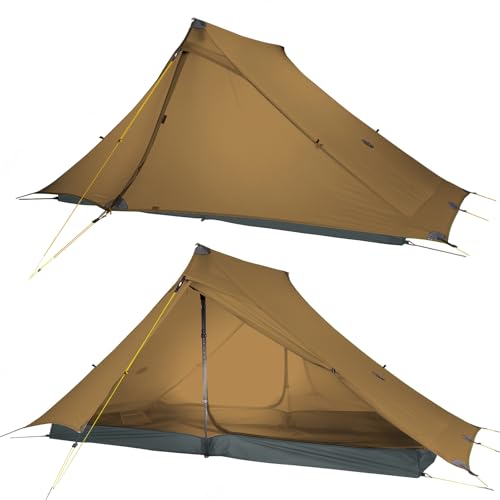
Non-freestanding shelters represent another popular path toward achieving a sub-ten-pound base weight by repurposing hiking poles into structural tent supports. The LANSHAN 2 PRO Ultralight Waterproof Hiking Tent exemplifies this trekking-pole setup, eliminating the need to haul separate aluminum tent poles entirely. By pitching the shelter with adjustable trekking poles already held in the hiker’s hands throughout the day, the tent saves substantial dead weight inside the pack. Solo hikers seeking compact footprints often utilize similar minimalist designs like the TrailLark Sparrow 1-Person Ultralight Backpacking Tent to maintain weather protection without pack penalty.
Managing interior moisture and tension stability requires specific user care when dealing with ultralight single-wall or hybrid shelters. Silicone-coated fabrics can experience slight stretching under cold rain, demanding firm corner stake placement and re-tensioned guylines before settling in for the night. Adequate high-low ventilation remains essential to prevent warm, humid breath from condensing against cold nylon walls during temperature drops. Learning proper site selection beneath protective tree canopies rather than damp, low-lying river basins preserves warmth and reduces exterior condensation buildup on lightweight fabrics.
Sleep Systems and Insulation Trade-Offs
Balancing warmth against weight in your sleeping gear requires moving away from traditional full-mummy sleeping bags toward open-backed backpacking quilts. Traditional bags feature insulation underneath the sleeper that compresses under body weight, rendering that bottom fill virtually useless for thermal retention. Backpacking quilts eliminate the hood, full-length zippers, and compressed bottom insulation, relying instead on straps that secure the quilt directly to an insulated sleeping pad. This minimalist design cuts substantial fabric and insulation mass while maintaining comfortable body heat retention across cool mountain evenings.
Sleeping pads provide the crucial thermal barrier between your body and cold ground surfaces. Ultralight hikers select inflatable air pads with internal heat-reflective films or compact closed-cell foam pads to achieve necessary thermal ratings without excess bulk. While elevated beds like the Sutekus Portable Camping Cot Sleeping Cot provide elevated camp comfort for basecamping and car travel, carrying extra metal leg assemblies generally exceeds the strict weight limitations of an ultralight setup. In the backcountry, sleeping directly on an insulated inflatable pad keeps gear volume compact enough to fit inside smaller thirty-liter packs.
Kitchen Systems and Fuel Optimization
Cooking gear in an ultralight pack is stripped down to the bare essentials required to rehydrate dried meals and boil clean drinking water. Heavy multi-piece nonstick cooksets, frying pans, and bulky metal utensils are replaced by a single titanium pot with a capacity between five hundred and seven hundred milliliters. Hikers pair this pot with a long-handled spoon or spork that reaches the bottom of dehydrated meal pouches without creating messy food residue on hands. Complex meal preparation is largely avoided in favor of simple boiling routines that consume minimal fuel.
Fuel selection plays a critical role in controlling base kitchen weight. While compact canister stoves remain popular for quick boils, minimalist hikers often rely on ultralight solid fuel alternatives for predictable weekend outings. Products like Esbit 14g Solid Fuel Tablets for Backpacking provide pre-portioned, smokeless heat tablets that burn efficiently without requiring heavy pressurized metal canisters. Eliminating empty steel fuel canisters from your pack weight calculations simplifies fuel estimation and eliminates the metallic tare weight that canisters impose on your pack.
Packing Geometry and Load Balance on the Trail
Because ultralight backpacks feature flexible suspension systems without rigid perimeter frames, internal packing geometry directly affects carrying comfort and stability. Dense items, such as food bags and dense cook kits, must be placed horizontally centered and close to the spine at mid-back height. Packing heavy mass too far away from the body causes the pack to pull backward, transferring excessive strain onto the shoulder straps and collarbones. Placing light, compressible gear like your sleeping quilt and dry camp layers at the very bottom creates a stable foundation for the heavier core items above.
Balancing accessible hydration and quick-access trail supplies prevents frequent pack off-loading during long hiking sections. Rather than storing bulky water bladders deep inside interior hydration sleeves where refilling requires unpacking gear, ultralight hikers favor exterior side water bottle pockets. Storing standard lightweight one-liter bottles in elasticized side pockets keeps drinking water balanced on both sides while facilitating quick monitoring of fluid levels. Compact snacks, sunscreen, and small essentials fit naturally into exterior hip belt pockets or shoulder strap pockets within arm reach.
Streamlining worn trail clothing and spare garments further reduces dead volume inside the pack compartment. Selecting high-performance layers such as lightweight hiking apparel allows backpackers to hike comfortably during warm daylight ascents while packing minimal extra changes of clothing. Carrying only one dedicated set of dry thermal base layers for sleeping and a single insulating mid-layer prevents duplicate clothing bulk. Every garment packed inside the main compartment should serve a distinct weather purpose, eliminating bulky cotton sweatshirts or redundant fleece jackets.
Safety Boundaries and Common Ultralight Misconceptions
A frequent misconception regarding ultralight backpacking is the belief that shedding weight requires compromising personal safety or comfort in foul weather. Experienced backpackers distinguish between smart weight reduction and reckless packing, often termed going stupid light. Cutting out critical emergency gear, omitting a dependable first-aid kit, or carrying inadequate thermal layers for unexpected mountain storms can lead to hypothermia and hazardous trail situations. True ultralight methodology focuses on trimming non-essential luxuries and choosing high-efficiency technical fabrics, not abandoning vital wilderness protection.
Beginners transitioning to lighter gear benefit from building foundational wilderness skills before stripping down their pack contents. Studying wilderness manuals such as Backpacking: The Ultimate Guide to Getting Started provides practical instruction on campsite selection, navigational principles, and outdoor safety protocols. Navigational competence and weather awareness become increasingly important when carrying minimalist shelters and lighter gear layers. Understanding how wind patterns, tree cover, and terrain topography interact allows hikers to set up lightweight shelters in protected spots that maximize storm stability.
Another common mistake involves confusing short-mileage day gear with multi-day backcountry kits. Carrying casual recreation gear such as trail daypack gear works wonderfully for lakeside picnics or afternoon walks, but remote alpine trails demand gear built for self-reliance and weather shifts. Even the lightest backcountry pack must contain reliable water purification methods, emergency illumination, and adequate caloric provisions. Evaluating each piece of gear against realistic worst-case weather scenarios ensures that pack lightness never comes at the expense of personal trail resilience.
Practical Transition Steps for Reducing Your Pack Weight
Transitioning from a heavy conventional setup to an ultralight baseline is most successfully executed in calculated stages rather than through sudden gear overhauls. The first practical step involves cataloging every piece of gear with an inexpensive digital kitchen scale and recording weights in a detailed inventory spreadsheet. Seeing exact ounce measurements highlights surprising weight culprits, such as oversized multitools, excess cordage, or surplus hygiene supplies. Eliminating duplicate camp tools and unnecessary accessories often sheds two to three pounds of pack weight before spending any money on new gear.
After eliminating obvious clutter, prioritize upgrading the single heaviest item among your Big Three gear pillars. Replacing an eight-pound expedition tent with an efficient two-pound freestanding or trekking-pole shelter delivers an immediate, substantial drop on the scale. Upgrading a four-pound synthetic sleeping bag to a compact down quilt yields another dramatic reduction in both pack weight and volume. Only after your shelter and sleep system are thoroughly compact should you purchase a lightweight, frameless backpack sized to match your streamlined gear volume.
Adopting the ultralight backpacking philosophy ultimately transforms how hikers experience the outdoors by shifting the focus from camp luxury to effortless trail movement. Carrying less weight reduces joint fatigue, lowers cardiovascular strain on steep switchbacks, and allows outdoor enthusiasts to spend more energy appreciating the natural landscape. By adhering to the ten-pound base weight benchmark, selecting durable multi-use gear, and building strong outdoor knowledge, backpackers can confidently travel light across diverse wilderness terrains.







Write Your Review
No reviews yet. Be the first to share your experience!