


Venturing into remote backcountry terrain for nearly a week demands a deliberate balance between load stability and backcountry survival essentials. Knowing what to pack for 5 day backpacking trip prevents the physical exhaustion of hauling redundant gear while ensuring critical safety tools never stay behind at the trailhead. Hikers frequently struggle with managing heavy caloric rations alongside variable weather layers, especially when deciding on adequate internal pack volume. Examining structured frame hiking packs provides clear insight into how dedicated suspension systems transfer dense multi-day weight directly to the hips rather than straining the neck and collarbones.
A five-day wilderness itinerary requires thorough planning for shifting mountain temperatures, consistent water purification, and organized campsite logistics. Carrying durable shelter components, dependable sleep insulation, and calculated daily food stores establishes the true foundation of backcountry safety. Pack hardware, including perimeter aluminum stays and ventilated back padding, keeps heavy wilderness gear stable across steep inclines and uneven trail paths. Balancing total gear volume with torso-matched harness support allows wilderness explorers to remain comfortable and completely self-sufficient across miles of remote terrain.
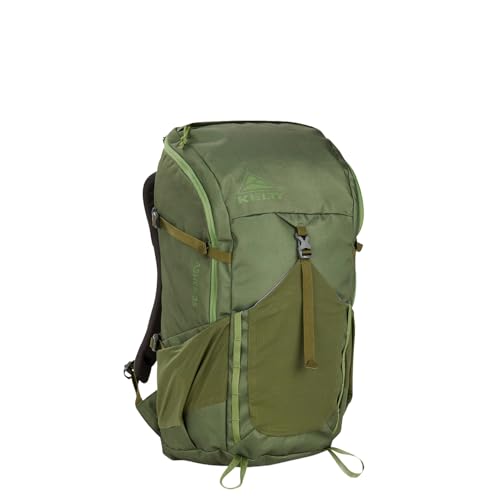
Pros
- Featherweight 1.8-pound design with a structured HDPE frame sheet and aluminum stay
- Functional load lifters help maintain balance and posture under load
- Amp Flow ventilated back panel aids airflow during warm-weather hikes
- Streamlined exterior profile works well for both trails and everyday travel
Cons
- Fixed one-size torso design may not fit hikers with very short or long torsos
- Hydration reservoir and rain cover are not included and must be purchased separately
- 25-pound optimal load limit is not designed for heavy, gear-intensive multi-day expeditions
The Kelty Asher 35L is a streamlined internal-frame pack built for day hikers, gear-heavy commuters, and ultralight overnight backpackers. With a 35-liter gear capacity and an empty weight of approximately 1.8 pounds (790 grams), it bridges the gap between an everyday hiking daypack and a compact weekend hauler. The design targets hikers seeking dependable structural support without carrying the heavy empty weight typical of traditional multi-day packs.
On the trail, load support is anchored by an internal HDPE frame sheet paired with an aluminum stay. This setup provides torsional rigidity and keeps gear from pushing directly against your back. Manufacturer specifications rate the optimal carry weight between 0 and 25 pounds, making it suitable for carrying extra clothing layers, a cook kit, trail meals, and water. Integrated load lifters allow you to adjust the upper pack angle toward your shoulders, which helps maintain balance when navigating inclines.
To assist with temperature regulation during warm hikes, Kelty equips the Asher with an Amp Flow ventilated back panel. This cushioned channel promotes airflow between the pack body and your back. The pack also incorporates streamlined pockets and exterior attachment points for gear lashing. With overall dimensions measuring 22 x 11 x 9 inches, the Asher keeps weight centered along your spine, minimizing sway through narrow trail sections.
Harness setup and packing are straightforward. The pack features an internal hydration-compatible sleeve, allowing you to route a drinking hose from an aftermarket water bladder. While the manufacturer highlights Fit Pro adjustability features alongside a fixed/one-size torso classification, buyers should note that the frame height cannot be extended beyond its standard 22-inch outer profile. Adjusting the shoulder straps, sternum strap, and hip belt helps dial in the carry position based on your layering and load distribution.
There are a few realistic limitations to keep in mind before purchasing. The 25-pound optimal load threshold means this pack cannot comfortably support bulky cold-weather gear, heavy winter sleeping bags, or extended wilderness rations. In addition, water resistance relies on standard pack fabric without an included rain cover, so hikers heading into wet environments will want to add a waterproof cover or interior dry sacks to protect sensitive equipment.
For day hikers needing substantial gear capacity, family trail leaders carrying shared supplies, or budget-conscious overnight backpackers with compact camp gear, the Kelty Asher 35L is a practical investment. It delivers essential suspension features like an aluminum stay and load lifters at a fraction of the weight found on bulkier backpacking rigs.
The Kelty Asher 35L uses an internal HDPE frame sheet reinforced by an aluminum stay to maintain pack structure and support loads up to 25 pounds. This internal skeleton prevents gear from barreling against your back and transfers downward force toward the hip belt.
Load lifter straps positioned atop the shoulder harness allow you to fine-tune the pack angle relative to your torso. Pulling the lifters snug keeps cargo centered over your hips, which reduces rearward drag and upper-body strain on steep switchbacks.
Featuring a 35-liter storage volume and measurements of 22 x 11 x 9 inches, the Asher 35L accommodates full-day hiking essentials, warm layers, and minimalist overnight gear kits. Its 1.8-pound (790-gram) build makes it exceptionally light for a framed pack.
The harness is classified as a fixed one-size torso design with Fit Pro adjustment technology. Hikers should verify their torso length against standard daypack dimensions to ensure the hip belt and shoulder harness align comfortably with their body frame.

Pros
- Broad torso length adjustability from 15.5 to 21 inches allows quick, customized fitting across different body types
- Stout load-support rating engineered for an optimal carry weight range between 30 and 50 pounds
- Dedicated lower sleeping bag compartment simplifies campsite setup and nighttime access
- Amp Flow ventilated back panel aids in reducing sweat and heat buildup along the spine
- Relatively lightweight empty build at approximately 3 pounds 5 ounces for a 65-liter framed backpack
Cons
- Hydration reservoir is not included and must be purchased separately
- Does not include an integrated rain cover for foul-weather trail conditions
- Overall 65-liter volume may feel excessive for fast-and-light single-night or minimalist day hikes
The Kelty Asher 65L is an internal frame backpacking pack designed for beginner backpackers, weekend campers, and extended trail hikers who require substantial volume without excessive pack weight. Structured around a perimeter frame with an integrated aluminum stay, this pack offers 65 liters of storage space to easily fit multi-day camping gear, bulky shelters, food canisters, and spare clothing layers. Its layout focuses on fundamental trail necessities, making it an accessible option for hikers stepping up to self-supported backcountry routes.
Proper load management starts with an accurate torso fit, and the Asher uses Kelty's Fit Pro technology to address sizing across different body shapes. The harness system adjusts quickly along a torso length range of 15.5 to 21 inches, allowing hikers to dial in shoulder strap positioning on the go or when sharing the pack between family members. With an optimal carry weight range rated from 30 to 50 pounds, the internal frame and upper load lifters work together to pull the pack weight close to the back and distribute pressure downward onto the hips.
Back ventilation and pack stability are supported by the Amp Flow back panel combined with the aluminum stay. The Amp Flow design features ventilated padding aimed at maintaining steady airflow between the pack body and the hiker's spine, helping to manage perspiration during steep summer climbs. Meanwhile, the perimeter frame and aluminum stay preserve pack rigidity under load, keeping the pack from barreling outward or swaying erratically across rough footing.
Packing efficiency is improved by a dedicated lower sleeping bag compartment, allowing hikers to retrieve their sleeping bag at camp without having to empty the main bag. Measuring 30 by 14 by 15 inches, the main storage area accommodates bulky dry sacks and cook sets, while internal hydration compatibility lets users run a drinking hose for trailside hydration. Side compression straps allow users to compress lower-volume loads, ensuring internal stability even when the pack is not completely full.
While the Asher 65L provides impressive volume and supportive suspension, practical limitations should be kept in mind. The pack is hydration compatible but does not include a hydration reservoir, so hikers must provide their own reservoir or rely on water bottles. Additionally, an integrated rain cover is omitted, requiring users to carry a separate pack fly or pack their gear in waterproof dry bags when hiking in wet climates. For ultralight hikers carrying minimalist loads under 20 pounds, a full 65-liter framed pack may also present unnecessary capacity.
The Kelty Asher 65L delivers dependable value for backpackers seeking an adaptable, high-volume trail pack with proven load-bearing hardware. Its 15.5 to 21-inch torso adjustability, 30 to 50-pound optimal load range, and lightweight 3-pound 5-ounce construction make it a well-balanced pack for multi-day hiking trips across U.S. wilderness areas.
The Kelty Asher 65L features Fit Pro adjustment technology designed to fit torso lengths between 15.5 and 21 inches. This broad adjustment range accommodates a wide spectrum of adult torso sizes, ensuring that the shoulder harness can be positioned at the proper height relative to the hips.
Because the Fit Pro harness can be adjusted quickly on the fly, fine-tuning pack fit after shedding heavy outerwear or redistributing gear weight is straightforward. Achieving the correct torso length allows the load lifter straps to pull at an effective angle, helping to transfer pack weight off the shoulders and directly onto the supportive hip belt.
With an interior volume of 65 liters and dimensions of 30 by 14 by 15 inches, the Kelty Asher 65 provides generous room for multi-day camping trips, extra layers, and extended food rations. The dedicated lower sleeping bag compartment separates bulky sleep gear from daytime trail gear, keeping your evening setup organized.
The pack is fully hydration-compatible, allowing seamless use of a personal water bladder for hands-free drinking on the trail. Built-in compression straps let hikers stabilize shifting gear or cinch down partial loads, maintaining steady balance while walking across rocky paths.
The suspension system on the Asher 65 utilizes an advanced perimeter frame with an aluminum stay, providing the structural rigidity necessary to manage loads between 30 and 50 pounds. This setup prevents load sagging and helps distribute the carried weight evenly down to the waist.
To assist with heat dissipation on warm trail days, the Amp Flow ventilated back panel allows air circulation across the back. Upper load lifters allow hikers to adjust the angle of the pack against their upper torso, keeping heavy gear close to the spine for balanced, fatigue-conscious hiking.
Comprehensive Strategy for Planning a 5-Day Wilderness Load
A successful five-day wilderness excursion hinges on precise equipment selection and meticulous weight management. Unlike a brief weekend overnight trip, five days in the backcountry requires sustaining your body with substantial food supplies and managing consumable resources effectively. Hikers must divide their gear into base weight, which includes non-consumable tools like the tent and sleeping system, and consumable weight such as food, water, and fuel. Understanding the interplay between these two categories allows you to prepare for unexpected weather shifts without overloading your body.
Determining Pack Volume and Internal Frame Architecture
Selecting the appropriate pack volume represents the initial critical decision when preparing for extended trail travel. Most backpackers find that a 50-liter to 65-liter pack offers the ideal capacity for five days of unsupported hiking. This volume accommodates the bulky nature of multi-day insulation layers, five full days of calorie-dense meals, and essential campsite shelter components. While ultralight hikers with highly compressible gear occasionally opt for packs near 35 liters, standard multi-day loads generally require larger interior cavities.
Internal frame architecture directly influences how comfortably a pack carries heavy multi-day trail gear. Packs engineered with an advanced perimeter frame and aluminum stays, such as the Kelty Asher 65L, are designed to stabilize total loads between 30 and 50 pounds. In contrast, smaller daypack-to-overnight options like the Kelty Asher 35L utilize lightweight HDPE frame sheets designed for loads up to 25 pounds. Overloading a flexible frame sheet with heavy multi-day food reserves can cause the pack to buckle against the spine, creating unnecessary muscular tension.
Selecting Your Weather Shelter and Core Sleep System
Your campsite shelter and insulation form the primary defense against hypothermia and mountain fatigue. A reliable three-season tent, durable tarp setup, or weather-sealed bivy sack protects against relentless rain and driving wind. When packing shelter fabrics, separate damp rain flies from dry inner canopies to prevent interior condensation from wetting sleeping gear. Storing tent stakes and poles vertically along the pack side channels preserves interior volume and protects fabric coatings from punctures.
The sleeping bag or down quilt requires dedicated compression to minimize displacement inside the pack body. Placing your compressed sleep system at the very bottom of the pack provides a stable, cushioned foundation for heavier equipment stacked above. High-loft synthetic fills offer reliable moisture resistance in wet climates, whereas down insulation delivers superior warmth-to-weight ratios when packed in waterproof stuff sacks. Pairing your sleeping bag with an insulated sleeping pad prevents ground heat loss, ensuring restorative sleep throughout chilly backcountry nights.
Calculating Trail Calorie Needs and Food Storage
Nutrition planning for a five-day itinerary requires calculating specific caloric density against total carried weight. Wilderness hikers generally burn between 3,000 and 4,500 calories each day depending on trail elevation changes and pack heft. Carrying approximately 1.5 to 2.5 pounds of food per person per day results in an initial food load between 7.5 and 12.5 pounds. Packing freeze-dried dinners, nut butters, dehydrated grains, and dense energy bars ensures you maximize caloric intake while controlling total pack mass.
Proper food storage protocols remain mandatory across backcountry regions populated by bears, rodents, and camp scavengers. Hard-sided bear canisters or certified scent-proof bear bags protect both wilderness wildlife and your critical sustenance supply. When packing a rigid bear canister, fill empty interior air pockets with crushable items like trail mix bags or dry breakfast oats. Positioning the heavy food container centrally against the back panel prevents rearward pack sway on steep ascents.
Managing Water Purification and Hydration Capacity
Maintaining adequate hydration requires dependable water treatment equipment rather than carrying excessive fluid reserves. Water weighs approximately 2.2 pounds per liter, making the transport of surplus water physically draining over long mountain passes. Most backpackers carry between two and three liters of active water capacity in durable bottles or internal hydration bladders. Researching seasonal stream flows and reliable spring waypoints before departing allows you to refill efficiently throughout each trekking stage.
A dual-stage filtration strategy provides security against common backcountry protozoa, bacteria, and silty sediment. Squeeze-style hollow fiber membrane filters offer rapid flow rates and screw directly onto flexible water storage pouches. In areas with cloudy glacial meltwater, bringing backup chemical purification tablets prevents trail delays if mechanical filter pores clog. Carrying a lightweight collapsible bladder allows you to transport extra untreated water to dry ridge campsites for evening boiling.
Backcountry Clothing Systems and Weather Layering
Clothing systems for extended backcountry trips must follow a functional layering strategy rather than packing duplicate daily outfits. Hikers need three distinct clothing categories: active hiking layers, insulating campsite layers, and protective storm shells. Packing moisture-wicking synthetic shirts and specialized lightweight hiking apparel keeps your skin dry during strenuous uphill climbs while resisting trail brush abrasions. Avoid cotton garments entirely, as saturated cotton fibers retain moisture and compromise personal body temperature regulation.
Insulating mid-layers provide vital thermal retention when hiking stops and evening camp temperatures plummet. A lightweight fleece pullover works well during active morning movement, while a high-loft down jacket provides stationary warmth around camp. An outer hardshell jacket and waterproof rain pants shield against sudden alpine downpours and biting ridge winds. Always keep one dedicated set of dry thermal base layers inside a waterproof dry bag specifically reserved for sleeping.
Organizing The Ten Essentials and Emergency Gear
Packing the classic ten essentials guarantees self-reliance during unexpected trail emergencies, navigational errors, or sudden injuries. Topographic paper maps paired with a calibrated magnetic compass remain crucial backups to satellite navigation systems and smartphone applications. Satellite communicators and personal locator beacons provide two-way messaging and emergency SOS signaling far beyond cellular network range. Always secure these electronic devices in waterproof protective cases and monitor battery levels throughout the multi-day route.
A reliable illumination source and dedicated fire-starting supplies provide safety and warmth when itineraries run past dusk. Bring an LED headlamp equipped with fresh lithium batteries or an integrated rechargeable battery alongside a compact charging cord. Pack stormproof matches, a piezo igniter, and waterproof synthetic tinder in an accessible, watertight container for emergency heat. A compact first-aid kit stocked with blister treatments, bandages, repair tape, and emergency space blankets handles common backcountry injuries and gear failures.
Camp Kitchen Logistics and Fuel Calculations
Cooking efficiency in the backcountry relies on compact canister stoves and calculated fuel reserves. A lightweight backpacking stove paired with a hard-anodized aluminum or titanium cook pot boils water rapidly for dehydrated meals. For a five-day itinerary requiring morning coffee and rehydrated evening dinners, an 8-ounce isobutane fuel canister generally provides ample gas. Shielding the stove burner from harsh winds with your pack body improves thermal efficiency and conserves precious fuel.
Simple eating utensils and food cleaning tools keep meal cleanup hygienic and straightforward. A long-handled titanium spoon reaches the bottom corners of dehydrated meal pouches without covering your fingers in food residue. Pack a small scrap of scouring sponge and biodegradable camp soap to rinse your cook pot well away from natural water sources. Nesting your compact stove burner and folded pot stand inside the central cook pot protects delicate metal components from being crushed inside the pack.
Mastering Weight Distribution and Center of Gravity
Arranging gear inside your pack using biomechanical loading principles drastically reduces physical fatigue and lower back strain. Modern backpacks function best when dense, heavy items sit close to the wearer spine at mid-back level. Light, bulky equipment belongs at the bottom, creating a cushioned base that absorbs trail impacts during downward strides. Medium-weight gear wraps around the perimeter and top of the pack, maintaining a compact silhouette that prevents outward swaying.
Packing heavier items like bear canisters, fuel canisters, and dense food reserves too high causes top-heavy instability on rocky switchbacks. Conversely, placing dense mass at the very bottom pulls the pack backward and downward, placing excessive leverage on the trapezius muscles. External compression straps cinch the entire pack volume tightly, preventing loose interior gear from shifting off-center during movement. A well-balanced load mirrors your natural walking posture, keeping your energy focused on forward trail progress.
Calibrating Harness Fit and Torso Alignment
Even the most organized gear load causes discomfort if the backpack harness system is improperly calibrated to your torso. Accurate torso length measurement spans from the prominent C7 vertebra at your neck base down to the top of your iliac crest. Packs featuring modern adjustable suspension, such as Kelty Fit Pro technology, allow hikers to dial in custom torso dimensions ranging from 15.5 to 21 inches. Seating the padded hip belt directly over the iliac crest allows the pelvic bone structure to support the majority of the pack weight.
Proper strap tensioning sequence begins with tightening the hip belt before snugging down the contoured shoulder harness. The shoulder straps should wrap smoothly over the clavicle without pulling downward or lifting off the shoulders. Adjusting the sternum strap across the mid-chest stabilizes the shoulder straps inward without restricting deep lung expansion on steep climbs. Ventilated back panels, like the Amp Flow system, maintain constant air circulation across your spine, mitigating heat buildup during humid trail ascents.
Load-lifter straps positioned above the shoulders should form an approximate 45-degree angle with the upper pack frame. Cinching these straps pulls the upper pack volume securely toward your center of gravity, relieving collarbone pressure. Testing your harness adjustments around the neighborhood under full weight reveals pressure points before you step onto the trail. Re-tensioning harness webbing periodically throughout each hiking day compensates for natural strap loosening under load.
Backcountry Hygiene, Waste Disposal, and Gear Planning
Practicing diligent backcountry hygiene keeps your body healthy while preserving remote wilderness environments for future visitors. A lightweight backcountry trowel is essential for excavating catholes six to eight inches deep, located at least 200 feet away from lakes and streams. Pack out all used toilet paper, sanitary wipes, and feminine hygiene items inside sealed, opaque plastic disposal bags. Leaving waste buried improperly exposes pathogens to wildlife and risks contaminating vital drinking water sources downstream.
Personal cleanliness kits for five days should remain minimalist and focused on preventing friction rashes and infections. A small bottle of alcohol-based hand sanitizer cleans your fingers before meal handling and after answering nature calls. Pack compressed dry wipes that rehydrate with a few drops of water for evening sponge baths to remove salt deposits and grit. A miniature tube of anti-chafing balm protects inner thighs and feet from painful blistering over high-mileage days.
Camp scrap management requires packing out every scrap of food packaging, tea bags, and micro-trash. Storing a dedicated trash bag inside your bear canister or food bag prevents foul odors from permeating clothing layers. Trekkers exploring affordable trail backpacks must remember that disciplined waste packing and deliberate gear organization matter far more than purchasing expensive gear accessories. Leaving your campsite cleaner than you found it remains the golden rule of multi-day wilderness ethics.
Preparing for a five-day wilderness route ultimately demands balancing self-sufficiency with realistic physical carrying capacities. Testing each piece of camping gear, verifying water filter flow rates, and weighing your food rations before departing eliminates trail surprises. Matching your calculated gear volume to a properly sized internal frame pack ensures consistent stability and comfort on every climb. With thoughtful preparation and disciplined packing, you can confidently navigate remote backcountry trails from your first step to the final camp.







Write Your Review
No reviews yet. Be the first to share your experience!