


Setting out for two or three days on backcountry trails demands careful balance between hauling necessary safety gear and avoiding punishing pack weight. A poorly balanced load strains shoulder straps, destabilizes footing on uneven switchbacks, and turns a scenic escape into an exhausting grind. Understanding what to pack for a weekend hiking trip begins with organizing gear into distinct functional categories, ranging from weather-protective clothing to dependable backcountry power. Hikers evaluating their loadout can also explore budget hiking backpack options to secure an affordable foundation without overspending on their early trekking gear.
Modern outdoor excursions require dependable equipment that withstands shifting mountain weather, sudden temperature drops, and remote trail conditions. Packing strategically prevents common trail frustrations, such as crushed snacks, wet insulation layers, or dead navigation electronics far from the trailhead. Trekkers planning warmer day outings or basecamp refreshments may also consider hiking backpack cooler options to maintain chilled provisions before hitting steeper summit trails. Taking the time to coordinate essentials guarantees you stay warm, hydrated, and completely self-sufficient across miles of rugged terrain.




Strategic Gear Systems and Packing Architecture for Weekend Treks
Setting out on a backcountry trek requires assembling an integrated system of gear rather than packing random supplies. Every item carried into the wilderness must fulfill an active purpose in shelter, nourishment, navigation, or health maintenance. Dialing in your loadout prevents excessive trail fatigue, eliminates dead weight, and keeps critical tools accessible during shifting weather or dusk campsite arrivals.
Pack Volume and Chassis Architecture
Capacity selection sets the baseline for what can accompany you into the woods. A weekend trip spanning two nights typically calls for an internal volume between 35 and 50 liters to house sleeping gear, clothing, and food. Structured travel bags like the Taygeer Carry On Backpack provide 40 liters of capacity to organize apparel, while streamlined options like the Oak-Sports Travel Backpack serve well for lighter summit pushes or side excursions from basecamp. Selecting a pack that matches your gear bulk prevents loose supplies from shifting and destabilizing your walking rhythm.
Carrying comfort depends heavily on harness geometry, shoulder strap foam density, and structural load transfer. Packs equipped with internal frame sheets direct the majority of loaded mass onto your hips rather than leaving the weight suspended from your collarbones. Hikers tackling steep, rocky ascents often inspect internal frame hiking backpacks to ensure reliable lumbar stability when carrying heavier baseline loads across long distances. Padded hip belts and adjustable sternum sliders further stabilize your gear, keeping the pack anchored snugly against your spine as you navigate uneven trail obstacles.
Layering Apparel and Footwear Essentials
Backcountry weather shifts rapidly, making a modular clothing system essential for personal safety and warmth. Your base layer should consist of synthetic polyester or merino wool to pull sweat away from your skin during strenuous climbs. For trail trousers, many outdoor enthusiasts select durable, quick-drying lightweight hiking pants that resist brush abrasions while delivering full leg mobility over rocky ascents. Cotton fabrics must always stay behind because they absorb moisture, dry slowly, and accelerate hypothermia risks during cold evening drops.
Insulating mid-layers like a compact fleece or lightweight down jacket provide thermal trapping once activity slows at dusk. A weatherproof outer shell constructed with a durable water repellent coating seals out wind and rain, preventing warmth from escaping. Always pack at least two pairs of dedicated wool hiking socks and keep one clean pair sealed inside a waterproof dry bag strictly for sleeping. Proper trail footwear with lugged outsoles protects your ankles and secures traction across slick mud, scree, and wet granite slabs.
Trail Electronics and Solar Power Management
Modern wilderness navigation relies heavily on digital tools, including handheld GPS units, satellite communicators, and offline smartphone topographic mapping apps. Cold mountain nights and continuous GPS signal tracking drain lithium-ion batteries far faster than regular daily city routines. Packing reliable backup energy sources like the Luvknit Solar Power Bank 20000mAh with USB-C ensures that emergency communication tools remain operable throughout a multi-day trip. Having integrated solar panels on portable power banks provides emergency trickle-charging capability if an extended delay keeps you out on the trail longer than anticipated.
Stashing high-capacity power banks inside an interior pack pocket shields the delicate battery cells from extreme overnight cold, which preserves total output efficiency. Keep charging cables organized inside small zip pouches to avoid tangled wires among loose campsite equipment. Headlamps require dedicated consideration because hiking out after twilight without dependable illumination creates severe slip hazards. Always carry spare batteries or recharge your primary headlamp using your power bank before dusk settles across the backcountry campsite.
Campsite Sanitation and Personal Hygiene Supplies
Maintaining sanitation in remote backcountry zones protects local water resources and prevents gastrointestinal illness. Every weekend gear kit requires dedicated hygiene supplies, including biodegradable camp soap, alcohol-based hand sanitizer, and a lightweight trowel for digging six-inch catholes. Packing compact bathroom solutions like the Varpotle Travel Toilet Paper 6 Rolls ensures you carry tightly wrapped, coreless tissue that saves valuable internal pack volume while resisting trail moisture. Adhering to Leave No Trace principles means sealing all used sanitary wipes or waste products inside durable sealable bags to pack out completely.
Oral care and personal washing routines keep morale high after grueling miles under heavy sunshine. A travel toothbrush, miniature toothpaste tube, and small pack towel weigh very little but provide tremendous physical comfort around the evening campfire. Always perform teeth brushing and soap washing at least two hundred feet away from natural lakes, streams, and alpine springs. Keeping hygiene gear contained within an exterior quick-access pouch allows for swift roadside pitstops without unpacking your entire sleeping system on the trail.
Hydration Storage and Backcountry Nutrition
Water requirements increase rapidly when hauling heavy loads across elevation gains, requiring reliable hydration planning. A standard weekend hiker should carry between two and three liters of active water capacity using wide-mouth bottles or a durable internal hydration bladder with a drinking hose. External side pockets on your pack should hold bottles snugly to avoid losing valuable hydration when bending down to clear trail obstacles. Because natural water sources harbor unseen protozoa and bacteria, a hollow-fiber membrane filter, chemical purification tablets, or a portable boil kit remain non-negotiable safety tools.
Nutrition planning requires calorie-dense, shelf-stable foods that resist spoiling in warm daytime pack environments. Dehydrated meals, nutrient-packed nut butter packets, dried fruits, energy bars, and jerky provide efficient fuel without adding excessive dead weight. Plan for approximately three thousand to four thousand calories per full hiking day, depending on trail grade, personal body weight, and pack load. In territory inhabited by wildlife, packing an approved bear-resistant canister or an odor-proof bag with ample paracord for hanging food protects both your rations and local animal populations.
Center of Gravity and Load Distribution Geometry
How you arrange gear inside the backpack matters just as much as what you choose to bring. Improper weight distribution creates backward leverage, causing the pack to pull hard against your shoulders and straining your neck muscles over long miles. The bottom section of your pack cavity should hold light, bulky sleep items, such as your sleeping bag, sleeping pad, and camp clothing, which forms a broad structural foundation. Dense, heavy objects like your camp stove, fuel canister, food supply, and water reservoirs belong directly in the middle of the pack, nestled tight against your spine.
Placing the heaviest mass close to your natural center of gravity stabilizes your movement over steep switchbacks and slippery creek crossings. Medium-weight items, including your tent body, rainfly, and spare outer layers, should fill the space surrounding and above the central core. Quick-access items like first aid supplies, rain shells, headlamps, and trail snacks belong in the top lid pocket or front stretch compartment for immediate retrieval without opening the main harness compartment. Cinching exterior compression straps pulls the entire load inward, preventing awkward shifting while you walk.
First Aid, Emergency Signaling, and Repair Kits
Unforeseen hazards on backcountry trails require dedicated first aid and gear repair supplies. A basic medical kit should feature adhesive bandages, sterile gauze pads, antiseptic wipes, blister prevention tape, and over-the-counter anti-inflammatory tablets. Foot blisters represent one of the most common physical impediments on a weekend trek, making early treatment with blister pads or rigid athletic tape crucial before hot spots turn into painful open wounds. Carrying a compact emergency whistle and a signaling mirror provides reliable rescue alerts that work even when cellular reception fails completely.
Field repair supplies prevent minor equipment failures from ending your trip prematurely. A small roll of heavy-duty duct tape wrapped around a trekking pole or lighter can quickly patch a torn rainfly, mend a punctured sleeping pad, or secure a split trekking pole grip. Pack a miniature multi-tool featuring pliers and a sharp blade for trimming cordage, tightening loose hardware, or repairing stove connections. A lightweight emergency bivvy or reflective space blanket adds minimal pack weight while offering life-saving heat retention during unexpected overnight emergencies.
Trailhead Staging versus Backcountry Hauling Systems
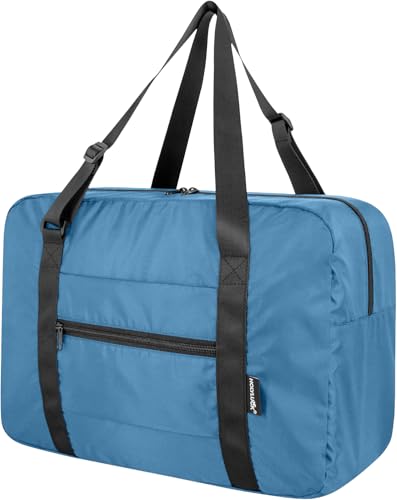
Organizing gear before arriving at the trailhead simplifies transition times and keeps clean vehicle apparel separate from dusty wilderness gear. High-capacity duffel bags, such as the BAGSMART 85L Foldable Duffle Bag for Travel or the BAGSMART 120L Foldable Duffle Bag for Travel, excel at transporting bulky camping gear, trekking poles, and boots inside vehicle trunks. Compact secondary options like the HOLYLUCK Duffle Bag for Travel Foldable Personal Item provide 23 liters of packable storage that folds down flat until needed for holding soiled garments on the return journey.
Staging your gear in spacious duffels protects technical pack fabrics and delicate buckle hardware from catching on trunk latches during road travel. Once you arrive at the staging area, transfer only your pre-sorted wilderness essentials into your dedicated trail backpack. This staging method guarantees that you leave behind vehicle keys, clean town clothes, extra road snacks, and unnecessary duffel packaging, avoiding excess weight on the actual trail. Maintaining a clean line between trailhead transport containers and trail-bound backpacks keeps your wilderness load tight and purposeful.
Post-Trek Pack Care and Gear Preservation
Preserving your outdoor investment requires proper maintenance once you return home from a weekend hike. Empty every pocket completely, brushing out trail dust, loose pine needles, and food crumbs that can attract insects or rodents during closet storage. Synthetic fabrics featuring polyurethane internal coatings and durable water repellent exterior finishes should be spot-cleaned using lukewarm water and a soft nylon brush. Never machine wash or tumble dry your hiking backpacks, as violent agitators and high heat can warp foam padding, crack internal frame stays, and peel away weatherproofing laminates.
Hang your pack upside down in a shaded, well-ventilated space until all harness foam, mesh back panels, and interior seams dry completely. Storing equipment while damp encourages mildew growth that permanently weakens nylon fibers and destroys waterproof polyurethane layers. Inspect zipper coils for fine grit and wipe them clean with a damp cloth to prevent slider jamming on future expeditions. Storing your gear clean and dry ensures every component functions smoothly the next time you prepare your weekend checklist for the trail.







Write Your Review
No reviews yet. Be the first to share your experience!