


Navigating crowded airport terminals and tight airline baggage policies quickly exposes the weaknesses in any luggage setup. Travelers frequently struggle with bulky shells that exceed dimensional limits, split seams under pressure, or discombobulated packing where essential gear vanishes into deep pockets. When evaluating what is the best travel bag, the answer rarely comes down to a single rigid suitcase or overbuilt duffel. Instead, experienced travelers evaluate how an exterior carry-on or personal item shell integrates with modular organization systems to maximize interior volume without triggering gate-check penalties.
A reliable travel setup balances unladen tare weight against structural durability and accessible compartmentalization. Selecting the right configuration means understanding whether your itinerary favors an unstructured duffel bag, a dedicated travel pack, or a hybrid luggage system paired with space-saving tools. While outdoor adventurers might rely on budget multipurpose packs for rugged trail excursions, air transit demands a strategic focus on linear dimensions, smooth zipper glide, and efficient modular packing accessories that keep personal essentials intact.


Evaluating Modern Travel Bags and Modular Packing Systems
Answering the question of what is the best travel bag requires shifting attention from a single piece of standalone luggage to an entire integrated packing architecture. True travel versatility relies on pairing a durable, dimensionally compliant exterior bag with targeted interior organization tools that control volume and eliminate dead space. By understanding the distinct roles played by exterior duffels, compression systems, and organized toiletry storage, travelers can assemble a resilient system tailored to weekend getaways, long flights, and multi-week journeys. This holistic method ensures that every garment, device, and personal essential remains secure throughout transit.
Silhouette Selection: Duffel Bags Versus Structured Travel Packs
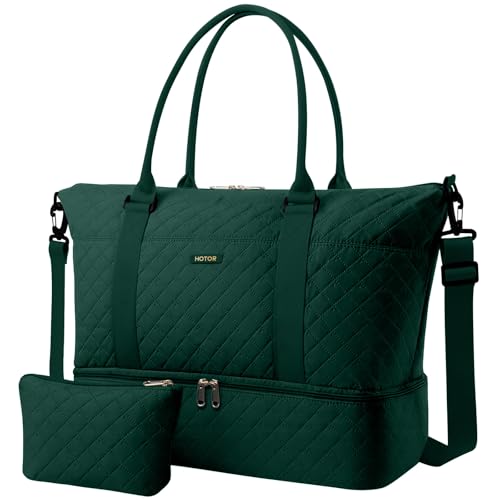
Unstructured travel duffels like the HOTOR Travel Duffel Bag offer unmatched cavity flexibility for weekend getaways, athletic outings, and short business trips. Unlike rigid suitcases that enforce static compartment depths, an open-cavity duffel expands or collapses according to the bulk of its contents. This pliable geometry allows travelers to stow awkward items such as extra footwear, bulky gym layers, or seasonal jackets without fighting rigid internal plastic dividers. However, soft-sided duffels lack rigid internal frame sheets, meaning they rely entirely on sensible packing to maintain structural stability during transit.
Carrying comfort in an unstructured duffel depends heavily on strap engineering and overall load management. Padded top grab handles and detachable crossbody shoulder straps allow quick transitions between airport terminals, taxi stands, and hotel lobbies. When packed carelessly, heavy objects can migrate toward the bottom of the bag, creating uncomfortable pressure points against the carrier hip or thigh. Distributing dense items evenly across the base stabilizes the center of gravity and prevents the duffel from sagging awkwardly during long walks.
Navigating Dimensional Constraints: Personal Items and Overhead Bins
Airlines maintain strict dimensional thresholds that separate free personal items from overhead carry-on luggage. Most major domestic carriers enforce personal item limits around 18 x 14 x 8 inches to guarantee clearance beneath regional and mainline passenger seats. Overhead carry-on allowances typically extend to 22 x 14 x 9 inches, providing sufficient space for weekender bags and compact rolling luggage. Soft-sided weekender bags often excel in these environments because their flexible fabrics compress into tight airport sizer boxes when not packed to absolute capacity. Knowing these dimensional boundaries helps travelers avoid unexpected gate-check fees and frantic repack sessions at boarding gates.
Overpacking remains the primary reason soft travel bags fail gate agent compliance checks. Bulging exterior pockets can easily add three to four inches of depth to an otherwise compliant weekender bag. Travelers must also account for under-seat electronic boxes on certain aircraft configurations, which can narrow usable floor width significantly. Verifying the uncompressed dimensions of your bag and utilizing compression tools ensures the exterior profile stays within posted gate boundaries.
Space Optimization Through Manual Roll Compression
Manual roll compression bags represent an efficient method for reducing clothing volume without adding mechanical accessories to your pack. Products like ALMING Compression Bags – Travel Essentials use internal one-way air channels that expel trapped air as the user rolls the plastic pouch from top to bottom. This mechanical process requires no external suction tools, making it particularly useful for multi-city travel where electrical outlets are inaccessible. Soft apparel like knit sweaters, t-shirts, and casual pants compress down to thin sheets that stack cleanly inside main duffel cavities. Travelers can pack nearly double the volume of clothing into the same footprint by removing excess air pockets.
Proper sealing technique is critical when using manual roll compression systems to prevent gradual air leakage during long flights. Users must slide the plastic zipper clip firmly across the double-track seal, checking for micro-gaps before beginning the rolling process. Rolling the pouch slowly and steadily allows dense trapped air to escape through the bottom exhaust ports without tearing the plastic film. While these bags dramatically reduce bulk, travelers should remember that compressing garments does not reduce overall bag weight, meaning total pack heft still requires monitoring.
Electric and Battery-Operated Vacuum Systems for High-Bulk Garments
Bulky cold-weather clothing such as fleece outerwear, down jackets, and thermal blankets presents the greatest challenge to compact travel. Motorized vacuum kits like the Vacbird Travel Vacuum Bags with Rechargeable Pump and Vacbird Rechargeable Wireless Vacuum Pump + 10 extract air far more aggressively than manual rolling can achieve alone. Wireless electric pumps run on compact rechargeable batteries, drawing air through specialized silicone valves to compress lofty items down to rigid, dense blocks. Systems like the GONGSHI Vacuum Seal Bags for Clothing Travel and Vacuum Bags for Travel with Wireless Pump provide versatile combos that service both domestic suitcases and home storage. These electric systems effectively tame high-loft items that would otherwise consume an entire duffel cavity.
Integrating a powered pump into your travel kit requires balancing convenience against unladen pack tare weight. Compact wireless suction pumps weigh only a few ounces, yet they eliminate the physical exertion of manually rolling dozens of heavy garments in cramped hotel rooms. Travelers should inspect the valve cap threading after deflation to verify an airtight seal before closing luggage zippers. Keeping the small recharging cable accessible in a dedicated tech organizer ensures the pump remains operational for the return leg of your itinerary.
Compression Packing Cubes for Daily Accessibility
While vacuum seal bags deliver maximum volumetric reduction, compression packing cubes provide superior modular organization and fabric breathability. The BAGAIL 4 Set/6 Set/8 Set Compression Packing Cubes feature a dual-zipper mechanism that mechanically flattens clothing bulk around the perimeter. Users pack their folded garments into the central cavity, close the primary compartment zipper, and then cinch down the secondary expansion track to compress the cube. Half-mesh panels allow air to vent during compression while letting travelers identify enclosed clothing without unzipping every organizer. This balance of compression and structural accessibility makes cubes the gold standard for organized transit.
Compression cubes shine in itineraries where travelers relocate between hotels every few nights. Unlike vacuum bags that produce rigid blocks requiring full repack cycles, cubes function like portable dresser drawers inside a weekender duffel. Travelers can group garments by category, dedicating one cube to workout gear, one to shirts, and another to socks and undergarments. This modular separation keeps the interior of your main travel bag neat and prevents folded fabrics from tangling or creasing excessively during transit.
Dedicated Toiletry Architecture and Regulatory Checkpoint Compliance
Managing liquids, grooming essentials, and bathroom accessories requires purpose-built toiletry kits designed to prevent accidental luggage spills. The HOTOR Hanging Toiletry Bag Women Men incorporates multiple zippered mesh sleeves and an integrated swivel hook that suspends the entire kit from towel bars or bathroom doors. Hanging toiletry designs save precious counter space in compact hotel bathrooms or cruise ship cabins while keeping hygiene items elevated and visible. Water-resistant interior linings contain potential shampoo leaks, preventing liquids from soaking into adjacent clothing layers inside your main travel bag.
Airport security checkpoints impose specific rules for liquid containers that standard hanging kits cannot always satisfy. Utilizing dedicated transparent pouches like the TSA Approved Toiletry Bag ensures travelers pass through screening checkpoints without delays. These quart-sized clear bags meet standard airport security regulations, allowing agents to inspect bottled liquids quickly without opening the main enclosure. Savvy travelers keep their clear liquid pouch in an exterior quick-access duffel pocket for rapid extraction at security lanes before transferring it back into the hanging organizer upon arrival.
Material Integrity, Hardware Durability, and Seam Stress Points
The overall longevity of any travel luggage setup depends directly on fabric denier, thread quality, and zipper hardware construction. High-density polyester and ripstop nylon fabrics provide excellent abrasion resistance against rough baggage carousel surfaces and airport floors. Reinforced cross-stitching or bar-tack stitching at strap anchor points prevents handles from pulling away from the bag body under heavy loads. Heavy gear loads place substantial mechanical tension on seams, much like internal frame support systems engineered to disperse intense pressure across outdoor load-bearing packs.
Zipper hardware represents the most common failure point on overstuffed travel duffels and compression organizers. Heavy-gauge spiral coil zippers withstand lateral pressure far better than delicate lightweight sliders when compressing bulky clothing layers. Travelers should avoid forcing sliders around sharp corners when internal fabric catches in the zipper teeth. Lubricating zipper tracks periodically with paraffin wax or specialized gear lubricants maintains smooth glide and prevents tooth misalignment during high-stress travel days.
Ergonomics, Weight Distribution, and Airport Mobility
Carrying a fully loaded weekender bag through sprawling international terminals can quickly strain shoulder and neck muscles. Distributing mass properly inside the main duffel compartment keeps the center of gravity close to your torso, reducing unnecessary lever torque on your spine. Placing dense items like footwear, electronic chargers, and packed toiletry kits along the bottom center of the bag creates a balanced base. Isolating separate functional categories echoes the utility found in specialized backpack cooler compartments, where dedicated structural zones prevent heavy contents from crushing delicate gear.
Shoulder strap ergonomics significantly impact walking comfort during lengthy terminal transfers. Wide, contoured straps with dense closed-cell foam padding distribute pack weight across the shoulder instead of digging into the collarbone. Luggage trolley pass-through sleeves offer another vital ergonomic advantage by allowing the duffel to slide securely over the telescoping handle of a rolling suitcase. This simple integration relieves bodily carrying strain entirely while navigating long concourses and train stations.
Maintenance Protocols and Long-Term Gear Care
Maintaining technical fabrics and packing organizers preserves water repellency and extends the functional lifespan of your luggage. Travel bags collect grime, dirt, and beverage spills that can degrade synthetic textile coatings if left uncleaned. Travelers should spot clean polyester and nylon shells using a soft bristle brush, lukewarm water, and non-detergent technical soap. Machine washing and high-heat tumble drying must be avoided because mechanical agitators and excessive heat delaminate internal polyurethane moisture barriers.
Vacuum compression bags and clear toiletry pouches also require routine inspection and gentle cleaning after extensive travel. Wiping the plastic interior of clear toiletry bags with a damp cloth prevents residue buildup from shampoo bottles or toothpastes. Vacuum bags benefit from inspecting the plastic zip tracks and exhaust valves for dust particles that could break the airtight seal. Storing compression organizers flat in a cool, dry closet protects the flexible plastic film from creasing or premature brittleness.
Synthesizing the Ideal Packing Ecosystem for Your Itinerary
Determining the most effective travel setup ultimately depends on trip duration, transit mode, and apparel bulk. A short two-day weekend getaway requires little more than an unstructured weekender duffel organized with a hanging toiletry kit and two compression cubes. Longer excursions or winter trips involving heavy outerwear call for electric vacuum bags that condense puffy sweaters without consuming excessive luggage footprint. Balancing exterior flexibility with disciplined internal modularity prevents overpacking while keeping essentials orderly and protected.
Travelers should assess their destination habits and packing tendencies before investing in specialized gear configurations. Investing in durable modular components allows you to customize your setup for business flights, casual road trips, or international vacations. When each piece of your luggage kit serves a defined functional purpose, navigating busy transit hubs becomes a seamless and stress-free experience. Selecting the right combination of exterior bag and interior compression tools transforms travel from a chaotic chore into an organized journey.





Write Your Review
No reviews yet. Be the first to share your experience!