


Navigating crowded airport terminals, boarding regional trains, or walking cobblestone streets quickly reveals whether your luggage helps or hinders your trip. Travelers frequently wonder what is the best rucksack for travelling when faced with strict airline carry-on limits and demanding itineraries. A standard weekend bag often lacks the structural support needed for all-day sightseeing, while heavy traditional luggage feels clumsy on public transit. Finding the right balance requires evaluating how you move, what gear you carry, and how your bag distributes weight across your shoulders.
Modern travel bags range from ultra-packable excursion sacks to expandable carry-on luggage packs and tech-friendly commuter bags. While outdoor adventurers sometimes look toward budget-friendly hiking backpacks for simple trail excursions, urban transit demands dedicated organization for electronics, passports, and clothing cubes. Features such as ventilated air-mesh back panels, durable synthetic textiles, and integrated charging pass-through ports can transform a stressful commute into a smooth travel experience. Understanding these specific design differences ensures your chosen bag matches your itinerary rather than working against it.

Pros
- Weighs only 4.59 ounces and packs neatly into its own pocket for hassle-free travel storage.
- Durable SBS zippers and tear-resistant polyamide fabric provide good build quality for an ultralight bag.
- Four total storage zones include two zippered compartments and two side mesh pockets for simple organization.
- Compact 11L profile keeps trail loads small and eliminates unnecessary bulk on easy walks.
Cons
- Compact 11-liter capacity cannot accommodate bulky clothing layers, heavy trail gear, or cold-weather essentials.
- Frameless, ultralight construction has no back padding, hip belt, or sternum strap to support heavy loads.
- Water-resistant fabric handles light drizzles but will allow moisture in during heavy or prolonged rain.
The G4Free 11L Ultra Lightweight Small Rucksack is a packable, frameless daypack engineered specifically for minimalist day hikers, vacationers, and commuters who prioritize portability over heavy suspension systems. Weighing just 4.59 ounces (approximately 0.29 pounds), the pack collapses completely into an integrated pouch, making it an excellent companion for travelers seeking a secondary summit pack inside their luggage or outdoor walkers who need a quick grab-and-go option for casual local trails.
With an 11-liter total volume and unfolded dimensions of 8.27 x 5.12 x 12.99 inches, this daypack is scaled for basic essentials rather than multi-hour wilderness trips. The main compartment offers enough room for an extra windbreaker, lightweight towel, trail snacks, and small personal gear, while the front zippered compartment secures items like keys, cards, or a passport. Because the pack lacks a rigid frame sheet, internal stays, or a supportive hip belt, carrying comfort relies entirely on packing soft items against the rear panel and keeping total carried weight modest.
The pack is constructed from a tear-resistant polyamide fabric paired with SBS zippers, providing a solid balance between low weight and reliable trail utility. The water-resistant surface treatment helps shed light rain, dust, and trail debris during short walks. Two exterior side mesh pockets give quick access to slim hydration bottles or snacks, keeping essential gear within easy reach without requiring you to reopen the main compartment.
Deploying and packing down the rucksack is straightforward and takes only seconds. To stow the backpack, you simply invert the built-in storage pouch and fold the polyamide fabric inward, resulting in a pocket-sized bundle that stores neatly in a carry-on suitcase, duffel bag, or vehicle console. For post-hike cleaning, the synthetic polyamide material can be spot cleaned with a damp cloth and mild soap, then air-dried before folding back into its pouch.
Hikers should keep in mind that an 11-liter frameless daypack comes with distinct trail limitations. It is not built for rough backcountry terrain, overnight backpacking, or carrying dense, heavy gear. In addition, while the fabric repels light drizzles, the lack of taped seams and a dedicated rain cover means it cannot protect sensitive electronics during extended downpours. The unpadded shoulder straps will also cause noticeable pressure if the bag is overloaded with heavy items.
For day hikers, campers, and travelers who want a dependable, featherweight daypack that takes up virtually zero luggage space, the G4Free 11L Packable Backpack delivers practical functionality at an accessible price. It serves as an efficient solution for short park trails, city sightseeing, and campground errands where carrying a full-sized hiking pack would be unnecessary bulk.
The G4Free 11L daypack provides four designated storage areas, including two zippered compartments and two flexible side mesh pockets. The main storage compartment holds small trail essentials such as a packable jacket, trail food, and small travel accessories, while the front zippered pocket keeps smaller items like wallets, phones, and trail passes secure.
Because the pack is 11 liters in volume with an 8.3 x 5.1 x 13-inch footprint, careful packing is recommended. Arranging flat, soft garments against the interior back section creates a natural cushion, ensuring comfortable carry on short walks and preventing hard-edged objects from poking through the lightweight fabric.
Built with lightweight polyamide fabric, the G4Free daypack is designed to resist light abrasion and trail dust while keeping total pack weight down to 4.59 ounces. SBS zippers secure both compartments, offering smooth pull action that holds up well under routine trail and travel usage.
When not on trail, the entire daypack folds into its own interior pouch, creating a compact bundle that fits inside travel duffels, large backpacking packs, or car glove boxes. The exterior material provides light water resistance for brief drizzles, though full dry bags or rain covers should be used for wet weather.


Evaluating What Makes an Ideal Travel Rucksack
Determining what is the best rucksack for travelling starts with recognizing that no single bag satisfies every travel scenario. The ideal travel pack depends heavily on whether your journey involves multi-day one-bag air travel, city sightseeing during day tours, or transit commuting with a laptop. An ultralight sack that folds into a small pouch serves a completely different purpose than an expandable carry-on pack built to replace a rolling suitcase. By evaluating capacity, accessibility, harness ergonomics, and material resilience, you can match your luggage directly to your travel habits.
Every travel itinerary introduces distinct physical demands on your gear. An international flight requires strict adherence to overhead bin or under-seat dimensions, while daily urban exploration prioritizes low unladen weight and breathability. Bags designed with multi-compartment layouts, luggage trolley sleeves, and padded laptop compartments cater to modern mobile routines. Reviewing how these functional elements work together provides a clear framework for selecting a dependable rucksack.
Matching Rucksack Capacity to Trip Length and Airline Requirements
Volume capacity serves as the foundational starting point when evaluating any travel pack. Rucksacks generally fall into three distinct size brackets: compact daypacks under 15 liters, mid-sized everyday carry bags between 20 and 30 liters, and high-capacity travel packs spanning 35 to 45 liters. Ultralight daypacks, such as an 11-liter foldable pouch, excel as secondary bags stowed inside a larger suitcase for day trips, market excursions, and light nature walks. Because they take up almost zero luggage space when packed, they provide instant flexibility at your final destination without adding transit bulk.
Mid-sized rucksacks around 20 to 25 liters represent the sweet spot for everyday travel carry, daily commuting, and short overnight stays. These packs usually measure within standard domestic and international airline personal item limits, which typically hover around 18 by 14 by 8 inches. Bags in this tier slide smoothly beneath regional jet seats, keeping valuable electronics, travel documents, and personal essentials directly in front of you. They offer sufficient space for a fleece jacket, a water bottle, and tech accessories without protruding into your legroom.
High-capacity packs reaching 40 to 45 liters are purpose-built for one-bag travel where you want to skip checked baggage entirely. Expandable designs can begin at a compact profile and unzip into a spacious 45-liter cavity that easily holds multiple packing cubes, clothing changes, and toiletry kits. These larger dimensions, often around 19 by 13 by 8 inches when unexpanded, comply with overhead bin requirements on popular carriers like EasyJet, Spirit, and JetBlue. However, travelers must stay mindful of overpacking, as an overfilled expandable compartment can bulge beyond rigid gate-check sizer boxes.
Verifying dimensional compliance before leaving for the airport prevents unexpected gate-check fees and transit delays. Always remember that published liter capacities describe internal volume rather than exterior frame rigidity. A soft-sided rucksack with external compression straps allows you to cinch down excess volume, shaving inches off the exterior footprint. Keeping your packed gear within airline linear thresholds ensures a smooth transition through security gates and onto regional aircraft.
Packing Geometry and Access: Clamshell Versus Top-Loading Flap Designs
The opening mechanism of a travel rucksack fundamentally dictates how efficiently you can pack and access your belongings on the road. Full clamshell openings unzip around three perimeters, allowing the bag to lay completely flat just like a traditional suitcase. This format provides instant visual access to your entire wardrobe, making it easy to arrange packing cubes, toiletry bags, and gear pouches without rummaging. For one-bag travelers moving between lodgings every few days, clamshell accessibility eliminates the chore of unpacking everything to reach items at the bottom.
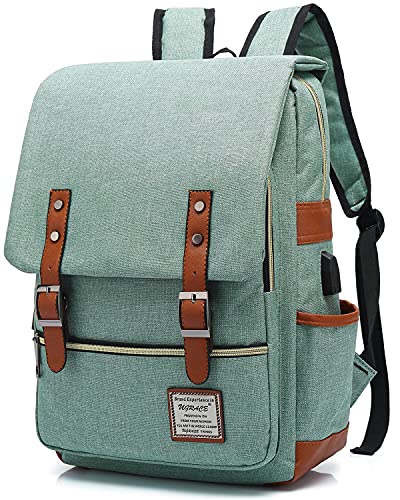
Traditional vintage-style rucksacks favor a panel-loading or flap-over configuration with dedicated exterior zip pockets. These designs excel at modular organization, offering separate quick-grab compartments for smartphones, travel documents, power adapters, and reading materials. The main compartment holds folded clothing, lightweight jackets, or notebooks, while front zippered pockets keep smaller necessities compartmentalized. Commuters and casual travelers often appreciate this aesthetic because it transitions seamlessly from airport terminals into campus environments or coffee shops.
Internal compression systems further differentiate travel-specific rucksacks from ordinary school daypacks. Purpose-built travel bags frequently feature elastic or webbing tie-down straps within the main compartment to secure clothing stacks and prevent shifting during transit. External compression straps serve a dual role by drawing the weight closer to your back and reducing stress on main zipper coils. Utilizing compression straps properly preserves zipper alignment and maintains a slim center of gravity while navigating crowded platforms.
Harness Architecture, Weight Distribution, and Carrying Comfort
Carrying a loaded pack across airport terminals or during prolonged walking tours places continuous pressure on your shoulders, neck, and lower spine. An effective harness system relies on ergonomically contoured, padded shoulder straps that distribute downward force evenly across your clavicle. Breathable air-mesh padding along the shoulder straps and back panel promotes airflow, which helps mitigate heat accumulation during warm-weather travel. Without adequate ventilation channels, synthetic back panels can trap perspiration against your shirt during brisk walks.
Sternum straps play an underappreciated role in stabilizing travel rucksacks by pulling the shoulder straps inward toward the center of your chest. This adjustment prevents the harness from slipping off your shoulders when you walk briskly or carry a secondary shoulder tote. Unlike massive rigid framed backpacks designed to carry heavy wilderness expedition loads on a structural hip belt, frameless travel rucksacks rely heavily on precise strap tensioning and internal weight placement to keep the pack stable. Positioning dense items, like laptops or dense clothing cubes, close to the back panel prevents backward pull and reduces strain on your trapezius muscles.
Convertible strap configurations provide remarkable versatility for multi-modal travel. Certain large carry-on packs include hideaway padded shoulder straps that tuck completely behind a zippered back panel. Stowing the harness transforms the rucksack into a sleek briefcase or duffle silhouette, equipped with reinforced top and side grab handles. This feature prevents loose straps from snagging on airport conveyor belts, overhead bin latches, or luggage racks inside trains.
Integrated luggage trolley pass-through sleeves offer crucial physical relief when you travel with both a rolling suitcase and a rucksack. Sliding the trolley strap over the telescoping handle of your wheeled luggage transfers all pack weight off your body entirely. This setup keeps your bag securely mounted and prevents it from sliding off sideways as you move through transit hubs. Travelers who combine carry-on backpacks with roller bags benefit immensely from this hands-free convenience.
Protecting Electronics and Utilizing Integrated Travel Tech
Modern travel demands secure, dedicated storage for sensitive electronic devices such as laptops, tablets, and e-readers. A well-designed travel rucksack features an integrated padded sleeve designed to accommodate notebooks up to 15.6 inches in size. Adequate padding on both sides of the compartment safeguards your computer against bumps from surrounding luggage or accidental drops onto hard terminal floors. When packing, always verify that your laptop slides smoothly into the sleeve without straining the zipper seams, especially if you use a secondary protective sleeve or hard case.
External USB charging ports have become a popular convenience feature on modern vintage and business rucksacks. These systems incorporate an exterior USB port linked to an internal cable and dedicated power bank pouch inside the bag. This setup allows you to plug your smartphone charging cord directly into the exterior port while walking, eliminating the hassle of holding a heavy portable battery in your hand. Remember that the rucksack itself does not generate or store electrical power, so you must supply your own compatible power bank to make use of this feature.
Organizing peripheral electronics requires specialized pocket dividers to prevent tangled cords and scratched screens. Quality travel packs often provide internal mesh sleeves for battery packs, pen slots, tablet sleeves, and secure zippered pockets for passports or memory cards. Storing your charging cables, wall plugs, and wireless earbuds in dedicated slots speeds up your passage through airport security screening checkpoints. Keeping high-value items inside zippered internal sleeves also deters opportunistic theft when walking through crowded tourist hubs.
Textile Strength, Hardware Integrity, and Weather Resistance
The longevity of a travel rucksack depends directly on the quality of its exterior fabrics, seam stitching, and zipper hardware. High-density Oxford cloth and durable woven polyester are widely favored for travel bags because they offer exceptional tear resistance and stand up to daily transit friction. Packable daypacks often utilize lightweight polyamide or ripstop nylon fabrics that deliver impressive tensile strength despite an ultra-low unladen weight of under five ounces. These lightweight fabrics resist daily abrasions while folding down into pocket-sized pouches when not in use.
Weather resistance protects your clothing, paperwork, and delicate electronics from sudden outdoor downpours. Most travel rucksacks incorporate water-resistant exterior fabric treatments, such as polyurethane coatings or tightly woven water-repellent yarn, which cause light rain to bead up on the surface. While these materials effectively shed light rain and dirt, they are not completely waterproof and should never be submerged in water. For prolonged exposure to heavy torrential storms, travelers should rely on an external rain cover to prevent moisture from seeping through needle holes and exposed zipper tracks.
Zipper hardware represents the most common mechanical failure point on heavily packed travel bags. Quality rucksacks utilize robust SBS zippers or heavy-duty coil tracks that resist derailing under tension. Lockable zipper sliders on main compartments provide an extra layer of security, allowing travelers to affix small TSA-approved luggage locks while checking bags or storing gear in shared transit spaces. Inspecting zipper tracks for smooth gliding and avoiding excessive force when zipping an overstuffed compartment will preserve zipper longevity for years of dependable use.
Cleaning Methods and Preserving Water-Repellent Coatings
Routine maintenance and correct cleaning protocols keep travel rucksacks looking fresh while preserving internal fabric laminates. Washing machines can severely degrade backpacks because mechanical agitators twist delicate seams, damage plastic buckles, and peel internal water-resistant coatings. High-heat dryer cycles are equally destructive, as extreme heat can melt synthetic fibers and warp padded shoulder foam. The safest method for refreshing a dirty travel rucksack is gentle hand spot-cleaning using lukewarm water, a soft microfiber cloth, and mild non-detergent soap.
Targeting localized stains on Oxford fabric or polyester requires minimal moisture and light pressure. Gently dab stained exterior surfaces with a damp cloth rather than scrubbing vigorously, which can abrade the outer weave or strip protective surface coatings. For stubborn grime on textured bases, use a soft-bristled brush to lift dirt out of the fabric weave without pulling at structural threads. Rinse treated areas thoroughly with clean water to remove any soap residue that could attract future dirt.
Air-drying your rucksack properly is vital to prevent mildew, unpleasant odors, and hardware corrosion. Hang the pack upside down with all zippers and compartments fully opened in a shaded, well-ventilated room or outdoor breeze. Keep the bag away from direct sunlight and artificial heat radiators, as excessive ultraviolet light can fade synthetic dye and weaken nylon polymers. Ensuring every internal pocket is completely dry before packing the bag away for storage prevents mold growth and preserves fabric integrity.
Weighing Practical Trade-offs for Different Travel Styles
Choosing the best travel rucksack ultimately requires balancing competing practical trade-offs based on how you journey. High-capacity 45-liter expandable bags maximize storage and eliminate baggage fees, but their physical bulk makes them awkward for quick subway rides or all-day city walks. Conversely, ultralight 11-liter packable rucksacks offer exceptional mobility and weigh practically nothing, yet they lack laptop padding, rigid back support, and internal structural organization. Selecting the right model requires honest reflection on whether you need a primary luggage hauler, a versatile work commuter, or a secondary day excursion sack.
Another trade-off involves internal organizational pockets versus open packing volume. Rucksacks with extensive administrative panels, multiple front zip pockets, and divided sleeves make it effortless to organize small tech tools, stationery, and travel toiletries. However, complex internal dividers occupy usable depth within the main compartment, leaving less room for bulky items like winter jackets or athletic shoes. Travelers who prefer packing cubes often lean toward simple open cavities, while tech professionals and students prefer multi-compartment layouts that keep daily tools segregated.
Aesthetic styling also influences your travel experience across professional and casual settings. Vintage Oxford rucksacks with subtle leather accents blend gracefully into corporate offices, university lecture halls, and urban cafes without drawing attention. On the other hand, technical duffle backpacks and packable outdoor sacks clearly telegraph utilitarian travel intent. Aligning your rucksack’s aesthetic, volume, and ergonomic capabilities with your specific itinerary ensures comfortable, hassle-free travel wherever your route leads.







Write Your Review
No reviews yet. Be the first to share your experience!