


A suitable hiking backpack is one that fits your body, carries your expected gear, and suits the length and conditions of your trip. The question whats best hiking backpack out there has no single answer because a comfortable day-hike load and a multi-day camping load call for different capacities and support. Start by estimating what you actually carry, including water, food, layers, and any overnight equipment. Then check whether the pack’s adjustment features and pockets make that load manageable for you.
Product descriptions can help narrow the field, but they don’t establish how a pack will fit a particular person or carry a particular load. The supplied options span 35-liter, 40-liter, 50-liter, and 55-liter capacities, with details such as rain covers, frame support, hydration features, and storage layouts varying by model. Those distinctions matter more than a broad label like “hiking backpack.” For a closer look at the role a pack plays on trail, see this guide to backpack use while hiking.
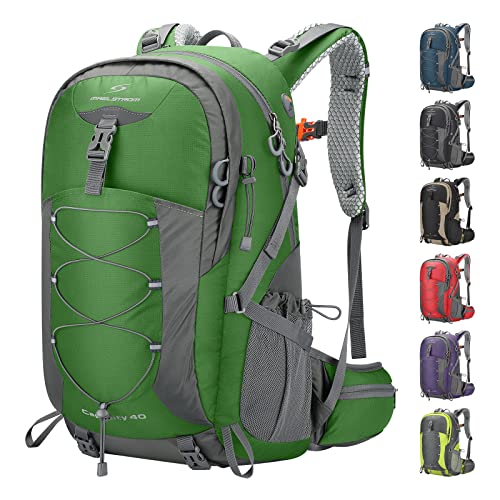
Pros
- Expansive 40-liter storage volume with dedicated wet-dry separation inside the main compartment
- Comes with an integrated rain cover stowed in a dedicated underside pocket
- Dual zippered hip-belt pockets provide quick access to trail snacks and small gear
- Lightweight 210D ripstop nylon exterior resists brush scratches and light moisture
Cons
- Hydration reservoir is not included and must be purchased separately
- Fixed torso sizing does not offer custom vertical frame adjustment for very tall or short hikers
- A 40-liter profile may feel bulkier than needed for quick, minimalist day walks
The Maelstrom 40L Hiking Backpack is a high-capacity daypack designed for hikers, weekend campers, and outdoor travelers who need generous gear volume without excessive pack weight. Positioned in the internal frame daypack category, it offers 40 liters of structured storage to bridge the gap between compact daypacks and larger multi-day packs. It best suits day hikers packing for unpredictable mountain weather, campers carrying shared family gear, and travelers seeking an airline-friendly bag that transitions easily to the trail.
On the trail, the backpack utilizes a breathable, padded back panel paired with sponge-cushioned mesh shoulder straps to support cargo weight comfortably. Measuring approximately 23.6 inches tall by 13 inches wide and 8.9 inches deep, the pack maintains a balanced vertical silhouette that helps keep weight centered. An adjustable chest buckle works to stabilize the shoulder straps across the chest and includes an integrated emergency whistle, while the padded hip belt features dual zippered pockets to keep smaller items accessible while walking.
Construction quality centers around water-resistant 210D ripstop nylon fabric designed to withstand scuffs, brush abrasions, and damp weather. To handle steady rain, the pack includes a fitted rain cover stored in a dedicated zippered compartment beneath the bag, featuring a silver reflective logo for enhanced visibility in overcast conditions. Inside the main zipper compartment, a built-in waterproof wet pocket isolates damp shells or wet apparel from the rest of your dry gear.
Packing and trail hydration are straightforward thanks to a practical layout. The main compartment features a hook-and-loop hanger to hold a hydration reservoir upright, accompanied by an upper hose exit port that directs drinking tubes to your shoulder. External storage is well appointed with three front zipper pockets, a top zippered pocket, two stretch mesh side pockets for water bottles, and dual trekking-pole fasteners that hold walking sticks securely against the side compression webbing.
While the pack delivers impressive organization, it has a few practical limitations. The hydration bladder is not included, requiring hikers to supply their own reservoir and bite valve. In addition, the fixed suspension lacks adjustable torso sizing, meaning hikers with particularly short or long torso lengths cannot modify the distance between the shoulder harness and hip belt. While the 210D nylon and included rain cover manage precipitation well, the primary zipper seams are water-resistant rather than fully submersible.
For hikers, campers, and travel enthusiasts looking for an organized, budget-friendly 40-liter pack, the Maelstrom daypack represents a very capable option. Its combination of an included rain cover, dedicated wet-gear separation, trekking-pole lashes, and multiple exterior access points delivers dependable everyday trail utility. As long as your intended load stays within typical day-hiking limits and you supply your own hydration reservoir, this pack offers great practical value.
The Maelstrom 40L backpack excels in pocket organization, featuring a spacious primary compartment complemented by three front zippered utility pockets and an upper top stash pocket. Inside the main section, a specialized waterproof wet pocket allows you to separate damp layers, rain jackets, or wet swim gear from clean clothes and food supplies.
For on-the-move trail access, the pack provides two zippered hip-belt pockets ideal for quick-grab items such as trail bars, pocket knives, or lip balm. Dual exterior mesh side pockets securely hold standard beverage bottles, while side compression straps help cinch down partial loads to keep internal contents steady.
Hydration compatibility is built directly into the interior, featuring a dedicated hook-and-loop strap to hold a hydration bladder vertically inside the main compartment alongside an upper hose exit port. Note that a hydration reservoir is not included with the backpack and must be purchased separately.
External attachment features include dual side elastic fasteners and loops designed to lash two trekking poles securely to the pack exterior when traversing smooth terrain. Safety enhancements include reflective exterior accents for improved low-light visibility and a functional survival whistle integrated directly into the sternum strap buckle.
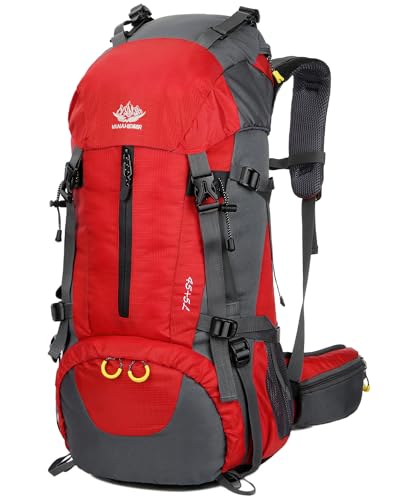
Pros
- High 50-liter capacity with distinct organizational compartments, including a dedicated sleeping bag zone
- Very manageable empty weight of 2.36 pounds for a pack of this volume
- Comes standard with a dedicated waterproof rain cover for wet-weather preparedness
- External hanging lash points offer versatile options for bulky gear attachment
Cons
- Does not feature a rigid internal frame, which can limit stability with heavy load carrying
- Manufacturer does not provide specific torso length or hip-belt sizing measurements
- Pack body fabric is water resistant rather than fully waterproof on its own
The WoneNice 50L Hiking Backpack is a versatile, high-capacity daypack and gear hauler designed for budget-conscious day hikers, weekend campers, and travelers. Designed around a 45+5 liter capacity framework, it offers substantial volume for gear-intensive outdoor pursuits, family outings, and campsite overnights where packing bulky equipment like extra layers, cooking kits, or blankets is necessary.
Weighing 2.36 pounds with exterior dimensions of 7.9 x 13.8 x 23.6 inches, the backpack maintains a low base weight for its volume class. Gear organization is straightforward thanks to a multi-compartment structure consisting of a spacious main storage area, two front zippered accessory pockets, dual mesh side water bottle pockets, and a dedicated lower sleeping bag compartment designed to keep your sleep system segregated from clean clothes and food.
The exterior shell is crafted from a blend of polyester and nylon fabric, offering scratch-resistant, tear-resistant, and water-resistant properties for trail use. Comfort features include thickened and widened S-type padded shoulder straps alongside a high-elastic, breathable back support panel that provides cushioning while encouraging airflow along the spine during warm-weather hikes.
Adjustability centers on an adjustable chest belt and waist belt that allow users to draw the pack in closer to the torso to reduce shifting on uneven terrain. For gear that exceeds internal capacity, the pack features an integrated hanging loop system for securing items like trekking poles or compact sleeping pads, and it includes a dedicated waterproof rain cover that deploys quickly over the entire pack exterior.
A practical limitation of this design is the absence of an internal frame sheet or metal stays, meaning that careful packing is essential to prevent heavy items from pushing into the back panel. In addition, because the manufacturer does not specify precise torso length ranges or waist circumference limits, fit refinement relies primarily on strap tension rather than adjustable harness sizing.
For hikers, campers, and casual trail travelers seeking an economical 50L gear pack with separate compartment organization, low base weight, and built-in rain protection, the WoneNice 50L pack offers dependable trail utility for moderate load demands.
The WoneNice backpack provides 50 liters of capacity, structured as a 45+5 configuration to accommodate both core gear and supplemental gear additions. The internal layout is divided into specialized zones to make packing and locating supplies efficient at the trailhead or campsite.
At the bottom of the bag, a dedicated sleeping bag compartment allows quick access to sleep gear without the need to unpack the main contents. The upper section provides a deep main compartment for larger items, supported by two zippered front pockets for trail accessories, navigation items, or snacks, while dual stretch mesh side pockets hold standard water bottles.
An exterior hanging loop system provides supplementary attachment points, allowing users to secure bulky camp essentials such as tents, bed rolls, or walking poles directly to the pack body.
Carrying comfort in the WoneNice 50L backpack is managed through padded, widened S-curve shoulder straps designed to sit naturally across the chest and shoulders. The padding helps reduce localized pressure when the pack is filled with daily essentials.
The rear of the pack features a high-elastic breathable back support panel designed to provide cushioning against packed contents while assisting with ventilation along the back during uphill segments.
Both the chest strap and waist belt are fully adjustable, giving hikers the ability to fine-tune strap tension to stabilize the load against the body across female and male users, although fixed torso sizing means fit will vary based on user frame size.
The primary pack body is constructed with water-resistant, wear-resistant polyester and nylon fabrics designed to withstand light moisture, trail brush, and abrasion during regular outdoor use.
Because water-resistant fabric can absorb water during steady precipitation, WoneNice includes a separate waterproof rain cover with the pack. This cover packs down compactly inside the pack and stretches over the entire exterior to protect zippers, pockets, and contents from heavy rain exposure on exposed trails.

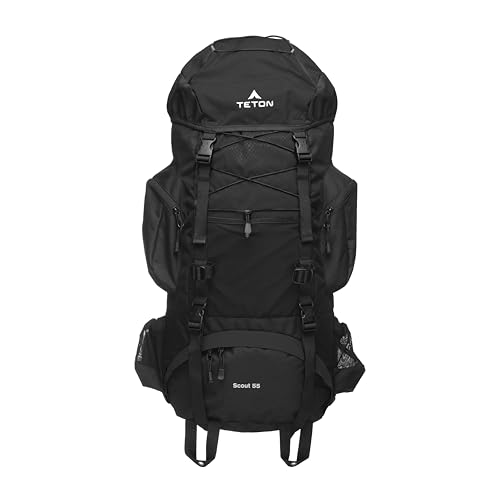
Pros
- Spacious 55L capacity organized with a separate sleeping bag compartment and multiple pockets
- Adjustable torso system allows medium and tall hikers to adjust harness positioning easily
- Includes an integrated rain cover, saving the expense and effort of sourcing a separate cover
- Internal frame and foam lumbar pad help distribute load weight effectively across the back
- Multi-directional exterior compression straps keep uneven gear loads secure and compact
Cons
- At 4.14 pounds empty weight, this pack is heavier than minimalist or ultralight trail options
- Torso adjustment is oriented toward medium and tall adventurers, which may not suit hikers with shorter torsos
- Hydration reservoir is not included and must be purchased separately to utilize the hydration pocket
The TETON Sports Scout 55L Internal Frame Backpack is an entry to intermediate backpacking pack built for hikers, campers, and travelers who require dependable load support and structured organization without premium gear costs. Equipped with a 55-liter capacity, this model suits overnight weekend trips, car-camping excursions, and gear-intensive day outings. It is engineered with a multi-position torso adjustment system designed for men and women with medium to tall builds who want a balanced, custom fit on the trail.
In terms of load management, the backpack relies on an internal frame structure that channels pack weight toward the hips and lower body. The back panel integrates an open-cell foam lumbar pad alongside molded channels designed to provide cushioning while promoting continuous airflow across the back. Measuring 16 x 30 x 10 inches and weighing 4.14 pounds empty, the Scout 55L balances durable structural components with manageable pack weight, giving recreational backpackers sufficient rigidity without the extreme heft of older external-frame models.
Organization is a distinct asset of this design, highlighted by a dedicated sleeping bag compartment at the base that allows easy access to camp sleep systems without unpacking the main hold. The pack also features spacious exterior compartments, multiple pockets for trail items, and multi-directional compression straps that pull cargo inward to keep weight centered. A designated internal hydration pocket supports hands-free hydration bladders, while an included protective rain cover stows neatly until wet conditions demand fast deployment.
Setting up the pack is straightforward thanks to the multi-position torso mechanism, which lets hikers adjust the shoulder harness height before heading out. Users should take the time to align the lumbar pad comfortably against the lower back and tighten the compression straps once packed to prevent gear shift. For ongoing maintenance, spot cleaning with mild soap, air drying thoroughly out of direct sunlight, and checking buckle points prior to departure will keep the hardware and fabric in good trail-ready condition.
A few practical limitations should be kept in mind before purchasing. The 4.14-pound empty weight puts this pack outside the ultralight category, which may deter long-distance thru-hikers focused strictly on base weight reduction. Additionally, because the multi-position torso system is built for medium and tall users, individuals with shorter torso measurements may struggle to find an optimal harness fit. Hikers should also note that while a hydration pocket is built in, a compatible reservoir and drinking tube must be purchased separately.
For weekend backpackers, trail newcomers, and outdoor enthusiasts seeking a dependable internal frame carrier, the TETON Sports Scout 55L delivers reliable utility and thoughtful compartment layout. The inclusion of a fitted rain cover, multi-directional load compression, and a dedicated sleeping bag section make it a practical, trail-ready choice for budget-conscious hikers.
The TETON Sports Scout 55L features a multi-position torso adjustment system engineered to fit medium and tall adventurers. Proper backpack fit requires setting the harness height so the lumbar pad rests securely on the lower back while the shoulder straps wrap comfortably around the chest without pinching or leaving large gaps.
Hikers should establish their harness setting at home with moderate weight loaded inside before hitting the trail. Shorter hikers should carefully evaluate their torso dimensions, as the harness geometry is tailored for medium to taller body frames and may not shorten sufficiently for smaller statures.
With a 55-liter total volume, the Scout 55L provides distinct compartments that simplify overnight trail packing. The lower sleeping bag compartment keeps bulky sleep systems isolated from damp clothing, trail snacks, and upper cargo, preventing unnecessary repacking during camp setup.
Multi-directional compression straps run across the pack body to pull heavy gear closer to the user spine, reducing sway on uneven terrain. Exterior compartments and side pockets offer organized storage for essential accessories, tools, and maps that need to be reached without opening the main internal body.
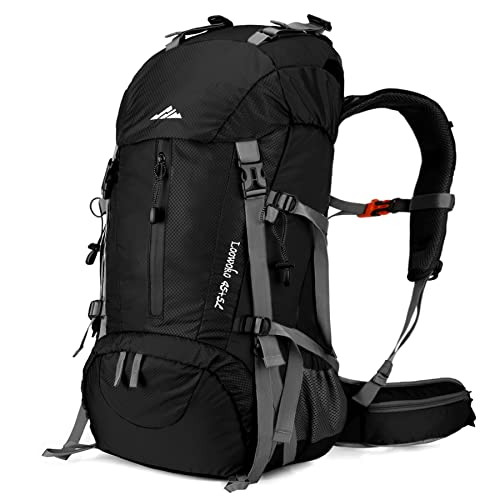
Pros
- Substantial 50-liter packing volume paired with a low baseline pack weight of around 2.1 to 2.4 pounds.
- Separate shoe compartment keeps dirty trail shoes or wet apparel isolated from main gear.
- Comes equipped with a fitted waterproof rain cover housed in a dedicated bottom pocket.
- Six external pockets and compression straps provide functional organization and exterior gear hauling.
- Cushioned S-shaped mesh shoulder straps and breathable back support promote airflow during warm hikes.
Cons
- Lacks an internal frame or rigid stays, meaning heavy cargo weight will rest primarily on the shoulders rather than transferring to the hips.
- Torso length is not adjustable, which may limit optimal fit for very tall or short torsos.
- Requires careful packing to prevent hard, angled gear from pressing through the soft back panel.
The Loowoko 50L Hiking Backpack is designed for day hikers, casual campers, weekend road trippers, and budget-minded adventurers who need high storage volume without the heavy bulk of a traditional framed pack. Built as a frameless rucksack, it strikes a balance between expansive capacity and lightweight portability. While Amazon classifies it broadly under internal frame backpacks, the manufacturer specifications confirm this pack contains no internal frame, making it a flexible, unstructured option ideal for light to moderate gear weights.
With a 50-liter volume and an empty weight between 2.1 and 2.4 pounds, this pack provides ample room for bulky items like lightweight sleeping bags, insulated jackets, and food supplies. The exterior dimensions measure approximately 23.62 by 11.81 by 2.8 inches, giving it a tall, streamlined profile. Gear management is straightforward thanks to a separate bottom shoe compartment that keeps muddy trail footwear away from clean gear, along with six external pockets that allow quick access to trail essentials. Exterior compression straps and dedicated lash points make it easy to secure bulky equipment such as trekking poles, ice axes, or compact tents.
The pack is constructed from tear-resistant, anti-scratch polyester and nylon fabrics designed to withstand regular trail abrasion. For carrying support, Loowoko uses thickened, S-shaped shoulder straps filled with sponge padding and lined with breathable mesh to help distribute upper-body pressure. The back panel features high-elastic breathable padding designed to cushion your spine while allowing air circulation. While the exterior fabric provides everyday dust and scratch resistance, weather protection is substantially elevated by the included waterproof rain cover, neatly stored in a dedicated zippered pouch at the bottom of the bag.
Packing the Loowoko 50L requires mindful distribution because it lacks rigid internal stays. Hikers will benefit from placing soft items against the back panel to maintain a smooth carrying surface, heavier items close to the spine, and footwear in the bottom compartment. The external compression straps can then be cinched down tightly to pull the load closer to the body and eliminate gear sway. Routine maintenance is simple: empty the pockets, spot clean the nylon and polyester shell with mild soap, air dry thoroughly, and store the pack flat or hung in a dry space.
A realistic limitation of this backpack is its lack of an internal frame sheet or metal stays. As load weight increases, the pack cannot transfer substantial cargo weight to the hips, meaning heavier loads will bear down directly on the shoulder harness. Additionally, the torso fit is fixed rather than micro-adjustable, meaning hikers with particularly short or long torso lengths may not achieve a tailored fit. For heavy multi-day expeditions carrying more than 30 pounds of gear, a rigid internal-frame pack remains the more supportive choice.
For day hikers, scouts, festival campers, and budget-conscious backpackers carrying moderate base loads, the Loowoko 50L offers practical value. It provides generous organizational pockets, dedicated shoe storage, an included rain cover, and low baseline weight at an accessible entry point. If you pack sensibly and keep your carried weight within moderate limits, this versatile pack serves as a reliable trail companion.
The Loowoko backpack provides a 50-liter main storage capacity, offering enough room for clothing layers, camp kitchen essentials, and lightweight sleeping gear. A distinct separate shoe separator at the base allows you to isolate dirty hiking boots, water shoes, or damp socks from your clean interior clothing.
Organization is further enhanced by six exterior pockets, giving you dedicated spaces to sort small items like headlamps, trail snacks, navigation tools, and sunscreen. Multiple compression straps and exterior tie-down loops make it easy to carry longer gear like trekking poles or sleeping pads without taking up precious internal volume.
Unlike traditional internal frame packs that use aluminum stays or composite sheets, the Loowoko 50L features a frameless build. This design choice dramatically lowers the empty pack weight to approximately 2.1 to 2.4 pounds, making the pack easy to maneuver, stow, or pack away when traveling.
Suspension relies on widened, thickened S-shaped shoulder straps lined with sponge padding and breathable mesh to soften pressure over the collarbones. A high-elastic breathable back panel provides cushioning against gear edges, though hikers should load softer gear along the back wall to maximize trail comfort.
The main shell of the Loowoko backpack is built from tear-resistant nylon and polyester fabric that resists everyday trail scratches, dust, and light moisture. However, standard fabric seams are not fully waterproof on their own during prolonged downpours.
To solve this, the pack includes a dedicated waterproof rain cover stored in a bottom zippered compartment. When skies turn dark, the rain cover quickly deploys over the exterior of the loaded pack, creating an effective barrier that protects your internal belongings from heavy rain and trail splash.
How to identify a hiking backpack that suits your trip
The most useful starting point is the load and trip you expect, not a brand name or a capacity number in isolation. A smaller pack can be easier to manage for a short outing, while an overnight or multi-day trip may require more room for shelter, food, sleep gear, and extra clothing. Capacity alone does not tell you whether the pack fits your torso, distributes weight comfortably, or gives you convenient access to essentials. Treat each specification as one piece of the decision rather than proof that a pack will work for every hiker.
Supplied product descriptions illustrate why the details need to be read individually. They include packs with different stated capacities, a steel-frame description on one option, a no-internal-frame description on another, and several forms of rain protection or organization. Some listings mention hydration compatibility or attachment points, but those features are not universal across the group. A careful choice matches the listed features to your planned use and leaves room to verify fit in person when possible.
- Write down the gear, food, water, and clothing you normally carry for the intended trip.
- Separate day-hike essentials from bulky overnight items before judging pack capacity.
- Check whether the product listing specifies a frame, torso adjustment, or load guidance.
- Look for rain protection details and confirm whether a cover is included or sold separately.
- Check pocket placement and attachment points against the items you need to reach on trail.
- Confirm that hydration features and accessory attachments match the equipment you already own.
Match pack capacity to trip length and gear volume
Capacity is a volume measure, not a direct promise about trip duration. Two hikers taking the same route can need different space because their shelter, sleep system, clothing, food, and packing habits differ. A person carrying compact equipment may fit a trip’s supplies into a smaller pack, while bulky layers or shared group gear can fill more space. Think of the stated liters as a way to compare available volume, then check that the actual layout accommodates your equipment.
The product data describes one 35-liter option as intended for short hikes and weekend camping, and other listings provide larger stated capacities. Those descriptions can help frame the intended use, but they do not replace an inventory of your own gear. If you already own a sleeping bag, shelter, or cooking equipment, lay those items out and consider how they pack together. A pack that is too small can force awkward external loading, while excess unused volume can make it harder to keep a modest load compact.
External attachment points and compression straps can help manage equipment that does not fit inside, but the listing should identify the features rather than leave them to assumption. Carrying bulky gear outside can also change how the load sits and how accessible it is. Keep heavy or fragile essentials secure and follow the pack manufacturer’s guidance for attachment and loading. Avoid assuming that a pack can safely carry a particular item simply because webbing or loops are visible.
Assess torso fit, adjustment, and load support
Fit is personal, so capacity and gender labels alone cannot establish whether a pack will sit comfortably. Look for stated torso adjustment ranges, if available, and compare them with your measured torso length using reliable fitting guidance. The supplied descriptions include an adjustable torso feature on one model, but most listings do not give a complete sizing range. That missing information is a reason to verify dimensions with the seller or manufacturer rather than guess.
Shoulder straps, a hip belt, a sternum strap, and frame or back-panel support affect how a loaded pack contacts the body. A hip belt should sit securely in the position intended by the manufacturer, and shoulder straps should not create obvious pressure points during a fit check. Adjustment features can help customize the carry, but they cannot compensate for every mismatch in torso length or body shape. If a pack shifts, pinches, or leaves the load hanging away from your back, reassess the sizing and adjustment before taking it onto a demanding route.
Descriptions such as padded, breathable, or ergonomic are manufacturer language, not a measured guarantee of comfort or ventilation. A frame can provide structure, but the supplied data does not establish that every frame design suits every load or hiker. Check what the listing actually says about frame type, adjustment, padding, and belts. A useful overview of pack qualities is available in this explanation of hiking backpack features, which can help you identify the details worth checking.
Check organization and access before packing
Pocket count matters less than whether pockets serve a purpose in your routine. A top pocket may suit small essentials, side pockets may hold bottles, and a separate compartment can isolate footwear or wet clothing when the design includes one. A large main compartment is useful for bulky items but may make small gear harder to find if the pack has little internal organization. Inspect the listing’s compartment descriptions and consider where you want snacks, navigation tools, rain layers, and first-aid supplies to sit.
Access also affects how often you need to unpack. A pack with front pockets or a separate lower compartment may make certain items easier to retrieve, but listing details do not show the exact reach or usability for every person. Side bottle pockets can be convenient, yet the position and stretch of a pocket determine whether a hiker can reach it while wearing the pack. If easy access matters, confirm the layout and assess it with the pack loaded rather than relying on a photograph alone.
External loops and straps can carry items such as trekking poles only when the product description lists suitable attachment features and the item is secured as directed. The supplied data mentions pole attachment points on some options, but that does not establish compatibility with every pole or accessory. Check the attachment method, placement, and manufacturer guidance before relying on it. Keep loose straps controlled so they do not catch on branches or interfere with movement.
Evaluate rain protection and hydration details
Rain-cover inclusion and water-resistant fabric are separate details. A listing may describe fabric as water resistant and also include a rain cover, but those statements should not be read as a promise that the entire pack is waterproof in every condition. Check whether the cover is included, where it is stored, and whether the manufacturer provides limits or care instructions. For wet-weather trips, pack sensitive items in appropriate protective bags rather than relying on a general fabric description.
Hydration compatibility can mean a reservoir sleeve, a hose outlet, or a feature that holds a water bag in place. Those features vary, and a hose opening by itself does not establish that a particular reservoir will fit. Confirm reservoir dimensions and attachment arrangements with the product information before buying. If you prefer bottles, inspect pocket size and placement instead of assuming a hydration sleeve is essential.
Weather protection also depends on how the pack is loaded and closed. A cover can be useful when it fits securely, but it may not protect exposed equipment attached outside the pack. Follow the product’s directions for installing and storing the cover, and avoid modifying the pack to make an accessory fit. For route planning, consider forecast conditions and the consequences of wet clothing or sleep gear, especially on trips where you cannot easily return to shelter.
Use a practical fit and feature check before deciding
A structured check makes it easier to compare specifications without treating marketing language as proof. Use the following points to focus on concrete details and unresolved questions. If a listing omits a measurement that matters to you, seek confirmation rather than inferring it from a photo or product name.
- Compare the stated capacity with the volume of your packed gear, not only the trip label.
- Confirm torso sizing and adjustment details, especially when the listing provides no range.
- Check whether a hip belt and frame are present and described for the intended load.
- Verify rain-cover inclusion and distinguish it from claims about fabric water resistance.
- Match reservoir sleeves, hose ports, bottle pockets, or attachment points to your equipment.
- Inspect return terms and fit-check options in case the loaded pack does not sit correctly.
When possible, try the pack with a representative load rather than judging an empty bag. Keep the load within any manufacturer guidance, adjust straps as directed, and walk on level ground to notice pressure, shifting, or access problems. This is a personal fit check, not a substitute for the manufacturer’s limits or safety instructions. A pack that feels acceptable empty may sit differently once filled with water, food, and bulky equipment.
Use the same test items when comparing alternatives so differences in fit and layout are easier to notice. Pay attention to whether the hip belt stays positioned, whether the shoulder straps lie smoothly, and whether frequently used pockets are reachable. These observations cannot predict comfort over a full trip, but they can reveal an obvious sizing or access concern before departure. Stop adjusting if a buckle or strap appears damaged, and contact the manufacturer or seller for replacement guidance.
Interpret listed materials, weight, and support cautiously
Material names and denier figures can help distinguish what a listing claims, but they do not independently establish real-world durability. The product information supplied here identifies some fabric types and describes properties such as tear resistance or water resistance. Those are product-description claims, not the results of independent durability testing. Compare the exact material details that are provided, and do not assume that a similar capacity means two packs use the same construction.
Pack weight is worth considering because it contributes to the load you carry, but it is only one part of the decision. A lighter pack may have different support or organization than a heavier one, and the supplied information does not provide a common test basis for comparing every feature. Review weight alongside frame details, capacity, padding, and the equipment you need. Avoid trimming or altering straps and structural components to reduce weight, since modifications can affect safe use.
Manufacturer warranty and support information can also matter, but only rely on terms stated in the current product documentation. A listing’s broad durability wording is not a substitute for a written warranty or clear care instructions. Check what is covered, how replacement parts are handled, and whether the product description names compatible accessories. If a buckle, strap, or frame component fails, stop using the pack for a loaded hike until the manufacturer provides appropriate repair or replacement guidance.
Choose based on the tradeoffs your route creates
A day hike with a small essentials load tends to reward manageable volume and accessible storage, while an overnight trip places more emphasis on space and support. A multi-day outing can add food, clothing, and sleep equipment, making both capacity and load management more consequential. These are planning distinctions, not fixed rules: weather, group responsibilities, and the bulk of your gear can change what you need. The best decision is the one that accounts for your actual packing list and the route’s conditions.
Consider how you carry water and how often you need to reach it. A reservoir-compatible design may suit someone who prefers a hose, while bottle pockets may better fit another hiker’s routine. Likewise, a separate shoe compartment is useful only if that separation solves a real packing problem. Avoid paying attention to features merely because they sound useful; check whether they align with gear you own and habits you intend to keep.
Travel requirements are another separate question from trail suitability. Some product descriptions mention airline sizing, but an individual airline’s rules and the pack’s loaded dimensions determine whether it can be carried on or checked. Verify current carrier requirements directly before traveling, and protect loose straps and hardware as the airline directs. Do not treat a general product claim as approval from every airline.
Prepare and maintain the pack without altering safety features
Before a trip, inspect seams, zippers, buckles, webbing, and attachment points for visible damage. Confirm that straps adjust and fasten as intended, and that any included rain cover or hydration component is present and compatible. Follow the manufacturer’s care directions for cleaning and drying, since fabric coatings and materials can require different handling. Do not use an accessory or replacement buckle unless its compatibility is confirmed.
Pack heavier items according to the manufacturer’s guidance and secure the load so it does not shift unpredictably. Keep commonly needed items accessible without placing sharp or bulky objects where they can press into your back. Use protective handling when working with buckles, frames, or repair components, and do not bypass a strap lock or alter load-bearing parts. If you cannot confirm that a repair is suitable, ask the manufacturer rather than improvising a trail-side fix.
On a route with changing weather or uneven terrain, keep the pack secured and its load controlled. Avoid attaching gear in a way that blocks movement, catches vegetation, or interferes with the pack’s intended operation. Follow trail safety guidance and use appropriate care when crossing slopes or handling equipment. A well-planned load helps, but no pack feature removes the need to adapt your route and pace to conditions.
In short, identify your trip load, verify capacity and fit details, and choose features that match your equipment and access preferences. Treat unspecified sizing or compatibility as a question to resolve with the manufacturer, not a safe assumption. That gives you a practical basis for deciding which listed pack deserves a closer fit check.


Write Your Review
No reviews yet. Be the first to share your experience!