


Shoulder pressure and a poorly balanced load can turn a long trail day into a slog, so choosing gear that suits your route matters. This roundup for Thru Hiking & Backpacking covers three items with different roles: a beginner’s hiking guide, a foldable sleeping pad, and adjustable trekking poles. They aren’t interchangeable, and none is a hiking backpack, so think of them as supporting gear rather than complete pack solutions. The listed details help clarify what each item offers, from the pad’s stated size and weight to the poles’ adjustment range. For a broader look at carrying needs, see this guide to hiking backpack features.
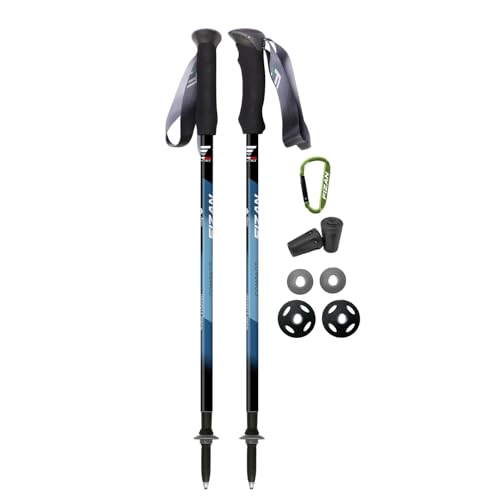
How to Suffer Outside: A Beginner’s Guide may suit someone building basic trail knowledge, while the THINTON foam pad is aimed at hikers who want a foldable sleep surface for camp. Fizan’s Compact 3 poles are the most directly trail-focused accessory, with adjustable length, EVA grips, and included baskets and tip covers. Consider your route, overnight plans, and existing equipment before buying; the right add-on depends on what your kit lacks. Product descriptions provide useful details, but they don’t establish how any item will fit your body or perform on your particular route. If pack weight is a concern, this practical backpack weight guide can help frame your choices.

Pros
- Approachable, beginner-friendly advice on hiking essentials and pack preparation
- Clear, humor-infused perspective that demystifies outdoor discomfort and trail challenges
- Convenient 6 x 0.5 x 8.5-inch paperback format is easy to store and reference at home
- Reputable publication from Mountaineers Books, a trusted outdoor recreation publisher
Cons
- Designed primarily for novices and may offer limited technical depth for advanced backpackers
- At an indicated weight of roughly 2.31 pounds, it is intended for home or base camp reading rather than carrying on trail
- Reading about wilderness safety and skills does not replace practical hands-on experience or navigation training
Mountaineers Books' How to Suffer Outside: A Beginner's Guide to Hiking and Backpacking is an instructional outdoor preparation book written specifically for novice day hikers, car campers wanting to try the backcountry, and first-time backpackers. Rather than presenting outdoor recreation as an intimidating pursuit reserved for elite athletes, this guide takes an honest, approachable stance on the realities of hiking. It helps new adventurers understand what gear they genuinely need, how to plan trips, and how to deal with the minor discomforts that accompany time on the trail.
In terms of practical utility, the guide focuses on pre-trip education, gear selection, and trail readiness. The product specifications list dimensions of 6 x 0.5 x 8.5 inches with a weight of approximately 2.31 pounds in a standard paperback format. Because proper backpack loading and weight management begin long before arriving at the trailhead, reading through foundational concepts like gear organization, layer systems, and hydration strategies allows beginners to make better gear choices and pack more efficiently.
The build of the book follows traditional trade paperback construction, offering a flexible cover and bound pages designed for frequent flipping and note-taking. Mountaineers Books has a long track record of producing durable outdoor literature, and this volume is well suited for resting on a coffee table, slipping into a trip-planning tote, or keeping in a vehicle glove box during road trips to state or national parks.
Using this guide effectively is simple: treat it as a foundational study tool before purchasing expensive backpacks, shelters, or sleep systems. Beginners can review key topics at their own pace, cross-reference advice with their local trail conditions, and practice packing their daypacks or backpacking packs at home. The layout makes it easy to browse specific sections on common trail pitfalls, personal care, and mindset adjustments before departing for a weekend trip.
As with any instructional book, there are realistic boundaries to keep in mind. This is a foundational guide focused on basic hiking and backpacking principles, meaning seasoned thru-hikers or technical mountaineers will likely find the content familiar. Additionally, carrying a two-pound paperback on a weight-conscious overnight hike is impractical for most backpackers, so the volume is best utilized as a pre-hike reference rather than an on-trail handbook. It also should not be used as a substitute for certified wilderness first-aid training or regional topographical maps.
For anyone who feels overwhelmed by complicated gear guides and wants a relatable, candid introduction to hiking and backpacking, How to Suffer Outside is a smart purchase. It offers dependable outdoor instruction from a respected outdoor publisher, making it a great starting point for beginners looking to build trail confidence and enjoy the outdoors without unnecessary stress.
Day hikers often face difficulty determining what essentials belong in a standard daypack without overloading their shoulders. This guide addresses foundational gear principles that help hikers assemble a sensible kit for half-day or full-day outings, including basic navigation, weather-appropriate clothing layers, and proper hydration planning.
By reading through the author's practical advice before purchasing gear, day hikers can avoid the common mistake of buying overly complex equipment for simple weekend trails. The book serves as a reassuring primer that teaches trail newcomers how to handle minor weather shifts, sore feet, and trail pacing with confidence.
Stepping up from day hikes to overnight backpacking trips is where many beginners encounter the steepest learning curve. This guide breaks down the transition into manageable steps, outlining how to evaluate pack loads, prioritize campsite comfort, and understand why certain discomforts are completely normal during multi-day trips.
The instruction helps aspiring weekend backpackers understand how their gear choices affect their overall experience on the trail. By learning the basics of camp setup, food planning, and personal care beforehand, new backpackers can focus on enjoying the wilderness rather than worrying about unexpected logistical hurdles.

Questions to Consider Before Buying
Are these products hiking backpacks?
No, this selection includes a hiking guide, a foam sleeping pad, and trekking poles. They can complement a hiking backpack on day hikes or overnight trips, but none provides pack capacity, shoulder straps, or a hip belt.
Is the THINTON pad sized for overnight use?
The listed open size is 72.8 by 23.6 inches, and its stated weight is 396 grams. It folds for transport, but the supplied details don’t establish personal comfort or suitability for every sleeping setup.
Does the foam pad include insulation details?
Yes, its product information lists an insulation rating of 2.1 and an aluminum film backing. Check the listing for current details, and remember a sleeping pad is separate from a pack liner or rain cover.
Can the Fizan Compact 3 poles be adjusted?
Yes, the listed adjustment range is 22.8 to 52 inches, and the poles weigh 5.6 ounces each. Their EVA grips, baskets, and tip covers are specified; verify pole compatibility with your other backpack accessories.
What should beginners consider before choosing these items?
Match each item to a practical need: trail knowledge, a foldable sleeping mat, or adjustable trekking poles. The guide may help beginners, while route plans and existing gear determine whether the pad or poles add useful value.



Write Your Review
No reviews yet. Be the first to share your experience!