


Commuters and campus walkers frequently encounter sudden downpours while hauling expensive laptops, notebooks, and mobile chargers across town. Understanding whether are north face backpacks water resistant helps buyers decide if their daily gear will stay dry or if an unexpected storm requires extra weather protection. While specialized budget day-hiking backpacks often require dedicated rain covers, everyday lifestyle bags rely on surface finishes and durable woven fabrics to manage wet conditions. Evaluating how these packs behave during wet walks is essential for anyone carrying high-value tech through city streets.
Most urban daypacks from major outdoor labels are built with recycled nylon or polyester fabrics treated with a protective durable water repellent coating. This surface treatment allows light rain and street splash to bead up and roll away before moisture reaches internal organizer pockets. Daily transit friction, prolonged exposure, and wear can eventually challenge even well-engineered exterior shells. Exploring the boundaries of water resistance ensures your electronics remain safe without relying on false assumptions about total waterproofing.

Pros
- Substantial 30-liter volume provides flexible packing space for day hikes, campus use, and travel.
- American Chiropractic Association-certified FlexVent suspension delivers supportive back cushioning and contoured shoulder straps.
- Recycled nylon ripstop fabric with a non-PFC DWR coating offers practical weather resistance against light drizzle.
- Thoughtful pocket layout includes dedicated laptop protection, dual bottle sleeves, and an external stretch mesh pouch.
Cons
- One-size frame lacks adjustable torso sizing for fine-tuned personal torso fitting.
- At 2 pounds 9 ounces, it carries more baseline pack weight than stripped-down ultralight daypacks.
- Water-repellent fabric coating is not fully waterproof and requires an additional rain cover during heavy downpours.
The North Face Recon Everyday Laptop Backpack is a multi-purpose 30-liter daypack tailored for hikers, students, and commuters who need a single bag that transitions smoothly from daily travel to trailheads. Measuring 11.6 by 7.5 by 19.3 inches with an average weight of 2 pounds 9 ounces, it bridges the space between a tech-focused commuter bag and an active day hiking pack. This makes it an attractive choice for day hikers, travelers, and outdoor enthusiasts seeking reliable organization without investing in separate bags for work and recreation.
Carrying a 30-liter capacity allows sufficient interior volume to pack extra apparel, lunch, trail safety equipment, and personal essentials for full-day outings. The pack is built around The North Face's FlexVent suspension system, which incorporates articulated shoulder straps, a rounded back panel, soft chemise fabric, and targeted stitch lines. Certified by the American Chiropractic Association, this suspension framework is designed to distribute weight comfortably across the shoulders and back during campus walks or moderate nature trails.
Material construction centers on a resilient recycled nylon ripstop fabric finished with a non-PFC Durable Water Repellent (DWR) treatment. This coating allows the pack to repel light rain, road spray, and damp trail moisture without soaking through immediately. For external utility, the Recon features daisy-chain attachment loops for clipping accessory gear, twin mesh side pockets designed for water bottles, and a prominent front mesh stash pouch that makes it easy to stow or grab a lightweight windbreaker.
Interior organization stands out as one of the pack's primary design strengths. A dedicated laptop sleeve measuring 18.9 by 11 inches provides elevated protection for computers up to 16 inches, isolating hardware from bottom impacts. In addition, an easily accessible exterior pocket lined with soft fleece guards sunglasses, phones, and small items against abrasion. Routine care is straightforward, requiring gentle spot cleaning with mild soap and ambient air drying to keep the ripstop weave and surface treatment in good condition.
While the Recon is an exceptionally versatile hybrid pack, it has realistic boundaries compared to specialized alpine packs. Because it uses a fixed one-size harness, it does not provide an adjustable torso ladder or a padded load-bearing hip belt for handling heavy backpacking loads. Furthermore, while the non-PFC DWR coating sheds light moisture, the pack lacks taped seams and is not completely waterproof, meaning sensitive electronics will need waterproof dry bags or an external pack cover in sustained rainfall.
For day hikers, commuters, and travelers who want a reliable daypack that pairs protective tech storage with legitimate trail functionality, The North Face Recon offers excellent overall value. Its durable ripstop build, chiropractor-certified suspension support, and intuitive exterior pockets provide everyday comfort across varied terrain. If your schedule demands a seamless blend of workday utility and weekend trail adventures, this classic pack remains a dependable choice.
The North Face Recon features a total volume of 30 liters distributed across dedicated compartments and quick-access exterior storage. Its large main compartment handles bulkier trail gear such as fleece layers, rain jackets, lunches, and small gear pouches. Inside, a dedicated laptop compartment measuring 18.9 by 11 inches holds up to a 16-inch laptop to keep work devices isolated and secure.
Exterior organization includes a spacious front mesh pocket suitable for damp layers or quick-grab items, along with daisy-chain webbing for clipping small carabiners. A top external fleece-lined pocket protects sensitive items like sunglasses and smartphones from scratches, while dual stretch-mesh side pockets keep hydration bottles securely in place while on the move.
The Recon utilizes the updated FlexVent suspension system, which has been officially certified by the American Chiropractic Association for ergonomic design. The harness incorporates custom-molded articulated shoulder straps and a rounded back panel lined with soft-touch chemise fabric to deliver smooth, contoured contact against the body.
Padded stitch lines help maintain back-panel structure under load, preventing hard gear items from poking through. Because the pack is built in a fixed one-size configuration, torso length is non-adjustable, making it best suited for adult users whose upper body dimensions align comfortably with standard daypack sizing.
Constructed from recycled nylon ripstop fabric, the Recon offers dependable resistance to everyday scuffs, light trail brush, and general abrasion. The exterior surface is treated with a non-PFC Durable Water Repellent (DWR) finish that encourages water to bead up and roll away in light mist or drizzle.
The pack is weather-resistant rather than fully waterproof, meaning prolonged exposure to heavy downpours can eventually saturate the fabric and seams. To preserve the water-repellent coating, users should clean the pack using cold water and mild soap, avoiding harsh machine washing or machine drying.
Pros
- Generous 28-liter capacity easily transitions between casual day hikes and daily commuting
- FlexVent suspension includes articulated straps, a sternum strap with whistle, and a removable waist belt for steady positioning
- Versatile external bungee webbing provides instant exterior storage without opening main zippers
- Extensive internal organization with dedicated tablet sleeve, laptop compartment, and zippered accessory slots
- Twin multi-use side pockets accommodate water bottles or extra gear for quick access
Cons
- At an average weight of 2 pounds 5 ounces, it is heavier than specialized minimalist or ultralight daypacks
- Removable waist belt is unpadded webbing, which offers load stability rather than heavy load transfer
- One Size fit does not feature an adjustable torso length mechanism for custom torso sizing
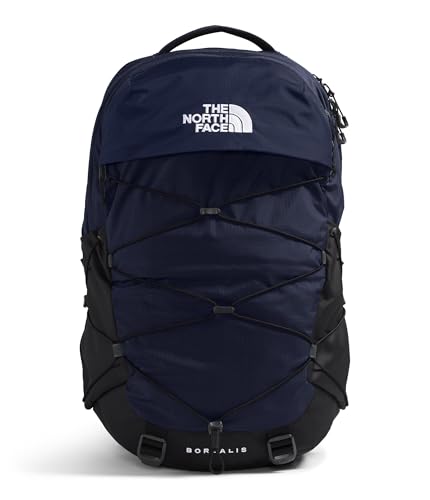
The North Face Borealis is a 28-liter hybrid daypack engineered to bridge the gap between daily commuting and casual trail outings. With its certified ergonomic harness and multi-compartment layout, this pack caters to day hikers, college students, and travelers who want a single bag for campus, work, and weekend state-park trails. Carrying dimensions of 12 by 6.5 by 19.5 inches make it manageable for transit while retaining enough internal volume for extra layers, snacks, and personal gear.
On short hikes and frontcountry trails, the 28-liter capacity supplies adequate room for standard day-use items. The pack registers an average weight of 2 pounds 5 ounces, placing it in a sturdy category compared to bare-bones ultralight packs. Load management relies on the FlexVent suspension system, which is certified by the American Chiropractic Association and pairs articulated shoulder straps with a rounded back panel lined with soft chemise fabric. Two external side pockets offer dedicated spaces to store water bottles or small gear items, while an elastic front bungee system secures outer layers without occupying main-compartment room.
Structural details emphasize organized utility and active stability. A sternum strap helps keep the articulated shoulder straps centered across the chest, and the buckle incorporates an integrated safety whistle for emergencies. For stability on uneven trail paths, the pack includes a removable waist belt that prevents unwanted sway. In addition to a padded 13.75-inch by 11.25-inch laptop sleeve, the pack includes an extra padded tablet sleeve within the front compartment, a fleece-lined quick-access pocket for sunglasses or electronics, and 360-degree reflective accents for low-light visibility.
Adjusting the pack is straightforward thanks to sliding tensioners on the harness, an adjustable sternum strap, and the detachable waist webbing. Packing remains practical through multiple distinct zones, allowing users to keep electronics against the back panel and bulky clothing in the primary cavity. External bungee cord compression helps streamline empty pack space when carrying partial loads. Routine care is simple, requiring standard spot cleaning and thorough air drying away from direct heat to preserve the fabric coatings and back-panel padding.
Despite its versatility, the Borealis has specific boundary lines for dedicated backcountry use. Built as a One Size pack, it lacks an adjustable torso ladder, meaning fit depends on how the fixed back panel sits against your torso length. The waist belt consists of non-padded webbing, which aids pack stabilization rather than transferring significant pack weight to the hips. Additionally, the pack does not include an integrated rain cover, and technical mountain attachments such as trekking pole loops or hydration bladder hangers are not listed among its standard commuter-focused specifications.
For outdoor recreationists seeking a dependable crossover pack, The North Face Borealis represents a well-organized solution. It provides certified carrying comfort, practical bungee expansion, and rugged daily utility for day hikers who frequently alternate between city streets and outdoor trails. Backpackers needing specialized frame stays, heavy-load hip belts, or dedicated ultralight construction should look toward technical trail packs, but everyday users will appreciate the Borealis for its balance of organization and day-hike capability.
The North Face Borealis relies on the brand's FlexVent suspension system, which holds certification from the American Chiropractic Association. The harness incorporates articulated shoulder straps, soft chemise fabric, and a contoured, rounded back panel engineered for balanced upper-body contact during all-day wear.
Fit adjustment on this One Size pack is managed through standard shoulder-strap pull tabs, an adjustable sternum strap with an integrated whistle buckle, and a removable waist belt. Because the waist belt is made of lightweight webbing rather than padded foam wings, it is intended to stabilize pack movement against the torso rather than support heavy backcountry loads.
With 28 liters of total volume, the Borealis features distinct functional compartments to keep gear separated. Inside the main cavity sits a padded laptop sleeve measuring 13.75 inches by 11.25 inches, while the secondary front compartment houses an additional padded tablet sleeve and interior zippered organizer pockets.
Exterior storage includes an upper fleece-lined pocket designed to safeguard fragile items like sunglasses or small electronics from scratches. Dual side stretch pockets hold water bottles or loose trail essentials, and the exterior bungee cord system provides quick compression as well as external lash points for bulky layers.
Pros
- High 40-liter volume handles bulky gear, extra clothing, and travel necessities with ease
- American Chiropractic Association certified FlexVent suspension provides supportive back padding and ergonomic straps
- Accommodates larger tech devices with a dedicated 17-inch laptop compartment and padded tablet sleeve
- Includes practical trail and travel features such as side bottle pockets, a sternum whistle buckle, and 360-degree reflectivity
Cons
- Listed average weight of 2 lbs 15 oz is heavier than specialized ultralight hiking daypacks
- Non-padded webbing waist belt helps with pack sway but does not provide heavy load-bearing hip transfer
- Water-repellent finish protects against light moisture but the pack is not seam-sealed or fully waterproof
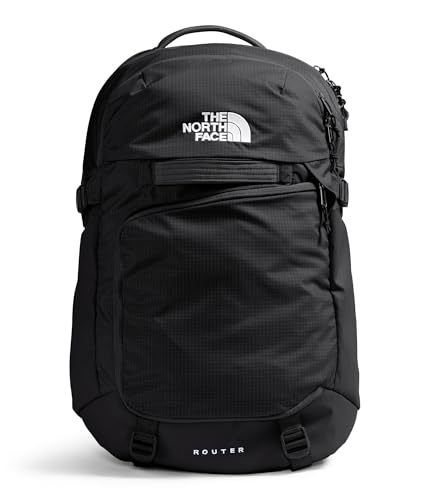
The North Face Router is a high-capacity 40-liter lifestyle daypack engineered for commuters, weekend travelers, and casual day hikers who require versatile storage and structured organization. Built with exterior dimensions of 12.5 by 9 by 21 inches and an average weight of 2 pounds 15 ounces, this pack comfortably bridges the gap between daily campus or office duty and outdoor excursions. It is designed for adults and teens, with the manufacturer specifying that it is not intended for children age 12 and under.
For outdoor and trail-adjacent use, the 40-liter volume provides generous room for extra insulating layers, packed meals, and day-hiking supplies. While it is classified as a lifestyle daypack rather than a technical mountain pack, it incorporates functional trail elements including exterior water bottle pockets to keep hydration within easy reach. The sternum strap assists with load stability and includes an integrated whistle buckle for safety, while the removable waist belt helps steady the bag against body sway during active movement.
Comfort and structural support rely on the updated FlexVent suspension system, which holds an official endorsement from the American Chiropractic Association. The harness design incorporates articulated shoulder straps, tailored stitch lines, a rounded back panel, and soft-touch chemise fabric designed to contour naturally to the upper body. The outer shell is treated with a non-PFC durable water-repellent finish, offering surface protection against light rain showers and road spray without using persistent chemical treatments.
Organization is a defining asset of the Router, offering segmented spaces for electronics, documents, and bulky items. A dedicated rear laptop compartment features a 14.75 by 12-inch sleeve capable of holding laptops up to 17 inches. The front compartment includes organized secure-zip pockets and a padded tablet sleeve, while an external fleece-lined stash pocket shields sensitive items like sunglasses from scratches. The large primary compartment provides unrestricted space for packing jackets, trail shoes, or travel cubes.
Potential buyers should keep practical design limitations in mind before heading into backcountry terrain. The one-size harness does not offer an adjustable torso length, and the removable waist belt is constructed from unpadded webbing, meaning it will not transfer heavy pack weight onto the hips like an internal-frame backpacking harness. Additionally, while the exterior finish repels light precipitation, the seams are not waterproofed and an integrated rain cover is not included for sustained rainstorms.
Overall, The North Face Router is a compelling choice for travelers, road-trippers, and daily hikers who want a robust, well-organized 40-liter pack that transitions seamlessly between the office and the trailhead. Users prioritizing chiropractor-backed suspension, dedicated tech safety, and extensive pocketing will find it provides dependable utility for everyday carry and casual outdoor excursions.
The North Face Router utilizes an updated FlexVent suspension system certified by the American Chiropractic Association. It combines articulated shoulder straps with a rounded back panel, strategic stitch lines, and soft-touch chemise fabric to encourage balanced weight distribution across the shoulders and upper back.
Supplied in a single standard size, the pack relies on adjustable shoulder webbing and a sliding sternum strap to fine-tune upper-body positioning. The removable webbing waist belt offers additional stabilization during active movement, though it is not designed to transfer load weight to the pelvis like a padded trekking hip belt.
Offering a generous 40-liter volume, the Router provides abundant storage for multi-purpose use. The interior layout separates bulky gear from sensitive electronics through a deep main compartment and a front organizational compartment featuring a padded tablet sleeve and internal secure-zip pockets.
Dedicated tech storage includes a 14.75 by 12-inch laptop sleeve designed to accommodate computers up to 17 inches. On the exterior, durable side pockets hold standard water bottles, while a fleece-lined top pocket keeps delicate items like sunglasses and phones safe from abrasion.

Pros
- FlexVent suspension combines injection-molded straps with a padded mesh back panel for supportive carry
- Dual exterior stretch pockets accommodate standard 1-liter water bottles
- Self-standing base keeps the pack upright when setting it down at trailheads or desks
- Practical 27-liter capacity with dedicated padded compartments for both a laptop and a tablet
Cons
- Lacks a padded hip belt, which limits load transfer on longer, heavier trail outings
- Designed primarily as a commuter daypack without specialized trail features like trekking-pole attachments or a hydration bladder port
- Fixed one-size harness cannot be adjusted for specific torso lengths
The North Face Vault is a versatile 27-liter everyday backpack designed to bridge daily commuting, campus travel, and casual frontcountry day hiking. Built with a self-standing base and a streamlined profile, this pack caters to users who need a dependable bag for weekday work or school that can comfortably transition to weekend nature walks, park trails, and travel. Its 1-pound 11-ounce average weight keeps it manageable for all-day carry without adding unnecessary bulk.
On light day outings, the 27-liter capacity offers plenty of room for an extra insulating layer, a packable windbreaker, trail snacks, and emergency gear. Load management relies on the proprietary FlexVent suspension system, which holds an endorsement from the American Chiropractic Association. The suspension incorporates flexible injection-molded shoulder straps, a padded mesh back panel, and a breathable lumbar panel intended to encourage ventilation. An adjustable sternum strap helps stabilize the straps across the chest when walking at a steady pace.
Construction details emphasize daily durability and basic weather defense, featuring a protective water-repellent finish that helps resist light moisture and mist. For hydration, the pack includes two exterior side pockets sized to fit most 1-liter water bottles, ensuring fluids remain readily accessible without needing to open the main body. Inside, a padded 11.5 by 11-inch laptop sleeve and an 11.8 by 6.3-inch tablet sleeve shield electronics, while the front organizer compartment uses zippered pockets and a key hook to prevent smaller items from shifting.
Everyday handling is made easier by the self-standing base design, which allows the pack to stay upright when set on a trailhead bench, picnic table, or floor. Top webbing grab handles provide a quick lifting point when moving in and out of vehicles. To keep the pack in good condition, surface spot cleaning with mild soap and cold water is recommended, followed by air drying away from direct heat sources to preserve the water-repellent finish and foam padding.
While capable for light trails and travel, the Vault has clear boundaries when compared to dedicated technical hiking packs. It does not feature a hip belt, meaning all carried weight rests entirely on the shoulders and upper back. Additionally, the specifications do not indicate an internal hydration bladder port or external trekking pole attachments, and the fixed one-size harness offers no torso-length adjustment for hikers with particularly short or tall back measurements.
For hikers and commuters seeking an affordable, multi-purpose 27-liter daypack from a reputable brand, The North Face Vault delivers solid everyday utility, proven ergonomic straps, and generous bottle storage. It is best suited for casual day hikers, students, and travelers who prioritize simple organization and comfort over technical mountain features.
The North Face Vault features the FlexVent suspension system, endorsed by the American Chiropractic Association. This setup includes a flexible yoke built with custom injection-molded shoulder straps, a padded mesh back panel, and a breathable lumbar panel designed to support airflow along the spine.
Because the pack comes in a single one-size fit without an adjustable torso frame, fit relies primarily on tightening the shoulder straps and fastening the integrated sternum strap to keep the load centered against the upper back. The pack does not include a hip belt, so users should keep pack weight moderate to avoid excessive shoulder fatigue.
With a total volume of 27 liters and dimensions measuring 11 by 8.5 by 18 inches, the Vault accommodates daily work essentials, extra layers, and trail nutrition. The main compartment contains a dedicated padded laptop sleeve measuring 11.5 by 11 inches, alongside a separate tablet pocket measuring 11.8 by 6.3 inches.
For smaller gear, the front compartment provides organized storage with dedicated zippered pockets and an integrated key clip. On the outside, two dedicated bottle pockets easily fit standard 1-liter water bottles for quick, on-the-move hydration.


Pros
- Ergonomic FlexVent suspension certified by the American Chiropractic Association for back and shoulder comfort.
- Versatile 28-liter volume with internal electronics sleeves and an external bungee compression system.
- Removable webbing waist belt allows users to switch easily between casual use and trail stability.
- Sternum strap includes an integrated emergency whistle buckle for added safety on the trail.
Cons
- Webbing waist belt provides lateral stability but lacks padded load-bearing hip fins.
- No integrated rain cover is included for wet-weather downpours.
- At an average weight of 2 pounds 5 ounces, it is heavier than minimalist, frameless daypacks.
The North Face Borealis is a 28-liter crossover daypack designed to bridge the gap between daily routines and outdoor day hiking. With its structured body, multiple compartments, and rugged hardware, it is tailored for hikers who want a single, reliable backpack for weekend trails, campus paths, and travel carry-on needs. Sized as a One Size fit with dimensions of 12 by 6.5 by 19.5 inches, this pack suits adult day hikers and commuters seeking organized gear capacity without stepping into bulky multi-day trekking packs.
On the trail, the Borealis manages gear through distinct storage zones. The 28-liter volume provides ample room for extra clothing layers, emergency essentials, food, and personal supplies. Its exterior front bungee cord system functions both as an active compression system to draw pack volume closer to your body and as a quick-stash location for a fleece or windbreaker. Two external side pockets easily handle standard water bottles, keeping hydration accessible without forcing you to dig inside the main compartment.
Harness comfort relies on The North Face FlexVent suspension system, certified by the American Chiropractic Association. The design incorporates articulated shoulder straps, a rounded back panel with engineered stitch lines, and soft chemise fabric over contact points. Together, these features provide stable upper-body support during active movement. A sternum strap with an integrated safety whistle buckle keeps the shoulder straps centered across the chest, while a removable webbing waist belt limits side-to-side bag sway on steeper trails.
Packing and gear access remain clear and efficient across both trail and city environments. Inside, the pack houses a dedicated 13.75 by 11.25 inch laptop compartment alongside an extra padded tablet sleeve, protecting sensitive screens from impacts. The front compartment features zippered organizers for small trail tools, keys, and snacks, while an external fleece-lined top pocket shields sunglasses and phones from abrasions. Adjusting fit on the go requires only quick pulls on the shoulder-strap webbing and sternum rail.
Buyers should note several realistic limitations based on the design. Because this is a crossover daypack, the waist belt is made of non-padded webbing, meaning load transfer to the hips is limited compared to technical hiking packs with structured hip belts. In addition, the Borealis does not include a rain cover, and its average weight of 2 pounds 5 ounces places it above ultralight trail daypacks. The pack is also explicitly designated as not intended for children 12 and under.
For hikers who prioritize versatile organization, solid back support, and multi-use functionality, The North Face Borealis represents a practical investment. If you regularly move between school or work during the week and community trails on the weekend, its ergonomic harness, sturdy construction, and smart pocket architecture make it a dependable companion.
The North Face Borealis features the FlexVent suspension system, certified by the American Chiropractic Association for its supportive back design. The harness system includes articulated shoulder straps engineered to contour naturally around the neck and chest, paired with a rounded back panel that conforms to the spinal curve. Soft chemise fabric over the contact surfaces provides all-day comfort against your clothes during long walks.
Load management is further supported by an adjustable sternum strap and a removable webbing waist belt. The sternum strap prevents the shoulder harness from slipping outward during dynamic movement and features an integrated safety whistle buckle. The removable waist belt helps anchor the pack against the lower back during ascents, and it can be detached whenever a cleaner profile is desired for casual travel.
With a volume of 28 liters and dimensions of 12 x 6.5 x 19.5 inches, the Borealis offers structured capacity suited for day hiking kits, work gear, or travel essentials. The main compartment holds bulky items like jackets and food containers, while dedicated internal padding secures laptops up to 13.75 x 11.25 inches and tablets in separate protective sleeves.
External gear management includes two multi-use side pockets built for water bottles and trail accessories, an external fleece-lined pocket for fragile items like sunglasses, and a front organizer compartment with secure zip pockets. The front exterior bungee cord system adds external compression to steady shifting gear while doubling as a quick-access lash zone for light jackets or extra apparel.

Understanding Water Resistance in Everyday Backpacks
The North Face builds its lifestyle and commuter daypacks to resist damp weather, but they are not completely waterproof bags. Most current models feature a factory-applied durable water repellent finish over tough woven fabrics to shed light rain, road mist, and brief drizzles. However, standard backpacks lack sealed seams and watertight zippers, meaning moisture will eventually penetrate under steady precipitation. Knowing where that protection ends keeps your laptop, electronics, and daily essentials safe from costly water damage.
Durable Water Repellent Finishes and Surface Tension
Factory weather defense on modern daypacks starts with a specialized coating known as Durable Water Repellent, or DWR. The manufacturer applies this chemical treatment to exterior yarns during textile production. The treatment increases the contact angle of water droplets, forcing moisture to bead into spheres rather than soaking into the fabric weave. Because water rolls off the outer surface, underlying fibers stay lighter and dry faster during brief walks.
Environmental standards have led outdoor manufacturers to transition toward modern non-PFC water-repellent treatments. Popular models like the Recon, Router, and Borealis explicitly incorporate non-PFC DWR coatings across their outer panels. While these updated coatings provide solid defense against light showers, they are naturally more sensitive to surface contamination from skin oils and street dirt. Regular care is necessary to keep rainwater beading properly over time.
Water repellency is strictly a surface barrier designed to manage liquid droplets before they saturate outer yarns. When a bag sits under constant rain, the pressure of falling water drops will eventually overcome the surface tension created by the DWR coating. Once that happens, the exterior fabric begins to wet out, allowing liquid to sit against the internal lining. This mechanical threshold marks the boundary where simple water resistance stops and moisture intrusion begins.
Fabric Weaves, Denier Ratings, and Structural Backings
Beneath the topical water-repellent coating, base fabric construction provides the primary mechanical barrier against environmental wear. Everyday bags like the Recon and Borealis utilize rugged recycled nylon ripstop and dense polyester weaves designed to resist abrasion. The tightness of the weave plays a critical role in slowing down water penetration when storms hit unexpectedly. Densely woven technical yarns leave fewer structural gaps between fibers, giving surface treatments a stable foundation to repel droplets.
Textile strength is measured by denier, which indicates the linear mass density of the individual yarns used in pack construction. Higher denier fabrics create a robust physical barrier that withstands daily scraping on transit floors and outdoor benches. However, heavy fabrics alone cannot prevent moisture penetration without an internal barrier layer. Even thick nylon fabrics will slowly absorb water if they remain damp for extended periods.
To bolster weather protection, backpack manufacturers apply a thin polyurethane coating to the interior side of the shell fabric. This hidden backing acts as an impermeable membrane that stops moisture penetrating outer yarns from reaching the main compartment. Over years of heavy use, friction and humidity can cause internal polyurethane films to break down if packs are stored improperly. Preserving both the exterior weave and the internal laminate is essential for maintaining dependable wet-weather resistance.
Vulnerability Points: Zippers, Seam Needles, and Stretch Pockets
The primary reason standard commuter backpacks fail during sustained storms is not the fabric itself, but the openings and sewing construction. Traditional coil zippers used on the main compartments of lifestyle packs feature exposed teeth that allow water to pass between interlocking coils. High-end mountaineering bags occasionally use rubberized AquaGuard zippers, but lifestyle models prioritize smooth sliding, longevity, and easy access. When raindrops pool along the upper zipper track, water quickly seeps into the main cavity.
Every structural seam on a multi-compartment pack requires hundreds of needle punctures that pierce directly through coated fabric. Truly waterproof dry packs seal these needle holes with heat-welded tape applied along interior seams during production. Everyday commuter packs like the Vault or Jester leave these stitched seams untaped to maintain flexible geometry and accessible construction. Under driving rain, water migrates along structural stitch lines and pulls moisture straight into internal divider sleeves.
External storage pockets present another vulnerable area for water accumulation during foul weather. Many iconic packs feature exterior stretch mesh stash pockets and open water bottle holders that easily catch falling rain. Storing delicate items or notebooks inside an unzipped front pouch allows pooling water to ruin them in minutes. Placing sensitive accessories inside secure, internal zippered compartments keeps them protected behind multiple layers of coated fabric.
Protecting Electronics and Dedicated Laptop Sleeves
Carrying computers and tablets requires dependable impact mitigation and smart moisture awareness. Everyday packs like the Borealis, Recon, and Router include dedicated padded laptop compartments designed to shield devices from daily transit bumps. Many of these compartments feature a suspended false-bottom layout that holds the laptop an inch above the base of the bag. This suspended construction prevents the fragile corners of your computer from striking hard concrete when setting the pack down.
A suspended sleeve also offers unexpected protection when placing your backpack on wet surfaces. Commuters frequently set their bags down on damp train platforms, puddles in bus shelters, or wet office entryways. Because the laptop compartment rests suspended above the flat floor, dampness soaking through the bottom fabric does not immediately touch the computer chassis. However, if moisture enters through the upper zipper track, gravity pulls that liquid directly down toward the resting device.
Relying solely on internal padding during severe weather leaves high-value electronics exposed to unnecessary risk. Adding an internal neoprene sleeve or a water-resistant laptop slipcase adds an essential extra layer of security for rainy commutes. If water breaches the upper zipper coils, the secondary case deflects droplets before they reach sensitive keyboard trays. Taking this simple step ensures peace of mind when walking between transit stations in heavy downpours.
Real-World Commute Scenarios: Drizzle Versus Downpours
Evaluating water resistance requires matching pack capabilities with the specific weather conditions you encounter on daily routes. During brief ten-minute walks in light drizzle, a treated nylon backpack performs admirably without letting moisture penetrate the interior. Water droplets bead cleanly on the top lid, allowing you to shake the pack dry once you step indoors. For mild urban commutes and quick campus transitions between buildings, standard water resistance provides sufficient protection.
Conditions change dramatically when you face prolonged storms, steady rainfall, or high-speed bicycle commutes where wind forces droplets into fabric seams. Unlike specialized backpack cooler designs that feature sealed thermal linings to block moisture completely, standard lifestyle packs are built for breathable load carrying and everyday utility. In heavy rain, exposed fabric will eventually saturate, and water will track along zipper seams into interior pockets. Commuters who walk long distances cannot depend solely on surface DWR to protect paper documents and sensitive tech.
When wet conditions exceed the capability of water-repellent fabrics, deploying an external rain cover is the most reliable solution. Elasticized waterproof pack covers slip quickly over the exterior shell, shielding all top zippers, seams, and fabric panels from falling precipitation. Alternatively, packing your laptop and charging cords inside lightweight silicone-coated dry sacks keeps them completely dry regardless of external saturation. Combining a water-resistant backpack shell with modular internal dry bags creates a foolproof system for foul-weather travel.
Proper Cleaning Methods to Preserve Technical Coatings
Maintaining the weather resistance of your pack over years of commuting requires gentle, deliberate cleaning practices. Tossing a technical backpack into a standard home washing machine is one of the quickest ways to ruin its protective finishes. The aggressive mechanical agitator twists structural stitch lines and abrades the delicate non-PFC DWR coating on outer panels. Furthermore, machine cycles can peel the thin polyurethane backing bonded to the inside of the fabric, permanently degrading moisture defense.
Harsh laundry detergents, fabric softeners, and chemical bleaches also leave behind residues that attract water rather than repelling it. Standard laundry soaps contain surfactants designed to help water penetrate fabric weaves, which actively defeats the surface tension of DWR treatments. When soap residues dry on nylon yarns, future rain droplets spread out and soak straight into fibers instead of beading up. Using specialized technical gear washes or simple lukewarm water prevents this chemical breakdown.
The safest way to clean road grime, coffee splashes, or mud from your bag is thorough spot cleaning by hand. Fill a small basin with lukewarm water and a drop of gentle, non-detergent soap, then dip a soft-bristle nylon brush into the solution. Lightly scrub stained areas using circular motions, taking care not to rub abrasive grit across zipper teeth or mesh panels. Once clean, wipe the area with a damp microfiber cloth and hang the bag to air dry completely away from direct heat.
Restoring Water Repellency When Fabrics Wet Out
Factory-applied water-repellent finishes gradually degrade after months of daily friction and sun exposure. You can easily test whether your backpack needs reproofing by flicking a few drops of clean water onto the top panel. If the droplets bead into tight, round balls and roll off when tilted, the existing DWR treatment remains fully active. If the water flattens out, turns the fabric dark, and begins soaking into the weave within thirty seconds, the surface coating has worn away.
Reviving the water-shedding performance of your backpack does not require purchasing a replacement bag. After thoroughly hand-cleaning the exterior shell to remove surface oils, you can apply an aftermarket spray-on DWR treatment formulated for technical gear. Spray the liquid evenly across all exterior nylon and polyester panels from a distance of six to eight inches, focusing extra attention on high-exposure zones like the top lid. Wipe away excess drips with a clean cloth so the treatment cures smoothly across the fabric.
Allow the treated backpack to air dry thoroughly for at least twenty-four hours before subjecting it to wet commute conditions. Unlike some waterproof garments that require tumble drying to activate durable water repellency, backpacks contain foam shoulder pads and plastic framesheets that can warp in a dryer. Letting the spray cure naturally at room temperature ensures the non-PFC polymers bond firmly to individual yarns. Regular reproofing once or twice a year restores dependable wet-weather performance for daily transit.
Weather Performance and Carry Features Across Popular Daypacks
Comparing individual models within the lineup illustrates how capacity, organization, and construction impact foul-weather usability. The North Face Borealis Commuter Laptop Backpack provides 28 liters of structured storage alongside external bungee compression cordage and dual water bottle pockets. Its American Chiropractic Association certified FlexVent suspension features articulated shoulder straps and a rounded back panel that keeps heavy tech balanced against your spine. In light rain, the tightly woven shell deflects moisture efficiently, though the external bungee area should not hold moisture-sensitive gear during wet commutes.
For users needing slightly more capacity and extra trail versatility, the Recon Everyday Laptop Backpack delivers 30 liters of volume wrapped in tough recycled nylon ripstop. The inclusion of a non-PFC DWR finish on this pack ensures that morning drizzle rolls off the main compartment and front organization panel. A dedicated 16-inch laptop sleeve shields your computer from bumps, while the spacious mesh front stash pocket provides quick storage for damp rain jackets. Commuters appreciate the balanced weight distribution of the certified FlexVent suspension system during extended walking routes.
When hauling massive academic loads or mobile workstation gear, the Router Everyday Laptop Backpack steps up with an expansive 40-liter capacity. Engineered with a protective water-repellent finish, this large lifestyle daypack can fit laptops up to 17 inches inside a dedicated tech compartment. The substantial volume makes it an exceptional option for long transit days, though its larger surface area means more fabric is exposed to falling rain during storms. Utilizing internal organizational sleeves and keeping heavy items centered close to your back maintains comfortable carrying posture even when fully packed.
For streamlined daily commuting, the Vault Everyday Laptop Backpack offers 27 liters of capacity with a self-standing flat base that keeps the pack upright on wet floors. Women-specific options like the Women’s Recon at 30 liters and the Women’s Jester Luxe at 22 liters incorporate custom-molded shoulder harnesses shaped specifically for narrower shoulders and shorter torso lengths. Both models maintain water-repellent exterior finishes and padded laptop storage, giving students and professionals dependable everyday weather defense. Selecting the right volume and harness fit ensures all-day comfort while safeguarding daily essentials against sudden atmospheric changes.
Understanding the practical boundaries of water resistance allows you to navigate wet commutes with complete confidence. Routine hand cleaning and seasonal DWR reproofing keep your daypack shedding moisture effectively through campus walks, subway transfers, and urban errands. When heavier storms hit, supplementing your bag with an external rain cover or internal dry sacks ensures sensitive electronics and vital paperwork stay perfectly dry. Matching smart carrying habits with durable weather-treated gear delivers reliable protection and lasting comfort across every daily journey.





Write Your Review
No reviews yet. Be the first to share your experience!