


Wearing a backpack does not automatically build back strength; rather, it relies on the wearer’s existing muscle engagement and the pack’s ergonomic design to maintain posture. do backpacks strengthen your back is a common misconception among commuters and students who assume that carrying weight alone acts as resistance training. In reality, a poorly fitted bag can exacerbate strain, while a well-designed pack helps distribute load across the shoulders and hips, reducing fatigue during long walks.
The key distinction lies in how the weight is carried versus how it is supported. Ergonomic features like padded straps and ventilated back panels are designed to mitigate pressure points, not to act as gym equipment. For those navigating crowded transit or campus walks, the goal is comfort and stability, not muscle hypertrophy. Understanding this difference helps buyers select gear that protects their spine rather than stressing it. If you are looking for specific recommendations, our guide to budget-friendly backpacks offers practical options for daily use.






The short answer is no; backpacks are storage devices, not exercise equipment. While carrying weight engages stabilizer muscles, the primary function of a backpack is to offload weight from the hands and distribute it across the torso. True back strengthening requires progressive resistance training with controlled movements, which a static load on the shoulders cannot replicate. Instead, the pack’s role is to minimize the compensatory muscle tension that occurs when weight is unevenly distributed or straps are too thin.
| Feature | Impact on Back Health |
|---|---|
| Padded Shoulder Straps | Reduces pressure points and chafing |
| Ventilated Back Panel | Improves airflow, reduces sweat-related friction |
| Adjustable Sternum Strap | Stabilizes load, prevents shoulder slippage |
| Lightweight Fabric | Minimizes dead weight, lowers overall strain |
Many commuters prefer packs with breathable mesh backs to manage heat during summer walks. The listed specifications for several models indicate a focus on comfort rather than structural support for muscle building. For instance, the use of high-density foam in straps is intended to cushion the trapezius muscles, not to compress them for strength gain. This design philosophy aligns with the need for sustained comfort over hours of wear, particularly in professional or academic settings.
How Weight Distribution Affects Posture
Proper weight distribution is the single most critical factor in maintaining spinal alignment while carrying a pack. When weight sits too low or is concentrated on one side, the body compensates by tilting the pelvis and curving the lower back. This leads to lumbar strain over time, which is distinct from the strengthening effect of targeted exercises. A balanced load keeps the center of gravity close to the body’s midline, allowing the natural curvature of the spine to remain intact.
Buyers should look for packs with a structured base and a back panel that conforms to the torso. The Purgmipth model, for example, features widened adjustable shoulder straps designed to ease shoulder strain. This design choice suggests a priority on load dispersion rather than rigid support. By spreading the weight across a broader area, the pack reduces the point-load on the shoulder blades, which can help prevent the hunched posture often seen in heavy pack wearers.
It is also important to consider the volume of the pack relative to the wearer’s size. A large-capacity bag that is not fully loaded can still shift if the contents are not packed correctly. Ensuring that heavier items are placed closest to the back helps maintain balance. This technique is crucial for day hikers and students carrying textbooks, as it prevents the pack from pulling the upper body forward.
Ergonomic Features That Support Spinal Health
Specific ergonomic elements in modern backpacks are engineered to support spinal health by reducing friction and pressure. These features do not strengthen muscles but create an environment where the body can carry weight with minimal compensatory effort. Understanding these components helps buyers distinguish between packs that offer genuine comfort and those that merely look stylish.
- Padded shoulder straps with sufficient foam density to cushion impact.
- Adjustable sternum straps to keep the pack stable during movement.
- Ventilated back panels to reduce sweat accumulation and skin irritation.
- Lightweight construction to minimize the unladen weight of the pack.
- Reinforced stitching at stress points to prevent structural failure.
The Clever Bees hiking backpack, for instance, is noted for its lightweight nylon fabric and reinforced stress points. This combination suggests a design focused on durability and low weight, which indirectly supports back health by reducing the total load carried. A lighter pack means the body does not have to work as hard to maintain posture, leading to less fatigue over long distances.
If this topic is part of a bigger decision, do runners wear backpacks is a useful related read.
Common Myths About Backpacks and Muscle Tone
Several myths persist regarding the relationship between backpacks and muscle development. One common belief is that carrying a heavy bag daily will build a stronger core. While core engagement does occur, it is isometric and low-intensity, insufficient for significant hypertrophy. Another myth is that all backpacks are equally supportive, ignoring the vast differences in harness design and back panel construction.
Some users find that their back feels stiffer after wearing a new pack, which they interpret as a sign of strengthening. In reality, this stiffness is often a result of muscle fatigue from adapting to a new load distribution. It is a temporary adjustment period, not a permanent improvement in strength. Recognizing this distinction prevents buyers from relying on their pack as a primary fitness tool.
If this topic is part of a bigger decision, are outdoor products backpacks waterproof is a useful related read.
Choosing a Pack for Daily Comfort and Support
Selecting the right backpack involves evaluating how it interacts with your specific daily routine. For office professionals, a sleek, organized pack with a padded laptop sleeve is often preferred to reduce the need for frequent adjustments. For students, durability and compartmentalization are key to managing heavy textbook loads without compromising posture.
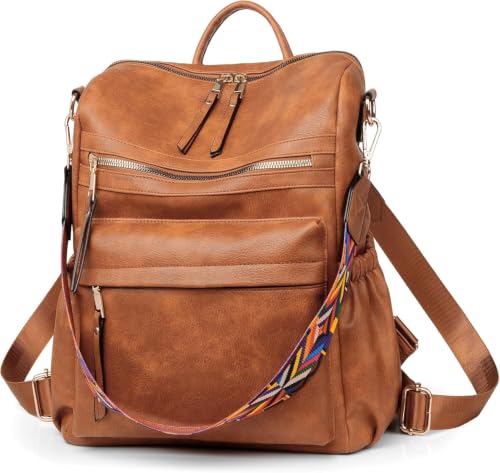
The HGWSSY Women’s Fashion Backpack offers multiple carrying methods, including detachable shoulder straps. This versatility allows users to switch between carrying styles, which can help relieve strain on specific muscle groups. By alternating between shoulder and hand carry, the body gets a break from static loading, which is beneficial for long-term joint health.
When evaluating options, consider the material’s resistance to abrasion and water. The HGWSSY model uses high-quality PU leather with reinforced stitching, which suggests a focus on longevity and protection. A durable pack lasts longer, meaning the user does not need to replace it frequently, ensuring consistent support over time. If you are interested in outdoor-specific options, our hiking backpack guide covers packs designed for trail use.
Maintenance Tips to Preserve Ergonomic Integrity
Regular maintenance ensures that the ergonomic features of a backpack continue to function as intended. Over time, foam padding can compress, and straps can stretch, altering the way weight is distributed. Keeping the pack clean and dry helps preserve the integrity of these components, extending the life of the harness system.
- Clean fabric with mild soap and water to prevent coating degradation.
- Check zipper tracks for debris that could cause snagging.
- Inspect stitching at stress points for signs of fraying.
- Air out the pack after use to reduce moisture buildup.
- Store the pack in a cool, dry place to protect materials.
Following manufacturer care labels is essential to avoid damaging water-resistant coatings or synthetic fabrics. Improper cleaning methods can weaken the material, leading to premature wear. This is particularly important for packs used in rainy conditions, where the integrity of the fabric is crucial for protecting contents and maintaining structural support.
Ultimately, the decision to purchase a backpack should be based on its ability to support your daily activities comfortably. While it will not strengthen your back, a well-chosen pack can prevent strain and promote better posture. By focusing on ergonomic features and proper fit, you can ensure that your pack serves as a reliable companion for years to come.
A closely related question is covered in will backpacks be on sale for prime day, which may help alongside this section.






Write Your Review
No reviews yet. Be the first to share your experience!