


A hike can become backpacking when you carry the gear needed to stay outdoors overnight, though the terms overlap rather than describe completely separate activities. Does backpacking mean hiking is a common question because both involve traveling on foot along trails, but backpacking usually adds an overnight component and a larger, more complete load. A day hike can use a backpack too, yet it generally ends the same day without requiring camp equipment. The distinction is useful when planning a route, estimating what to carry, and deciding whether a daypack or a larger pack makes sense.
Trip duration alone doesn’t tell the whole story: some hikers carry substantial equipment on a long day outing, while others take a light load on an overnight route. The practical difference is the purpose of the gear, especially whether it supports sleeping, shelter, food preparation, and other needs away from home. A backpacking trip combines hiking with self-supported overnight travel, while hiking can describe anything from a short walk on a trail to a multiday journey. For related planning context, this guide to the role of a backpack on a hike explains how carrying needs affect a trail outing.


Pros
- Instantly increases pack capacity by 12 liters for bulky layers, sleep gear, or camp essentials
- Tough nylon and UHMWPE blended fabric provides solid tear resistance against brush and rough ground
- Roll-top closure offers quick top-loading access and reliable retention on the move
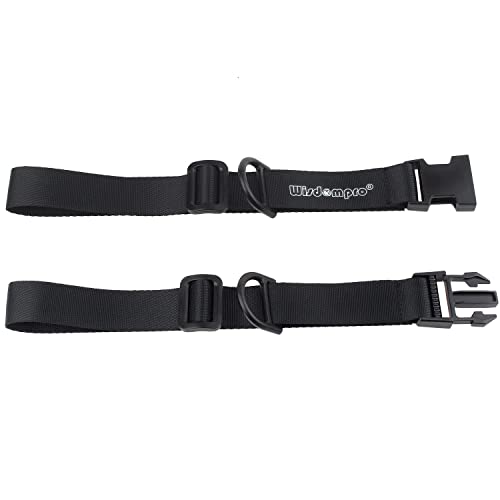
- Simple two-strap webbing system mounts to the top or bottom of most backpacks without tools
Cons
- Sewn seams mean the pouch is water-resistant rather than fully waterproof during heavy downpours
- Mounting stability depends entirely on the host backpack having suitable lash points or compression straps
- Carrying heavy items on the extreme top or bottom of a pack can alter balance and load transfer
The HIKEMAN 12L External Backpack Expansion Pouch is a modular add-on gear bag designed for day hikers, weekend backpackers, and campers who need extra storage without buying an entirely new pack. Rather than forcing overstuffed gear into a crowded main compartment, this pouch attaches externally to provide an additional 12 liters of accessible packing volume. It is especially useful for hikers carrying bulky sleep systems, extra cold-weather layers, or items that need quick trailside access.
On the trail, the pouch functions as an organized utility pod. The wide top opening and roll-top closure make it straightforward to pack and seal essentials such as rain jackets, first aid kits, camp shoes, or food rations. Because the bag mounts externally, it also serves as an effective wet-and-dry barrier. Hikers can isolate wet rainflys, damp tarps, or muddy trail clothing away from dry base layers and sleeping bags stored inside the main backpack compartment.
Material construction centers around a blended fabric combining nylon with UHMWPE (Ultra-High-Molecular-Weight Polyethylene). This blend provides high tear strength against branches and abrasive rock surfaces while keeping the empty weight low. The fabric itself is inherently water-resistant, protecting contents against light spray and damp ground. However, because the seams are sewn rather than taped or welded, the pouch is not completely waterproof and should not be submerged or relied upon for sensitive electronics in heavy rain without an internal dry sack.
Installation is tool-free and adaptable thanks to the two included multi-functional webbing straps. Backpackers can lash the pouch securely across the top lid or underneath the base of most hiking backpacks, depending on lash-tab placement and pack geometry. When detached at camp or during transit, the pouch functions independently as a hand-held gear carrier. When not in use, the flexible material rolls or folds flat for tidy storage inside an interior pocket.
A few practical limitations should be kept in mind before hitting the trail. While the webbing system fits most standard external attachment points, packs lacking exterior loops, daisy chains, or bottom lash straps will require creative rigging. Additionally, loading heavy, dense items into an external pouch mounted high or low can pull the pack away from your center of gravity, so packing lighter, high-volume items like sleeping pads or insulation yields the best trail stability.
For budget-conscious backpackers and modular gear enthusiasts, the HIKEMAN 12L Expansion Pouch represents a practical, low-cost upgrade. It offers dependable tear resistance, easy roll-top operation, and versatile wet-gear isolation that makes managing variable trail loads significantly simpler.
The 12-liter capacity provides generous volume for bulky, lightweight equipment that takes up excessive room inside a standard internal compartment. It accommodates items like a rolled sleeping mat, down jacket, rain suit, or several days of trail snacks with ease.
The roll-top closure allows hikers to cinch down smaller loads to eliminate dead space and reduce internal shifting while walking. Because it opens widely at the top, searching for specific camp gear does not require unpacking the rest of your backpack.
The exterior shell is crafted from a woven blend of nylon and UHMWPE, engineered to resist tearing, snagging, and abrasion against rough outdoor surfaces. This makes it rugged enough for mounting beneath a pack where contact with dirt and rocks is common.
While the woven composite is water-resistant, the manufacturer explicitly notes that sewn seams prevent this product from being fully waterproof. In persistent rain or severe weather, critical items like down sleeping bags or electronics should remain enclosed in dedicated waterproof dry bags.
Mounting is handled via two included multi-functional webbing straps that thread through the pouch and link to your backpack anchor points. This universal strap setup allows hikers to position the pouch at the top collar or under the sleeping pad loops at the bottom of the pack.
Compatibility is broad across hiking, mountaineering, and travel backpacks equipped with external daisy chains, side compression straps, or base loops. Hikers should verify that their pack has stable external attachment points before heading out on multi-day routes.
How Hiking and Backpacking Relate
Backpacking is a form of hiking that typically involves carrying overnight equipment between trail locations, often with a camp stay along the way. Hiking is the broader activity: it can be a short local walk, a demanding day route, or one part of a longer backpacking journey. The key distinction is not the trail surface or walking technique, but the trip plan and the load’s purpose. A traveler who hikes during the day and sleeps at a lodge may be hiking without backpacking in the usual outdoor sense.
Terminology can vary among hikers, parks, guidebooks, and regions. Some people use “backpacking” for any hike with a substantial pack, while others reserve it for overnight or multiday travel. Context usually clears up the intended meaning: references to campsites, sleeping gear, food carried for several days, or moving camp suggest overnight backpacking. A day route described as a backpacking hike may simply emphasize that the person carries a full pack.
These labels don’t establish how hard a route is. Distance, elevation gain, terrain, weather, pace, and carried weight all affect effort, and an overnight route isn’t automatically more strenuous than a day hike. A short backpacking itinerary can involve a modest distance, while a long day hike can require careful conditioning and preparation. Treat the itinerary and conditions as more useful planning details than the label by itself.
Several clues help identify what a trip description means in practice:
- An overnight campsite usually means carrying shelter, sleep gear, and food beyond immediate day-use needs.
- A route that returns home the same day is generally a day hike, even if the pack is full.
- Moving between campsites with supplies is commonly described as backpacking.
- A daypack can accompany either activity, but capacity needs depend on the planned load.
- Guidebook wording may vary, so check itinerary details instead of relying on one label.
What the Overnight Element Changes
An overnight stay adds responsibilities that a typical day hike may not have. The hiker must plan for shelter, sleep, meals, water treatment or resupply where applicable, and clothing for changing conditions. Those needs influence both pack capacity and how items are organized. The specific gear list depends on the destination, season, facilities, regulations, and personal needs, so no single packing list fits every trip.
Backpacking can also involve traveling from one camp to another rather than returning to a trailhead each evening. That style makes access to essential items and the distribution of carried gear more consequential, since supplies remain in the pack throughout the route. A route with established campsites, water sources, or services may call for a different load than a remote itinerary. Confirm what the trip actually provides before deciding what to carry.
Not every overnight outing is a wilderness expedition. Some routes include developed campgrounds or nearby facilities, while others require carrying nearly everything needed between resupply points. The word backpacking alone doesn’t tell you whether fires are permitted, water is available, or a reservation is required. Check local land-manager guidance and the itinerary for those conditions.
How the Pack Relates to the Trip
A backpack is a carrying tool, not the definition of backpacking. Hikers use packs to carry water, layers, food, navigation items, and other essentials on day routes as well as overnight trips. A larger pack may be needed when the planned load includes shelter and sleep equipment, but capacity should follow the actual gear list rather than the trip name. A pack with unused space can still be appropriate, though excess volume may make organization more challenging.
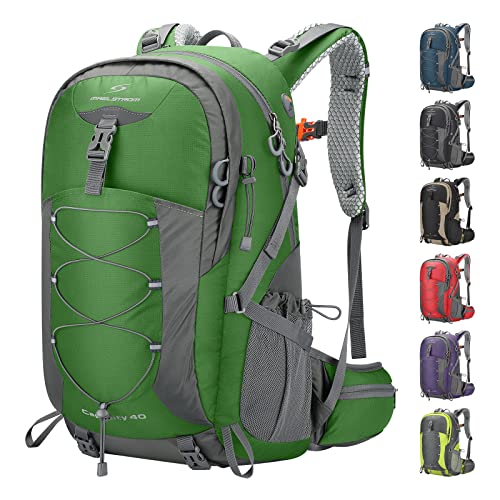
Capacity is only one part of pack suitability. Torso fit, hip-belt fit, shoulder-strap adjustment, support structure, access points, and the expected load all matter. Product details can help establish what a particular pack offers, but they don’t determine whether it will suit every body or itinerary. For example, supplied product information describes one listed pack as a 50-liter internal-frame model with a rain cover and hydration compartment, while an add-on pouch is listed with 12 liters of capacity; these are different storage arrangements, not interchangeable trip definitions.
When assessing a pack for a planned outing, use a practical check rather than assuming that “hiking” or “backpacking” guarantees a particular feature:
- Write down the gear required by the itinerary, including overnight equipment when the trip calls for it.
- Check listed capacity and whether the loaded pack can accommodate bulky items without obstructing access.
- Review torso and hip-belt adjustment information when those measurements are supplied.
- Confirm hydration, attachment, and rain-protection details instead of assuming compatibility.
- Consider whether the pack’s access and pockets suit the items needed during the walking day.
Day Hikes, Overnight Routes, and Multiday Travel
A day hike normally means finishing the outing without an overnight stay on the route. The pack may hold water, food, extra clothing, navigation tools, and emergency supplies, with the exact contents shaped by conditions and the hiker’s plan. A short outing may require little cargo, while a remote or changing-weather route can call for more preparation. “Day hike” describes the schedule, not a universal pack size or equipment standard.
An overnight backpacking route adds equipment for spending the night away from home. Depending on the plan, that can include a shelter, sleeping system, and additional food, but the details vary. A one-night trip may need less food than a longer trip, although the shelter and sleep gear can still take meaningful space. The route’s facilities and expected conditions affect the load as much as the number of nights.
Multiday backpacking generally means continuing on foot across multiple days, often carrying supplies between stops or resupply points. The load may change as food is consumed or as the route reaches services, so planning should account for the full itinerary rather than only the first morning. Longer duration doesn’t automatically mean a particular pack volume: compact equipment, resupply access, and personal requirements all affect the contents. Check the manufacturer’s stated limits and fit information for any pack being considered.
Some outings sit between familiar labels. A day hike can include a very heavy camera or climbing load, and an overnight trip can be short and close to a road. A hut-to-hut route may involve overnight travel but less carried shelter equipment, depending on the lodging and rules. Describe the actual overnight arrangements and carried gear when asking for advice, rather than using the label alone.
Planning Around Load, Route, and Conditions
Plan from the route outward: identify distance, elevation, expected weather, water access, overnight arrangements, and any restrictions. Those details clarify what must be carried and whether the pack needs to hold camp gear or only day essentials. A route’s remoteness can matter as much as its length because limited services may require carrying additional supplies. Check current local information for closures, permits, campsite rules, and water conditions.
Load distribution also affects how a pack feels, but there is no single arrangement that works for every design or body. Follow the pack maker’s guidance for adjustment and loading, keep necessary items accessible, and avoid carrying gear beyond stated limits. A pack that shifts, presses uncomfortably, or cannot be adjusted appropriately deserves attention before setting out. The guide to estimating backpack weight for hiking offers related context for thinking through the carried load.
Weather protection needs a separate check. A rain cover, water-resistant fabric, and a waterproof liner are not identical features, and sewn seams can affect how much protection a bag provides. Read the specific product description and follow its care directions rather than assuming a pack is fully waterproof. Protect sensitive contents appropriately for the forecast and exposure expected on the route.
Accessories can add storage, but compatibility and attachment matter. Webbing, loops, straps, and buckles differ among packs, so a pouch described as broadly adaptable should still be checked against the intended attachment points. Added external gear can change how items sit and may snag on vegetation or interfere with access. Secure equipment according to its instructions, and don’t modify or bypass safety features.
Common Terminology Confusion
“Hiking” and “backpacking” aren’t mutually exclusive categories. A person backpacking is generally hiking on foot, while many people hiking aren’t backpacking because they return the same day or sleep elsewhere. The overlap explains why a daypack can be used for a hike without making that outing an overnight backpacking trip. It also explains why a backpacking route is often described as a hike.
“Backpacking” can mean something different in travel contexts, where it may refer to carrying belongings while moving between destinations, often using hostels or other accommodation. That usage doesn’t necessarily imply trail hiking or camping. In an outdoor route description, however, backpacking commonly signals an overnight or multiday trip on foot with supplies carried in a pack. Use surrounding details to determine which meaning applies.
“Trekking” is another term that overlaps with hiking and backpacking. Its meaning varies by region and organizer, and it can refer to a long walk, a multiday route, or travel that includes support services. The word alone doesn’t establish whether hikers carry their own camping equipment. Look for information about lodging, porters, resupply, and what participants must bring.
Marketing descriptions can use several labels for the same pack, including hiking, trekking, camping, or backpacking. Those labels indicate intended uses, but they don’t replace listed specifications or a fit check. Read the capacity, frame, adjustment, materials, and included features where provided, then compare them with the trip’s actual needs. Product claims should be interpreted as descriptions, not guarantees of comfort or suitability.
Safe Preparation and Pack Care
Pack preparation should stay within the manufacturer’s instructions. Check straps, buckles, seams, zippers, and attachment hardware for visible problems before a trip, especially if the pack has been stored or heavily loaded. Don’t improvise repairs that compromise a buckle, frame, or load-bearing strap. For replacement parts, verify that the component is listed as compatible with the specific pack rather than assuming similar-looking pieces will work.
Carry the load you can manage for the planned route and conditions, and don’t treat a larger pack as permission to add unnecessary weight. On uneven or steep terrain, use sound judgment and follow local safety guidance; a pack can affect balance and movement. Keep straps controlled and away from moving parts or hazards, and use appropriate care when handling sharp tools or repair components. If a pack has structural damage or a fastening issue, don’t rely on it for a demanding outing until the problem is addressed safely.
After a trip, follow the care instructions supplied for the pack and its materials. Cleaning methods can differ, and aggressive washing or drying may damage coatings, fabrics, or hardware. Allow wet equipment to dry as directed before storage, and inspect areas that carried tension or attached accessories. Maintenance can reveal issues, but it doesn’t establish that a pack is suitable for a different load or trip.
For a straightforward answer, backpacking usually means hiking with gear for an overnight or multiday stay; check the itinerary and required load to confirm what the term means for a particular trip.





Write Your Review
No reviews yet. Be the first to share your experience!