


Navigating crowded train cars, regional airport gates, and tight office workstations requires a careful balance between cargo volume and physical bulk. Commuters and day hikers frequently encounter the question of how big is 15 l backpack when seeking a streamlined bag that holds daily essentials without protruding into personal space. A pack in this volume category offers a compact footprint designed to eliminate unnecessary dead weight while encouraging disciplined packing habits. Many outdoor enthusiasts who seek lighter loads turn to practical, budget-friendly hiking packs to keep their trail setups agile and manageable.
Understanding true storage capacity goes beyond simple numeric volume ratings because fabric density, pocket arrangements, and external silhouettes dictate how gear actually settles inside. While larger multi-day packs dominate backcountry trails, a 15-liter backpack targets short excursions, daily commutes, and quick gym runs where agility remains the top priority. Evaluating exact exterior measurements alongside compartment geometry ensures your compact electronics, hydration bottles, and light weather layers fit comfortably without straining zipper tracks. Taking a closer look at interior volume helps determine whether this minimalist size fulfills your daily transit demands or requires a slightly roomier alternative.


Understanding 15-Liter Backpack Dimensions, Volume, and Usable Capacity
Selecting an ideal everyday bag begins with visualizing what numeric liter ratings represent in real storage space. Answering the question of how big is 15 l backpack requires examining physical dimensions, geometric volume, and functional compartment depth rather than relying on abstract numbers alone. In practical terms, fifteen liters represents a compact, highly focused carrying capacity tailored for active individuals, students carrying minimal supplies, and urban commuters. By breaking down linear measurements, hardware placement, and loadout capacity, buyers can confidently assess whether this lightweight silhouette aligns with their daily carry expectations.
Converting Liters to Physical Dimensions and Linear Inches
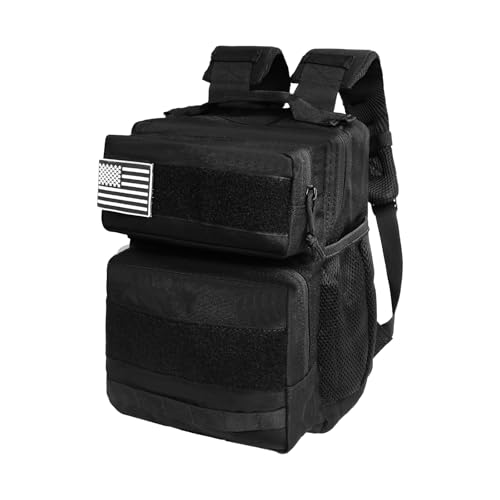
In standard volumetric conversions, fifteen liters translates directly to approximately 915 cubic inches, or roughly 0.53 cubic feet of internal space. When translated into typical backpack proportions, this volume yields an exterior profile measuring roughly 16 to 18 inches in height, 9 to 11 inches in width, and 5 to 7 inches in depth. These measurements can fluctuate depending on whether the pack uses a structured boxy cut, such as military-inspired tactical daypacks, or a contoured, teardrop silhouette common in running vests and fast-hiking packs. Summing these three dimensions gives a total measurement of roughly 30 to 36 linear inches, establishing an exceptionally small physical footprint.
External depth plays a significant role in how compact the bag feels against the body during movement. A shallow profile of five to seven inches keeps the carried weight close to the spine, reducing rearward leverage that often causes posture fatigue during long transit walks. Bulging occurs when items are forced into a tightly packed main compartment, pushing the depth outward and shifting the center of gravity backward. Keeping the pack within its designed depth preserves the streamlined profile and prevents the bag from bumping into fellow passengers on crowded buses or commuter trains.
Everyday Carry Loadout: What Actually Fits Inside a 15L Pack
A realistic everyday carry loadout in a 15-liter pack focuses on daily necessities rather than comprehensive contingency gear. Users can comfortably pack a compact tech pouch, an ultralight packable rain shell or thin fleece, a 20-ounce reusable water bottle, a small notebook, and standard personal pocket items. Dedicated small pockets easily manage charging cables, a smartphone power bank, wireless earbuds, and house keys without monopolizing central cavity space. This storage capacity works exceptionally well for individuals who commute between home and an office where bulky supplies are already provided on site.
Recognizing the volume boundaries of a 15-liter bag prevents frustrating packing experiences before leaving home. This capacity cannot comfortably house large athletic footwear alongside bulky workout apparel, heavy college textbooks, or thick winter outerwear. If an insulated lunch container takes up the center of the main compartment, remaining space for extra clothing layers becomes severely restricted. Buyers who need to carry both work electronics and substantial gym equipment generally find that stepping up to a slightly larger volume avoids bursting seams and overstretched zippers.
Laptop and Tablet Compatibility in Compact Backpack Frames
Device compatibility represents a major consideration for modern professionals and students choosing a compact pack. Due to the standard 16-to-18-inch height restriction, a 15-liter backpack typically accommodates small laptops with screens up to 13 inches or compact 14-inch ultrabooks. Tablets and digital e-readers slide easily into dedicated interior sleeves without crowding adjacent items. Users carrying larger 15.6-inch or 16-inch mobile workstations will likely discover that the zipper track cannot close around the top corners of the chassis, risking fabric abrasion or zipper blowout.
Protective engineering varies widely across compact bags, making careful inspection of sleeve construction essential. Many minimalist daypacks lack a suspended false bottom, meaning the bottom edge of the laptop sleeve sits flush against the pack floor. When the bag is set down abruptly on hard concrete or hardwood surfaces, the laptop chassis absorbs the direct shock of the impact. Adding an external slim neoprene sleeve provides crucial corner cushioning, though buyers must verify that the extra sleeve thickness still fits inside the narrow compartment.
Airline Travel Performance: Under-Seat Personal Item Compliance
Air travelers frequently search for reliable personal items that slide beneath passenger seats without provoking gate-agent scrutiny. Most major domestic carriers allow personal items measuring up to 18 x 14 x 8 inches, while budget airlines often establish slightly stricter thresholds such as 17 x 13 x 6 inches. Because an uncompressed 15-liter backpack normally measures around 17 x 10 x 6 inches, it comfortably satisfies personal item regulations on nearly all commercial airlines. This compact profile guarantees that travelers can keep their valuable electronics, medications, and reading materials within arm’s reach during flight.
Under-seat storage space can still present minor hurdles depending on aircraft configuration and seating position. Regional jets and aisle seats often feature floor-mounted entertainment hardware boxes or narrower frame rails that restrict usable footwell room. A flexible, semi-structured 15-liter pack can be turned sideways or gently compressed to slide around these floor obstacles with minimal effort. Keeping exterior pockets free of bulky, rigid items ensures the bag does not snag on seat upholstery or project into legroom space during takeoff and landing.
Day Hiking and Outdoor Utility: Hydration, Layers, and Trail Gear
On local hiking trails and nature paths, a 15-liter capacity delivers sufficient volume for half-day outings in fair weather conditions. Trail enthusiasts can easily stow a 1.5-liter or 2.0-liter hydration bladder, lightweight trail snacks, a compact first-aid kit, a headlamp, and a windbreaker. Specialized technical options, such as the Black Diamond Distance 15L, utilize vest-inspired shoulder harnesses with chest flask pockets to stabilize cargo during fast trail movement. Unlike heavier structured frame backpacks designed to haul heavy multiday base weights across rugged mountain terrain, a compact daypack emphasizes nimble mobility and rapid pacing.
Evaluating trail utility also means understanding seasonal gear limitations and specialized cargo demands. Cold-weather hiking requires additional warm layers, heavy gloves, and emergency shelters that quickly overwhelm the limited interior space of a small daypack. Similarly, hikers seeking to bring perishable food and chilled beverages on warm outings may find that dedicated backpack cooler options serve their recreational plans far better than standard thin-walled daypacks. A standard 15-liter outdoor bag excels best during spring, summer, and early autumn day hikes where gear needs remain lean and predictable.
Harness Ergonomics and Torso Proportions on Compact Frames
Harness geometry on a 15-liter pack is fundamentally engineered around short back panel dimensions. Because the bag measures roughly 16 to 18 inches in total height, it rests primarily across the upper and middle thoracic regions of the spine. Users with longer torsos will find that the bottom of the bag sits well above their lower back, which is completely standard for lightweight running vests and compact daypacks. Adjustable sternum straps become vital on these smaller profiles, anchoring shoulder straps across the chest to prevent inward pinching along the collarbones or outward slipping during vigorous walking.
Weight distribution dynamics differ significantly from larger packs equipped with rigid stays and padded waist belts. Most 15-liter bags omit load-bearing hip belts entirely, relying instead on a simple removable webbing strap or no waist strap at all. Because an average packed load in this size category weighs between 5 and 10 pounds, dense shoulder straps and breathable back panel foam provide adequate cushioning without spinal compression. Maintaining a balanced pack by placing dense items, such as water bottles or compact power banks, close to the back panel prevents undue shoulder pull and muscle fatigue.
15L Versus 20L and 25L: Deciding Your Ideal Pack Volume
Weighing a 15-liter pack against popular 20-liter and 25-liter alternatives clarifies where daily lifestyle requirements intersect with physical capacity. Moving up to a 20-liter backpack introduces two to three additional inches of depth and width, allowing users to pack full-size 15-inch laptops, structured lunch containers, and midweight sweaters concurrently. A 25-liter bag expands capacity even further, easily accommodating university binders, extra gym footwear, and specialized camera inserts for creators. However, extra volume brings additional empty pack weight and creates a temptation to carry non-essential items that needlessly tire the shoulders.
Choosing a 15-liter model represents an intentional commitment to streamlined minimalism and agile transit. Commuters who walk several miles daily, navigate busy subway turnstiles, or work out of compact coffee shop tables benefit tremendously from a bag that stays out of the way. If your routine demands hauling spare footwear, multiple thick documents, or substantial groceries on the walk home, upgrading to a 20-liter or 25-liter volume offers necessary versatility. Examining your real daily carry checklist before purchasing prevents the common trap of selecting an undersized bag that operates constantly at bursting capacity.
Fabric Durability, Weather Resistance, and Long-Term Maintenance
Material selection directly impacts how well a compact daypack withstands continuous daily abrasion and wet commute weather. Manufacturers frequently utilize Oxford polyester, high-density ripstop nylon, or technical laminated composites to achieve an optimal balance of tear resistance and lightweight performance. Exterior durable water repellent treatments shed light rain showers, while internal polyurethane backings block moisture from seeping through fabric weaves into sensitive electronics. Checking for reverse-coil or coated weather-resistant zippers provides added peace of mind when caught in brief unexpected downpours during daily commutes.
Proper fabric care ensures internal weatherproofing coatings remain intact across multiple years of regular use. When cleaning commute grime, mud, or sweat stains, always hand-wash the pack using lukewarm water and mild, non-detergent technical soap. Machine washing with harsh laundry detergents and mechanical agitators can peel internal polyurethane coatings and weaken critical bar-tack stitching along the shoulder straps. Hanging the pack to air-dry away from direct radiator heat or intense sunlight preserves foam elasticity and prevents synthetic fabrics from shrinking or warping over time.
Understanding exact dimensions and realistic cargo limits transforms how buyers approach minimalist backpack selection. A 15-liter backpack delivers a focused, highly maneuverable platform that thrives in fast-paced transit, light day hiking, and personal item airline travel. By prioritizing lean gear essentials and verifying laptop sleeve measurements in advance, commuters and outdoor enthusiasts can enjoy optimal agility without sacrificing comfort. Matching your daily carrying routine to this compact volume category ensures your gear remains organized, well-protected, and comfortable wherever your day leads.







Write Your Review
No reviews yet. Be the first to share your experience!