


Navigating crowded transit platforms, college lecture halls, and busy office corridors requires balancing practical packing capacity with streamlined physical mobility. Carrying an oversized bag leads to unnecessary bulk, awkward movement, and wasted space, while an undersized pouch forces you to leave essential daily gear behind. When evaluating everyday carry options, understanding how big is a 21 litre backpack gives you a clear baseline for what fits inside your bag and how it feels on your shoulders throughout a long day. A well-designed 21-liter pack occupies the sweet spot between ultralight minimalism and full-sized commuter gear, offering just enough interior volume for digital workstations, study materials, and light weather protection.
Physical volume ratings in liters measure overall internal capacity, but they do not always convey how external dimensions interact with airline sizer bins or office lockers. Commuters, students, and weekend travelers frequently choose 21-liter models because they provide dedicated space for notebooks, chargers, and laptops without demanding cumbersome frame structures. If you are comparing versatile gear options across different budgets, our look at affordable daypack designs illustrates how smart compartment geometry maximizes storage without adding unnecessary tare weight. Exploring the tangible dimensions, realistic packing limits, and everyday ergonomics of 21-liter bags ensures you select a silhouette that supports your routine effortlessly.




Understanding 21-Liter Backpack Dimensions, Packing Limits, and Daily Utility
Determining whether a pack matches your lifestyle begins with understanding how cubic volume translates to everyday cargo. While manufacturers rate backpack capacity in liters, that metric alone does not reveal how wide the main zipper opens or how the fabric drapes across your back. Exploring the physical measurements, real-world loading capabilities, and ergonomic realities of this popular size helps you decide if 21 liters provides the ideal balance for your daily carry needs.
Translating 21 Liters into Physical Dimensions and Linear Inches
Backpack volume measures the total cubic capacity of all compartments combined, equaling approximately 1,280 cubic inches for a 21-liter pack. In practical exterior dimensions, a standard 21-liter backpack generally measures between 17 and 18.5 inches in height, 11 to 12.5 inches in width, and 6 to 8 inches in depth. These proportions create a compact vertical footprint that sits neatly against the back without extending past the shoulders. The streamlined width prevents the bag from bumping into doorways or brushing against fellow commuters on crowded transit lines.
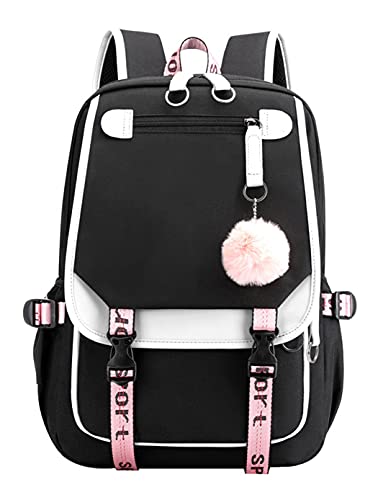
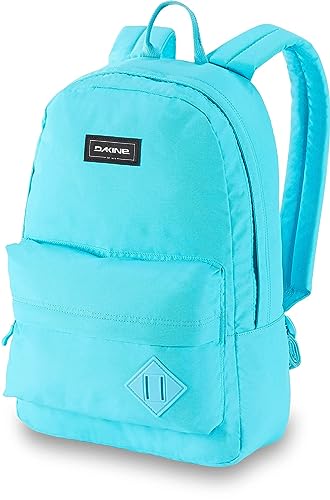
Linear inches, calculated by adding height, width, and depth together, typically range from 34 to 38 linear inches for an uncompressed 21-liter bag. External dimensions can vary slightly depending on whether the backpack uses a structured teardrop profile like the Dakine 365 21L or a pocket-dense layout like the JiaYou school daypack. Streamlined urban models favor a slim silhouette that hugs the spine, while multi-pocket designs distribute volume across front utility sections. Because fabric panels flex under load, packing dense items can expand depth by an extra inch, shifting the center of gravity slightly outward.
Real-World Packing Capacity: What Actually Fits Inside
Visualizing 21 liters in terms of tangible items provides a far clearer picture than relying purely on cubic volume statistics. Inside a typical 21-liter interior, you can comfortably stow a 14-inch or 15-inch laptop, a tablet, a spiral notebook, a charging block, and a compact tech pouch. Alongside digital devices, the main compartment still leaves adequate space for a lightweight fleece pullover, a hardcover book, and a packed lunch container. Exterior side pockets then accommodate standard water bottles or compact umbrellas without encroaching on internal storage.
The packing threshold of a 21-liter pack supports a complete work or school day without feeling excessively tight or causing zipper strain. Students can transport several notebooks, a standard textbook, a calculator case, and personal stationery while keeping electronics safely separated. Office professionals can pack digital workstation accessories, a daily planner, sunglasses, and personal grooming items with room to spare. Weekend travelers can even manage minimalist overnight trips by using compact packing cubes for fresh clothing, though bulky winter coats will quickly exceed available capacity.
Airline Personal Item and Under-Seat Sizing Compliance
Navigating airport boarding gates becomes significantly less stressful when your backpack complies with strict airline personal item guidelines. Major domestic and international carriers typically establish personal item thresholds around 18 by 14 by 8 inches, though specific limits vary across budget airlines. Because an average 21-liter backpack measures approximately 18 by 12 by 7 inches, it falls comfortably within these published personal item boundaries. This compliance allows travelers to avoid overhead bin competition and bypass gate-check fees entirely by sliding the pack beneath the seat in front of them.
Placing a 21-liter pack under an airplane seat leaves ample foot space on standard commercial aircraft, preserving comfort during long flights. On regional commuter jets, where under-seat space is often restricted by electronics boxes, a flexible 21-liter bag compresses easily to fit tight floorboards. Air travelers should still avoid over-packing exterior utility pockets before boarding, as protruding water bottles or bulky headphone cases can push depth past eight inches. Keeping exterior pockets flat ensures that the bag slides into airline sizing boxes without catching on metal frames.
Laptop Compartment Sizing and Device Protection
Electronic device storage represents a primary concern for modern commuters, students, and hybrid office professionals evaluating 21-liter backpacks. Most manufacturers equip bags in this volume bracket with dedicated interior sleeves engineered to hold 13-inch to 15-inch laptops. Models like the Dakine 365 21L incorporate dedicated laptop sleeves designed to keep devices separated from notebooks and pens. While standard slim laptops slide into these sleeves effortlessly, larger 16-inch mobile workstations or thick gaming chassis may exceed sleeve width or strain the top zipper closure.
Evaluating sleeve padding and suspension clearance is essential when transporting valuable tech across urban transit routes. A protective false bottom elevates the laptop sleeve an inch above the pack base, preventing the device chassis from striking hard floors when you set the bag down. If a backpack features a flat sleeve design without bottom suspension, adding a slim protective sleeve offers vital impact defense. Auxiliary slip sleeves and integrated USB charging ports, like those found on JiaYou daypacks, also keep cables and power banks organized alongside primary electronics.
Comparing 21 Liters to Compact and Large Daypacks
Placing 21 liters into context against neighboring volume brackets clarifies whether this size meets your daily cargo demands. Ultra-compact daypacks ranging from 12 to 16 liters offer excellent maneuverability for quick errands, but they struggle to hold full-sized laptops alongside extra layers. Stepping up to a 21-liter capacity introduces the necessary vertical height and base depth to support structured tech gear without creating excessive bulk. This makes 21 liters an ideal middle tier for individuals who want everyday utility without the sagging profile of half-empty large bags.
Conversely, larger campus and travel bags spanning 28 to 35 liters provide expansive volume for multiple heavy textbooks, gym apparel, and multi-day wardrobes. While high-capacity packs excel for demanding campus schedules or extended travel, their deeper profiles tend to pull the wearer backward when only lightly loaded. For outdoor adventures requiring heavy cargo, exploring internal frame support systems demonstrates how specialized harness structures differ fundamentally from lightweight commuter daypacks. A 21-liter pack enforces intentional carry habits, discouraging the accumulation of unnecessary clutter that causes physical fatigue over long transit days.
Harness Ergonomics, Weight Distribution, and Tare Weight
Carrying comfort relies heavily on shoulder strap ergonomics, foam density, and unladen pack tare weight. A typical 21-liter daypack weighs between one and two pounds when empty, presenting minimal baseline burden before you add your gear. High-density EVA foam straps with contoured anatomical curves help distribute load forces evenly across the clavicle and upper trapezius muscles. Without proper strap contouring, narrow webbing can dig into shoulders and restrict circulation during extended walking commutes or campus treks.
Because 21-liter bags are engineered for moderate daily loads, they rarely include load-bearing hip belts or rigid internal stays. Weight distribution depends almost entirely on the tension of the shoulder straps and the closeness of the back panel to your spine. Adjusting the shoulder harness so that the bottom of the bag rests comfortably in your lumbar curve prevents excessive swaying and shoulder pull. Breathable spacer mesh and molded air channels on the back panel also promote airflow, reducing moisture buildup on warm, humid commutes.
Pocket Architecture: Open Cavities Versus Admin Panels
The internal layout of a 21-liter backpack dramatically changes how effectively you can utilize its rated capacity. Minimalist designs, such as the Dakine 365 21L, prioritize a spacious open main cavity with a single exterior front accessory pocket. This open configuration maximizes raw volume, making it easy to drop in bulky hoodies, lunch containers, or uniquely shaped items without interference. Users who prefer using their own packing pouches or modular tech organizers often thrive with this straightforward bucket-style architecture.
In contrast, pocket-rich school packs like the JiaYou model divide the 21-liter interior into multi-tiered organizational grids. Built-in admin panels keep pens, cables, and mobile devices accessible, preventing loose gear from sinking to the bottom of the main cavity. Exterior water bottle pockets also impact versatility, with deep elastic side pockets securely holding standard 20-ounce containers. If your routine demands keeping perishable food cold alongside daily essentials, reviewing specialized backpack cooler designs highlights how thermal insulation pockets alter interior capacity compared to standard daypacks.
Proper Weight Distribution and Center-of-Gravity Packing
Packing technique directly dictates how heavy a 21-liter bag feels once you begin moving through your daily commute. Placing your densest cargo, such as laptops, tablets, and textbooks, directly against the back panel keeps the center of gravity close to your body. When heavy electronics are packed toward the outer front panel, they exert rotational torque that pulls shoulder straps uncomfortably tight against your chest. Centering dense mass against your spine promotes natural posture and reduces fatigue during long transit journeys.
Lighter items, including windbreakers, scarves, and soft pencil cases, belong in the lower and outer sections of the main compartment. Distributing gear evenly also protects zipper tracks and seam stitching from premature failure caused by localized pressure. Forcing rigid objects against curved zipper corners creates lateral tension that can split zipper coils over time. Leaving a small amount of breathing room around zipper teeth allows sliders to operate smoothly without catching on fabric liners.
Fabric Maintenance and Preserving Water-Resistant Coatings
Everyday carry bags endure exposure to dusty train floors, sidewalk moisture, coffee spills, and changing weather conditions throughout their lifespan. Most 21-liter commuter and student backpacks are constructed from durable polyester or nylon fabrics treated with water-resistant surface finishes. To keep these materials in peak condition, spot-cleaning with a soft damp cloth and mild non-detergent soap is the safest approach. Submerging the backpack in a washing machine or using harsh chemical detergents can strip the internal polyurethane coatings that provide weather resistance.
Drying your backpack properly after a rainy walk or spot-cleaning prevents mold, mildew, and material delamination. Always hang the pack to air-dry in a well-ventilated, shaded indoor area with all zippers opened fully to allow airflow. Never expose synthetic pack fabrics to high-heat tumble dryers or direct radiator heat, as excessive temperatures can warp foam padding and melt synthetic zipper coils. Gently brushing zipper tracks with a soft toothbrush also removes accumulated grit and keeps the teeth meshing properly over years of use.
Determining If a 21-Liter Pack Fits Your Daily Routine
Selecting the ideal backpack capacity ultimately comes down to an honest assessment of your personal daily cargo needs. If your typical haul consists of a modern laptop, daily work essentials, a water bottle, and a light jacket, a 21-liter backpack delivers optimal utility without excess bulk. Its streamlined profile slides smoothly beneath airplane seats, fits effortlessly into cramped transit cars, and maintains a clean aesthetic in professional workplaces. It eliminates the temptation to carry unnecessary clutter while ensuring that your core everyday tools remain protected and organized.
If your routine regularly demands transporting athletic shoes, gym apparel, multiple large textbooks, or multi-day travel wardrobes, stepping up to a 28-liter or 30-liter pack may prove more practical. For minimalists, corporate professionals, and focused students, however, 21 liters provides an enduring sweet spot that blends mobility with ample carrying capability. By matching your packing habits to the physical dimensions and structural strengths of a 21-liter silhouette, you gain a dependable everyday carry companion that serves you reliably day after day.





Write Your Review
No reviews yet. Be the first to share your experience!