


Navigating crowded subway cars, university lecture halls, or airport boarding gates requires a balance between packable space and a streamlined exterior profile. When exploring daily gear haulers, many commuters and outdoor enthusiasts find themselves asking how big is a 22l backpack in terms of physical bulk and everyday packing potential. A pack in this volume bracket sits directly in the sweet spot for everyday carry, offering roughly 1,340 cubic inches of internal capacity without creating an unwieldy silhouette. Whether heading to an office workstation or taking a quick trail loop, understanding how this capacity translates into real storage keeps your essentials secure without burdening your shoulders.
External dimensions generally measure around eighteen to twenty inches tall, twelve inches wide, and seven inches deep, allowing most models to fit under airline seats or into compact office lockers. Internal organization, fabric density, and specialized functions alter how much gear you can actually stow inside this volume footprint. For example, technical daypacks from brands like Osprey and Gregory focus on open packing wells, whereas insulated designs highlighted in our hiking backpack cooler guide allocate significant interior space to protective thermal lining. Examining your specific daily routine ensures you select a bag that accommodates your laptop, water bottle, and daily layers comfortably.


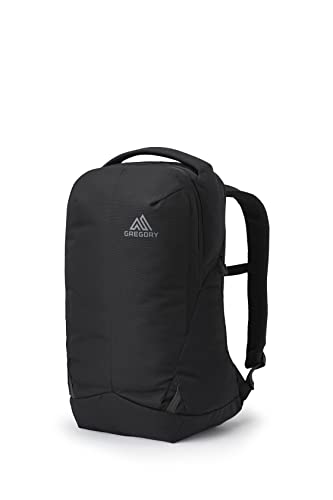


Understanding 22-Liter Backpack Capacity, Dimensions, and Real-World Fit
Evaluating internal capacity requires looking past simple volume numbers to understand how cubic space translates into practical everyday carrying. A 22-liter bag occupies a versatile middle ground between minimalist daypacks and bulky travel bags, providing enough room for structured daily routines without feeling cumbersome. To make an informed choice, you must consider physical dimensions, compartment distribution, hardware bulk, and your personal gear loadout.
Volume Conversions and Physical Footprint of a 22L Pack
Translating liters into tangible measurements helps visualize how much gear fits into a 22-liter pack. In standard volumetric units, 22 liters equals approximately 1,342 cubic inches or roughly 0.78 cubic feet of internal space. In visual terms, this internal volume is comparable to stacking two and a half standard shoeboxes together, or placing three regulation basketballs side by side. This capacity easily holds personal essentials without demanding the oversized bulk of multi-day luggage.
External dimensions across most 22-liter backpacks stay remarkably consistent despite differences in outdoor or urban styling. A typical pack in this class measures between 18 and 20 inches in height, 11 to 12.5 inches in width, and 6 to 8 inches in depth when fully packed. When empty, an unstructured bag can compress down to a couple of inches in thickness for flat storage. Once loaded with tech accessories, clothing layers, and water bottles, the depth expands outward to create a balanced, upright profile.
Unladen tare weight also influences the everyday carry experience and overall footprint on your back. Lightweight nylon daypacks can weigh as little as 1.2 to 1.6 pounds empty, making them effortless to carry over long walking commutes. In contrast, heavy-duty packs built with dense ballistic nylon, structured back sheets, or thick thermal insulation can weigh 2.5 to 3.5 pounds before adding any cargo. Factoring in unladen pack weight ensures you do not tire out before your daily items are even loaded.
What Actually Fits Inside a 22L Pack for Work and Campus Carry
Daily routines for office professionals and university students fit neatly within the storage boundaries of a 22-liter bag. A typical daily loadout comfortably holds a laptop, a power adapter, a tech pouch for cables, a spiral notebook, pens, a light fleece jacket, and a compact lunch container. Exterior side sleeves reliably secure a standard 24-ounce insulated water bottle or travel umbrella without taking up room inside the main cavity. This combination provides everything necessary for a full workday or study session on campus.
How internal pockets are arranged determines how efficiently that volume is utilized. Commuter-specific models like the Gregory Rhune 22L Everyday Commuter Backpack incorporate dedicated admin panels, key clips, and zippered mesh pockets to prevent small electronics from sinking to the bottom. However, extensive internal organizers eat into the depth of the main compartment, slightly reducing the space available for bulky items. Choosing between subdivided pocket layouts and wide, open packing wells depends on whether you carry numerous small accessories or fewer large objects.
Carrying extra apparel or bulky athletic footwear highlights the physical limits of a 22-liter bag. Flexible running shoes or gym shorts can usually squeeze into the bottom of the main compartment beneath a laptop and jacket. Rigid workout shoes, heavy boots, or bulky winter coats will quickly monopolize over half of the available internal volume, leaving little room for books or tech accessories. If your daily schedule regularly demands carrying work electronics alongside bulky sports gear, stepping up in size may be worth considering.
Laptop Compartment Sizing and Device Protection Clearance
Device protection is a major priority when selecting an everyday pack, and 22-liter bags are well suited for modern electronics. Most commuter bags in this category are designed to accommodate standard 13-inch, 14-inch, and slim 15-inch laptops inside an integrated padded sleeve. Many slim 16-inch models, such as current MacBook Pro laptops, can also slide into these compartments without issue. However, thick mobile workstations, oversized gaming laptops, or devices housed in heavy armor cases may exceed the sleeve tolerances.
A critical detail to inspect on any laptop backpack is the presence of a suspended false bottom. A false bottom suspends the base of the device sleeve an inch or more above the actual bottom seam of the backpack. When you drop your pack onto hard concrete, tile, or wood floors, the suspended sleeve absorbs the deceleration before the laptop corners strike the ground. Packs that lack this structural clearance allow direct floor impact, increasing the risk of dented corners or cracked screens over time.
Access configuration also impacts tech convenience during high-speed daily commutes. Urban designs like the YETI Crossroads Backpack 22L feature dedicated laptop compartments with separate exterior zippers, allowing rapid access at security gates or in crowded cafes. Keeping your computer isolated from the main packing well also protects fragile electronics from moisture if an internal water bottle sweats or leaks. Verifying device sleeve dimensions against your specific hardware guarantees a secure, snug fit before you head out.
Airline Compliance: Can a 22L Backpack Serve as a Personal Item?
Air travelers frequently look to 22-liter backpacks as dedicated personal items that slide beneath the seat in front of them. Most domestic airlines enforce personal item limits around 18 x 14 x 8 inches to ensure gear fits under standard aircraft seating. Because a moderately packed 22-liter backpack generally measures roughly 18 to 19 inches tall, 12 inches wide, and 7 inches deep, it aligns well with standard under-seat allowances. This compliance helps you avoid checked bag fees and skip gate-check delays.
Under-seat clearance can become tight depending on the specific aircraft model and seat position. Regional jet cabins, aisle seats, and seating areas equipped with bulky floor-mounted in-flight entertainment boxes offer noticeably narrower footwells. If you overstuff the exterior quick-access pockets of a 22-liter bag, the front-to-back depth can easily bulge past 9 inches, making it difficult to slide beneath the seat frame. Keeping the outer stash pockets slim and avoiding rigid over-packing ensures your pack fits smoothly under the seat.
When used alongside a rolling carry-on suitcase, a 22-liter pack serves as an agile transit companion. Many commuter packs include an integrated luggage trolley pass-through sleeve on the back panel, allowing you to slide the backpack over rolling suitcase handles. Even if regional flight attendants insist on gate-checking larger overhead bags, a 22-liter backpack easily fits into overhead compartments on small aircraft without taking up excess cabin room. This adaptability makes it a reliable asset for both daily commuting and frequent air travel.
How Bag Architecture Changes Usable Volume Across Pack Styles
Two backpacks with identical 22-liter volume ratings can offer vastly different practical capacities due to internal construction. For example, the Hydro Flask Carryout Cooler Backpack utilizes thick closed-cell foam insulation and a heavy-gauge waterproof liner to keep beverages cold throughout the day. While the exterior volume measures 22 liters, the thick thermal walls reduce the usable interior storage space compared to an unlined daypack. Understanding the bag’s intended purpose helps prevent surprises regarding how much actual gear fits inside.
Tactical and rugged utility bags also handle volume differently than minimalist commuter bags. Options like the Maxpedition TT22 Backpack 22L prioritize heavy-duty materials, reinforced stitching, and structured organizational grids designed to secure gear under rough conditions. These rigid panels and heavy fabrics hold their shape well, but they offer less elastic stretch when squeezing in bulky items. When evaluating different build philosophies, browsing our budget hiking backpack options highlights how simpler single-cavity designs maximize open storage space without complex internal bulk.
Specialized alpine packs illustrate another way purpose-built features alter internal capacity. The TerraWest Core Avalanche Kit, Ski Backpack incorporates dedicated safety compartments for avalanche shovels, probes, and hydration bladders alongside external ski attachment loops. These dedicated emergency tool slots organize specialized gear securely, but they divide the interior into specialized zones rather than leaving an open packing well. Selecting the right pack requires matching the bag’s structural architecture to your everyday gear requirements.
Day Hiking and Outdoor Utility: Packing a 22L Trail Daypack
Trail enthusiasts frequently rely on 22-liter bags for single-day backcountry adventures and local nature hikes. A purpose-built hiking model, such as the Osprey Sportlite 22L Lightweight Hiking Backpack or Gregory Outset 22L Day Hiking Backpack, holds the standard ten essentials with ease. You can comfortably pack a 2.5-liter hydration reservoir, trail snacks, a lightweight windbreaker, a first aid kit, and an emergency headlamp without straining the seams. Exterior attachment loops also let you lash trekking poles directly to the outside of the bag.
Hydration management is an integral part of outdoor daypack engineering. Most trail-ready 22-liter packs feature an internal hydration bladder sleeve with a hose routing port, accompanied by stretchy side water bottle pockets. These elastic exterior pockets keep bottles accessible on the move while freeing up interior space for dry clothing layers and trail food. The combination of internal reservoir storage and external bottle sleeves lets you carry enough water for warm-weather hikes without sacrificing main compartment capacity.
Ventilated suspension systems keep outdoor daypacks comfortable over miles of rugged trails. Quality daypacks incorporate tensioned mesh back panels or molded air-channel foam to encourage constant air circulation and reduce back perspiration during strenuous climbs. If you carry heavier camera gear, extra water, or technical tools on rough trails, reviewing our internal frame hiking backpack options demonstrates how integrated internal stays transfer load weight down to the hips to reduce upper-body fatigue.
Harness Ergonomics, Weight Limits, and Load Distribution
Carrying comfort in a 22-liter backpack depends directly on proper load management and harness adjustment. Because packs of this size rarely feature heavily padded, load-bearing hip belts, the optimal carrying weight typically ranges between 10 and 15 pounds. Loading more than 18 pounds into a compact daypack places noticeable pressure on your collarbones and shoulder muscles during extended walks. Keeping your everyday carry load within sensible boundaries prevents neck strain and maintains comfortable posture.
Dialing in your shoulder harness and sternum strap makes a major difference in how heavy the bag feels. Begin by loosening all harness straps, slipping the backpack on, and gently tightening the shoulder straps until the back panel rests flush against your upper back. Next, buckle the sternum strap across your mid-chest and tighten it slightly to pull the shoulder straps inward away from your armpits. This simple step keeps the straps centered on your shoulders and prevents them from pinching your trapezius muscles.
How you arrange items inside the pack directly impacts your physical stability and walking balance. Dense, heavy objects like laptops, textbooks, or full hydration bladders should always rest against the interior back panel, positioned close to your spine. Lighter, bulkier gear like jackets or hats belongs in the lower and outer sections of the main compartment. This packing arrangement keeps the center of gravity close to your torso, preventing the bag from sagging backward and straining your lower lumbar spine.
Deciding Between a 22L Bag and Adjacent Backpack Capacities
Choosing between a 22-liter backpack and smaller minimalist alternatives depends on your daily gear footprint. Compact 15- to 18-liter bags offer a nimble profile for quick errands or short trail runs, but they struggle to fit both a laptop and extra apparel simultaneously. A 22-liter pack provides the necessary extra depth and vertical clearance to carry work tools and after-hours essentials in a single carrier. If you routinely need to transition from an office desk to the gym, the 22-liter volume provides the flexibility you need.
Comparing 22-liter packs to larger 28- to 32-liter campus and travel backpacks reveals clear lifestyle trade-offs. Stepping up to 30 liters accommodates multiple thick textbooks, gym sneakers, and weekend clothing, but the resulting pack is noticeably heavier and bulkier in crowded trains and tight coffee shops. If you do not need to pack multi-day travel wardrobes or heavy binders, a 22-liter bag eliminates excess empty fabric and keeps your commute agile. Selecting the smaller footprint discourages over-packing while maintaining a sleek, professional silhouette.
Preserving the durability and weather resistance of your backpack requires routine care and gentle cleaning practices. Never run your pack through a washing machine or tumble dryer, as harsh mechanical agitation and high heat can peel internal polyurethane water-resistant coatings and warp foam padding. Instead, spot clean technical fabrics using lukewarm water, a soft cloth, and mild technical soap, and allow the pack to air dry away from direct sunlight. Regularly clearing dust from zipper coils ensures smooth sliding and prevents teeth separation under packed loads.
Selecting the right 22-liter backpack ultimately comes down to matching your daily gear list with the interior layout that best supports your routine. A well-designed 22L model provides ample room for work electronics, campus supplies, or trail essentials while remaining compact enough to fit under airline seats and maneuver through crowded spaces. Prioritizing ergonomic shoulder straps, durable weather-resistant fabrics, and smart compartment layout ensures dependable carrying comfort for years to come.







Write Your Review
No reviews yet. Be the first to share your experience!