


Planning a trek along the Appalachian Trail requires careful balance between overall gear volume and carrying endurance. Hikers navigating rugged ridgelines and rocky descents often struggle when an undersized pack forces gear to hang awkwardly on the exterior, or when an oversized pack tempts them into carrying excessive camp items. Understanding how many liter backpack for appalachian trail journeys you truly need comes down to the duration between town resupplies, the bulk of your sleeping insulation, and your preferred trekking style. Whether you are prepping for a full six-month thru-hike or exploring scenic day sections near trail towns, choosing the right capacity protects your posture and keeps vital equipment dry.
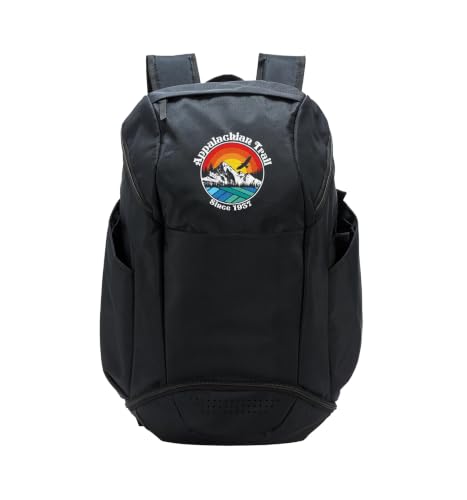
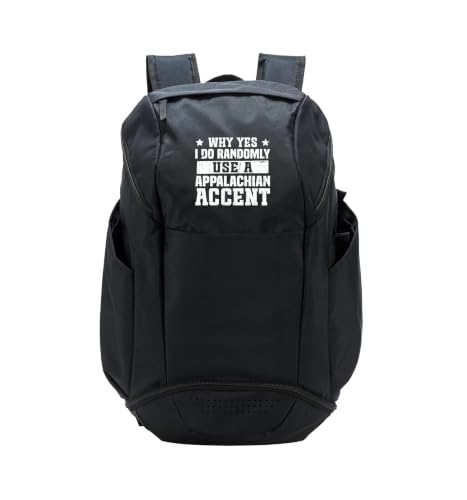
Gear density determines how much physical volume your pack must offer during variable mountain weather. A reliable setup keeps dense gear centered against your spine while leaving enough room for several days of calorie-dense food rations. For those hauling full multi-day camping systems, reviewing an framed hiking backpack overview can provide valuable context on how rigid supports transfer heavy loads down to your hips. Meanwhile, day hikers and section walkers who tackle short mountain loops can prioritize compact sport bags that highlight personal trail pride while managing hydration and daily layers comfortably.



Determining Ideal Backpack Liter Capacity for the Appalachian Trail
Backpack capacity directly shapes your physical comfort, walking cadence, and daily camp routines along the eastern mountain corridor. Finding the right internal volume means matching your pack to the specific gear list you plan to carry rather than guessing a number at random. Most long-distance hikers on the Appalachian Trail settle into packs ranging between 45 and 65 liters for multi-day expeditions, while day hikers and urban commuters thrive with 15 to 25 liters. Evaluating your shelter bulk, sleeping system compressibility, and food storage requirements will clarify the exact liter bracket required for your journey.
Capacity Tiers for Multi-Day Thru-Hikers and Section Trekkers
Modern long-distance backpackers generally categorize multi-day packs into ultralight, standard multi-day, and extended load brackets. The 40 to 50 liter range serves experienced ultralight backpackers whose base gear weight remains below fifteen pounds. These hikers carry highly compressible down quilts, minimalist shelters, and streamlined cook systems that take up very little interior space. Packs in this tier encourage disciplined packing habits and reduce physical stress on knees during prolonged mountain descents.
The 50 to 60 liter bracket represents the sweet spot for the majority of Appalachian Trail section hikers and thru-hikers. This volume provides comfortable clearance for a freestanding tent, a warm sleeping bag, cold-weather layers, and five full days of food rations without excessive bulging. Hikers who choose this range rarely need to lash tents or sleeping pads to the outside of the pack where dense brush can snag them. It balances internal packing flexibility with manageable total weight, making it an exceptionally versatile choice for diverse terrain.
Packs between 60 and 70 liters cater to hikers who prioritize traditional campsite comfort or must travel through freezing shoulder seasons. Trekkers starting in Georgia during early spring often encounter snow in the Great Smoky Mountains, requiring bulkier sleeping bags and heavier insulation garments. This higher volume easily accommodates thick four-season pads, extra fleece layers, and robust rain gear. As temperatures warm in early summer, however, hikers often find that a 65 liter pack leaves empty void space that can cause load shifting if not compressed properly.
Base Weight Dynamics and Gear Volume Displacement
Your base gear weight serves as the single most dependable predictor of the pack volume you require. Base weight includes everything carried in your pack except consumable items like food, water, and stove fuel. Backpackers carrying older synthetic sleeping bags and heavy double-walled tents will inevitably require more internal liters than those with lightweight down gear. Attempting to force bulky traditional camping gear into a sub-50 liter pack places dangerous stress on zipper coils and structural seams.
Synthetic insulation materials take up significantly more cubic inches than high-fill down insulation of identical temperature ratings. A budget synthetic sleeping bag rated for freezing temperatures can easily consume half the main compartment of a 45 liter backpack. In contrast, an 800-fill down quilt compresses down to the size of a small melon inside an ultralight dry bag. Understanding how your chosen insulation behaves under compression helps you avoid purchasing a pack that fails to close easily at camp.
Food containers and bear safety equipment also dictate volume displacement along select portions of the Appalachian corridor. Certain high-traffic trail sections, such as parts of Georgia and New Jersey, strongly recommend or require approved bear canisters during spring and summer months. A rigid cylindrical bear canister cannot be compressed and takes up considerable center volume within your pack. If your itinerary requires a hard-sided canister, stepping up from a 45 liter pack to a 55 or 60 liter pack ensures the container sits properly near your spine.
Resupply Intervals and Food Storage Requirements
The Appalachian Trail features a uniquely accessible corridor compared to remote western wilderness routes. Hikers rarely need to carry more than four to five days of backcountry rations before crossing a road that leads into a hospitable trail town. This frequent access allows hikers to maintain smaller overall food bags, which directly reduces the need for oversized expedition packs. Planning your resupply cadence carefully allows you to carry a smaller pack that remains agile on rocky footpaths.
A typical hiker consumes approximately one and a half to two pounds of food each day, translating to roughly three to four liters of volume per day of hiking. A four-day food carry consequently demands around twelve to sixteen liters of dedicated space inside your main compartment. This bulk steadily shrinks as you consume meals between towns, gradually freeing up interior room. Packs equipped with flexible roll-top closures handle this shifting volume exceptionally well by cinching down tighter as your food supply diminishes.
Compact Daypacks and Trail Themed Sport Backpacks
Not every visit to the Appalachian Trail involves sleeping in trail shelters or carrying multi-day camping setups. Day hikers, summit baggers, and slackpackers require a completely different volume profile ranging from 15 to 25 liters. A compact daypack holds your essential hydration, mid-day snacks, a compact rain shell, and a first aid kit without any excess weight. Opting for a lightweight daypack keeps your center of gravity tight against your shoulders when scrambling over steep ridgeline rocks.
Commemorative graphic sport backpacks and trail-themed daily packs celebrate the culture of the Appalachian Trail while serving everyday utility. These 18 to 22 liter packs excel for campus walks, gym sessions, travel personal items, and quick afternoon forest excursions. Many feature printed maps, elevation profiles, or iconic white blaze graphics that resonate with trail lovers. If you want an accessible daypack that provides practical everyday utility, checking our budget trail pack options can highlight affordable designs that handle light duty with ease.
These smaller daypacks prioritize organized storage over heavy load transfer suspension. They generally feature zippered front accessory pockets, internal laptop sleeves, and dual exterior water bottle holders for convenient access. While an unpadded sport pack cannot support thirty pounds of overnight camping gear, it excels for ten-pound day hikes or urban commuting. Matching your pack to the actual trip objective prevents the frustration of carrying a massive, half-empty expedition pack for a simple two-hour stroll.
Suspension Architecture and Torso Fitting Fundamentals
A backpack must fit your specific torso length correctly before its liter capacity can deliver comfortable trail performance. Torso length is measured along the spine from the prominent C7 vertebra at the base of your neck down to the top edge of your iliac crest. Your overall height does not dictate your torso size, as a tall individual can easily have a relatively short back. Choosing a pack designed for your back length ensures the shoulder harness and hip belt align naturally with your skeletal frame.
Packs holding 45 liters or more usually incorporate internal frame stays, perimeter wire loops, or molded plastic framesheets to manage weight. These rigid internal components channel roughly eighty percent of total pack weight away from your shoulders and directly onto your pelvic girdle. Frameless packs, which are popular among ultralight purists carrying sub-40 liter bags, rely entirely on careful packing and torso fit to stay comfortable. Once your total pack weight exceeds twenty-five pounds, an internal frame becomes essential for preventing shoulder fatigue.
Adjusting your harness components in the correct sequence transforms how heavy a packed bag feels on steep mountain switchbacks. Fasten and tighten the padded hip belt over your pelvic bones first so it bears the bulk of the downward pressure. Next, gently cinch the contoured shoulder straps so they wrap smoothly around your chest without pulling backward. Finally, adjust the sternum strap across your mid-chest and tension the load-lifter straps at roughly a 45-degree angle to draw the pack closer to your spine.
Moisture Protection, Fabric Durability, and Weather Realities
The Appalachian Trail is famously wet, subjecting hikers to dense fog, persistent summer thunderstorms, and damp forest microclimates. Choosing the right pack exterior requires paying attention to fabric denier ratings and water-resistant protective coatings. Standard polyester and nylon sport packs often utilize 400D to 600D fabrics backed with internal polyurethane layers to resist daily abrasions and brief drizzles. Multi-day technical packs often feature high-tenacity ripstop nylon or laminated composite textiles engineered to withstand severe trail scraping.
No standard stitched backpack is entirely waterproof during prolonged mountain downpours because water inevitably creeps through needle punctures and zipper tracks. Durable water repellent surface coatings cause light raindrops to bead up and roll away, but saturation will eventually occur during multi-hour storms. Experienced trail trekkers protect critical sleep systems and warm garments by lining the inside of their main compartment with a heavy contractor trash bag or roll-top dry sack. Relying on an exterior rain cover alone can leave bottom seams vulnerable when water pools behind your back panel.
Staying comfortable on humid mountain trails also requires selecting appropriate technical apparel that dries rapidly when exposed to humidity. Pair your pack harness with breathable garments, such as those covered in our lightweight hiking pants guide, to prevent chafing along the waistbelt contact zone. Heavy sweat accumulation beneath shoulder straps and lumbar pads can cause skin irritation if moisture cannot escape. High-density air mesh back panels and channeled foam ridges help promote airflow, keeping your torso cooler during strenuous summer ascents.
Critical Packing Geometry to Prevent Trail Fatigue
How you arrange items within your selected liter capacity matters just as much as the overall volume rating itself. Proper weight distribution centers heavy items close to your back and slightly below your shoulder blades to maintain stable balance. Placing heavy food bags or full water bladders at the very top or bottom of a pack pulls your shoulders backward, forcing you to lean forward unnaturally. This awkward posture rapidly strains your trapezius muscles and lower lumbar region on uneven terrain.
Follow the classic three-tier packing method to optimize both balance and trail efficiency throughout the day. Place lightweight, bulky items like your sleeping bag and camp sleep clothes at the very bottom of the pack cavity. Pack your dense items, such as your food bag, cook set, and heavy water reserves, directly into the middle tier snug against your spine. Top off the remaining space with lightweight camp layers, your tent body, and your rain jacket for quick deployment when sudden storms arrive.
Utilize exterior pockets for gear you need to reach without unbuckling the main compartment roll-top or zipper closure. A spacious front stretch mesh pocket provides the perfect location for damp rainfly tarps, water filtration squeeze bags, and trail maps. Keeping wet shelter fabric separated from your dry sleeping gear inside the pack prevents catastrophic condensation transfer. Exterior side pockets should hold water bottles securely so they do not dislodge when you bend forward to scramble over granite boulders.
Common Volume Miscalculations and Practical Sizing Rules
One of the most frequent mistakes rookie backpackers make is purchasing a backpack before assembling their full gear kit. Buying an 80 liter pack first almost guarantees you will fill the surplus space with unnecessary luxury items and redundant camp clothes. Gathering your shelter, sleeping system, cook kit, and clothing layers beforehand lets you visually calculate the true volume your gear occupies. You can then select the smallest pack that comfortably fits your necessary gear without resorting to brute force packing.
A straightforward home packing test will confirm whether your gear fits into your intended pack volume before you head out to the trailhead. Assemble all your intended hiking gear and place it inside a standard cardboard box of known dimensional volume. Measure the depth, width, and height your gear occupies when moderately compressed to calculate total cubic inches. Converting those cubic inches into liters gives you an accurate, real-world baseline for selecting your ideal backpack capacity.
Selecting the right pack volume gives you genuine peace of mind and physical freedom along every mile of your journey. Whether you carry a nimble 20 liter sport pack for a day hike or a capable 55 liter framed pack for a month of section hiking, intentional gear selection is the key to comfort. Respect your physical limits, pack only what you truly need, and let your equipment support an unforgettable adventure through the historic Appalachian highlands.







Write Your Review
No reviews yet. Be the first to share your experience!