


Trail grit, dried sweat, and stubborn mud can quietly degrade internal coatings and weaken fabric seams after long wilderness adventures. Learning how to clean and care for a hiking backpack keeps your carry gear smelling fresh while preserving vital water resistance and structural integrity across every season. Whether you carry compact daypacks or packs with a 50 to 65 liter capacity, routine maintenance prevents abrasive trail debris from grinding down technical fibers. Giving your gear proper post-trip attention prevents premature zipper failures and protects sensitive back-panel padding.
Many outdoor enthusiasts accidentally harm their gear by tossing entire rucksacks into aggressive washing machines or applying harsh laundry chemicals. Understanding proper hiking backpack cleaning steps and routine fabric maintenance ensures that sensitive polyurethane coatings and suspension hardware remain reliable for miles to come. Hand-cleaning methods preserve delicate shoulder-strap foam, maintain elastic mesh stretchiness, and keep supportive hip belts comfortable under heavy trail loads. With a methodical approach to gear maintenance, your outdoor rucksack can deliver dependable comfort across countless trail expeditions.

Pros
- High volume-to-weight ratio delivering 70 liters of storage at just 2.42 pounds.
- Abrasion-resistant oxford fabric provides reliable defense against scrapes on the trail.
- Padded S-type shoulder straps and breathable back support improve general carrying comfort.
- Dedicated exterior pockets allow quick separation of water bottles and trail necessities.
Cons
- Lacks a rigid internal frame or load-lifter straps for stabilizing dense, heavy loads.
- Does not include micro-adjustable torso length sizing for dialed body fitting.
- Water-resistant oxford material requires a separate pack liner or rain cover during sustained downpours.
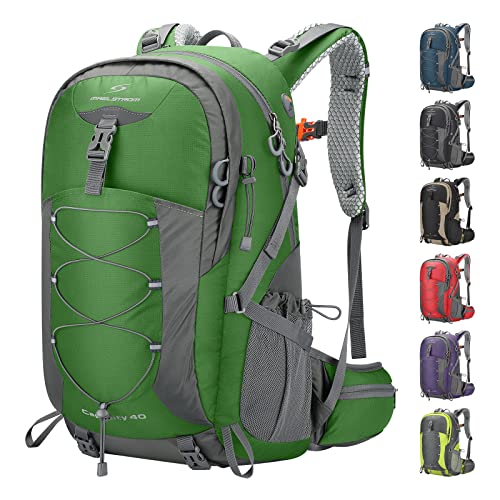
The Generic 70L Camping Hiking Backpack is a high-volume, soft-structured trekking rucksack designed for budget-conscious campers, weekend travelers, and casual outdoor enthusiasts. With a stated 70-liter capacity and an empty weight of just 2.42 pounds (1.1 kg), this pack prioritizes maximum storage space over complex, heavy mechanical suspension systems. It is best suited for individuals packing bulky, lightweight gear like sleeping bags, extra clothing, and camp essentials for general outdoor travel or campsite approaches.
In practical trail scenarios, managing a 70-liter pack requires mindful weight distribution. The pack measures approximately 27.56 inches tall, 13 inches wide, and 9.45 inches deep, giving you ample vertical room for gear organization. Because the rucksack does not feature rigid metal internal frame stays, loading heavy, dense items close to your back is critical. The high-elastic breathable back panel and widened S-type shoulder straps with sponge padding work well to buffer contact points, though hikers should maintain reasonable carried weights to avoid strain on unassisted shoulders.
Material construction relies on tough oxford fabric paired with water-resistant coatings. This exterior delivers solid scratch resistance against brush, branches, and rough surfaces around the campsite. While the manufacturer identifies the build as water-resistant, it does not feature sealed seams or a built-in roll-top waterproof closure. It will shrug off light moisture or mist, but storing sensitive electronics or down insulation inside dedicated dry sacks remains essential during heavier rain.
Pack handling is straightforward thanks to its clean pocket layout. The pack includes one expansive zippered main compartment for the bulk of your sleeping and camp items, an exterior zippered front pocket for headlamps and maps, and two side pockets tailored for water bottles or trail snacks. The shoulder harness adjusts smoothly with standard webbing, and the hand-wash-only specification makes it easy to clean off dust and mud in a utility tub after your trip.
Prospective buyers should be mindful of its structural limitations. The pack does not publish specific torso-length ranges, nor does it include load lifters or an internal aluminum frame. This makes it less suited for technical mountaineering or carrying 40-plus pounds of dense gear over rugged backcountry terrain. In addition, there is no specified hydration bladder port, so hikers will rely primarily on standard bottles placed in the exterior side compartments.
Overall, this 70L hiking rucksack offers practical utility for entry-level campers, car campers, road trippers, and gear haulers who want substantial volume on a modest budget. As long as you respect its frameless, lightweight design by packing lighter, high-volume equipment, it serves as an accessible gear-hauling solution for outdoor adventures.
A full 70-liter volume provides sufficient interior space for high-bulk camping setups, clothing systems, and travel gear without requiring exterior strapping. The dimensions of roughly 27.56 x 13 x 9.45 inches accommodate larger sleep pads, tents, and camp clothing easily.
The compartment design keeps trail packing simple. You get a central top-access main zippered space, one quick-access front zipped pocket for smaller personal items, and two dedicated side pockets designed to keep water bottles or compact trail tools within easy reach.
Carrying comfort relies on widened S-shaped shoulder straps lined with sponge padding and breathable mesh to cushion the upper body. The design distributes surface contact across the shoulders to help ease the pressure of lightweight to moderate loads.
The back panel features high-elastic breathable padding to encourage airflow during warm hikes. However, because this backpack does not include adjustable torso sizing mechanisms or structural frame stays, users should ensure the pack length matches their general build and keep carried weight balanced.
Constructed from durable oxford fabric, the shell offers practical scratch and tear resistance against rough brush, campsite dirt, and travel baggage handling. The water-resistant finish provides initial defense against light trail moisture.
To maintain fabric integrity and protective exterior coatings, clean this pack by hand washing with mild soap and cold water. Avoid machine washing or heat drying, and allow the rucksack to air dry fully before storing it in a dry space between trips.
Complete Walkthrough for Backpack Washing, Maintenance, and Storage
A reliable outdoor pack requires gentle handling, cool water, and pH-neutral soap to stay functional across years of demanding trail use. Standard washing machines and aggressive laundry detergents can quickly destroy delicate internal polyurethane coatings, strip water-repellent surface finishes, and crack plastic tension buckles. Manufacturers of high-capacity equipment, such as the generic 70L Large Camping Hiking Backpack with its Oxford fabric build, explicitly specify hand wash only protocols to safeguard structural integrity. Taking a methodical approach to cleaning protects technical fabrics, preserves comfortable strap padding, and prevents common mechanical failures on the trail.
Immediate Preparation and Emptying the Pack
Thorough preparation prevents unwanted damage to both your gear and internal lining before any water touches the pack body. Start by unzipping every compartment, expanding internal pockets, and removing all trail accessories, trash, and detachable clips. Invert the pack completely over a trash bin and shake vigorously to dislodge trapped pine needles, loose gravel, and dry trail soil. A vacuum wand fitted with a soft brush attachment helps dislodge stubborn dust clinging to internal seams and tight pocket corners.
Inspecting structural components before washing is vital for preserving internal load transfer and suspension balance. If your pack features a removable frame sheet, aluminum stays, or detachable hip belt assemblies, carefully slide them out before wet cleaning. Loosen all compression webbing, unthread adjustable sternum clips if they detach easily, and open tension ladders to relieve stress on seams. Taking a quick photo of your strap routing beforehand ensures you can rethread everything correctly once the pack dries.
Checking care tag instructions confirms whether specific fabric restrictions apply to your gear model. While smaller daypacks look sturdy, large expedition models and jumbo size hiking backpack carry heavy fabric coatings that require extra caution during handling. Never expose technical load-bearing rucksacks to harsh bleaches, fabric softeners, or acidic stain removers. Preparing a dedicated clean workspace, such as a large utility tub or a bathtub lined with a rubber mat, keeps the pack clean throughout the process.
Spot Cleaning for Light Trail Dust and Routine Soil
Routine trail dust and minor surface smudges rarely justify an exhaustive submersion soak after every weekend outing. For light grime, a soft microfiber cloth dipped in lukewarm water works wonders for lifting dust off exterior technical fabrics. Gently rub soiled areas in circular motions without grinding abrasive dirt particles deeper into the weave of the Oxford or nylon shell. A soft-bristled toothbrush easily frees caked mud from exterior daisy chains and gear loops.
Sweat accumulation on suspension areas requires targeted attention even if the primary pack bag remains relatively clean. Hip belts and contoured S-type shoulder straps absorb body salts, skin oils, and sunscreen during warm-weather hikes. Sponge these padded mesh contact zones with a gentle mixture of cool water and a few drops of unscented dish soap or technical gear wash. Pressing a damp cloth repeatedly against the foam releases trapped sweat salts without saturating internal backing materials.
Wiping down the bottom panel and external pockets completes routine spot cleaning in just a few minutes. External water-bottle sleeves often trap dirt and damp plant residue that can rot if left unaddressed. Use a clean towel to pat down wiped areas, absorbing excess moisture before hanging the pack. Practicing regular spot maintenance keeps fabrics fresh while extending the interval required between labor-intensive deep washes.
Deep Washing Sequence for Sweaty and Muddy Packs
Deep cleaning becomes necessary when a pack accumulates pungent odor, heavy grime, or sticky sap after a prolonged wilderness journey. Fill a clean bathtub or large laundry basin with cool or lukewarm water to completely submerge the backpack body. Mix in a mild, non-detergent technical soap designed specifically for outdoor fabrics and waterproof laminates. Avoid conventional laundry detergents because their concentrated enzymes and brighteners aggressively degrade waterproof polyurethane backings and weaken taped seams.
Submerge the pack gently into the soapy bath, allowing water to permeate the internal compartments and open mesh pockets. Gently agitate the pack by hand, working the soapy water through fabric panels, base corners, and thick shoulder padding. Focus your attention on high-friction areas such as lumbar pads, load-lifter attachment points, and the base panel where dirt settles. Allow heavily soiled packs to soak for fifteen to twenty minutes, but avoid extended soaking periods that could soften glued laminates.
Scrubbing should always be done with non-abrasive tools to avoid scuffing face fabrics or tearing lightweight mesh sleeves. Use a natural sea sponge or a very soft brush to tackle stubborn mud spots along lower seams. Work methodically along zipper tracks and compression strap bases where grit tends to collect and hide. Never scrub vigorously against the smooth interior coating of the fabric, as rough friction can cause the waterproof polyurethane membrane to peel or flake.
Selecting appropriate cleaning solutions is especially important when caring for specialized gear or eco-friendly hiking backpack constructions. Eco-conscious technical materials often use specialized coatings that react poorly to harsh synthetic surfactants. Stick strictly to approved outdoor wash formulas that rinse out cleanly without leaving behind surfactant films. Clean rinsing preserves the natural breathability of perforated mesh panels and keeps open-cell padding springy and resilient under load.
Safe Rinsing and Air-Drying Rules
Residual soap scum acts like a magnet for trail dirt and can irritate bare skin if left trapped inside shoulder straps. Drain the dirty wash basin completely and refill it with clean, cool water to begin rinsing. Press the pack submerged under fresh water, squeezing thick foam sections repeatedly until water runs completely clear of bubbles. You may need to refill the rinse tub two or three times to eliminate every trace of cleaning agent.
Draining excess water requires gentle pressure rather than destructive twisting or mechanical wringing. Press the pack against the side of the tub with flat palms to push excess water out of dense hip padding and back supports. Never twist or wring the pack, as torsional strain can snap internal stays, tear fragile mesh, or deform shoulder strap curvature. Laying the pack flat between two clean bath towels and rolling it gently helps extract significant moisture before hanging.
Hanging your pack properly ensures thorough air circulation without exposing delicate materials to heat damage. Suspend the pack upside down by its bottom haul loops or lower compression webbing in a shaded, well-ventilated area. Keep all zippers unzipped and turn internal pocket flaps outward so moisture cannot pool in hidden corners. Never place a hiking backpack in an electric clothes dryer or leave it in direct sunlight, because intense heat destroys technical coatings and warps internal frames.
Zipper, Buckle, and Strap Hardware Care
Mechanical hardware often fails long before heavy Oxford fabric wears out if dirt and grit remain uncleaned. Zipper sliders and coil teeth endure immense friction when packed loads strain against closed compartments during elevation gains. Use a dry, soft-bristled toothbrush to scrub dry dirt and fine sand out of zipper teeth before and after washing. Rinsing sliders thoroughly under running tap water clears internal tracks of abrasive particles that cause zippers to split or snag.
Lubricating zipper teeth with specialized gear lubricants keeps closures gliding smoothly without attracting trail dust. Avoid greasy household lubricants or petroleum sprays because they degrade nylon polymers and collect fine grit like glue. Apply a dedicated outdoor zipper wax along the exterior teeth, then cycle the slider several times to distribute the film evenly. Wiping away excess lubricant prevents staining nearby fabric panels while maintaining effortless closure performance.
Plastic tension ladders, side-release buckles, and sternum clips also benefit from routine inspection and cleaning. Check each buckle body for stress fractures, bent prongs, or warped side tabs that could snap unexpectedly on the trail. Rinse male and female buckle ends in clean water to wash out trapped sand that hinders secure latching. Replacing cracked buckles promptly with standard field repair hardware ensures your pack suspension remains reliable and safe during backcountry trips.
Preserving Water-Resistant Coatings and Technical Fabrics
Factory water resistance on outdoor rucksacks relies on a durable water repellent finish applied to exterior woven fibers. Over miles of bushwhacking and sun exposure, this surface treatment gradually degrades, causing exterior fabrics to wet out in rain. When water stops beading on your pack surface and begins soaking into the outer shell, you should reapply a spray-on repellent. Spray-on formulas allow you to target external face fabrics directly without coating internal breathable mesh or delicate pocket linings.
Internal polyurethane coatings require delicate care because they provide the actual barrier against moisture penetration. These thin, flexible coatings can degrade into a sticky or peeling mess if stored while damp or exposed to aggressive chemicals. If you notice a faint chemical odor or slight tackiness inside your pack, wash the interior with cool water and a mild sponge to remove surface breakdown products. Once fully dry, applying an unscented talcum powder or specialized seam sealer can temporarily reduce tackiness on aging coatings.
High-friction base panels and heavily loaded seams demand periodic inspection to prevent minor abrasions from turning into tears. Checking the reinforced bartack stitching around shoulder straps allows you to catch loose threads before they unravel under load. Small abrasions on Oxford or ripstop panels can be reinforced with specialized outdoor repair tape applied to the interior side. Maintaining the fabric envelope preserves the structural integrity required to carry heavy backcountry equipment.
Odor Removal and Mold Prevention Strategies
Persistent odors on trail gear usually stem from bacterial growth fueled by dried perspiration and body oils trapped in foam padding. If standard washing fails to eliminate stubborn smells, treat affected areas with a gentle water-based odor eliminator. Enzymatic cleaners formulated for outdoor equipment break down organic odor molecules rather than simply masking them with heavy perfumes. Sponge the enzymatic solution into the shoulder straps and lumbar support, allowing active microbes to work before performing a final cool rinse.
Mold and mildew present severe threats to synthetic fabrics and polyurethane coatings if a pack is packed away damp. Black mildew spots not only stain fabric permanently but also digest soft coatings and produce offensive musty odors. To treat active mildew, wipe affected areas with a diluted vinegar solution using one part white vinegar to three parts lukewarm water. Vinegar kills surface mold spores effectively without causing the fiber degradation associated with harsh chlorine bleaches.
Complete drying remains the ultimate defense against recurring fungal spores and unpleasant mildew outbreaks. Even if the exterior shell feels dry to the touch, deep foam padding can retain moisture for several days. Keep your pack hanging in a room with active air movement, such as near an oscillating fan or open window, for at least forty-eight hours after deep cleaning. Confirming that all compartments, seams, and padding are bone dry guarantees the pack remains odor-free until your next journey.
Best Practices for Seasonal Storage
Storing your hiking pack properly during the off-season prevents environmental degradation and maintains strap ergonomics. Choose a cool, dry closet or interior storage room that experiences minimal temperature swings throughout the year. Avoid unconditioned attics, damp basements, or outdoor sheds where excessive heat breaks down coatings and humidity encourages mold growth. Storing a backpack inside a breathable cotton pillowcase shields it from ambient dust while permitting continuous air circulation.
Avoid crushing your backpack beneath heavy storage bins or folding it tightly into cramped shelves. Compressing suspension components for months at a time can permanently deform anatomical S-curve shoulder straps and crush molded foam hip belts. Hang the pack loosely by its grab handle or store it upright on a clean shelf with compartments loosely filled with tissue paper. Keeping tension buckles unlatched and compression straps slack prevents long-term elasticity loss in synthetic webbing.
Periodic off-season checks ensure your gear remains in top condition and ready for sudden wilderness opportunities. Pull the pack out of storage every few months to cycle zipper sliders and verify that internal coatings remain smooth and non-sticky. Inspecting the pack ahead of hiking season allows you plenty of time to reapply water repellents or address hardware issues without rushing. Consistent cleaning, cautious handling, and proper seasonal storage will keep your hiking pack performing reliably across countless wilderness adventures.


Write Your Review
No reviews yet. Be the first to share your experience!