


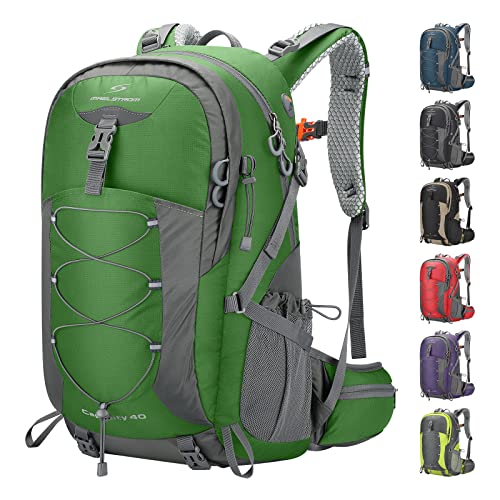
Carrying heavy gear across uneven switchbacks frequently reveals physical friction and balance challenges that ruin a weekend trek. Many outdoor enthusiasts encounter unexpected shoulder soreness, lower back fatigue, and shifting loads when navigating steep elevation changes. Learning how to fix problem with hiking begins with inspecting your suspension structure, footwear fit, and gear distribution before taking another step. When packing for multi-day expeditions, choosing balanced hiking backpacks with fifty to sixty-five liter capacity can help stabilize bulky equipment against your center of gravity. Taking time to adjust your harness and pace early prevents minor irritations from turning into trail-ending injuries.
Trail obstacles often multiply when gear is mismatched to your body frame or trip duration. Hikers who transition to larger expeditions sometimes overload jumbo size hiking backpack without properly cinching internal compression straps, which causes backward leverage and severe shoulder pull. Understanding the interaction between your torso length, hip-belt placement, and trail hydration prevents common biomechanical strain. By addressing root mechanical causes and adjusting physical pacing, you can restore efficiency and comfort to every outing. Simple adjustments to pack suspension and walking cadence create immediate improvements on challenging routes.

Pros
- Extremely lightweight at roughly 0.17 pounds, making it effortless to stow in a backpack or repair kit
- Slim 0.11-inch profile slips smoothly into hydration sleeves or internal pack pockets without taking up cargo space
- Physical paper format provides dependable off-grid guidance without draining phone batteries on the trail
- Direct focus on do-it-yourself mountain bike maintenance and basic repairs for riders of various experience levels
Cons
- Paperback paper pages lack water resistance and require a sealed plastic bag or dry pouch in wet conditions
- Covers bicycle mechanical systems rather than traditional hiking backpacks or trail-footwear maintenance
- A physical book adds modest physical volume compared to digital PDF storage on mobile devices
The Majosta Mountain Bike Maintenance Guide is a dedicated paperback reference manual focused on do-it-yourself repairs, routine adjustments, and long-term upkeep for mountain bikes. For outdoor enthusiasts who utilize mountain bikes to access backcountry trailheads, engage in bikepacking, or tackle mixed multi-sport adventures, having a physical troubleshooting guide can be a practical asset. Rather than relying on trial-and-error during mechanical snags, this guide outlines fundamental bike maintenance procedures directly from the printed page.
From a packability standpoint, the physical specifications are exceptionally manageable for mobile gear loadouts. With listed dimensions of 6 inches wide, 9 inches high, and a spine thickness of only 0.11 inches, the book occupies virtually no noticeable room inside a pack. Weighing approximately 0.17 pounds (around 2.7 ounces), it adds negligible base weight when stashed inside a daypack, hydration pack, or pannier pocket, making it a viable companion for remote trips where mechanical self-reliance is essential.
The build of the guide utilizes a standard paperback binding. Because it relies entirely on physical print, its most apparent functional advantage over digital alternatives is independent off-grid utility. Trail riders and backcountry travelers do not need to worry about drained phone batteries, cold-weather electronics shutdowns, or lack of cellular reception at remote trailheads when consulting physical pages during a repair.
Carrying and handling the book in outdoor settings requires sensible preparation. Given that it is a standard paper volume without waterproof coating or lamination, riders should pack it inside an airtight plastic zip pouch, dry bag, or internal waterproof pack compartment during damp rides or wet-weather outings. Stashing it flat against a backpack frame sheet or inside a dedicated hydration bladder sleeve helps keep the pages protected from bending against bulky multi-tools, hand pumps, or spare inner tubes.
There are clear limitations to consider before purchasing. The guide is strictly an informational print resource for bicycle mechanics rather than an accessory for hiking backpacks or general trail gear. Furthermore, riders seeking comprehensive technical shop manuals for rare, proprietary suspension designs or specialized hydraulic systems may find general DIY paperbacks limited in scope compared to factory service technical documents.
For riders who prefer physical manuals, beginner cyclists learning home maintenance, or backcountry adventurers assembling a self-sufficient repair kit for extended trail approaches, the Majosta Mountain Bike Maintenance Guide offers a compact, ultra-light, and budget-friendly print option that delivers functional off-grid troubleshooting reference wherever you roll.
Measuring 6 by 9 inches with a depth of just 0.11 inches, this manual matches the footprint of a compact trail notebook. It slides effortlessly into daypack hydration sleeves, back-panel document pockets, or flat tool pouches without bulging or compromising internal pack volume.
Weighing only 0.17 pounds (approximately 2.7 ounces), the guide represents minimal carried weight for multi-day bikepacking trips, vehicle tool chests, or trailside gear organizers. Its flexible paperback binding allows it to fit comfortably alongside curved pack contents without causing discomfort against your back.
Physical manuals excel in outdoor environments where electronic screens are susceptible to bright sunlight glare, cold-weather battery drain, or signal loss. Keeping this guide inside your vehicle or gear bag ensures you always have a maintenance reference available at remote trailheads without relying on cellular data.
Because standard paperback books are vulnerable to moisture, trail users should store this manual inside a sealed dry bag or waterproof pack liner when riding through rain, stream crossings, or humid climates to prevent page damage.

Pros
- Sturdy hardcover construction provides solid protection for repeated workbench and workshop use.
- Dedicated physical reference eliminates the need for screens, batteries, or internet access during maintenance projects.
- At approximately 2.06 pounds, the book sits firmly on a work surface while you handle tools and parts.
- Clear focus on DIY firearm projects tailored for home sporting enthusiasts and hobbyist gunsmiths.
Cons
- At over two pounds in hardcover format, it is too heavy and bulky for mobile trail carry or lightweight daypack use.
- Product specifications provide limited details regarding exact project lists, diagrams, or specific firearm model coverage.
- Not designed as weather-resistant or waterproof field material, requiring clean indoor or workshop storage.
Gunsmithing Made Easy: Projects for the Home Gunsmith by Skyhorse is a dedicated instructional reference book published in a durable hardcover format. Rather than a wearable hiking pack or mobile trail accessory, this title serves as a focused benchtop manual for outdoor sportsmen, hunters, target shooters, and hobbyists who manage and maintain their own sporting gear at home. For outdoor enthusiasts who rely on firearms for backcountry hunting or wilderness protection, understanding proper home maintenance and repair projects is a key part of equipment readiness.
Based on the listed product specifications, this volume features a substantial physical footprint with an approximate weight of 2.06 pounds. Because of this weight and its hardcover structure, the book is clearly designed for home workshops, garage benches, or base-camp cabins rather than active daypack or backpacking carry. Hikers and backpackers who carefully monitor their pack weight will find this book much better suited to pre-trip gear preparation or off-season firearm projects at home, where its heft keeps it planted firmly on a flat table.
The physical build features a standard hardcover binding that provides lasting structural protection compared to softcover paperbacks. Skyhorse utilizes a rigid cover that protects internal pages from inadvertent bends, rough table surfaces, and general workshop wear. While the specifications do not indicate water-resistant paper coatings or specialized workshop greaseproofing, the rigid exterior shell helps maintain page integrity when stored on a workbench shelf or inside an equipment cabinet.
Using this reference guide requires minimal setup beyond laying it flat on a clean, well-lit surface next to your tools. The hardcover format allows it to rest reliably on a desk or gun bench without easily blowing away or shifting during maintenance tasks. To keep the book in good condition over years of ownership, store it vertically on a bookshelf or flat inside a dry gear storage container away from solvent spills, direct moisture, and excessive humidity.
Prospective buyers should note distinct practical limitations regarding mobility and environmental exposure. Weighing more than two pounds, this book is not intended for field carry in a daypack, hydration pack, or multi-day backpack where ounces matter. Additionally, because it is a standard paper hardcover without weatherproofing, seam-sealed covers, or laminated pages, it is susceptible to water damage if exposed to rain, pack condensation, or workbench chemical spills.
Gunsmithing Made Easy is best recommended for outdoor sporting hobbyists, hunters, and home mechanics looking for a traditional physical reference guide for their workshop. While not a trail accessory or pack-carried tool, it offers solid utility as an off-trail resource for maintaining sporting firearms safely and methodically before heading outdoors.
According to the product specifications, this title is bound in a traditional hardcover format and weighs approximately 2.06 pounds. The physical weight provides solid desk stability during project work but makes it impractical for lightweight trail carry.
For sportsmen and backpackers who balance gear weight carefully, this volume is best reserved for a home workshop or stationary gear locker rather than being packed inside a daypack or backpacking pack.
To protect the paper pages and hardcover casing, keep this reference guide away from cleaning solvents, gun oils, and direct moisture. Store the volume in a dry indoor space, bookshelf, or sealed equipment drawer between maintenance sessions.
If the cover gathers dust or workshop debris, gently wipe it with a dry microfiber cloth without using liquid cleaners that could compromise the binding.

Pros
- Lightweight 0.5-pound weight packs easily into a daypack pocket or travel bag
- Adult fit range of 58-61 provides adaptable sizing for everyday trail walks and camping
- Washed denim fabric offers durable casual wear for trailheads, campfires, and travel
- Fun personalized graphic makes it a distinct gift for outdoor-loving family and friends
Cons
- Denim fabric lacks the moisture-wicking and quick-drying qualities of technical synthetic hiking hats
- Not designed for heavy rain protection, alpine conditions, or high-output aerobic hikes
This custom vintage washed denim cap is a casual lifestyle outdoor hat designed for low-key day hikes, campsite lounging, weekend road trips, and travel. Rather than serving as a specialized technical alpine piece, this cap functions as everyday outdoor apparel suitable for hikers, campers, and travelers who appreciate a relaxed aesthetic paired with a humorous milestone birthday quote.
In terms of practical trail carry, the cap weighs 0.5 pounds, allowing it to pack flat inside a daypack compartment or clip to an external gear daisy chain when not being worn. The manufacturer lists an adult sizing range of 58-61, providing a standard fit for adults looking for basic shade along sunny trailheads, scenic overlooks, or around the fire ring. It offers simple, low-profile coverage during casual warm-weather walks and relaxed weekend outdoor activities.
The build consists of vintage washed denim fabric, which delivers a broken-in texture and classic appearance. The front features a novelty print with the quote 'I Don't Know How To Act My Age, I've Never Been This Old Before' along with customizable year and name styling. The construction emphasizes casual durability for everyday outdoor wear, weekend family outings, and relaxed outdoor gatherings rather than technical performance.
Handling and maintenance are simple for travel and camping routines. The cap can be slipped into luggage, an overnight duffel, or the front pocket of a hiking pack without taking up significant space. Cleaning is best handled via gentle spot cleaning or hand washing to protect the washed denim finish and custom graphic print from unnecessary wear over time.
Hikers should note the realistic limitations of traditional denim headwear. Because denim is cotton-based, it naturally holds moisture and dries much slower than synthetic polyester or nylon hiking caps. It does not provide water resistance in heavy rain, nor does it feature technical mesh ventilation or sweat-wicking headbands designed for strenuous, high-output mountain ascents.
This vintage washed denim cap is best recommended for casual trail walkers, campers, travelers, and gift shoppers seeking a lighthearted, comfortable accessory for low-intensity outings. If you need a reliable novelty hat for weekend camping, post-hike socializing, or casual travel days, this cap offers fun personalization at a manageable weight.
The cap is listed with an adult size range of 58-61, accommodating standard adult head sizes for general outdoor use. Its one-size classification provides a casual, relaxed fit suitable for day walks, travel, and camp wear.
Because fit preferences vary, buyers with head measurements outside the 58-61 range may find the fit tighter or looser than intended. Checking your head circumference before purchasing helps ensure proper fit for trail and travel days.

Pros
- Weighs only 0.22 pounds, making it easy to carry on trail or pack as a backup hat.
- Distressed vintage finish delivers a relaxed, broken-in look right out of the package.
- Versatile navy blue colorway blends well with hiking layers and casual wear alike.
- Functional brim design provides direct sun shielding for day hikes and travel.
Cons
- Generic one-size sizing may not offer a tailored fit for very small or very large head circumferences.
- Lacks specialized technical hiking features such as moisture-wicking synthetic mesh or certified UPF ratings.
- Standard unstructured fabric design does not offer waterproof protection during heavy rain.
This vintage washed distressed baseball cap is a classic outdoor headwear accessory tailored for men who need casual sun coverage during day hikes, neighborhood walks, outdoor workouts, and weekend trips. As a lightweight trail accessory, it provides practical shading for your eyes and face without the bulk or rigid styling of heavy expedition hats. For day hikers and travelers who prioritize low-profile comfort over technical mountain apparel, this cap serves as an easy grab-and-go option.
On the trail, the hat benefits from a listed weight of just 0.22 pounds, meaning it adds virtually unnoticeable weight to your kit whether you wear it continuously or stash it inside your daypack when skies cloud over. The 11 x 9 x 5 inch profile allows it to fit neatly into exterior backpack shove-it pockets, side water bottle sleeves, or luggage organizers. While it is not designed with technical mesh cooling panels, the unstructured crown and curved brim offer functional overhead sun coverage during bright morning walks or exposed fire-road treks.
The build quality centers on a washed, distressed treatment that gives the navy blue fabric an authentic broken-in look immediately. This aesthetic works well for outdoor enthusiasts who prefer subtle, understated gear that looks right at home around a campsite or trailhead cafe. The navy shade is practical for trail environments, helping hide minor dirt, trail dust, and chalk residue better than lighter fabric options.
Handling and maintenance are simple and convenient for regular travel. The one-size design makes setup quick, requiring no complex adjustments before heading outside. When clearing trail dust or sweat after a warm outing, simple spot cleaning and outdoor air-drying are sufficient to keep the cap ready for the next adventure. It packs flat without taking up critical volume needed for hydration reservoirs, lunch, or rain gear.
Hikers should recognize the realistic design limitations of a standard vintage baseball cap. This product does not feature waterproof coatings, seam-sealed taped construction, or lab-tested UPF sun ratings. It also lacks a neck cape for full 360-degree desert sun defense, and individuals seeking technical moisture-wicking synthetics for high-output mountain ascents may find standard casual caps warmer than dedicated trail running headwear.
For casual day hikers, car campers, weekend travelers, and commuters looking for an affordable, relaxed-looking sun hat that easily tucks into a daypack, this vintage washed cap represents a practical, low-maintenance option that balances casual style with basic trail shading.
The hat is offered in a one-size build designed to accommodate typical adult head sizing for everyday casual use. With listed dimensions of 11 x 9 x 5 inches, the cap features standard crown proportions and a traditional visor curve that sits comfortably over the brow.
Because precise head circumference measurements and specific strap adjustment hardware are not detailed in the manufacturer specifications, buyers with significantly smaller or larger hat sizes should anticipate a general, standard commercial fit rather than a tailored sizing experience.
Weighing approximately 0.22 pounds, this baseball cap transitions seamlessly between outdoor recreation and casual everyday routines. The lightweight nature allows it to be clipped via carabiner to an exterior backpack daisy chain or slipped inside an organizer pocket without adding noticeable bulk.
The product is well-suited for moderate day hikes, park trail walks, outdoor workouts, and travel days where minimal sun shading is desired. For severe weather or prolonged backcountry exposure under intense alpine sun, pairing this cap with proper sunglasses and trail sunscreen is recommended.
Practical Strategies for Resolving Hiking Discomfort and Trail Gear Failures
Fixing difficulties on the trail requires isolating whether your primary issue stems from equipment suspension, personal biomechanics, or environmental preparation. Most trail struggles arise when a backpack transfers weight onto delicate shoulder muscles rather than the skeletal structure of the pelvis. Identifying the precise symptom early, such as localized rubbing or lower spine ache, allows you to apply targeted adjustments before muscle fatigue compounds. Implementing small technical corrections to your harness and walking rhythm will restore physical stamina and make challenging ascents manageable.
Many walkers mistakenly believe that trail discomfort is an unavoidable rite of passage that simply requires endurance. Physical pain usually signals an identifiable mechanical error in pack adjustment, improper footwear tension, or an imbalanced load center. By evaluating each gear component systematically, you can identify failure points in your current setup. Practical troubleshooting transforms strenuous treks into controlled, repeatable outdoor excursions.
Diagnosing Pack Fit and Torso Length Misalignment
Torso length represents the single most critical measurement for proper backpack performance, yet many hikers confuse it with overall standing height. A tall individual can have a relatively short spine, while a shorter hiker might possess a longer torso requiring an extended frame. When the distance between your shoulder harness and hip belt does not match your C7 vertebra to iliac crest measurement, the pack pulls backward. This misalignment forces your neck and trapezius muscles to support weight that belongs on your pelvic girdle.
Correcting this problem starts by unweighting the shoulder harness and securing the hip belt directly over your iliac crest. The padded wings of the belt should cup the top of your hip bones, carrying roughly eighty percent of the carried load. Once the belt is tightened, snug the shoulder straps gently until they curve smoothly over your clavicles without lifting away from the shoulders. If a visible gap appears behind your neck or the belt rides up into your abdomen, your pack frame length requires immediate readjustment.
Fine-tuning your suspension involves adjusting the load lifter straps located near the top of the shoulder harness. These straps should ideally connect to the pack body at roughly a forty-five-degree angle to pull the upper load closer to your back. Overtightening load lifters creates painful pressure on the collarbones and distorts the natural curve of the harness. Loosening them too much allows the pack to sag away from your torso, which increases torque on your lower back during steep trail ascents.
Correcting Load Distribution and Internal Pack Leverage
Improper weight distribution inside your pack creates severe balance problems that strain core stabilizing muscles over long distances. Placing dense gear items, such as multi-day rations or cooking systems, near the bottom of the bag pulls your posture backward and down. Hikers often compensate by leaning forward aggressively, which places severe strain on the lower lumbar spine and knees. The heaviest equipment belongs directly against the pack frame, positioned between your shoulder blades and mid-back to mirror your natural center of gravity.
Bulky, lightweight items like sleeping bags and insulated camp layers should occupy the bottom compartment to form a stable base. Medium-weight items, including spare clothing and camp footwear, can surround the dense core items to prevent them from shifting during transit. Using external compression straps pulls the entire package inward, keeping the collective mass as close to your spine as possible. For outdoor enthusiasts prioritizing sustainable materials without sacrificing load integrity, selecting modern sustainable outdoor backpacks offers durable carrying structures that resist load shifting on rugged terrain.
Loose objects inside a pack shift unpredictably with every stride, throwing off your equilibrium on rocky switchbacks. Packing cubes and dry sacks help compartmentalize smaller accessories, eliminating dead space and stabilizing the internal load. When weight sits securely against your back panel, your hips can rotate naturally without fighting lateral wobble. Verifying that both sides of your pack carry equal weight also prevents asymmetrical muscle fatigue across your hips and shoulders.
Addressing Footwear Friction and Hotspot Formation
Foot problems remain among the most frequent trail complaints, often developing from friction, excessive moisture, or improper lace tension. A hot spot represents the initial stage of blister development caused by repetitive shear forces between skin layers. Stopping immediately at the first sensation of warmth allows you to apply blister tape or moleskin before the epidermis separates. Ignoring minor friction points invariably leads to deep tissue blisters that alter your natural gait and cause secondary knee or ankle pain.
Managing foot moisture requires pairing synthetic or merino wool socks with breathable trail footwear suited to your local environment. Cotton socks trap sweat against the skin, softening the dermis and dramatically accelerating blister formation. Hikers should adjust their lacing systems to secure the heel into the heel pocket without constricting blood flow across the top of the foot. Utilizing a surgeon knot or window lacing relieves localized pressure over high arches while keeping the ankle collar securely stabilized.
Trekking poles provide immediate biomechanical relief by redistributing vertical impact forces away from the lower extremities. Engaging arm and shoulder muscles through pole planting reduces cumulative stress on your quadriceps and patellar tendons during long descents. Poles also provide additional points of contact on loose gravel or river crossings, preventing unexpected slips and ankle rolling. Maintaining a consistent pole cadence keeps your torso upright and expands your lung capacity during sustained uphill climbs.
Managing Trail Pacing and Biomechanical Fatigue
Pacing errors quickly deplete glycogen stores and cause muscle cramps, turning a scenic hike into an exhausting struggle. Adopting the rest-step technique helps preserve energy on steep inclines by momentarily locking your rear knee on each stride. This brief pause transfers your body weight onto skeletal bone structures rather than keeping quadriceps muscles under constant isometric tension. Synchronizing your breathing rhythm with your footfalls regulates heart rate and prevents early cardiovascular exhaustion.
Environmental exposure accelerates physical exhaustion when hikers neglect direct sun and temperature management. Wearing protective headwear, such as the washed denim I Dont Know How to Act My Age, How to Act cap or the cotton-blend Hating People Won’t Fix Your Problems Hat for Mens, shields facial skin from ultraviolet radiation and reduces glare fatigue. Simple accessories like casual brimmed caps help regulate body temperature by shading the eyes and brow during open-meadow trekking. Staying ahead of environmental heat prevents mild dehydration from developing into severe heat exhaustion or muscle cramping.
Consistent hydration and electrolyte replenishment keep neuromuscular firing patterns operating efficiently throughout multi-hour efforts. Waiting until you feel intense thirst indicates that cellular dehydration has already compromised endurance and cognitive decision-making. Accessible water bottles or routed hydration bladders allow you to take regular sips every fifteen to twenty minutes without interrupting your momentum. Pairing steady water intake with salty snacks maintains electrolyte balance and prevents debilitating leg cramps on humid trail sections.
Field Repairs and Hardware Troubleshooting
Hardware failures on the trail can leave a hiker stranded with a sagging, unmanageable pack miles from civilization. Buckles can crack when stepped on at a campsite, and zipper teeth can separate under heavy lateral strain. Developing a methodical troubleshooting habit mirrors the disciplined maintenance approach found in technical manuals like Majosta’s How To Maintain Mountain Bike guide. Approaching pack hardware with systematic inspection habits helps identify frayed webbing and loose stitching before they snap under full trail weight.
Carrying a compact repair kit allows hikers to solve mechanical issues quickly without abandoning their itinerary. Essential field items include high-tensile duct tape, replacement split-bar buckles, a length of paracord, and zip ties. In a similar vein to the practical fabrication techniques outlined in Skyhorse’s Gunsmithing Made Easy: Projects for the Home, understanding how mechanical components interface helps you create sturdy field improvisations. A split-bar buckle can be slotted onto intact webbing within seconds, fully restoring hip-belt function when an original buckle fractures.
Zipper maintenance requires keeping coils free of grit and trail debris that cause teeth to jam or pull apart. Cleaning zipper tracks with a small brush and lubricating them with silicone-based wax prevents excessive slider friction. When a zipper slider fails to close the teeth, gently crimping the slider jaws with pliers can temporarily restore proper engagement. Inspecting seams and connection hardware before departing ensures small tears do not escalate into catastrophic gear failures on the trail.
Weather Protection and Moisture Control Failures
Moisture management failures can turn an otherwise routine hike into a dangerous situation involving severe hypothermia. Many hikers assume their water-resistant backpack fabric provides complete defense against heavy downpours. In sustained rain, water inevitably penetrates needle stitching, zipper tracks, and exposed back panels. Relying solely on exterior coatings often leaves sensitive sleeping gear and thermal layers soaked by the time you reach camp.
Creating a redundant waterproofing system inside your pack guarantees critical insulation stays dry regardless of weather severity. Lining the main compartment with a durable trash compactor bag or lightweight dry sack provides an impenetrable secondary barrier. External rain covers protect exterior fabrics from absorbing excess water weight, but internal roll-top dry bags protect sleep systems. Combining external rain covers with internal waterproof barriers ensures complete protection even if your pack is submerged during a stream crossing.
Managing internal condensation and sweat accumulation against your back panel is equally critical for thermal comfort. Back panels featuring suspended mesh promote continuous airflow, which reduces sweat buildup on clothing during strenuous climbs. Saturated shirts lose insulation value quickly when you stop to rest in windy alpine environments. Packing a dry change of base layers near the top of your pack allows you to swap out damp garments before chill sets in.
Evaluating Upgrades and Long-Term Gear Adjustments
Certain equipment issues cannot be resolved with strap adjustments or packing reorganizations alone. When a pack frame is fundamentally the wrong size for your torso length, persistent shoulder digging and lumbar aches will continue. Similarly, collapsed foam padding inside aged hip belts loses its cushioning ability, transmitting direct pressure onto sensitive pelvic nerves. In these scenarios, replacing obsolete or ill-fitting equipment provides the only reliable path toward pain-free outdoor adventures.
Upgrading your gear does not require exceeding your budget if you monitor seasonal inventory shifts and promotional pricing. Hikers seeking durable replacement packs can explore discounted hiking backpack options to find supportive frames and modern suspension systems. Selecting gear that offers adjustable torso ladders and contoured lumbar pads ensures that your next pack adapts precisely to your anatomy. Taking time to test a loaded pack indoors confirms that the suspension distributes weight effectively before you commit to a major wilderness excursion.
Resolving hiking challenges ultimately relies on continuous observation, timely adjustments, and respect for mechanical limitations. Addressing minor hot spots, balancing pack weight, and tuning suspension straps eliminates the majority of trail irritations. When you treat your trail setup as an integrated system, every outing becomes safer, more efficient, and far more enjoyable. Proper preparation and methodical troubleshooting ensure you stay comfortable through miles of challenging backcountry terrain.


Write Your Review
No reviews yet. Be the first to share your experience!