


Navigating unpredictable backcountry weather requires dependable gear that shields spare clothing, sleeping systems, and electronics from sudden downpours. When outdoor enthusiasts wonder, is it most durable waterproof backpack in outdoor gear, the honest answer requires distinguishing between specialized submersible dry bags and versatile trail rucksacks equipped with water-resistant shells. Budget-conscious hikers often balance weight, volume, and weather protection without spending hundreds on heavy expedition haulers. Exploring alternatives like rigid frame hiking backpacks shows how suspension architecture influences long-distance trail endurance just as much as outer fabric coatings.
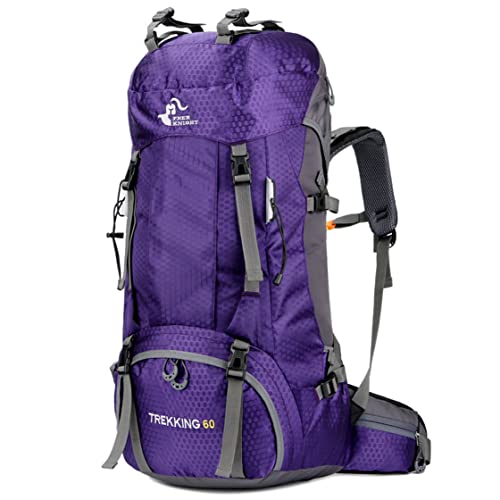
The Bseash 60L Waterproof Hiking Camping Backpack presents an intriguing ultralight profile for multi-day trips, offering an impressive sixty-liter volume at barely over two pounds unladen tare weight. Constructed from ripstop polyester and nylon, it relies on an integrated rain cover stowed in the bottom compartment rather than heavy rubberized laminates to keep moisture away. Understanding how fabric weave, seam tension, and external covers interact helps hikers evaluate whether this pack meets their specific rugged trail demands. Making the right choice ensures your supplies stay dry and your shoulders remain comfortable through unpredictable alpine conditions.
Pros
- Weighs only 2.1 pounds despite offering a generous 60-liter capacity
- Includes a stowable rain cover for quick weather protection on rainy trails
- Dedicated shoe pocket helps separate trail footwear from clean clothes
- Eight adjustable exterior tie-down straps handle bulky gear such as sleeping mats and tripods
- Internal hydration bladder pouch plus dual side water bottle pockets
Cons
- Lacks an internal or external frame, requiring careful packing to avoid sagging under heavy gear
- Maximum weight capacity is limited to 33 pounds, making it unsuitable for heavy expedition loads
- Water bladder is not included with the pack and must be purchased separately
The Bseash 60L Hiking Backpack is an ultralight, frameless high-capacity pack tailored for budget-conscious weekend hikers, campers, and gear-heavy travelers. With a generous 60-liter volume paired with a light empty weight of just 2.1 pounds, it provides ample room for bulky items like sleeping bags, hammocks, and camp clothing without adding unnecessary base weight. This pack caters primarily to hikers who prioritize volume and affordability over rigid structural support.
Real-world trail performance depends heavily on keeping gear under the listed 33-pound maximum capacity. Because this backpack contains neither an internal frame sheet nor external metal stays, the user's packing technique dictates how well the pack carries. Packing heavier dense items close to the spine is essential to prevent pack sag. The back panel utilizes high-elastic breathable padding, while the widened, thickened S-type shoulder straps feature sponge padding and mesh to cushion contact points during moderate trail mileage.
Constructed from water-resistant ripstop polyester and nylon fabric, the pack body resists light moisture and standard trail abrasion. For sudden downpours, a dedicated bottom pocket houses an included rain cover, giving hikers immediate water protection when conditions turn wet. The main closure relies on a traditional drawstring design that expands or pulls down securely, complemented by durable buckles and eight adjustable exterior compression straps for tying down bulky gear.
Packing and organizing gear is straightforward thanks to multiple specialized compartments. An integrated shoe compartment isolates muddy footwear or dirty laundry from the main storage area, protecting sensitive camp items. For hydration, the interior includes a dedicated water bladder sleeve, while dual elastic side pockets hold standard water bottles. Externally, the eight tie-down straps allow hikers to mount hammocks, tripods, or sleeping pads without consuming interior volume.
Hikers should note clear physical limitations inherent to this frameless design. Without aluminum stays or a rigid frame, carrying dense gear exceeding 30 to 33 pounds will likely transfer weight directly to the shoulders rather than resting comfortably on the hips. Additionally, while the fabric and included rain cover resist wet weather, the pack is not submersible or completely waterproof. A hydration reservoir is also not included, meaning users must supply their own bladder or rely on water bottles.
The Bseash 60L Backpack serves as a practical, high-volume choice for casual campers, budget-oriented trail travelers, and weekend adventurers carrying light, bulky equipment. As long as users adhere to the 33-pound load limit and do not expect the heavy-load support of a rigid internal-frame pack, it delivers solid utility and valuable included accessories for the price.
Offering a 60-liter total volume, this pack provides substantial room for bulky trail gear such as sleeping bags, jackets, cooking kits, and spare layers. The main compartment utilizes a top-loading drawstring closure to help compress soft gear and keep interior contents from shifting during movement.
Organization is enhanced by a separate bottom shoe compartment, which prevents muddy footwear or damp camp clothes from contaminating clean interior items. In addition to the main chamber, dual exterior side pockets accommodate water bottles, while eight tie-down straps secure items like trekking mats, tripods, or rolled blankets to the outside of the pack.
The Bseash 60L pack is completely frameless, featuring no internal stays or external frame structures. This design keeps the empty pack weight down to approximately 2.1 pounds, but it means that the pack lacks rigid mechanical load transfer from the shoulders to the hips.
To ensure comfortable carrying, the manufacturer specifies a maximum load-bearing limit of 33 pounds. Hikers carrying gear within this limit can take advantage of the padded S-type breathable shoulder straps and elastic back panel, but overloading past the recommended weight can lead to shoulder strain and bag distortion on rougher trails.
The pack body is manufactured from water-resistant ripstop polyester and nylon, which helps deflect light drizzle and mist during brief trail showers. However, the fabric and seams are not fully waterproof on their own.
To combat heavier rainfall, an extra rain cover is stored inside a bottom compartment for quick deployment. While this rain cover provides vital external shielding against torrential downpours and trail dust, hikers carrying sensitive electronics should still store delicate essentials in supplemental dry bags or waterproof liners.
Evaluating Weather Resistance and Build Quality in Outdoor Packs
Addressing whether is it most durable waterproof backpack in outdoor gear requires separating specialized submersible dry bags from versatile lightweight trekking packs. Durability and weatherproofing involve trade-offs between empty pack weight, fabric weave, and internal load support. Evaluating how the Bseash 60L pack balances these attributes clarifies what hikers can realistically expect when packing for backcountry excursions.
Water-Resistant Ripstop vs. Truly Waterproof Systems
Backpackers frequently encounter confusing terminology regarding waterproof versus water-resistant outdoor equipment. In technical gear design, a completely waterproof pack utilizes heavy thermoplastic polyurethane coatings, airtight roll-top closures, and welded seams that withstand full submersion. The Bseash 60L pack relies on water-resistant ripstop polyester and nylon fabrics designed to shed light rainfall and surface splashes. Standard needle perforations along panel joints mean driving rain will eventually seep inward without a secondary barrier.
The manufacturer includes a deployable rain cover stowed inside the bottom compartment to solve this vulnerability during severe weather. When storm clouds gather, hikers can quickly stretch this waterproof elastic shield over the entire rucksack, sealing off exposed seams from driving rain. This two-piece system represents the standard design philosophy for lightweight trekking gear, balancing storm protection with minimal tare weight. Submersible rubberized bags deliver total water exclusion, but their heavy tare weight increases fatigue over long trail miles.
Durability also operates on a spectrum where weight, fabric flexibility, and puncture resistance meet. While expedition haulers made from heavy Cordura withstand rough granite scraping, lightweight ripstop fabrics use reinforced crosshatch threading to stop punctures before they spread. The Bseash model prioritizes trail mobility and value over extreme rock-hauling abuse. Expecting a lightweight nylon rucksack to survive industrial scraping is unrealistic, yet it delivers dependable utility within sensible recreational boundaries.
Examining Fabric Denier and Tear Resistance in Lightweight Packs
Fabric denier directly dictates how well an outdoor pack handles contact with dense brush, sharp branches, and coarse campsite gravel. The Bseash 60L rucksack employs a polyester and nylon ripstop weave engineered to provide tensile strength while maintaining an empty tare weight of just 2.1 pounds. The ripstop pattern integrates thicker reinforcing yarns interwoven at regular intervals in a grid. If a sharp thorn snags the outer shell, this interwoven grid stops the tear from propagating across the panel.
Comparing lightweight ripstop to thick commercial ballistic nylon reveals important functional trade-offs for hikers. Heavy-denier textiles offer exceptional friction resistance against coarse stone, but they penalize the hiker with significant base weight on the trail. Hikers exploring affordable hiking backpacks often appreciate the swift mobility that a two-pound empty pack provides on moderate terrain. Lightweight fabrics require slightly more mindful handling around jagged campfire wood, yet they hold up well when packed with sensible outdoor gear.
Internal coatings also play a critical role in preserving fabric integrity across fluctuating outdoor temperatures. The polyurethane coating applied to water-resistant polyester provides a moisture barrier while reinforcing the yarn matrix against micro-abrasions. Over time, excessive friction or harsh chemical detergents can degrade these internal coatings if bags are scrubbed aggressively. Maintaining the outer surface with gentle spot cleaning prevents premature fabric breakdown and keeps the protective weave intact for many seasons of trail use.
The Function of Deployable Rain Covers During Sustained Downpours
A primary reason hikers debate weather resistance involves how packs handle continuous rainstorms in open backcountry terrain. Standard nylon and polyester fabrics coated with water-repellent finishes shed light drizzle, but driving downpours force droplets through needle holes and zipper coils. The Bseash pack addresses this vulnerability by including a fitted rain cover stored inside a dedicated bottom pouch. When storm clouds gather, hikers can quickly pull this elasticized waterproof shield over the entire pack body, shielding exposed entry points.
Relying on an external cover provides practical advantages over an all-in-one rubberized pack during multi-day backpacking trips. When the downpour stops, you can remove the drenched rain cover and pack it into its isolated exterior pouch, preventing wet fabric from dampening your gear. A pack constructed entirely of impermeable rubberized material traps condensation and back sweat without breathing. The removable cover allows the pack to maintain its breathable back panel during humid trekking, deploying weather protection only when necessary.
Backpackers should still practice smart internal packing habits when venturing deep into remote alpine zones where torrential storms are common. Experienced hikers routinely line the main compartment with a lightweight dry sack or heavy contractor bag to guarantee total waterproofing for critical sleep systems. While the integrated rain cover deflects the brunt of high-velocity precipitation, secondary internal dry bags protect down sleeping bags and electronics from accidental water ingress. This dual-layer strategy delivers superior storm security without adding unnecessary bulk to your shoulders.
Frameless Suspension Architecture and Load Distribution Limits
Backpack durability is deeply tied to internal suspension mechanics and how forces distribute across stress seams under full load. The Bseash 60L pack is engineered without an internal or external rigid frame, utilizing widened, thickened S-type shoulder straps and high-elastic back padding to manage weight. Frameless packs significantly reduce base equipment weight, enabling fast, agile strides across undulating trail terrain. However, the absence of rigid aluminum stays means the pack cannot transfer massive downward loads entirely to your hip bones.
The manufacturer explicitly rates this pack for a maximum load-bearing capacity of 33 pounds, establishing a clear operational boundary for weekend backpackers. When you exceed thirty pounds in a frameless rucksack, the weight begins pulling downward directly against the shoulder harness stitching rather than resting evenly across the pelvis. Hikers accustomed to rigid internal frames must adjust their packing habits to prevent undue stress on top anchor points. Dense items like camp stoves and full hydration bladders belong close to your spine, keeping the center of gravity stable.
For hikers carrying dense cast-iron cooking equipment or specialized heavy gear, comparing frameless designs to structured packs offers helpful perspective. While items like backpack coolers utilize rigid wall structures to support concentrated weight, frameless trail daypacks prioritize pliable comfort and compact packing. As long as you respect the 33-pound threshold, the high-elastic breathable back panel cushions your spine effectively without uncomfortable pressure points. Staying within recommended weight parameters preserves strap stitching and prevents premature harness separation across extended excursions.
Seam Architecture, Stitching Stress, and Drawstring Closures
A critical vulnerability in any water-resistant backpack lies along the seam lines where needles pierce synthetic fabric to assemble individual panels. In true waterproof dry bags, manufacturers weld seams using ultrasonic high-frequency welding to fuse fabric layers into a seamless, impervious unit. The Bseash 60L pack uses traditional sewn construction reinforced with heavy-duty thread and bar-tack stitching at high-tension anchor points. While these sewn seams provide robust structural strength to hold bulky gear, needle perforations can permit gradual water seepage under hydrostatic pressure without the rain cover.
The closure mechanism at the top of the main packing cavity further illustrates this practical design philosophy. Instead of a stiff, waterproof roll-top buckle system or a rubber-sealed zipper, this rucksack utilizes a smooth drawstring closure beneath an adjustable top lid. Drawstring collars offer rapid access to large sleeping bags, insulation layers, and bulk clothing without the risk of zipper teeth jamming or splitting under tension. The overlapping top lid sheds falling raindrops outward, directing moisture away from the cinch opening when you encounter passing mountain showers.
Inspecting external attachment hardware reveals eight adjustable straps designed to lash sleeping pads, compact tents, trekking poles, and hammocks to the exterior. These tie-down straps allow hikers to carry bulky, lightweight items on the outside without cramming the sixty-liter main chamber to maximum volume. Distributing bulky sleep pads externally keeps internal seams from experiencing excessive bursting pressure when packing for multi-day trips. Ensuring that exterior gear is lashed tightly prevents swaying loads from pulling abruptly against anchor webbing while scrambling over uneven trail boulders.
Compartment Layout, Organization, and Gear Protection Dynamics
Effective pack organization is essential for maintaining trail comfort and protecting delicate outdoor equipment from accidental damage or cross-contamination. The Bseash 60L rucksack features a thoughtfully segmented layout, including an isolated bottom shoe pouch designed to separate muddy trail runners or camp sandals from clean clothing. Storing soiled footwear in a dedicated compartment prevents dirt and trail grit from grinding against delicate synthetic sleep systems or technical rain jackets. This separation keeps the interior clean and reduces fabric abrasion caused by loose dirt particles shifting during brisk hiking.
Hydration management is integrated through an internal pouch tailored specifically for a water bladder, complemented by two external side pockets for extra water bottles. Stashing a hydration reservoir against the back panel positions dense water weight directly against your center of gravity, promoting natural posture and reducing lumbar fatigue. Meanwhile, the exterior stretch pockets hold standard beverage bottles securely within arm reach for quick trail breaks. Having external access to hydration means you never need to open the main compartment in damp conditions just to take a quick drink.
At 26.77 inches tall, 13 inches wide, and 7.87 inches deep, the pack presents an elongated vertical profile that fits within standard overhead bins on most full-sized commercial airlines. This dimensional balance allows travelers to use the rucksack as checked or carry-on luggage for adventurous destination trips without needing oversized luggage carriers. The streamlined cylindrical shape hugs the torso cleanly, preventing the bag from bulging outward and throwing you off balance during narrow mountain passages. Mindful packing ensures that bulky gear settles naturally into designated zones, keeping the entire load balanced and easily accessible.
Maintaining Coated Fabrics and Water-Repellent Finishes
Extending the lifespan of a water-resistant backpack requires proper maintenance habits that preserve surface coatings and seam integrity. After challenging treks through wet woods or dusty trails, never toss synthetic packs into a home washing machine. Mechanical agitators and harsh spin cycles exert severe lateral torque that can tear frameless shoulder straps and delaminate internal polyurethane waterproof backings. Instead, clear loose debris from interior pockets, wipe the exterior with a damp cloth, and use a soft-bristle brush with mild, non-detergent soap on stubborn stains.
Drying the pack thoroughly before long-term storage is equally critical for preventing fabric mildew and chemical coating hydrolysis. Hanging a damp backpack in a dark, humid closet encourages fungal growth that weakens polyester fibers and creates unpleasant, lingering odors. Always loosen all compression straps, open the main drawstring collar, and air-dry the rucksack in a shaded, well-ventilated area away from direct radiators or high-heat appliances. Excessive thermal exposure can warp foam shoulder padding and cause synthetic water-resistant coatings to become tacky or brittle over time.
Periodic inspection of the deployable rain cover ensures you will not be caught off guard when sudden storms sweep across high mountain passes. Check the elastic hem of the rain cover for elasticity loss and verify that the underside waterproof membrane remains free of pinholes or abrasions. If the outer polyester fabric of the backpack begins soaking up moisture rather than beading droplets, you can apply a specialized spray-on water-repellent finish designed for outdoor gear. Taking these straightforward preventative steps maintains reliable weather defense and keeps your rucksack trail-ready for upcoming multi-day adventures.
Practical Carry Decisions: Matching Pack Capabilities to Trail Realities
Determining whether this outdoor backpack aligns with your personal adventure goals requires balancing trail intensity against your equipment weight profile. If you plan to tackle casual weekend camping, three-day wilderness backpacking, or hostel-based global travel with base loads under thirty pounds, the Bseash 60L model offers outstanding utility. Its ultralight construction allows you to conserve stamina on steep climbs, while the sixty-liter volume provides generous space for modular packing cubes, warm layers, and camp cookware. The included storm cover ensures that unexpected mountain showers will not ruin your outdoor itinerary.
Conversely, backpackers intending to embark on rugged mountaineering expeditions, heavy winter trekking with bulky sub-zero sleeping bags, or bushwhacking through dense thorn thickets should consider specialized heavy-duty haulers. Severe mountaineering environments demand rigid internal alloy frames to carry forty-plus pounds comfortably, along with thick thousand-denier fabrics that resist sharp crampons and abrasive granite faces. Matching your pack to the specific terrain, weather volatility, and load profile prevents gear disappointment and protects your physical well-being on long backcountry journeys.
Ultimately, the Bseash 60L Waterproof Hiking Camping Backpack excels as a practical, lightweight, and versatile choice for budget-conscious outdoor enthusiasts. By combining water-resistant ripstop polyester, an integrated emergency rain cover, and ergonomic S-type shoulder padding, it delivers dependable utility without unnecessary heft. Keeping your total packed weight within the recommended 33-pound limit and deploying the rain cover when storm clouds gather ensures a comfortable, dry, and successful wilderness experience every time you head outside.







Write Your Review
No reviews yet. Be the first to share your experience!