


Navigating full days across campus demands a dependable bag capable of carrying delicate electronics, bulky textbooks, and daily provisions without causing painful physical strain. Students frequently ask what are the best backpacks for university when balancing demanding academic schedules with long walking commutes between lecture halls and libraries. Protecting expensive laptops against sudden drops requires dedicated padding, while organized internal dividers prevent small charging cables and pens from vanishing into a bottomless main compartment. Exploring reliable construction and smart pocket placement reveals how modern student packs differ from simple recreational bags or basic budget backpack designs built for light afternoon excursions.
Finding the right campus pack involves evaluating laptop compartment dimensions, textile durability, and harness ergonomics designed to distribute heavy textbooks evenly across the upper back. High-denier polyester canvas, reinforced haul handles, and breathable back panels help prevent premature gear wear and reduce persistent commuter fatigue. Specialized features like luggage pass-through sleeves, exterior water bottle pockets, and lay-flat openings provide practical utility for students who frequently commute via transit or travel home between academic terms. Analyzing real material specifications and functional carrying configurations ensures you choose a bag that supports your daily study routine throughout every academic semester.


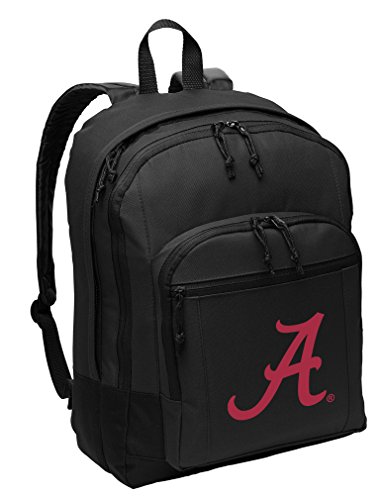

Navigating Campus Demands: Key Considerations for University Backpacks
Selecting an ideal pack for higher education requires looking beyond simple aesthetic appeal to evaluate everyday utility, hardware durability, and long-term ergonomic support. University students routinely transport expensive personal computers, bulky textbooks, laboratory notebooks, charging blocks, and personal items across expansive campuses in varying weather conditions. Bags that lack structural reinforcement or adequate cushioning often cause severe muscle strain and leave delicate digital screens vulnerable to sudden ground impacts. Understanding how specific design elements function together allows buyers to select a durable bag that handles heavy academic demands semester after semester.
Dedicated Laptop Compartments and Device Impact Protection
Modern academic workflows rely heavily on digital devices, making laptop sleeve engineering one of the most critical factors when choosing a campus pack. Many university models, such as the JanSport Right Pack and Broad Bay campus backpacks, include integrated interior padded sleeves designed to accommodate standard 15-inch portable computers. Larger workstations or gaming laptops require significantly more internal clearance, which is where options like the Denco laptop bag with a 17-inch capacity or the SHRRADOO travel pack fitting up to 16.3-inch machines become essential. Padded compartments keep digital hardware isolated from heavy binders, preventing metal spiral notebooks from scratching aluminum laptop chassis during transit.
Device security extends beyond simple perimeter foam into how the internal sleeve handles vertical drops. When a student places a fully loaded bag onto a hard tile or concrete library floor, an unpadded sleeve bottom allows the device edge to absorb direct impact force. Some advanced models incorporate internal shockproof retention belts to hold laptops and tablets firmly against the back panel, preventing internal slippage while walking briskly between lectures. Verifying your device dimensions against manufacturer pocket tolerances ensures that laptops housed in bulky protective shells can still slide smoothly into the dedicated tech compartment without straining the zipper seams.
Volume Sizing and Storage Capacity for Heavy Academic Loads
Campus storage requirements fluctuate dramatically based on your specific academic discipline, daily class schedule, and extracurricular commitments. A compact pack measuring roughly 16.5 inches high by 12.5 inches wide, like the JanSport SuperBreak Plus, provides sufficient room for a computer, a couple of notebooks, and essential personal accessories. Students enrolled in intensive STEM or medical courses often need higher volumetric capacity to accommodate thick reference volumes, lab manuals, and extra apparel. Options like the YAMTION backpack offer up to 35 liters of interior volume, providing ample room for comprehensive daily packing without feeling overly unwieldy in crowded lecture halls.
Balancing overall volume against exterior pack depth is vital for maintaining good balance on crowded campus shuttles and tight stairwells. When a bag expands excessively outward, the heavy center of gravity pulls backward and exerts intense rotational leverage against your shoulders. Multi-compartment layouts, such as the four separate zippered sections found on Broad Bay models measuring 6.5 inches in depth, help keep contents organized close to the back rather than sagging loosely outward. Choosing a pack with manageable exterior dimensions ensures you can slip through narrow rows of classroom desks without constantly knocking into adjacent chairs.
Shoulder Harness Ergonomics and Spinal Load Transfer
Hauling fifteen to twenty pounds of academic supplies across a large university campus can quickly cause painful neck, shoulder, and lumbar fatigue if the harness lacks proper ergonomic shaping. Straight-cut or S-shaped curved shoulder straps with high-density padding help distribute dense downward loads across the wider surfaces of the trapezius and clavicle. Models like the SHRRADOO travel pack incorporate an adjustable breast strap, which stabilizes the center of gravity and prevents the shoulder straps from drifting outward during vigorous walking. While technical trail packs use structured load-bearing frames to divert heavy cargo to the hips, student packs rely on dense foam layering and harness geometry to keep daily loads manageable.
Back panel engineering plays an equally significant role in all-day student comfort, especially during humid early fall and late spring semesters. Dense pack fabrics resting directly against a student shirt trap ambient body heat, leading to rapid sweat buildup during long cross-campus walks. Bags built with integrated airflow ventilation systems, such as the Denco Harvard backpack or the air-mesh padding found on Northwest bags, promote steady air circulation between the pack and your spine. Fully padded, breathable back panels also cushion the wearer from sharp textbook corners, preventing rigid book spines from poking uncomfortably into the lower lumbar region.
Fabric Toughness and Weather-Resistant Shell Materials
University backpacks endure severe friction from rough concrete sidewalks, dirty classroom floors, transit benches, and metal gym lockers. Heavy-duty synthetic textiles, such as the 1000 Denier Cordura recycled polyester featured on the JanSport Right Pack or the 600 Denier polyester canvas used on Broad Bay designs, deliver exceptional resistance against abrasive wear and fabric tearing. The addition of a suede leather bottom panel on premium daypacks creates an extra physical barrier against floor grime and damp surfaces while reinforcing structural seams under heavy loads. Robust fabrics ensure the bag retains its structural integrity even when repeatedly stuffed with heavy binders and sharp-cornered lab equipment.
Weather protection is another essential textile consideration, as students must frequently walk between campus buildings during unexpected rain showers or winter snow. Water-repellent nylon fabrics and dense Oxford weaves, like those utilized on VANKANY and YAMTION packs, cause surface moisture to bead up rather than immediately soaking through into internal compartments. Reverse polyester construction with specialized polyurethane coatings helps shield internal electronics and paperwork from light precipitation. However, standard exterior seams and zipper coils are not completely submersible, meaning students should exercise caution during torrential storms and avoid setting bags in deep puddles.
Internal Compartment Architecture and Quick-Access Organization
A cavernous bag without internal division quickly turns into an unorganized abyss where pens, student ID cards, flash drives, and charging cords get lost under heavy books. Front utility compartments equipped with built-in organizer panels provide dedicated slots for writing utensils, key fobs, calculator tools, and smartphone cords. Having dedicated organizational pockets allows students to retrieve essential items instantly during exams without frantically digging through the entire contents of their main packing cavity. Furthermore, zipper hoods and covered flaps over front pockets, like those found on JanSport packs, help prevent sudden liquid splashes from entering delicate organizer areas.
Separating fragile tech gear from food, beverages, and damp umbrella storage is equally critical for preserving digital hardware. Multi-tier compartment layouts let students keep their lunch containers or gym apparel in a secondary chamber while leaving the padded tech sleeve completely dry and clean. Zippered mesh security pockets built into the interior walls of bags, such as those on YAMTION and SHRRADOO models, provide visibility for small cords and memory storage devices. Placing smaller accessories inside distinct zippered pockets prevents them from shifting to the bottom of the pack where they can be crushed under dense paper weights.
Exterior Pocket Utility and Large Water Bottle Retention
Staying adequately hydrated during packed academic schedules requires quick access to refillable beverage bottles between back-to-back lectures. External side pockets allow students to carry insulated stainless steel bottles or travel mugs without taking up valuable space inside the main compartment. Seamlessly integrated side bottle pockets, like those found on JanSport SuperBreak Plus and VANKANY backpacks, hold standard beverage containers securely against the pack profile. Dual side pockets also allow wearers to carry a compact folding umbrella on one side and a hydration flask on the other, balancing exterior cargo weight evenly.
A common frustration among college students occurs when tall bottles slip out of shallow side sleeves while bending down to pick up books or tie shoes. Pockets constructed with deep side walls and elastic retention bands hug bottles more securely to prevent embarrassing drops in quiet study halls. Buyers who carry oversized 32-ounce insulated tumblers should check the pocket stretch and circumference before purchasing, as rigid static fabrics may restrict wider containers. Keeping hydration containers stored externally also eliminates the catastrophic risk of a loose cap leaking directly onto an expensive laptop inside the primary packing chamber.
Commuting Convenience: Luggage Straps and Lay-Flat Checkpoint Access
Many university students commute substantial distances via regional buses, urban subways, or domestic flights when traveling home for holiday breaks. Specialized travel-friendly features, such as integrated luggage trolley pass-through straps found on VANKANY, YAMTION, and SHRRADOO packs, allow the bag to slide directly over rolling suitcase handles. This rolling integration relieves tired shoulders during long walks through bustling transit terminals and crowded airport concourses. Hidden anti-theft rear pockets placed against the wearer lower back offer discreet, secure storage for passports, transit cards, and smartphones away from pickpockets in dense urban crowds.
Modern student commuter packs frequently offer lay-flat main openings that unfold freely from 90 to 180 degrees, streamlining security screenings at transit checkpoints. This flat-folding orientation allows airport security staff to scan electronic compartments clearly without requiring the traveler to remove the laptop from its protective sleeve. External pass-through charging ports or dedicated side-pocket cable holes let students connect an external battery inside the bag to their smartphone while walking across campus. These smart transit additions transform a standard campus bookbag into a capable travel pack suitable for weekend road trips, professional internships, and academic conferences.
Safe Maintenance Protocols to Protect Fabrics and Internal Coatings
Maintaining the appearance and performance of a university pack requires following gentle cleaning techniques rather than resorting to harsh machine washing. Placing a synthetic backpack inside a high-speed washing machine with an aggressive central agitator can stretch structural seams, crush foam shoulder padding, and peel internal water-resistant coatings. Spot-cleaning with a soft-bristled brush, lukewarm water, and a mild non-detergent soap safely lifts ground-in dirt, coffee splatters, and sidewalk dust. Rinsing thoroughly with a damp microfiber cloth ensures that soapy residue does not remain trapped within the weave or attract more surface grime.
Drying synthetic fabrics requires patience and proper air circulation away from intense heat sources. Never place a nylon or polyester backpack inside a household tumble dryer, as extreme heat can melt delicate synthetic fibers, warp internal plastic stiffeners, and degrade zipper coil teeth. Hang the cleaned bag upside down by its bottom grab loops in a well-ventilated, shaded indoor area with all compartment zippers fully opened. Routine zipper maintenance, such as gently wiping fine dust and grit out of coil teeth with a clean cloth, ensures smooth slider operation and prevents frustrating track derailments when packing heavy textbook loads.
Selecting the Right Balance Between Bulk, Weight, and Utility
Determining the most effective backpack for your personal university experience ultimately comes down to matching your daily carry requirements against pack weight and layout efficiency. Minimalist students who complete most coursework electronically on cloud storage may prefer a lightweight 16-inch silhouette that prevents unnecessary clutter and maintains a slim profile in tight lecture halls. Conversely, science, engineering, or architecture students carrying physical gear, calculators, and extra clothing layers benefit significantly from high-capacity 35-liter packs with multiple segregated chambers. Assessing whether you prioritize school spirit embroidery, extensive organization pockets, or transit features helps narrow the selection to a bag that fits your specific daily routine.
Regardless of the specific brand or aesthetic style you select, prioritizing dense strap cushioning, durable shell textiles, and secure laptop compartments will protect your physical well-being and valuable digital tools. Distributing heavy items close to your spine, utilizing sternum straps when carrying dense loads, and practicing regular spot-cleaning ensures your backpack remains a comfortable, dependable companion throughout your college journey. Investing time in evaluating these functional specifications allows you to focus on your studies with complete confidence in your everyday campus carry gear.







Write Your Review
No reviews yet. Be the first to share your experience!