


Dense academic schedules, heavy textbooks, and delicate personal laptops place unusual physical demands on daily carry gear. Students constantly shuttle between crowded hallways, narrow lockers, and public transit, needing storage solutions that resist daily abrasion without causing severe shoulder fatigue. Understanding what backpacks do high schoolers use requires evaluating how internal tech sleeves, multi-compartment layouts, and shock-absorbing suspension straps handle these punishing daily routines. Many students also seek durable school backpacks that balance aesthetic appeal with practical storage geometry.
While outdoor enthusiasts often compare specialized frames, teenagers primarily prioritize dedicated tech organization and resilient synthetic textiles that withstand locker friction. Finding reliable everyday carry gear often parallels shopping for affordable everyday packs, where seam reinforcement and reliable zippers matter far more than flashy branding. The models in this guide illustrate the exact functional features, storage capacities, and suspension components that modern high school students rely on every single semester. Balanced weight distribution and padded laptop compartments remain essential for navigating long school days without physical discomfort.


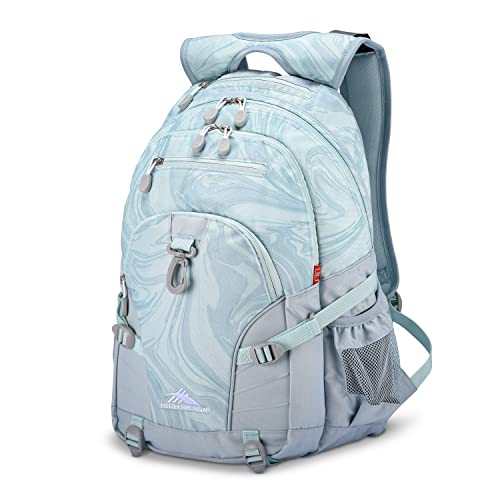


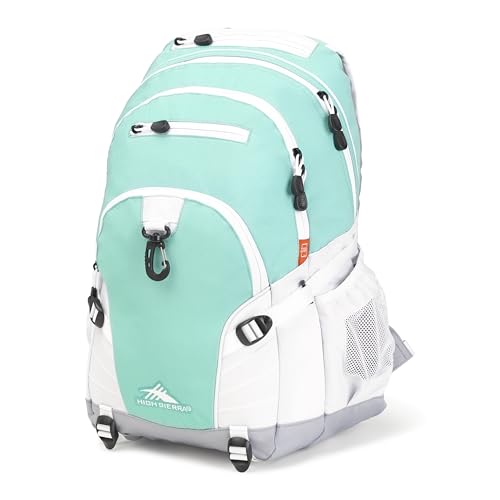
Essential High School Backpack Features, Storage Architecture, and Daily Durability
High school students face a daily haul that looks vastly different from elementary school or university lecture halls. Between three-ring binders, dense textbooks, athletic uniforms, and district-issued laptops, their daily carry often weighs between fifteen and thirty pounds. Finding out what backpacks do high schoolers use reveals that success comes down to a balance of internal capacity, impact-resistant electronics storage, and ergonomic suspension systems.
Academic Carry Realities: Textbook Loads Versus Narrow Lockers
The physical layout of modern secondary schools dictates backpack functionality far more than casual fashion trends. Students frequently navigate tightly packed hallways during short passing periods, leaving little time to visit lockers between classes. Because passing times are tight, they often carry their entire curriculum on their shoulders from morning homeroom until after-school extracurriculars. This heavy mobile routine requires dependable structure that prevents dense books from sagging backward and straining the spine.
Narrow metal locker dimensions also impose strict physical boundaries on exterior pack profiles. Backpacks with rigid external frames or bulging front pockets struggle to fit inside standard lockers without aggressive cramming. Models measuring around nineteen inches high and thirteen to fourteen inches wide provide the ideal balance, sliding cleanly into vertical lockers while holding full-size binders. Careful dimensional awareness ensures students avoid tearing fabric seams against sharp locker latches.
Optimal Volume Benchmarks and Storage Architecture
High school carry requirements generally demand an internal volume between twenty-five and thirty-five liters. Bags below twenty-five liters frequently force students to carry secondary tote bags or leave essential binders at home. Conversely, packs exceeding thirty-five liters often encourage dangerous overpacking and become too unwieldy to stow under school desks or bus seats. This sweet spot provides adequate space for binders, notebooks, gym clothes, and lunch containers.
Storage architecture must separate heavy analog paper products from delicate mobile tech. A dual main compartment layout allows students to stack heavy textbooks close to the back panel, optimizing their center of gravity. Secondary compartments house notebooks, journals, and folders without risk of torn pages or bent covers. Dividing physical volume also prevents damp gym gear from touching graded coursework.
Dedicated organization grids in front utility pockets prevent daily essentials from sinking to the bottom of the bag. Slip sleeves for graphing calculators, pens, pencils, and student identification save valuable seconds between classes. Key fob clips ensure house and locker keys remain securely anchored throughout the school day. Organized pockets eliminate the frustration of rummaging through deep compartments while seated at compact school desks.
Laptop and Tablet Protection: Padded Sleeves and Suspension
District-issued Chromebooks, personal laptops, and digital tablets are now standard classroom requirements across most secondary schools. High school backpacks must feature dedicated tech compartments capable of accommodating standard fifteen-inch or seventeen-inch devices. Thin, unpadded exterior pockets leave expensive screens vulnerable to corner impacts when packs drop onto concrete floors or bleachers. Sturdy padding on both faces of the sleeve shields electronics against heavy textbooks shifting inside the bag.
Padded internal laptop sleeves protect device bezels from impacts, but the bottom clearance of the sleeve matters just as much. Quality bookbags incorporate suspended laptop compartments that stop slightly above the absolute base of the backpack. This suspended design prevents fragile electronics from striking hard linoleum or sidewalk pavement whenever a student abruptly sets their pack down. Elastic hook-and-loop security tabs further ensure laptops remain seated inside designated sleeves during hasty transitions.
Secondary tablet sleeves provide separate fleece-lined or padded enclosures for digital styluses and smaller tablets. Isolating tablets from larger laptops prevents friction scratches and screen pressure damage caused by shifting classroom materials. Zippered mesh internal pockets further isolate power bricks, charging cables, and external mice so plastic hardware does not collide with delicate computer casings. This dedicated tech compartmentalization keeps costly electronic equipment intact through multiple demanding semesters.
Ergonomic Harness Systems and Shock-Absorbing Shoulder Straps
Hauling twenty pounds of academic gear across large campus facilities places intense mechanical stress on the neck, shoulders, and upper back. Unpadded webbing straps dig directly into the trapezius muscles, restricting circulation and contributing to chronic postural fatigue. High schoolers consistently benefit from packs featuring contoured S-curve shoulder straps equipped with thick, resilient foam padding. Ergonomic curves naturally trace around the chest and neck, distributing downward pressure evenly across the shoulders.
Dynamic suspension systems take ergonomic support a step further by dampening the shock of sudden weight transfers. Integrated elastic or suspension loops built into upper strap anchors flex as the student walks, absorbing vertical bounce before it reaches the spine. This shock attenuation reduces perceived weight and keeps heavy loads from pulling the shoulders backward with every stride. Students covering long walking routes experience noticeably less collarbone fatigue when utilizing suspension harnesses.
Ventilated back panels featuring suspended mesh or molded air channels help regulate body temperature during warm-weather walks to school. Without airflow channels, dense synthetic back panels trap perspiration against cotton shirts, causing discomfort throughout morning classes. When students carry unusually dense textbook loads, exploring heavy load backpack frame guide principles highlights how structural back support and load stabilization work together to protect spinal health. Adjustable sternum straps also help stabilize the harness, pulling shoulder pads inward to prevent strap slippage during hurried walking.
Textile Resilience: Oxford Polyester and Weather-Resistant Coatings
School backpacks endure exceptional mechanical friction, from abrasive classroom carpets to rough asphalt bus stops and crowded hallway floors. To withstand several academic semesters without seam blowouts, exterior fabrics must utilize tough, abrasion-resistant synthetic weaves. High-density Oxford polyester, including 300-denier and higher fabric grades, offers an exceptional strength-to-weight ratio that resists punctures, corner friction, and surface tears. Synthetic fibers also clean up easily when exposed to cafeteria spills or locker dust.
Water-resistant surface treatments and internal polyurethane backing layers guard homework, art projects, and tech gear from unexpected weather. While few casual school backpacks are fully submersible, quality water-resistant coatings shed light rain and melting snow during morning walks. Reinforced stitching along high-stress points, particularly where shoulder straps attach to the main pack body, prevents catastrophic fabric separation under heavy textbook loads. Bar-tack stitching across grab handles and strap bases guarantees heavy weight will not rip seam anchors.
Hardware selection plays an equally vital role in day-to-day longevity. Heavy-duty metal zippers with wide coil teeth tolerate rapid, aggressive pulling much better than fragile nylon coil sliders. Exterior compression straps constructed from dense webbing allow students to cinch down the entire pack, reducing lateral tension on zipper tracks when the bag is packed to capacity. Smooth zipper glides prevent teeth misalignments that frequently plague cheaper student bags during crowded passing periods.
Exterior Functional Components: Compression Straps and Hydration Sleeves
Side compression straps are among the most practical yet overlooked features for active students. When a backpack is only half full, compression straps pull excess fabric flat, preventing loose supplies from sloshing back and forth during travel. When the pack is completely full, tightening these straps pulls the load closer to the back, maintaining proper spinal alignment. This cinching action also slims down the pack profile, making it easier to slip through crowded hallway bottlenecks.
Hydration storage is another critical requirement, as secondary students routinely carry insulated reusable bottles throughout the school day. Shallow or loose side pockets frequently drop metal bottles onto classroom floors whenever a student bends over to retrieve an assignment. Deep, expandable side pockets made from reinforced elastic mesh or sturdy synthetic textiles keep twenty-four-ounce and thirty-two-ounce bottles upright and secure. Dual pockets also allow students to balance an umbrella on one side and a hydration bottle on the other.
Reinforced grab handles provide vital utility when pulling a fully loaded pack out from underneath a school desk or bus seat. Standard fabric loops can tear or rip away from the upper seam over time under thirty-pound strains. Padded grab handles reinforced with internal bridge cables or metal rivets provide long-term durability and prevent painful palm pressure during quick lifts. These rugged top handles make moving the pack between desks quick and effortless.
Security Features, Hidden Pockets, and Travel Versatility
High school students frequently travel on public buses, subways, or crowded sports team charters, making basic security features increasingly valuable. Rear hidden pockets integrated directly into lumbar padding provide discreet storage for smartphones, transit passes, student IDs, and wallets. Because these pockets sit flush against the wearer’s back, they remain virtually inaccessible to opportunistic hands in crowded transit settings. This hidden design provides peace of mind when students commute through busy urban environments.
Dual-purpose functionality allows a reliable school bookbag to transition into a travel carry-on for weekend band trips, athletic tournaments, or family flights. Rear luggage trolley straps slip cleanly over telescoping handles of rolling suitcases, removing the burden from the student’s shoulders during long airport concourse walks. Smooth, snag-free exterior profiles also ensure the pack slides easily beneath standard airplane seats without catching on under-seat brackets. Multipurpose capability saves families from purchasing separate luggage for extracurricular travel.
Exterior attachment loops and aesthetic accessory clips offer secondary utility for gym padlocks, decorative keychains, or identification badges. Students often appreciate subtle clip loops that accommodate personal accessories without cluttering main operational zippers. Small personal touches make large utilitarian backpacks feel personalized while maintaining full functional capability. This blend of security, travel capability, and personal expression makes a multi-compartment daypack exceptionally versatile across four full years of high school.
Safe Maintenance and Cleaning Guidelines for Long-Term Durability
Given daily exposure to gym floors, bus steps, and cafeteria benches, school backpacks accumulate considerable dirt and grime over an academic year. Preserving fabric integrity requires gentle, informed cleaning methods that protect delicate internal coatings. Submerging water-resistant packs in top-loading washing machines with aggressive agitators can crack internal polyurethane linings and degrade water-repellent surface finishes. Following manufacturer care tags prevents premature structural failure and keeps protective coatings intact.
Spot cleaning with a soft nylon brush, lukewarm water, and mild detergent remains the safest maintenance protocol for coated Oxford fabrics. Gentle circular brushing removes surface mud, dried dirt, and salt residue from locker floors without fraying exterior fibers. Zippers should also be brushed periodically to remove trapped lint, dust, and graphite powder that can jam slider teeth and lead to split tracks. Clean zipper tracks glide effortlessly, preventing accidental seam blowouts under heavy textbook stress.
Air drying in a shaded, well-ventilated space is essential after any spot cleaning or damp weather exposure. Exposing synthetic packs to high-heat commercial dryers can melt foam padding inside shoulder straps, warp structural plastic sheets, and delaminate internal seams. Hanging the pack upside down with all pockets unzipped allows moisture to drain and prevents unpleasant mildew odors from developing inside textbook sleeves. Routine care ensures a single well-built backpack survives multiple demanding academic terms in top condition.
Matching Pack Form Factors to Specific Student Schedules
Selecting the right backpack configuration ultimately depends on a student’s distinct daily schedule and extracurricular obligations. Students taking multiple advanced placement classes with heavy hardback books require multi-compartment suspension packs with robust compression straps to manage severe physical mass. Their priority centers on load distribution, wide shoulder straps, and dedicated tech shock absorption. Investing in strong ergonomic support directly reduces daily fatigue during long high school walking commutes.
Student athletes and band members, on the other hand, benefit from streamlined packs featuring quick-access pockets, durable grab handles, and luggage pass-through compatibility. These students often pair their primary bookbag with a separate duffel for athletic gear, meaning their backpack must remain compact enough to carry alongside sports equipment. Evaluating daily walking distances, tech requirements, and locker usage ensures high schoolers choose a bag that provides lasting comfort from freshman orientation to graduation day.
Finding the right balance between volume, ergonomic strap engineering, and reinforced synthetic fabrics ensures a backpack survives the daily demands of secondary school. By focusing on multi-compartment layouts, suspended tech sleeves, and dependable suspension harnesses, students can carry heavy academic loads safely and efficiently throughout the school year.







Write Your Review
No reviews yet. Be the first to share your experience!