


Packing an internal frame backpack for multi-day backcountry treks forces hard choices between trail comfort and carrying weight. Bulky cotton garments absorb moisture quickly, stay cold against the skin, and crowd out essential sleeping or shelter gear. Deciding what clothes to bring backpacking requires balancing technical synthetic or merino wool garments against the physical liter volume of your main compartment. Pairing breathable base layers with reliable lightweight hiking pants keeps your stride unrestricted while shielding legs from trail brush and fluctuating alpine weather.
Every extra garment adds dead weight to your shoulder harness, shifting your center of gravity backward and increasing lumbar strain over long climbs. Managing volume using modular storage, such as lightweight compression sacks or dry bags, helps compress soft goods into tight packages that stabilize pack balance. Organizing apparel into dedicated active layers, camp insulation, and waterproof shells prevents panic when mountain storms roll across exposed ridges. Following a disciplined layering strategy ensures you stay warm, dry, and mobile without carrying unneeded apparel into the wilderness.



Essential Principles for Backcountry Clothing Selection
Selecting apparel for multi-day wilderness trekking requires viewing every garment as functional gear rather than casual clothing. Your trail wardrobe acts as your personal climate control system, shielding skin from solar radiation, wind chill, brush abrasions, and saturating precipitation. When you hike uphill under a fully loaded backpack, your body generates significant thermal energy and perspiration. Trapping that moisture against your skin can cause your core temperature to plummet rapidly once you drop your pack at camp. Understanding how technical fabrics work together ensures you maintain thermal equilibrium across changing elevations and exertion levels.
The Three-Layer Rule: Base, Mid, and Outer Shells
A dependable backcountry layering system relies on three functional components that you can wear individually or combine as conditions dictate. The base layer rests directly against your skin, and its sole task is moving perspiration away from your pores through capillary action. Synthetic polyester knits and fine merino wool excel in this role because their fibers do not absorb moisture within their cellular structure. On cool mornings or steep ascents, a breathable long-sleeve crew neck keeps you comfortable without letting sweat pool beneath your pack harness.
The insulating mid-layer creates dead air space around your torso to trap radiant body heat as temperatures fall. High-loft fleece pullovers, grid-fleece hoodies, and lightweight down or synthetic jackets serve as the primary choices for camp warmth. Goose or duck down provides the highest warmth-to-weight ratio and compresses into an exceptionally small package, but it collapses completely when exposed to moisture. Synthetic insulation, using spun polyester filaments, retains functional loft even in damp air, making it dependable for humid regions or persistent rains.
The outer shell layer acts as your barrier against driving rain, high mountain winds, and trail debris. Technical rain jackets built with waterproof membranes allow internal water vapor to vent while blocking external precipitation. Integrated underarm pit zippers provide manual ventilation on humid ascents, helping prevent condensation from soaking your insulating mid-layer from the inside. A matching pair of packable rain pants shields your quads and calves, keeping cold wind and wet trail foliage from chilling large leg muscles.
Fabric Selection: Why Cotton Fails and Synthetics Prevail
Backcountry instructors routinely emphasize that cotton has no place in a wilderness clothing kit. Cotton fibers consist of hydrophilic plant cellulose that absorbs up to twenty-seven times its dry weight in liquid water. Once a cotton garment absorbs sweat or rainwater, the wet fibers flatten and conduct heat away from your body twenty-five times faster than dry air. Resting on an exposed ridge while wearing damp cotton apparel can lower your core temperature quickly, creating a genuine risk of hypothermia.
Synthetic polymers such as polyester and nylon deliver the moisture management and tensile strength required on rugged trails. Polyester filaments absorb virtually no moisture, allowing sweat to spread across the fabric surface and evaporate into ambient air. Nylon provides exceptional abrasion resistance, making it ideal for pack reinforcement zones, outer shells, and trail bottoms that brush against granite rocks. Merino wool provides natural antimicrobial properties that resist body odor over extended trips, making it an excellent natural alternative for socks and base layers.
The Essential Garment Checklist for Multi-Day Trips
Organizing an efficient clothing kit requires separating what you wear while hiking from what stays protected inside your backpack. Your active hiking outfit should consist of a lightweight synthetic shirt, moisture-wicking synthetic briefs, and durable trail bottoms. Choosing flexible trail pants for mobility allows you to step over trail obstacles and navigate rocky scrambles without fabric pulling across your knees. Two pairs of merino wool hiking socks complete the active outfit, allowing you to rotate pairs and let one air-dry during the day.
Your packed clothing should be reserved exclusively for camp comfort, sleeping warmth, and emergency weather protection. This dedicated reserve includes clean thermal base layer bottoms and a matching top reserved strictly for your sleeping bag. You also need an insulating mid-layer jacket, a packable rain shell, a warm knit beanie, lightweight gloves, and a clean pair of sleeping socks. Keeping this sleep kit completely dry ensures you can warm up quickly inside your shelter regardless of trail weather conditions.
Carrying extra casual clothing or duplicate hiking shirts is an unnecessary habit that quickly adds unwanted pack weight. Trail clothing will inevitably accumulate dirt, trail dust, and sweat salts throughout a multi-day journey. Carrying fresh shirts for every single day creates useless bulk that crowds out food storage and strains your shoulder harness. Sticking to one active hiking outfit and one dedicated camp sleep outfit keeps your total clothing weight manageable on challenging elevation gains.
Moisture Management and Trail Drying Logistics
Preventing internal moisture buildup requires actively monitoring your body temperature while hiking under load. If you begin to sweat excessively during a steep climb, stop briefly to remove your mid-layer or open ventilation zippers before your base layer becomes saturated. Starting a morning hike slightly cool is a smart strategy because your working muscles generate substantial heat within ten minutes of walking. Regulating your pace helps maintain an even body temperature and minimizes moisture accumulation along your back panel.
When sudden rain or river crossings wet your clothing, drying gear during trail breaks becomes critical. Spreading damp garments across sun-baked boulders during lunch stops accelerates moisture evaporation through radiant heat. For wiping condensation from tent walls or drying your skin before putting on clean camp layers, packable accessories like the Nomadix Ultralight Towel absorb significant water while drying rapidly in the breeze. Managing moisture before you enter your sleeping bag prevents dampness from migrating into your sleeping insulation.
Organizing and Compressing Apparel in Your Pack
Loose clothing items can easily take over the usable interior volume of a backpack if left uncompressed. Shoving apparel into your pack without a structured system creates awkward bulges that distort your pack harness and make locating gear difficult. Dividing your garments into designated compartments keeps your gear organized and protects clean layers from trail dirt. Keeping your rain shell in an exterior front pocket or top lid ensures you can deploy it instantly when unexpected rain arrives.
Modular organization bags like the Frelaxy Stuff Sack Set 5-Pack (3L&5L&9L&15L&20L) provide a convenient way to separate underwear, thermal layers, and trail accessories by color and size. Using smaller volume sacks between three and nine liters prevents small clothing items from sinking to the bottom of your pack. These lightweight drawstring sacks keep your apparel neat and protect delicate fabrics from catching on internal pack frame hardware or gear clips.
Critical warmth items, such as your down jacket and sleepwear, require dependable waterproof protection inside your pack. Using a roll-top closure dry bag like the Sea to Summit Lightweight Dry Sack keeps water from reaching sensitive insulating layers even during prolonged downpours. Storing this waterproof bundle low in the main compartment, nestled directly above your sleeping bag, positions dense weight close to your spine and keeps your center of gravity balanced over your hips.
Lower-Body Garments and Trail Mobility
Choosing appropriate lower-body garments requires balancing trail ventilation against physical protection from environmental hazards. Running shorts or trail shorts provide exceptional ventilation during hot weather, but they leave your shins exposed to thorny brush, biting insects, and sun exposure. Full-length pants constructed from four-way stretch nylon offer durable abrasion resistance, shield your legs from briars, and protect against ultraviolet rays. Articulated knees and a gusseted crotch allow a natural range of motion when stepping up steep granite stairs.
When planning your overall wilderness gear budget, reviewing budget hiking backpack options can free up funds for technical trail pants and merino base layers. Some hikers favor convertible pants with zip-off legs for versatile adaptation to changing temperatures, though the thigh zippers can occasionally cause friction during long descents. An alternative strategy combines lightweight running shorts with ultra-packable wind pants, allowing you to slip the wind shell over your shorts when traversing chilly mountain passes.
Undergarment and Sock Strategy for Blister Prevention
Undergarments and socks deserve special attention because friction in these areas quickly causes painful chafing and trail blisters. Standard cotton underwear traps moisture and creates abrasive rubbing points right where your backpack hip belt rests on your iliac crest. Switching to seamless synthetic or merino wool briefs with flatlock stitching prevents painful pressure marks during long ascents. Bringing two pairs of moisture-wicking underwear allows you to rinse one pair at camp while wearing the other on the trail.
Cushioned merino wool hiking socks provide essential shock absorption and pull moisture away from your skin inside trail boots. Merino fibers resist compression over miles of hiking, maintaining the loft needed to prevent friction between your foot and footwear lining. Never wear thin cotton athletic socks that bunch up in the heel and cause hot spots after a few miles. Packing two dedicated hiking pairs and keeping a third pair strictly dry for sleeping keeps your feet healthy and blister-free.
Gear Maintenance, Repairs, and Weather Protection
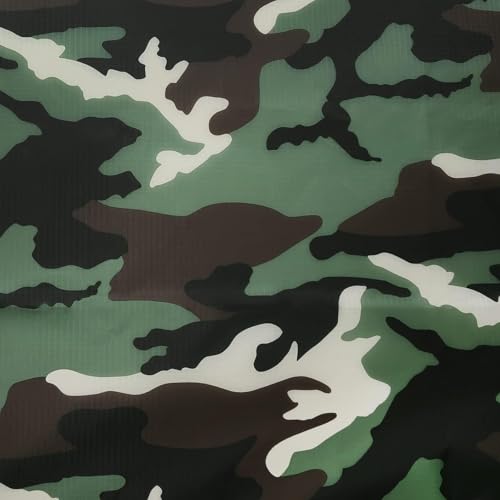
Sharp rocks, stray campfire embers, and thorny brush can easily snag and puncture lightweight technical fabrics during backcountry travel. Carrying repair materials such as 9KM DWLIFE Fabric, Camo Waterproof Ripstop Nylon enables quick field patches for torn stuff sacks, rain tarps, or jacket shells. Ripstop nylon utilizes a reinforced grid weave that stops small punctures from expanding into long tears under tension. Pairing durable patch fabric with specialized gear tape creates a reliable barrier that preserves weather protection until you return home.
Maintaining the water-repellent finish on your outer jackets is essential for preserving fabric breathability over long seasons of trail use. Dirt, body oils, and trail friction gradually wear away factory coatings, causing face fabrics to soak up water and saturate the outer weave. Washing technical outerwear with non-detergent technical wash products and reapplying spray treatments restores water beading without damaging breathable inner membranes. Proper maintenance ensures your rain gear sheds water efficiently rather than clinging to wet insulating layers underneath.
Final Trailhead Wardrobe Verification
Taking a few minutes for a final gear inspection at the trailhead prevents costly wardrobe oversights once you leave civilization behind. Confirm that your insulating sleep layers are sealed inside their dry bag and positioned securely in your main compartment. Make sure your rain shell, warm knit cap, and lightweight gloves remain accessible in an exterior pocket for quick deployment. Establishing a disciplined clothing routine keeps your pack lightweight, safeguards your warmth, and lets you focus on enjoying the backcountry trail.







Write Your Review
No reviews yet. Be the first to share your experience!